
NEW
Font size
 Worksheets
Review Quiz: Minerals, Igneous Rocks, and Sedimenary Rocks Rocks
Total questions: 12
Worksheet time: 18mins
The resistance of a mineral to being scratched
hardness
streak
cleavage
fracture
The mineral mica breaks evenly along flat sheets mainly because of its
atomic arrangement
chemical composition
hardness
density

What is the origin and rate of formation of this rock?
plutonic with slow cooling
plutonic with rapid cooling
volcanic with slow cooling
volcanic with rapid cooling
Biotite mica and muscovite mica have different
chemical compositions. Compared to the magma
from which biotite mica forms, the magma from
which muscovite mica forms is usually
more mafic and less dense
more mafic and more dense
more felsic and less dense
more felsic and more dense
In what kind of stone would we expect to find fossils?
Conglomerate
Halite
Limestone
Gypsum
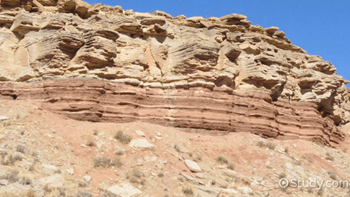
What factors can lead to the formation of a sedimentary rock?
melting and solidification
extreme heat and pressure
compaction and cementation


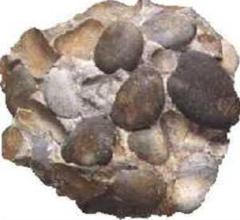
Which of the following is a land-derived sedimentary rock?
rock gypsum
limestone
gabbro
conglomerate
A clastic sedimentary rock containing grains that are .05 cm in size would be considered
Sandstone
Siltsone
Shale
Conglomerate
Which sedimentary rock will bubble with acid?
Limestone
Sandstone
Shale
Rock Gypsum

