
 Worksheets
Industrialization & Imperialism
Total questions: 80
Worksheet time: 1hrs 19mins

Which book, written by Adam Smith in 1776, is considered a fundamental work in classical economics?
The Wealth of Nations
Das Kapital
An Essay on the Principle of Population
The Condition of the Working Class in England
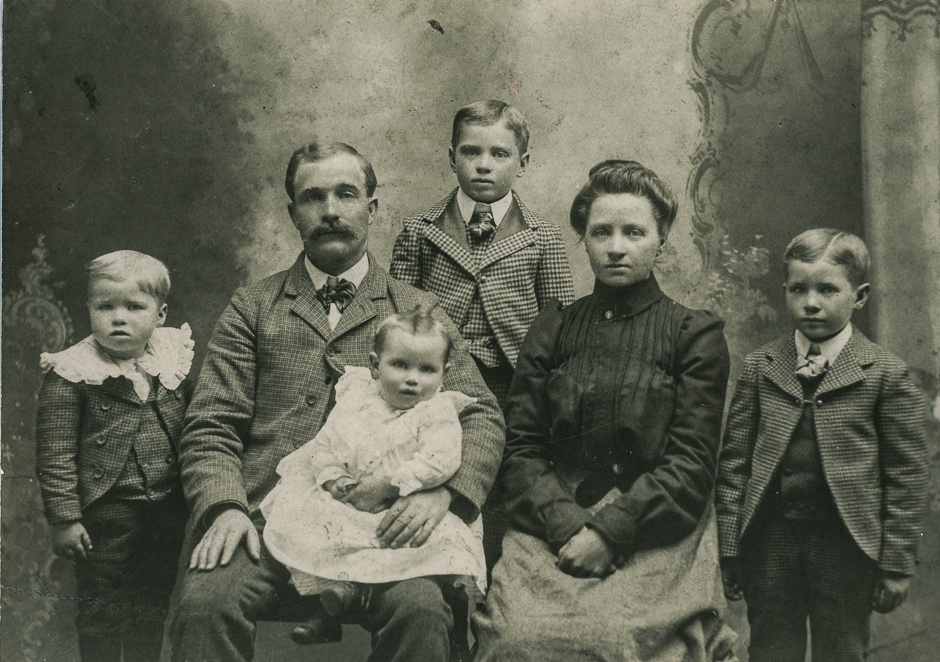
The Industrial revolution created a new ____________ class.
Upper
Poor
Lower
Middle

In which European country did the Industrial Revolution begin?
France
Great Britain
Prussia
Spain

Some of the machines invented in the 18th and 19th centuries are:
telephones, geographic positioning system, radios, airplanes
steam engine, railroads, flying shuttle, phonograph, steam ships, light bulb
sailboats, automobiles, wheel barrels, clocks, word processors
automatic washer, hair dryer, rockets, space shuttles
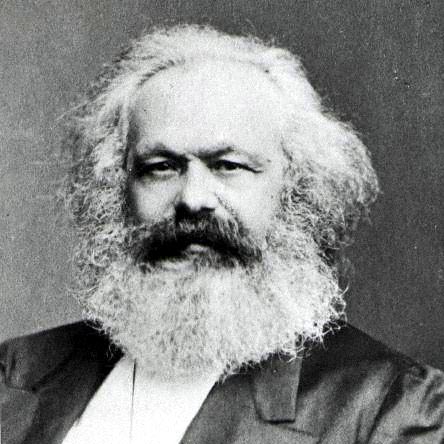
__________________ predicted a violent revolution that would result in the working class taking over in a classless political and economic systems known as communism.
John Adams
Thomas Smith
Karl Marx
Edward Jenner

The Steam engine
was originally invented to pump water out of coal mines
originally used petroleum to function
was originally invented to improve transportation
originally used electricity to function
Which statement best describes a major reason that the Industrial Revolution began in Great Britain?
A strong union movement was able to secure good working conditions and high wages for factory workers.
Industries were owned by the national government.
Cities could easily accommodate the migration of people from rural to urban areas.
Sufficient coal and iron ore reserves and a good transportation system were available.
Which geographic feature most aided England during the Industrial Revolution?
natural harbors
monsoon winds
mountainous terrain
desert climate
Transportation in the 1800s was revolutionized by the development of the
caravel
steam engine
astrolabe
airplane
The invention of spinning and weaving machinery increased the number of workers in the textile industry in Europe because
the early textile machines could not produce goods as efficiently as hand labor
the unions required that more workers be hired to maintain the machines
the demand for goods increased as goods became cheaper to produce
laws prohibited women and children from working with machinery
The breakdown of traditions, increased levels of pollution, and the expansion of slums are negative aspects of
militarism
collectivization
pogroms
urbanization
Increased agricultural production in England in the late 1700s contributed directly to
the development of a worldwide communications network
a decrease in the power of the monarch
the introduction of manorialism
an increase in life expectancy

Which conclusion is best supported by the information on the map?
England's natural resources led to the growth of industrial cities.
People emigrated from Great Britain because of pollution.
Great Britain's prosperity unified the people.
In 1830, England had an unfavorable balance of trade.
What was one reason the Industrial Revolution began in Great Britain?
Abundant natural resources were available in Great Britain.
The practice of serfdom in Great Britain provided an abundance of laborers.
Great Britain had alliances with most European countries.
The government of Great Britain implemented a series of five-year plans.
In the early days of the Industrial Revolution, which item was manufactured in great numbers at newly built factories?
textiles
industrial machines
cars
household goods like cookware
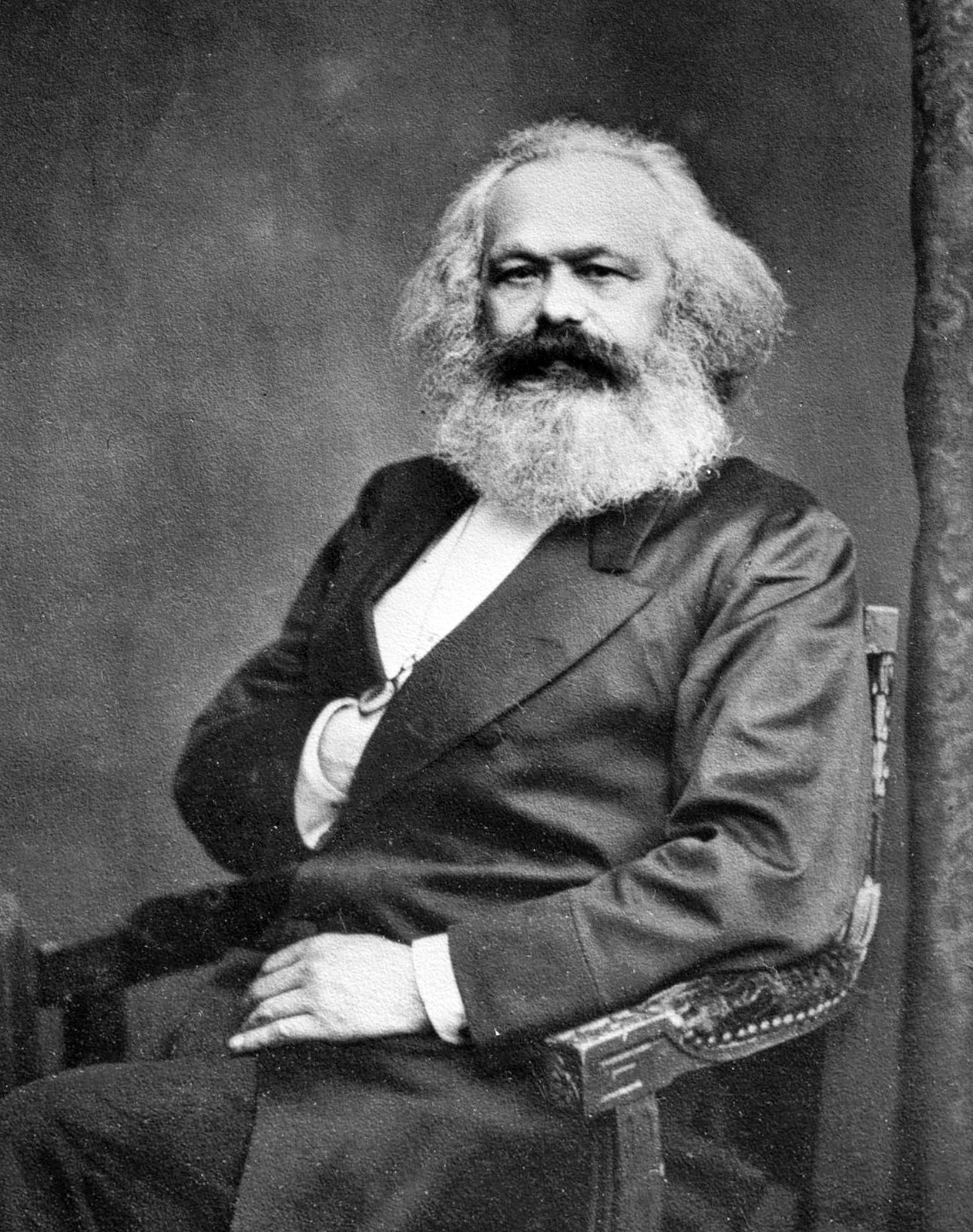
Karl Marx spelled out how he believed that workers should rise up against factory owners, outlining the basic principles of
capitalism
socialism
communism
command economies

The early Industrial Revolution workers faced all these conditions EXCEPT:
miserable working conditions
dangerous working conditions
minimal pay for long hours
control over seasonal schedule

What was the most important source of power for the early Industrial Revolution?
the steam engine
animals
the windmill
the dynamo

What natural resources gave Great Britain an advantage in the Industrial Revolution?
water and forests
wildlife and precious gems
coal and iron
good harbors

Which industry did the Industrial Revolution first take hold in Great Britain?
textiles
iron production
agriculture
transportation

What invention made possible the growth of railroads?
the spinning jenny
the factory
macadamized roads
the steam locomotive

Steam engines could be made with stronger iron when:
more trees were cut down for fuel.
coal replaced wood for fuel.
railroads carried passengers.
steamships were developed.
Until 1819, which statement was true?
Children were not allowed to work in the mines during the Industrial Revolution
Work conditions were closely regulated
There were no labor laws that prevented children from working
Children were allowed to work but they were treated fairly.
The new form of housing lots of people in one small space was called...
an apartment building
a track home
a tenement
a mobile home
An idea opposing governmental interference in economic affairs beyond the minimum necessary for the maintenance of peace and property rights
Capital
Proletariat
Mass Production
Laissez Faire
An industry whose labor force consists of family units or individuals working at home with their own equipment
Cottage Industry
Assembly Line
Capitalism
Mass Production
The class of industrial wage earners who, possessing neither capital nor production means, must earn their living by selling their labor.
Proletariat
Bourgeoisie
Entrepreneur
Karl Marx
The ruling class of the two basic classes of capitalist society, consisting of capitalists, manufacturers, bankers, and other employers.
Proletariat
Bourgeoisie
Entrepreneur
Adam Smith
Economic system were central government owns all property and controls all aspects of the economy.
Socialism
Capitalism
Communism
Feudalism
Economic system were businesses are privately owned and goods and services are sold for a profit. Also called a free-market economy.
Capitalism
Socialism
Communism
Feudalism
Author of An Inquiry into the Nature and Causes of the Wealth Of Nations (1776), one of the most influential books ever written.
Karl Marx
Adam Smith
Isaac Newton
Martin Luther
What is the policy of when a stronger/larger nation takes over a smaller/weaker nation?
industrialization
imperialism
alliances
What were two reasons for why countries began to imperialize?
natural resources and new markets
gold and glory
new machinery and labor force
Which areas were taken over during imperialism? (check all that apply)
Austrialia
Africa
Asia
North America
China and Britain fought a war over:
the Korean peninsula
conquests along the Nile River
opium production and distribution
the elimination of the samurai
To say that foreign countries seized “spheres of influence” in China means that they...
had secret agreements with the Chinese government.
created a new territorial government to prevent the U.S. from entering the trade market.
gained control of trade and resources in specific areas of China.
established a circular discussion forum.
Which foreign policy allowed for multiple nations to trade with China?
Open Door Policy
Dollar Diplomacy
Moral Diplomacy
Big Stick Policy
The policy of a larger, more powerful nation taking over a smaller, weaker nation is
Imperialism
nationalism
exploration
Which two were things Industrialized countries needed from those areas they imperialized?
raw materials and markets
markets and government positions
raw materials and trade routes
Which of these best describes the Scramble for Africa?
Imperialist powers sliced Africa amongst themselves by drawing borders on a map
Diplomats worked with tribal leaders to determine how to colonize countries in Africa
European countries worked to finance capital expansion in African nations through loans.
The United States used the Roosevelt Corollary to prevent nations from colonizing Africa.
Why were the Opium Wars significant?
It forced China to change to a democratic government
It forced Great Britain to recognise the importance of Confucian values
It forced China to open its doors to trade with the western world
It forced Great Britain to open its doors to trade with the Qing dynasty.
The title given to the ruler of Japan during their period of isolationism
Shogun
Emperor
Czar
Samurai
These were regions of China in which Britain, France and others dominated trade and investment.
Extraterritorial rights
Spheres of influence
Boxer Rebellion
Guangxu
This armed protest, which was a violent reaction to foreign influence in China, was defeated.
Spheres of Influence
Taiping Rebellion
Opium War of 1839
Boxer Rebellion
Commodore Matthew Perry was?
American
British
Germen
French
Who did the Japanese adapt elements from to create a strong central government?
Western Powers
Middle Eastern Powers
Eastern Powers
African Powers

What does isolationism mean?
to be open to trading
a form of economic protectionism.
a strategy of military defense.
to be shut off from the world
What did the Treaty of Kanagawa NOT do?
Open two ports for provisioning American ships
Provide humane treatment for shipwrecked sailors
Allow China to invade Japan


Who was the figurehead of power in Japanese society?
Emperor
Shogun
Daimyo
Samurai
Peasants

Who was the military general that ruled in Japan in the Emperor's name?
Emperor
Shogun
Daimyo
Samurai
Peasants

These were powerful lords that lead armies of samurai in Japan.
Emperor
Shogun
Daimyo
Samurai
Peasants

These were trained warriors served their lords in Japan.
Emperors
Shoguns
Daimyo
Samurai
Peasants

These were the poorer farmers and craftsmen in Japan that provided food and service but had little to no power.
Emperors
Shoguns
Daimyo
Samurai
Peasants
What is the name of China's capital city?
Taiwan
Beijing
Xi'an or Chang'an
Yangzhou
Hong Kong

Who introduced a rigid, hierarchical class system similar to the feudal system from Europe?
Minamoto
Tokugawa Ieyasu
Kublai Khan
Takamori Saigō
The Shogunate system in Japan can best be described as
A. Democratic
B. Authoritarian
C. Feudal
D. Centralized

