
Font size
 Worksheets
Sensitivity. Plant movement. Ear and eye.
Total questions: 82
Worksheet time: 47mins
What is the movement of mobile cells called?
Tropism
Nastic movement
Phototaxis
Taxis
Which type of movement do plant organs exhibit to orient themselves according to the direction of the stimulus source?
Nyctonasty
Tropisms
Thigmonasty
Taxis
What is the characteristic of nastic movements in plants?
Orientation according to the stimulus source
Dependence on the intensity of the stimulus
Dependence on the direction of a particular stimulus
Lack of orientation
What is the movement of plant organs in response to touch called?
Nyctonasty
Phototaxis
Thigmonasty
Tropisms
Which type of neuron carries information from sensory organs to the spinal cord and brain?
Afferent neuron
Efferent neuron
Sensory neuron
Motor neuron
What is the function of the afferent (sensory) neuron?
Carry information to muscles from brain and spinal cord
Transmit a signal to a sensory nerve
Take information from sensory organs to spinal cord and brain
Respond to light, heat, or other external stimulus
What is a receptor in the context of animal sensitivity?
Cell able to respond to light, heat, or other external stimulus and transmit a signal to a sensory nerve
Movement of mobile cells
Nervous cell
Type of neuron
What is the movement of spermatozoa towards the female sex cells due to the substances they produce called?
Nastic movement
Phototaxis
Taxis
Tropisms
Which type of movement do plants exhibit in response to dark conditions?
Tropisms
Phototaxis
Nyctonasty
Thigmonasty
What is the function of efferent (motor) neuron?
Take information from sensory organs to spinal cord and brain
Transmit a signal to a sensory nerve
Carry information to muscles from brain and spinal cord
Respond to light, heat, or other external stimulus
What is the movement of plant organs in response to light called?
Phototropism
Tropisms
Thigmonasty
Nyctonasty
What is the function of a motor neuron?
Take information from sensory organs to spinal cord and brain
Carry information to muscles from brain and spinal cord
Transmit a signal to a sensory nerve
Respond to light, heat, or other external stimulus
What is the movement of plant organs in response to the direction of a particular stimulus called?
Phototaxis
Tropisms
Taxis
Nastic movement
What is the cell able to respond to light, heat, or other external stimulus and transmit a signal to a sensory nerve called?
Receptor
Neuron
Motor cell
Sensory organ
The plant root has
positive gravitropism
positive phototropism
negative gravitropism
negative phototropism
positive gravitropism
negative phototropism
negative gravitropism
positive phototropism
The plant stem has
positive gravitropism
positive phototropism
negative gravitropism
negative phototropism
positive gravitropism
negative phototropism
negative gravitropism
positive phototropism
What is a receptor?
A cell that responds to external stimulus
A cell that transmits signals to the brain
A cell that responds to heat
A cell that responds to light
Which layer of the eye consists of sclera and cornea?
Inner layer
Outer layer
None of the above
Middle layer
What is the function of the ciliary body in the eye?
Protects the eye from damage
Transfers information to the brain
Holds the lens in the eye
Brings nutrients for the eye
Which cells in the retina receive information from outside and transfer it to the brain?
Optic nerve
Rods
Cones
Receptors
What is the main function of rods in the eye?
Distinguish color
Work mostly during the day
Receive information from outside
Sensitive to light
What is the main function of cones in the eye?
Sensitive to light
Work mostly during the night
Give color vision
Hold the lens in the eye
How many types of cones are there in the eye?
Two
One
Four
Three
What is the role of an ophthalmologist?
Expert in diagnosing and treating ear diseases
Expert in diagnosing and treating eye diseases
Expert in diagnosing and treating heart diseases
Expert in diagnosing and treating skin diseases
What is astigmatism?
A condition in which the cornea is too curved
A condition in which the cornea has an abnormal curvature
A condition in which the cornea is transparent
A condition in which the cornea is flat
What is the function of the cornea in the eye?
Holds the lens in the eye
Protects the eye from damage
Transfers information to the brain
Brings nutrients for the eye
What is the function of the iris in the eye?
Holds the lens in the eye
Brings nutrients for the eye
Protects the eye from damage
Gives eye coloring pigments
What is the function of the choroid in the eye?
Gives eye coloring pigments
Protects the eye from damage
Brings nutrients for the eye
Holds the lens in the eye
What is the main function of the pupil in the eye?
Allows light to enter the eye
Holds the lens in the eye
Protects the eye from damage
Gives eye coloring pigments
What is the main function of the lens in the eye?
Allows light to enter the eye
Transfers information to the brain
Holds the iris in place
Focuses incoming light
The structure of the eye is shown in picture below. Label the hidden parts
Optic nerve
Retina
Choroid
Ciliary body
Iris
Sclera
Cornea
Pupil
Lens
The ability of the eye lens to adjust its focal length is called
Accommodation
Accomplish
Composition
None of the above
Myopia and Hypermetropia can be corrected by
Concave and plano-convex lens
Concave and convex lens
Convex and concave lens
Plano-concave lens for both defects.
this problem arises due to foggy or cloudy lens .
presbyopia
myopia
cataract
hypermetropia
A person who suffers from long-sightedness is unable to see ______ objects clearly.
left
right
near
far
Near objects appear blurry for a person who suffers long-sightedness because the image is focused ________ the retina.
at the side
away from
in front of
behind

This eye defect can be corrected with which type of lense?


1. What is the function of the outer ear?
Collect and direct sound waves into the ear canal
Regulate body temperature
Store memories
Filter out harmful bacteria
2. Which part of the ear is responsible for maintaining balance?
Eardrum
Cochlea
Vestibular system
Auditory nerve
4. What is the function of the cochlea in the ear?
Regulate body temperature
Convert sound vibrations into electrical signals
Detect light waves
Produce earwax
5. Which part of the ear is responsible for converting sound waves into electrical signals?
cochlea
eardrum
retina
cerebellum
6. Label the parts of the ear: Pinna, Ear Canal, Eardrum, Cochlea, Auditory Nerve
Pinna, Ear Canal, Eardrum, Cochlea, Auditory Nerve
Pinna, Ear Canal, Eardrum, Stapes, Auditory Nerve
Eye, Ear Canal, Eardrum, Cochlea, Auditory Nerve
Pinna, Ear Canal, Eardrum, Nose, Auditory Nerve
7. What is the purpose of the semicircular canals in the ear?
Filtering sound waves
Regulating body temperature
Maintaining balance and orientation
Enhancing sense of taste
8. What is the role of the auditory nerve in the hearing process?
Producing sound waves in the inner ear
Transmitting electrical signals from the inner ear to the brain
Regulating the balance of fluids in the ear
Filtering out unnecessary background noise
9. Which part of the ear is responsible for amplifying sound waves?
Outer ear
Nose
Inner ear
Middle ear
10. What is the function of the middle ear?
Transmit sound
Aid in digestion
Store excess sound waves
Regulate body temperature
12. How does the inner ear help with balance?
It regulates body temperature
It helps with taste perception
It assists with breathing
It contains the vestibular system, which detects changes in head position and movement.
13. What is the function of the auditory cortex in the brain?
Controlling muscle movement
Storing long-term memories
Processing auditory information
Regulating body temperature
14. What is the role of the eustachian tube in the ear?
Aid in sound amplification
Filter out dust and debris
Regulate body temperature
Equalize air pressure
Label the ear structure in picture below
Cochlea
Eustachian tube
Ear ossicles
Eardrum
Outer ear
Middle ear
Inner ear
Auditory canal

What does the fluid inside your ears do?
Vibrates the skin in your ear
Sends sound waves to the brain
Vibrates the cilia (tiny hairs).
Name one substance that is present in the urine of a healthy human being.
Plasma proteins
Red blood cells
Glucose
Urea
The functional unit of the kidneys which includes the glomerulus, Bowman's capsule, tubules and the Loop of Henle.
Malpighian body
renal tubule
renal corpuscle
nephron
A short tube where urine is released from the body is the _______.
Ureter
Calyx
Collecting duct
Urethra
Which organ of the excretory system stores urine until the body is ready to eliminate it?
ureters
urethra
urinary bladder
renal pelvis
During which process is 99% of the water returned to the blood vessels?
Filtration
Secretion
Reabsorption

The arrow points to this structure
bowman's capsule
glomerulus
loop of henle
renal arteriole

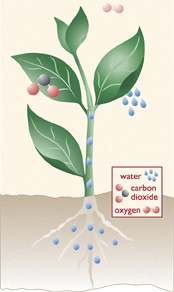
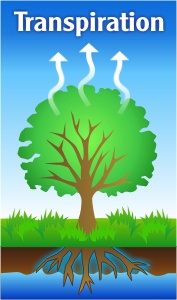
What does xylem transport?
Water and minerals
Water only
Sugar
Food
What is the stomata?
Opening which evaporates water
Tube-like structure which transports water
Tissue which transports organic molecule
Cell which produces water
Transpiration rate is _______ when the stomata are ______
higher/open
lower/closed
higher/closed
lower/open

When water TRANSPIRES from the stoma into the atmosphere, what phase is it in
Solid
Liquid
Gas

Why is the evaporation of water from leaves important?
It cools leaves and helps move water up the plant.
It makes the plant wilt
It helps the plant to respire

This experiment proves that ......
Transpiration helps in the water ascent
Transporting of water through xylem
Transpiration occurs by plants
Guttation occurs by plants
Which of the following available in air is the raw material for photosynthesis
Hydrogen
Carbon dioxide
Oxygen
hydrogen
The function of hydathode is to cause
transpiration
photosynthesis
guttation
bleeding
A nitrogen waste resulting from the breakdown of the amino acids produced during protein digestion.
carbon dioxide
bile
urea
water
homeostasis
ecosystem of environment
constant environment inside body (bdoy balance)
environment statistics
static home animals relationship with human

blood vessel that brings blood to the kidney
vena cava
capillaries
renal artery
arterial veins
renal vein

