wayground logo

Free Printable Worksheets

NEW

Font size

S
M
L
XL
Worksheets

SSA Trigger REview Earth

Total questions: 31

Worksheet time: 22mins

Name
Class
Date
1.
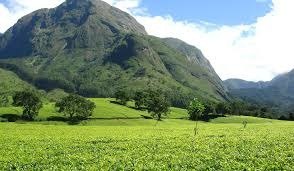
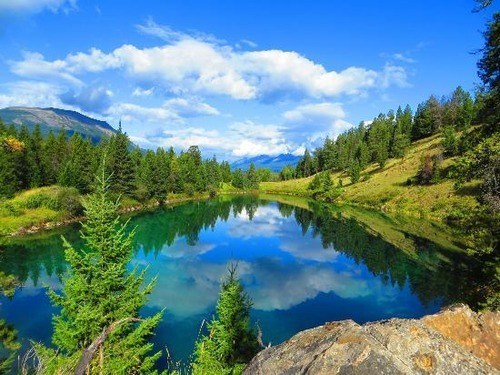
What is a natural physical feature on Earth's surface?   
a)
river
b)
glacier
c)
mountain
d)
landform
2.
The outline or shape of a coast or the boundary between land and a lake or ocean is called a
a)
dune
b)
mountain
c)
coastline
d)
delta
3.
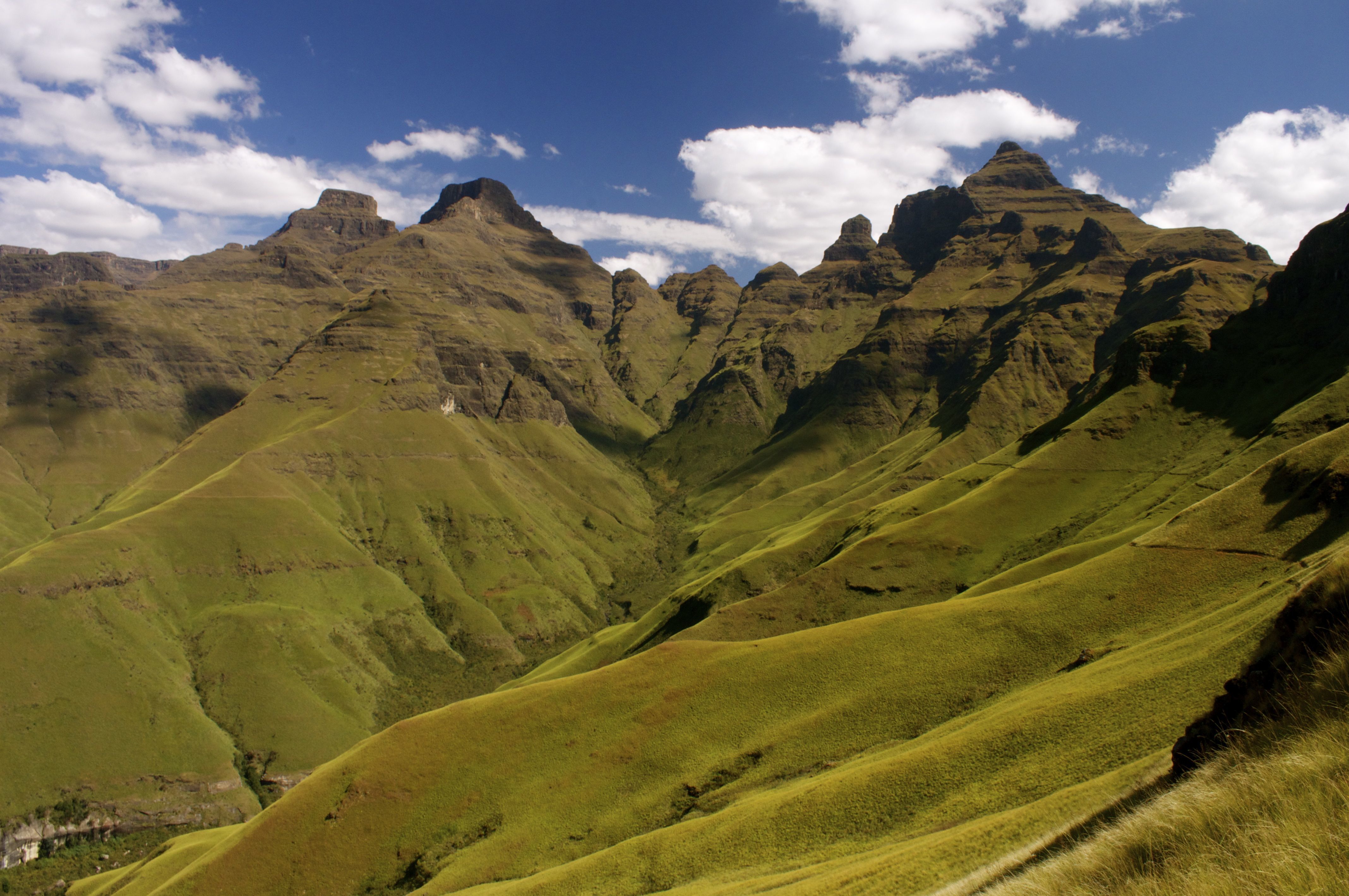
What type of landform has a large, natural rise in elevation that has steep sides and is taller than a hill?
a)
glacier
b)
dune
c)
hill
d)
mountain
4.
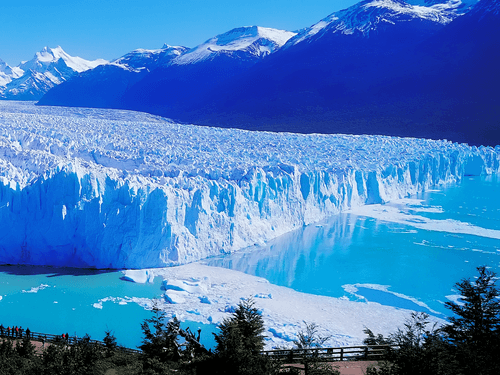
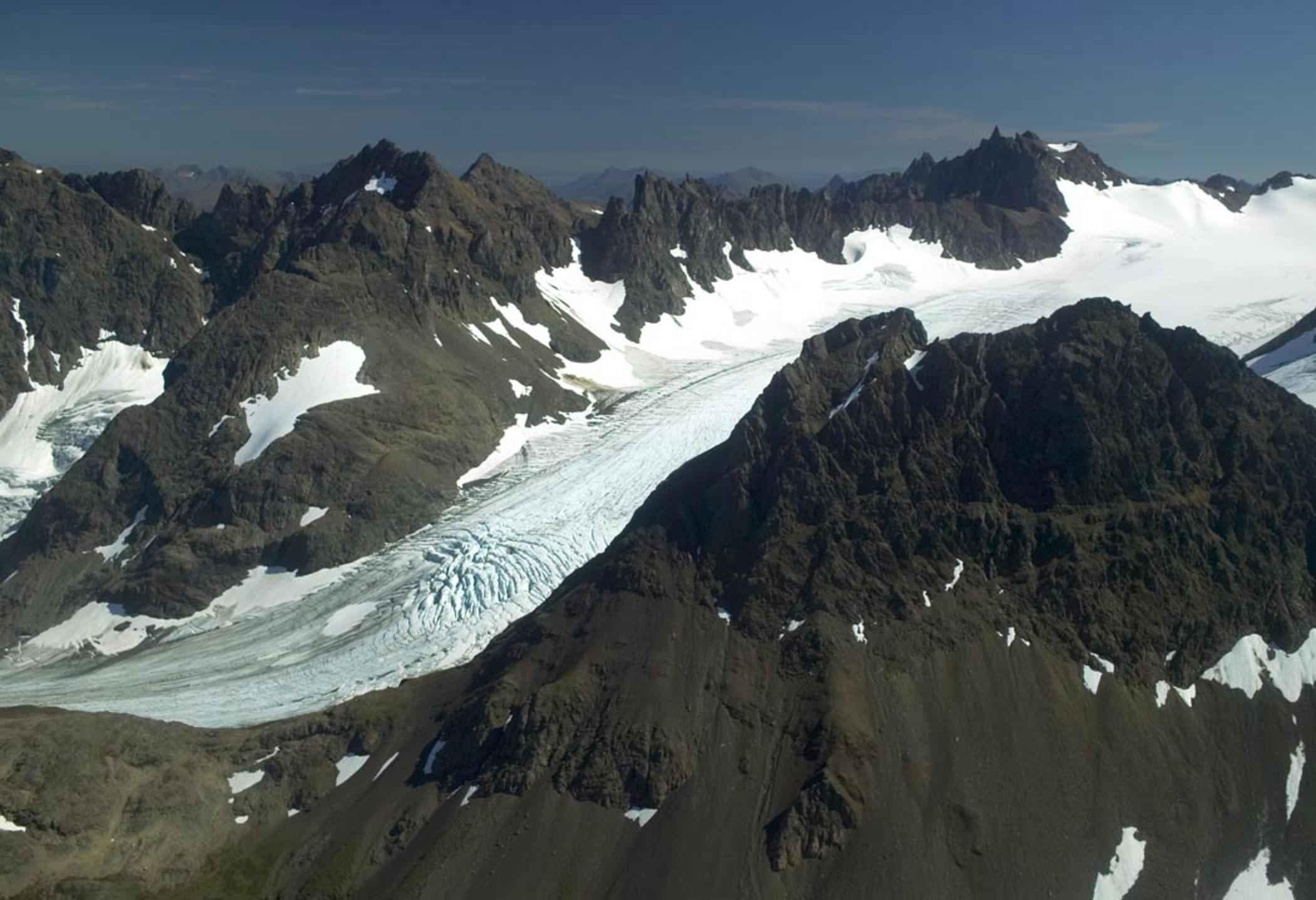
What is a glacier?
a)
hills formed by the wind blowing sand
b)
a huge mass of ice that formed from accumulated and compacted snow that slowly moves down a slope
c)
A large body of water with land all around it
d)
The outline or shape of a coast or the boundary between land and a lake or ocean
5.
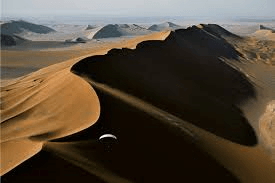
Hills formed by the wind blowing or depositing sand are called
a)
dunes
b)
rivers
c)
lakes
d)
mountains
6.
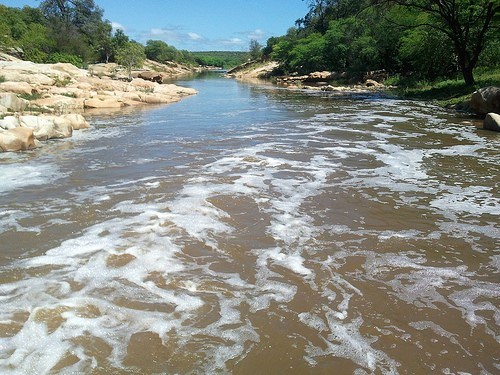
What is a river?
a)
a natural physical feature on Earth's surface   
b)
The outline or shape of a coast or the boundary between land and a lake or ocean
c)
a wide body of slowly moving water; a natural flow of water that follows a path into another body of water
d)
a huge mass of ice that formed from accumulated and compacted snow that slowly moves down a slope
7.
A large body of water with land all around it is called a 
a)
ocean
b)
river
c)
stream
d)
lake
8.
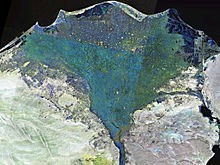
What is a delta?
a)
a huge mass of ice that formed from accumulated and compacted snow that slowly moves down a slope
b)
a wide body of slowly moving water; a natural flow of water that follows a path into another body of water
c)
a triangle-shaped (deposit) landform at the mouth of a river as it empties into another body of water
d)
The outline or shape of a coast or the boundary between land and a lake or ocean
9.
Sand dunes are mostly found in what landforms?
a)
rivers and oceans
b)
streams and lakes
c)
mountains and glaciers
d)
coastlines and deserts
10.
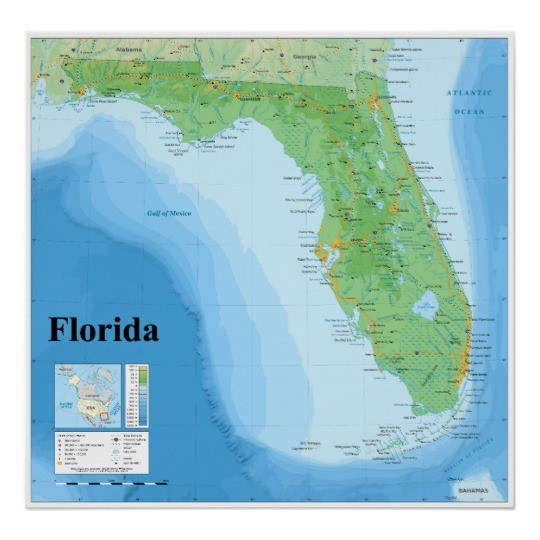
These landforms are NOT found in Florida
a)
mountains and glaciers
b)
coastlines and sand dunes
c)
rivers and lakes
d)
deltas
11.
Mountains and glaciers produce
a)
limestone
b)
sediment
c)
castles
d)
stone
12.
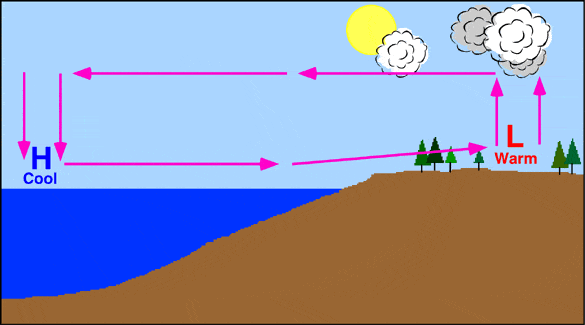
Is this a land or a sea breeze?
a)
land breeze
b)
sea breeze
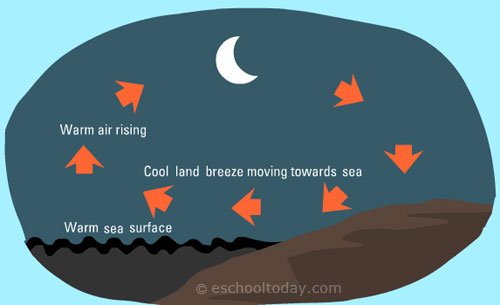
13.
Is this a land or a sea breeze?
a)
land breeze
b)
sea breeze
14.
How does the air move in a land breeze?
a)
From east to west
b)
From west to east
c)
From the land to the ocean
d)
From the ocean to the land
15.
How does the air move in a sea breeze?
a)
wind moves from north to south
b)
wind moves from ocean to the land
c)
wind moves from the land to the ocean
d)
wind moves from south to north
16.
Why do land breezes occur at night?
a)
Land cools off slower than water, so the air above water is cooler.
b)
Water cools off faster than land, so the air above land is warmer.
c)
Land heats up slower than water, so the air stays cooler during the day.
d)
Water cools off slower than land, so the air above water is warmer.
17.

This sphere contains all of the solid water on Earth

a)

Hydrosphere

b)

Biosphere

c)

Atmosphere

d)

Geosphere

e)

Cryosphere

18.

Body of air surrounding our planet.

a)

Hydrosphere

b)

Biosphere

c)

Atmosphere

d)

Geosphere

e)

Cryosphere

19.

This sphere is composed of all the living things

a)

Hydrosphere

b)

Biosphere

c)

Atmosphere

d)

Geosphere

e)

Cryosphere

20.

Composed of all the water on or near the earth

a)

Hydrosphere

b)

Biosphere

c)

Atmosphere

d)

Geosphere

e)

Cryosphere

21.

This sphere includes the continents, the ocean floor, all the rocks on the surface, and all of the sand in the deserts.

a)

Hydrosphere

b)

Biosphere

c)

Atmosphere

d)

Geosphere

e)

Cryosphere

22.

(aka tectonic plate) one of the very large sections of hard, solid rock that make up Earth's outer layer/ (también conocido como placa tectónica) una de las muy grandes secciones de roca dura y sólida que forman la capa externa de la Tierra

a)

plate/ placa

b)

surface/ superficie

c)

continent/ continente

d)

trench/ fosa

23.

moving toward the same place or moving closer together/ que se mueven hacia el mismo lugar

a)

divergent/ divergente

b)

subduction/ subducción

c)

convergent/ convergente

d)

rifting/ fracturación

24.

moving apart in different directions or moving away/ que se mueven y se separan en diferentes direcciones o alejarse

a)

divergent/ divergente

b)

convergent/ convergente

c)

earthquake/ terremoto

d)

plate boundary/ límite de placas

25.

(aka: outer layer) The thin, outermost layer of the Earth above the mantle made of hard, solid rock/ (también conocido como: capa externa) La capa delgada y más externa de la Tierra sobre el manto hecha de roca dura y sólida.

a)

landform/ accidente geográfico

b)

crust/ corteza

c)

surface/ superficie

d)

outer layer/ capa externa

26.
A metal spoon getting heated by contact with hot coffee in a mug is heat transfer by ______. 
a)
conduction
b)
convection
c)
radiation
d)
hydration
27.
The cycle of hot, less-dense stuff rising; & cold, more-dense stuff  sinking is heat transfer by _____. 
a)
conduction
b)
convection
c)
radiation
d)
hydration
28.
Feeling the warmth of the sun’s rays beating down on your skin is an example of heat transfer by ___. 
a)
conduction
b)
convection
c)
radiation
d)
hydration
29.
The ___ _____  coming from the land made the air above the lake feel a little bit more chilly after our night swim.
a)
jet stream
b)
ultraviolet light
c)
sea breeze
d)
land breeze
30.
The _______ forecast calls for partly cloudy skies and freezing temperatures for the rest of this week.
a)
climate
b)
weather
c)
hydrosphere
d)
solar system
31.
The Continental Polar ____ ____ is very dry & cold; but the Maritime Tropical is warm & moist.
a)
climate
b)
air mass
c)
front
d)
back