
 Worksheets
Habitats Test Review
Total questions: 80
Worksheet time: 1hrs 21mins
The desert habitat is __________ and __________.
hot and wet
dry and cold
dry and hot
diverse and cool
The (a) habitat has lots of rain and monkeys that live there.
A (a) is a place where a plant or animal lives.
(a) are wide, open areas of land filled with low plants like grasses and wildflowers.
A change made by a living thing in order to help it survive is called an (a) .
Different kinds of living things in one place (plants / animals) are called (a) .
A very cold habitat is called the (a) .
Which picture shows a habitat?


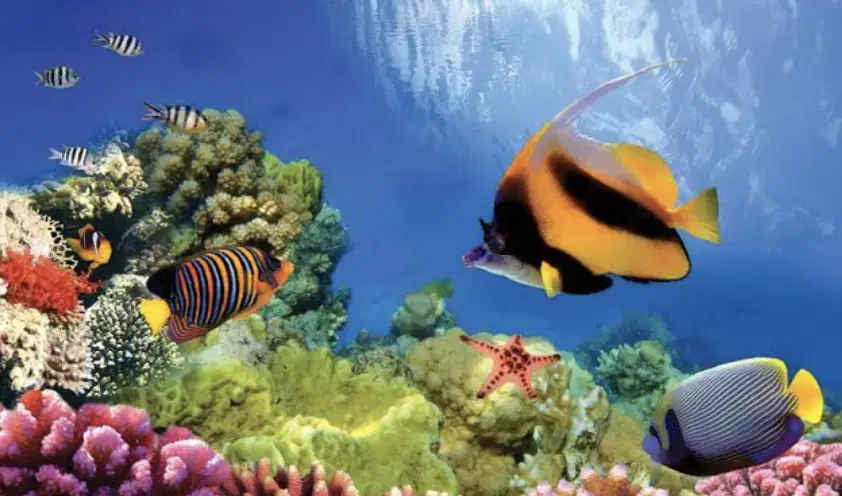
Which habitat is shown in the picture?
(a)
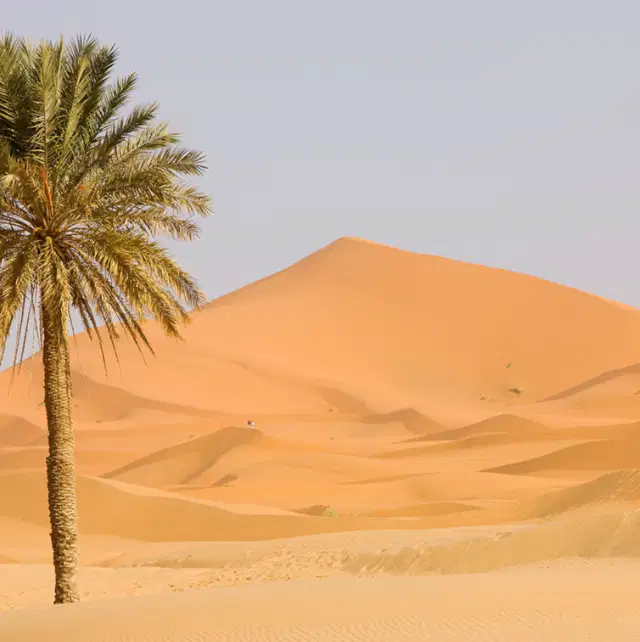
Which habitat is shown in the picture?
(a)
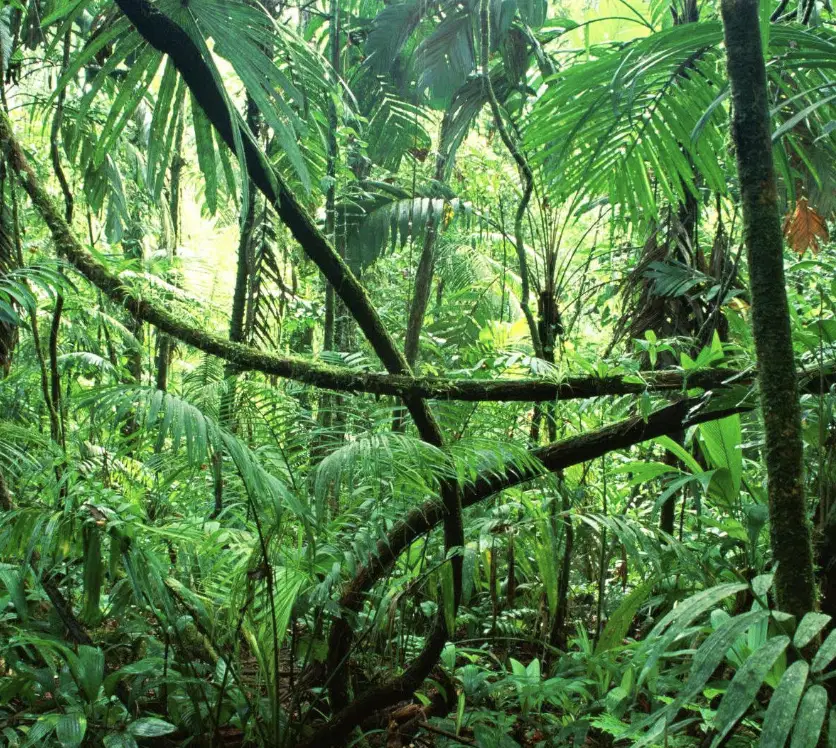
Which habitat is shown in the picture?
(a)
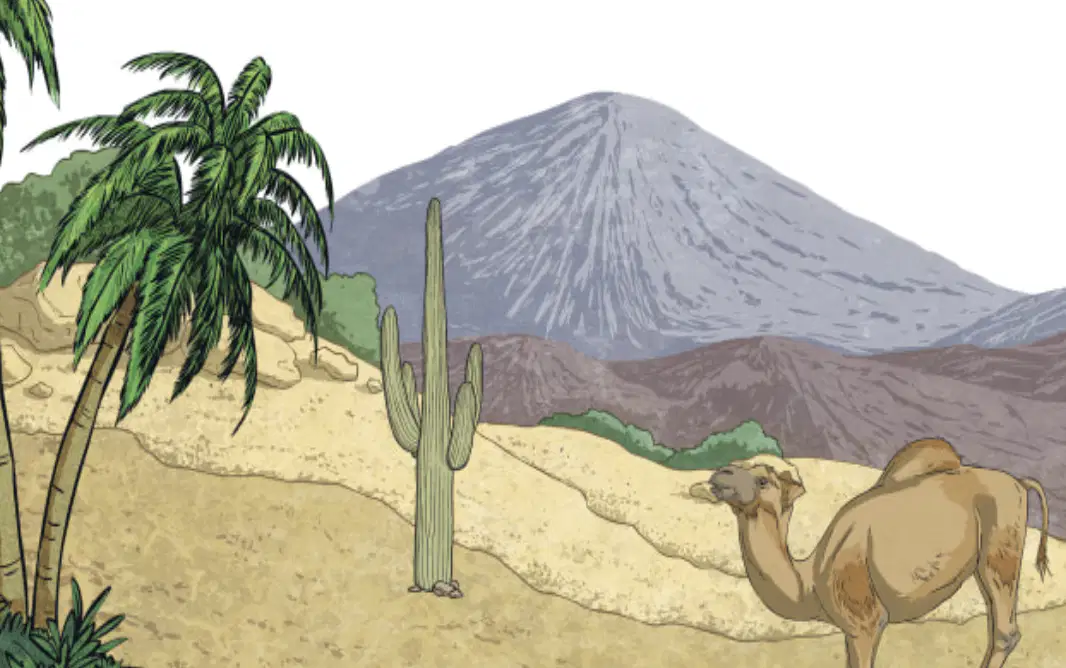
Which plant adaptation is best for this habitat?
flowers that can bloom in cold temperatures
roots that grow in frozen soil
roots that grow in wet soil
leaves that store water
A small animal likes to eat grasses and bushes. It can survive when it is warm or cold. Where does this animal most likely live?
desert
forest
prairie
tundra
How is a marsh different from a swamp?
A marsh is wetter than a swamp.
A marsh has more diversity than a swamp.
A marsh has fresh water. A swamp has salty water.
A marsh has plants that are like grasses. A swamp has plants that are like trees.
What is a habitat?
A place where only animals live
A large area of water
A place where plants and animals live and grow
A type of animal
Which of the following habitats would you most likely find a cactus in?
Rainforest
Desert
Ocean
Arctic Tundra
Wetlands provide habitats for many living things because of their sheltered waters and
large supply of nutrients
thick layers of mud
lack of insects
ability to prevent floods
Which of the following groups of animals would you most likely find living in a desert habitat?
Polar bears, seals, penguins
Camels, scorpions, lizards
Dolphins, sharks, whales
Frogs, alligators, water lilies
What type of habitat do fish live in?
Desert
Ocean
Forest
Mountain
In which habitat would you find animals such as frogs, snakes, and alligators?
Desert
Wetlands
Arctic
Mountains
What is the main reason animals are adapted to their habitats?
To find food more easily
To protect themselves from predators
To survive and reproduce
To migrate easily
Which of the following are main land habitats?
Choose all that apply.
forests
ocean
deserts
tundras
Which of the following are main water habitats?
Choose all that apply.
wetlands
ocean
streams
grasslands
Prairie dogs, wolves, turkeys, eagles, weasels, bobcats, foxes, and geese live in (a) .
A (a) is a hot, dry habitat that gets a lot of sun and little water.


There are many kinds of plants and animals in the Tundra.
True
False
In the _____________ it is cold and windy.
Tundra
Desert
Rain forest
Forest
In the ______________ it is hot and wet.
Artic
Desert
Rain forest
Grasslands

The pictures show two snakes. The coral snake is venomous. The milk snake is not venomous. How does looking almost exactly like the coral snake help the milk snake?
It helps the milk snake find prey easily.
It helps the milk snake move very quickly.
It helps the milk snake blend into its environment.
It helps the milk snake keep predators away because it looks like a dangerous snake.
The body of a fish is covered in scales, a bird's body is covered in feathers, and a rabbit has fur all over. What do scales, feathers, and fur have in common?
They are all help the animals camouflage into their habitats.
They all help the animals move.
They are all protective features that keep bodies of the animals safe.
They all have the same texture or feeling.

The diagram below shows an armadillo and a turtle. What adaptations do these two organisms have in common that are helpful for survival?
protective outer armor to protect against predators
long tails to use in defense against predators
long claws for climbing
large ears for hearing

The picture shows a Georgia bobcat, which lives in the mountain regions of Georgia. The bobcat has wide paws and sharp claws to help it
travel quickly across sandy ground.
stay balanced on the rocky terrain.
avoid getting stuck in the thick mud.
swim across long distances for food.
The coast of Georgia has very few trees but a lot of wet sand and water. Which feature would best help an animal survive in this environment?
large ears
thick fur
webbed feet
sharp claws
Many plants have leaves that have a waxy covering called a cuticle. Plant roots do NOT have a cuticle. Based on this information, what is the most likely function (job) of the cuticle?
to keep insects away
to provide shape to the plants
to prevent (stop) water loss
to absorb nutrients
The mountain region of Georgia can have cold temperatures and get a lot of snow. Which feature most helps an animal to live in this habitat?
long legs
thick fur
large ears
sharp claws
How do the webbed feet of the alligator help it survive in its habitat?
They allow the alligator to grab food quickly.
They help the alligator cool off in hot weather.
They help the alligator swim fast to catch its food
They make it easier for the alligator to climb trees.


What animals would you find in this habitat?
shrimp, fish, whales
salmon, tadpoles, bears
alligators, turtles, cranes

What is a desert habitat?
A very dry place with little rain
A very wet place with lots of rain
A very dry place with lots of rain
A very wet place with little rain

What animals live in the desert?


What kinds of plants grow in the desert?


How is the desert habitat similar to the ocean habitat?
The desert habitat and the ocean habitat have animals.
The desert habitat and the ocean habitat have plants.
The desert habitat and the ocean habitat have animals and plants.
None of the above

How is the desert habitat different than the ocean habitat?
There is no difference between the desert habitat and the ocean habitat.
The desert habitat is different than the ocean habitat because it is beautiful.
The desert habitat is different than the ocean habitat because it is ugly.
The desert habitat is different than the ocean habitat because it is dry with very little water.
Animal(s) I can find in the desert would be:
cougar
puma
camel
lizard
coyote
Where can you find grasslands? Choose the most correct answer.
Everywhere except Antartica
Asia
America
Antartica
What three things make up a habitat?
food
water
shelter
air
family
An adaptation helps an animal survive in its habitat. Which adaptation best allows an alligator to catch small mammals?
Its tail because it is strong and powerful.
Its long snout because it can reach them easier.
Its long teeth catch the animals quicker and easier.
Its color blends in with the murky water so small mammals will not see it coming.

Which habitat is the home for a polar bear?
Tundra
Grassland
Desert
Wetland

Which habitat is home to a great white shark?
Wetland
Ocean
Tundra
Grassland

What are TWO animals that live in a grassland habitat?
Dolphin
Monkey
Zebra
Elephant

What does a wetland habitat look like?
A lot of fresh water and plants
Dry and no trees
Completely under water
Covered in snow and ice
Imagine Liam and Ethan are planning a trip to the Sahara. What characteristic should they expect from the Sahara's habitat?
Lots of rain
Very cold temperatures
Very little rainfall
Large bodies of water
What is the largest habitat in the world?


In which habitat would you find animals such as frogs, snakes, and alligators?
Desert
Wetlands
Arctic
Mountains
Which habitat is characterized by very low temperatures, snow, and ice?
Desert
Rainforest
Tundra
Grassland
What type of habitat do lions primarily live in?
Forests
Grasslands
Deserts
Mountains
Which habitat is characterized by large areas of trees and underbrush where various forms of wildlife live?
Desert
Forest
Tundra
Ocean
Which of the following is NOT a characteristic of a desert habitat?
High temperatures during the day
Very little rainfall
Dense forests
Sand dunes

Which habitat is the picture showing?
Rainforest
Grasslands
Wetlands
Desert

