wayground logo

Free Printable Worksheets

Font size

S
M
L
XL
Worksheets

Module 11 Westward Expansion Pt. 2

Total questions: 41

Worksheet time: 27mins

Name
Class
Date
1.
The Homestead Act encouraged people to move West because it..
a)
established ranching towns for cattle drivers.
b)
offered free land to those willing to farm it.
c)
offered land to gold prospectors.
d)
promised protection from Native Americans.
2.
Native Americans living on the Great Plains relied on which of the following to meet many of their basic needs?
a)
Cotton
b)
Deer
c)
Buffalo
d)
Gold
3.
Colonel George Armstrong Custer is best known for his..
a)
support of the rights of Native Americans.
b)
disastrous loss in Battle of the Little Bighorn.
c)
defeat of the Sioux and Cheyenne in the Indian Wars.
d)
unsuccessful bid for the presidency.
4.
Settlers moving west did not think the Great Plains were fit for farming because..
a)
only the Spanish and DNative Americans had settled there.
b)
the area recieved little rainfall and had few trees.
c)
the region was home to many dangerous wild animals.
d)
most of the land was too far from existing towns.
5.
The term "sodbusters" refers to..
a)
railroad workers.
b)
Great Plains farmers.
c)
Oklahomans.
d)
cowhands.
6.
Land set aside for Native Americans to live on.
a)
farm cooperative
b)
sooner
c)
Chisholm Trail
d)
reservation
7.
When the mines ran out in Boom-towns and the people moved on it often created ____________
a)
Slow towns
b)
Small towns
c)
Ghost towns
d)
Mini towns
8.
Most farmers on the Great Plains grew ___________ because it could endure the dry conditions
a)
corn
b)
barley
c)
wheat
d)
cotton
9.
Grazing cattle on government property for free with no restrictions was called
a)
open season
b)
open range
c)
open opportunity
d)
open ranching
10.
What act divided up Indian reservations into plots of land to be given to the Indian families?
a)
Hayes Act
b)
Sherman Anti-Trust Act
c)
Bland-Allison Act
d)
Dawes Act
11.
Which individual was on the WINNING side of the Battle of the Little Bighorn?
a)
Sitting Bull
b)
George Custer
c)
Chief Joseph
d)
Jim Thorpe
12.
Settlers were able to claim 160 acres in the Great Plains as a result of the
a)
Homestead Act
b)
Civil Rights Act of 1866
c)
Dawes Act
d)
Wounded Knee Treaty
13.

(a)   : Sturdy cattle accustomed to dry grasslands

14.

Some reasons that a cowboy's life was difficult included:

a)

Their workdays were between 10 and 14 hours

b)

They had to work in all kinds of weather

c)

They only had real work for two seasons

d)

They had constantly clashes with government officials

e)

Native Americans kept stealing their land

15.

What were some reasons as to why the cattle business grew?

a)

the longhorn population increased

b)

growing cities spurred the demand for beef

c)

It was extremely profitable

d)

One could make easy money

e)

there was an abundance of empty land to make money
16.

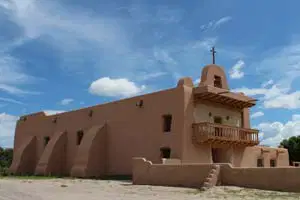
What is a reservation?

a)
A store where Alliance members sold products to each other
b)
An area of public lands set aside for Native Americans
c)
An appeal to common people
d)

Public lands

17.
Which of the following statements best describes the idea of Manifest Destiny?
a)
All Native Americans should live on the land west of the Mississippi River.
b)
The United States should stretch from the Atlantic Ocean to the Pacific Ocean
c)
All American women should have the right to own property
d)
All American citizens should have the right to vote
18.
As Americans took over more and more land, what happened to Native Americans?
a)
They agreed to give up their land.
b)
They were given their choice of where to live.
c)
They were forced to live in reservations.
d)
They voluntarily moved to Canada and Mexico.
19.
What is the top layer of prairie soil called?
a)
lode
b)
sod
c)
homestead
d)
reservation
20.
How did railroads help with trade and economic growth?
a)
They did not help. They just polluted the environment for future generations.
b)
Helped cows eat more grass and grow bigger when they were moved to the train station by the cowboys.
c)
Provided a fast way to get crops and animals to the markets
d)
Provided a way to move the Native Americans farther West at a fast rate.
21.

What linked Omaha, Nebraska to Sacramento, California?

a)

The Santa Fe Trail

b)

The Transcontinental Railroad

c)

Indian reservations

d)

Donner Pass

22.

Land granted to a settler by the US government is called...

a)
Reservation
b)
Colony
c)
Homestead
d)
Utopia
23.

The California Gold Rush, the Homestead Act, and the completion of the Transcontinental Railroad all...

a)

encouraged westward settlement.

b)

are examples of government sponsored transportation programs.

c)

recognized Native American Indian land rights.

d)

promoted the conservation of natural resources.

24.
Little Bighorn...
a)
Was the location of a U.S. military victory against the Plains Indians
b)
Was the leader of the rebel band of Plains Indians
c)
Was the name of a profitable silver mine in Nevada
d)
Was the location of a disastrous U.S. military defeat at the hands of Crazy Horse
25.
How did the completion of the Transcontinental Railroad impact the economy of the West?
a)
It increased competition for local farmers. 
b)
It provided access to new markets for local goods.
c)
It contributed to the decline of urban communities.
d)
It limited the capital available for development.
26.

What happened at the Battle of Little Big Horn?

a)

It was the longest battle ever fought

b)

Custer won, US military victory

c)

Custer and all his soldiers were killed

d)

Forced Native Americans to retreat to Mexico

27.

Apache tribal member who raided settlements in the Southwest and was the last "hostile Indian" to surrender.

a)
Geronimo
b)
Crazy Horse
c)
George Custer
d)
Chief Joseph
28.
_______________came to the West from Asia in hopes of earning money to send back to their families.
a)
Forty Niners
b)
Mormons
c)
Chinese Immigrants
d)
Oregon Pioneers
29.

What did the Populist Party want the nation's currency based on?

a)

gold only

b)

trust

c)

gold & silver

d)

credit

30.
Populist sought to have a typical work day last____hours.
a)

6

b)

8

c)

9

d)

11

31.

In 1882, Congress passed an "exclusion act" which prevented the immigration of workers from what country for 10 years?

a)

China

b)

Ireland

c)

Japan

d)

Mexico

32.

Which of the best describes the Chinese Exclusion Act?

a)

the last in a series of restrictive immigration policies the US passed in 1880s

b)

the first US law to restrict immigration based on race and nationality

c)

a further expansion of US citizenship opportunities for immigrants

d)

the first significant trade law the US passed with China

33.

_____________________ signed the Homestead Act on May 20, 1862.

a)

Abraham Lincoln

b)

Thomas Jefferson

c)

Meriwether Lewis

d)

William Clark

34.

Even for those who afford all of the supplies needed to farm the land, farming was NOT easy.

a)

true

b)

false

35.

Why did the government support homesteading?

a)

to encourage trade with Canada

b)

to encourage settlers to farm the western land

36.

Why did homesteaders want to live near the railroad?

a)

to make it easy to transport their crops to market

b)

to take vacations in the open space in the West

37.

An individual had to be at least _____ years old to claim land.

a)

18

b)

20

c)

21

d)

30

38.

Select the two correct criteria you had to meet to buy land.

a)

18 years old or older

b)

21 years old or older

c)

Must own cattle

d)

Head of the household

39.

Could women secure a grant in their own names?

a)

Yes, women could own land.

b)

No, women could not own land.

40.

Which group of people were negatively affected by the Homestead Act

a)

Miners

b)

Ranchers

c)

Sharecroppers

d)

Native Americans

41.

What event was happening when the Homestead Act was passed

a)

Industrial Revolution

b)

Spanish American War

c)

Civil War

d)

Mexican American War