
 Worksheets
4th-9 3W BIG BELL Thursday
Total questions: 65
Worksheet time: 59mins

What was the Northwest passage?
A sea route connecting the Atlantic and Pacific Oceans through the Arctic waters of Canada.
A land route connecting the Atlantic and Pacific Oceans through South America.
Where was the Inca Empire?

Who was Juan Ponce de Leon?
He claimed Florida for Spain
He claimed Florida for United States
He claimed Florida for France
He claimed Florida for England

Who was Henry Hudson?
Henry Hudson was an English sea explorer and was looking for a Northwest passage
Henry Hudson was an French sea explorer and was looking for a Northwest passage
Henry Hudson was an English sea explorer and was looking for a Southwest passage
Henry Hudson was an Native American and was looking for a Northwest passage
How were the Spanish able to defeat the large groups of Native Americans?
Superior numbers, and diplomatic negotiations.

13 colonies by region
Massachusetts
New Hampshire
Rhode Island
Connecticut
New York
New Jersey
Pennsylvania
Delaware
Maryland
Virginia
North Carolina
South Carolina
Georgia
Match the following
Judicial Branch
Can rule whether laws are constitutional
Legislative Branch
Passes laws
Executive Branch
Signs or vetoes laws
What was the primary purpose of the Mayflower Compact?
To establish a temporary government for the Plymouth Colony
To establish a temporary government for the German Colony
To establish a temporary government for the Russian Colony
To establish a temporary government for the South American Colony

What river is shown below?
Mississippi River
Rio Grande River
Atlantic Ocean
Pacific Ocean

What lakes are shown in blue?
Large Lakes
Big Lakes
Great Lakes
North America Lakes
The continent we live on is _______.
North America
South America
Europe
Asia

Which ocean is located on the western coast of the United States?
Indian Ocean
Atlantic Ocean
Pacific Ocean
Southern Ocean

What ocean is located on the Eastern Coast of North America?
Atlantic Ocean
Indian Ocean
Pacific Ocean
Arctic Ocean

What is the name of the highlighted part of the map?
Arctic Ocean
Lake Michigan
Gulf of Mexico
Cuba

What country is this?
Canada
Greenland
Mexico
United States

What country is this?
Canada
Greenland
Mexico
United States

What country is this?
Canada
Greenland
Mexico
United States

In which hemisphere is the United States located?
Southwestern Hemisphere

Which of the following is located at Oo Latitude?
The north pole
The south pole
The equator
The prime meridian

On the previous map, an arrow is pointing to New Zealand, which is made up of two islands.
Which of the following latitudes coincides with New Zealand?
40 0N
40 0S
40 0E
40 0W

What is another names used for lines of longitude?
Lines of latitude
Meridians
East and West Lines

Which of the following describes longitude lines?
They run parallel to each other
They are straight lines
They are semi-circles

What is the imaginary line that divides the east and west hemispheres called?
The prime meridian
The equator
The north and west line

In which hemisphere is the United States located?
The eastern hemisphere
The western hemisphere

At which of the following longitudes is Africa located?
160 oW
90 o E
0o
90 oW
Where on the map did the Pueblo People live?

How did the Pueblo People collect water in the desert?
They created a water company
They built special structures called "rain catchers"
The bought their water at the store
They didn't need water

Where did the Navajo people live?
Indiana, Kentucky, and Tennessee areas
California, India, and Colorado areas
Arizona, New Mexico, and Utah areas
Alaska, Washington, and Oregon areas

What were the Apache People known for?
Skilled hunters and warriors
Great tree climbers
Skilled artisans and traders
Knowledgeable healers and shamans

The Navajo lived in homes called...
Hogans
Teepees
Wickiups
Cabins

The Apache people lived in homes called...?
Teepee
Wickiup
Longhouse
Yurt

The Tlingit people belong to the same language family as the Navajo and Apache. This means that...
They share a common ancestor
They have similar cultural practices
They have similar religious beliefs
They have similar political systems
Which area of the is the Pacific Northwest

What were totem poles primarily used for by Indigenous peoples of the Pacific Northwest?
As watchtowers to spot approaching danger
As homes for tribal leaders
A way of chronicling their clan and family history

What did people typically do at a potlatch among Indigenous peoples of the Pacific Northwest?
Guests of the family receive gifts, enjoy feasting, and music
Plant crops and build homes
Study the stars and planets
They had staring contests and the winner was allowed to pet the cat
Spain
France
England
Inca
Aztecs
Taíno
Columbus
Cortés
Pizarro
Central America
South America
Mexico
In which hemisphere is the United States located?
Northern Hemisphere
Southern Hemisphere
Which of the following is located at Oo Latitude?
The north pole
The south pole
The equator
The prime meridian
What is the imaginary line that divides the east and west hemispheres called?
The prime meridian
The equator
The north and west line
Where on the map did the Pueblo People live?
What were the Apache People known for?
Skilled hunters and warriors
Great tree climbers
Skilled artisans and traders
Knowledgeable healers and shamans
The Navajo lived in homes called...
Hogans
Teepees
Yurts
Cabins
The Apache people lived in homes called...?
Teepee
Wickiup
Longhouse
Yurt
Which area of the is the Pacific Northwest

The tribes, like the Inuit, Yupik, and Aleut, adapted to the extreme cold by making their clothes from...
Animal hides
Plant fibers
Cotton
Fish scales
Match the following
Executive Branch
Enforces Laws
Legislative Branch
Can override veto
Judicial Branch
Interpret laws
Match the following
Judicial Branch
Can rule whether laws are constitutional
Legislative Branch
Passes laws
Executive Branch
Signs or vetoes laws

Who did english govern their earlier colonies in the New World?
Elected monarchs and tribal leaders to give power to the tribes
By people who were elected to represent each settlement in the colony
The King governing colonies and military rule
Religious leaders and the churches made all of the choices
Where is the Mississippi river?

Who was Squanto?
A Native American explorer who discovered America
An Native American who founded Jamestown
A Native American fur trader who explored the Great Lakes region
A Native American sailor who sailed around the world
13 colonies by region
Massachusetts
New Hampshire
Rhode Island
Connecticut
New York
New Jersey
Pennsylvania
Delaware
Maryland
Virginia
North Carolina
South Carolina
Georgia
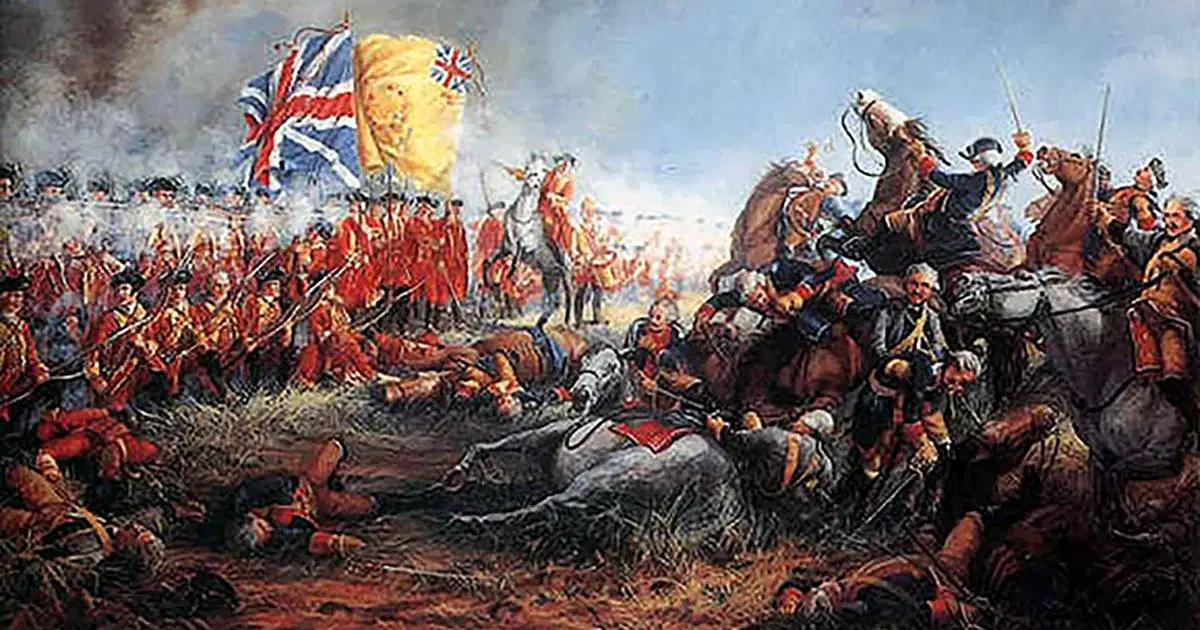
What was the first cause of the conflict between the French and the British colonies?
Disagreements over fishing rights and trade
The British wanted to keep the forest and the French wanted to remove the forest
The French wanted to keep the forest and the British wanted to remove the forest

What was stated in the Proclamation of 1763?
Colonists were BANNED from settling west of the Appalachian Mountains.
The Proclamation ended the French and Indian War.
Colonists were ENCOURAGED to begin settling west of the Appalachian Mountains.
The Proclamation proclaimed independence for the American colonists.
Drag the answer to the area on the map that each country controlled.
Spanish Controlled
French Controlled
English Controlled
The US originally comes from colonies made by which European country?
Spain
France
England
Portugal
New Hampshire
Rhode Island
Massachusetts
South Carolina
Virginia
Maryland
Georgia
Deleware
New York
New Jersey
Indiana
Ohio
Wisconsin
How many colonies did the United States start with?
(a)
The Virginia Joint stock company founded which settlement?
Virginia
Jamestown
Massachusetts Bay Colony
Plymouth
The land the became known as the colony of New York was first owned by what country?
(a)
Match the following
Cash crops...
Tobacco, sugar cane, indigo
Who settled in Eastern Canada?
French
This country was one of the first to have trade routes on the seas
Portugal
The Spanish Empire in the Americas...
Included parts of North America, much of South America, and the Caribbean Islands
Who settled in what is now Virginia?
England
Find the product for 0.15 x 6
9
90
0.09
0.90
3.25 x 0.1
0.325
325
3.25
32.5
2.2 x 1.2
26.4
2.54
25.4
2.64
7×0.9
63
6.3
0.63
0.063
0.3 × 0.06
18
1.8
0.18
0.018

