
 Worksheets
1st-9 3W BELL RINGER!!!!
Total questions: 68
Worksheet time: 37mins

How did the Hunter-Gatherers live?
Where do we believe the land bridge was located during the Ice Age?

Mastodons were nearly as big as a ....?

What is an archaeologist?
An archaeologist is a scientist who studies human history and prehistory through the excavation of sites
How did early humans come into North America and why?

What are hieroglyphs?
Writing system that uses pictures and symbols
A type of ancient money used in Egypt

You are a 5th Grade genius archeologist. Someone gives you an object that is in the picture, what is it? (use your book)
Maya Calendar
Where did the Pueblo people live in the USA? (use your book)

Pueblo people lived in "cliff dwellings", why did they live in cliff dwellings?
For protection and defense

Equator
Prime Meridian
International Date Line
North Pole

The map show the lines of longitude.
The map shows the lines of latitude.

The map shows lines of longitude.
The map shows lines of latitude.

cups
gallons
degrees
Fahrenheit

Equator
Prime Meridian
International Date Line
North Pole
Equator
Hemisphere
Tropic of Cancer
Arctic Circle
latitude lines only
the intersecting lines of latitude and longitude
longitude lines only
a neighboring area to describe the location

What state of matter does the picture below represent?
solid
liquid
gas
plasma

What state is represented in the gif?
Solid
Liquid
Gas

The diagram shows arrangement of particles in a
Solid
Liquid
Gas
Where on the map did the Pueblo People live?

How did the Pueblo People collect water in the desert?
They created a water company
They built special structures called "rain catchers"
The bought their water at the store
They didn't need water

What are Kachinas?
They are special Pokemon
Kachinas are like special spirits to the Pueblo People
They are strong warriors for hire
They are people who take the Pueblo people's gold

Where did the Navajo people live?
Indiana, Kentucky, and Tennessee areas
California, Nevada, and Colorado areas
Arizona, New Mexico, and Utah areas
Alaska, Washington, and Oregon areas

What were the Apache People known for?
Skilled hunters and warriors
Great tree climbers
Skilled artisans and traders
Knowledgeable healers and shamans

The Navajo lived in homes called...
Hogans
Teepees
Yurts
Cabins

The Apache people lived in homes called...?
Teepee
Wickiup
Longhouse
Yurt
Where on the map did the Pueblo People live?
What particles are atoms made of? (Check ALL that apply:)
Protons
Neutrons
Electrons
Nucleus
What particles are in the nucleus?
Protons
Neutrons
Electrons
Nucleus
Which particle is outside the nucleus?
Protons
Neutrons
Electrons
Nucleus
All matter is made of what
energy
atoms
electrons
compounds
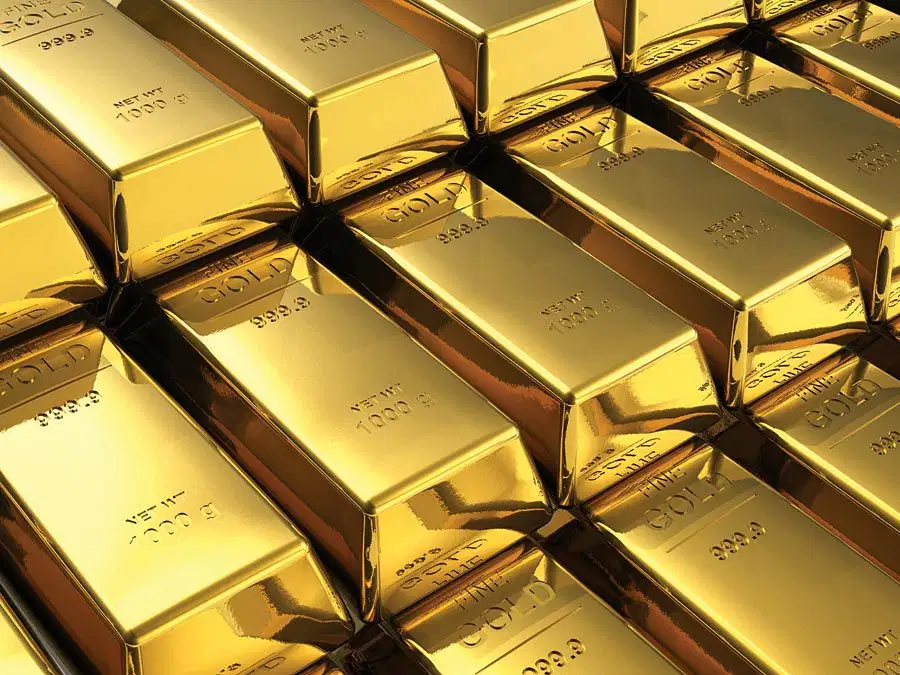
Pure elements are made of...
many types of atoms
the periodic table
same type of atom
lego blocks
Choose all the images that represent compounds.


Choose all the images that represent molecular elements.

particles vibrate in place
solid
liquid
gas

Atoms that can slide past each other are normally in what "state"?
solid
liquid
gas

Atoms spread out and move freely
solid
liquid
gas
Atoms that have high energy are normally in what "state"?
solid
liquid
gas
Atoms that have very low energy are normally in what "state"?
solid
liquid
gas
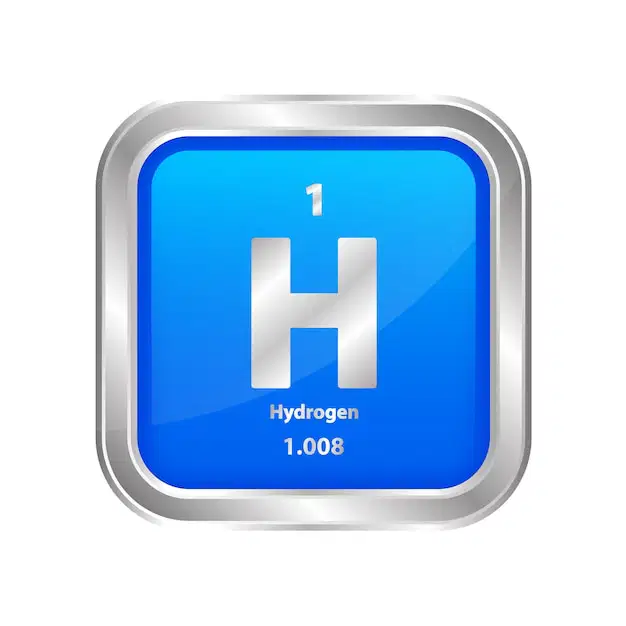
The atomic number is the number of _______ in an atom.
protons
neutrons
protons and neutrons
neutrons and electrons
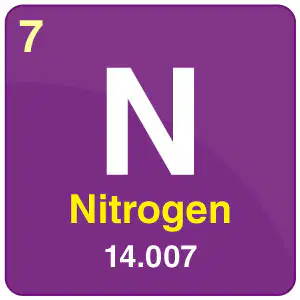
What is the atomic number of Nitrogen. (picture is on the left)
16
7
14.007
What is the charge of a proton?
Negative
Positive
Neutral
Variable
What is an atom?
The smallest building blocks of matter
The size of an object
The measurement of gravity
The length of an object
What is an element?
The name of more than 3 substances combined
A pure substance that cannot be broken down into any simpler substance
2 or more different types of atoms combined
8X6 =
(a)
8X1=
(a)
8X11=
(a)
8X5=
(a)
8X2=
(a)
8X7=
(a)
8X3=
(a)
8X8=
(a)
8X12=
(a)
8X4=
(a)
8X9=
(a)
6 x 0
6 x 1
6 x 2
6 x 3
6 x 4
6 x 5
6 x 6
6 x 7
6 x 8
6 x 9
6 x 10
6 x 11
6 x 12

