
 Worksheets
Fire Alarm Components Quiz
Total questions: 25
Worksheet time: 17mins
What are the sensors that trigger the fire alarm, either manually (pull stations) or automatically (smoke detectors or heat detectors).
Fire Detection
Notification appliances
Fire alarm control panel
Primary Power supply
Which part of the fire alarm system is considered as Notification appliances?
Heat Detector
Fire Alarm Siren/Bell
Smoke Detector
Manual Call Point
Which part of the fire alarm system is considered as the hub of the system, monitors inputs and system integrity and controls outputs?
Fire Detection
Fire alarm control panel
Notification appliances
Primary Power supply

What is the name of Fire Alarm Component In the figure shown?
Heat Detector
Fire alarm control panel
Smoke Detector
Manual Call Point
Which part of the fire alarm system is considered as Fire Detection?
Fire Alarm Siren/Bell
Fire alarm control panel
Smoke Detector
Flashing light

What is the name of Fire Alarm Component In the figure shown?
Heat Detector
Fire alarm control panel
Smoke Detector
Manual Call Point
Which part of the fire alarm system is Flashing light, strobe light, electromechanical horn, speaker, or a combination of these devices?
Fire Detection
Notification appliances
Fire alarm control panel
Primary Power supply
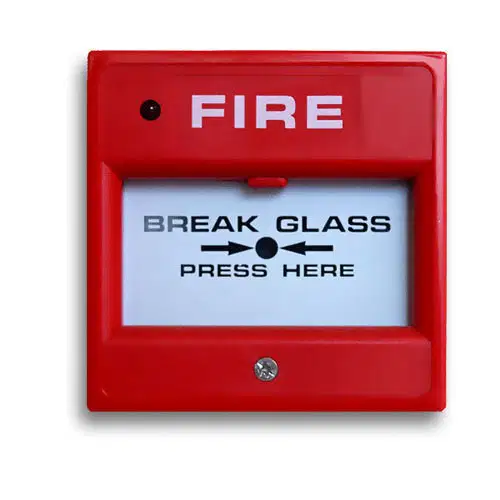
What is the name of Fire Alarm Component In the figure shown?
Heat Detector
Fire alarm control panel
Smoke Detector
Manual Call Point
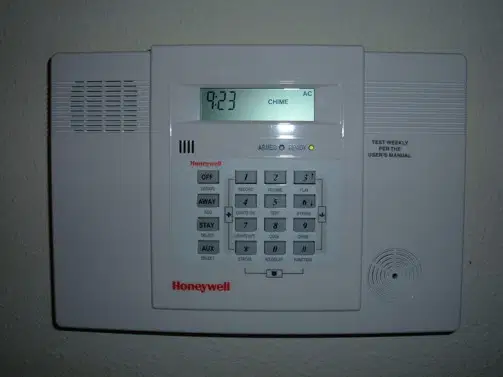
What is the name of Fire Alarm Component In the figure shown?
Heat Detector
Fire alarm control panel
Smoke Detector
Manual Call Point

What is the Fire Alarm Component In the figure shown?
Heat Detector
Fire Alarm Siren/Bell
Smoke Detector
Manual Call Point
How often should I test my smoke detector?
Once a year
Every six months
Once a month
Once every two years
How often should I change the batteries in my smoke detector?
When the smoke detector beeps
Twice a year
Once every year
Every four years
what is commonly used detection method for fire alarm system?
fire detector
smoke detector
food detector
flame detector
What is the purpose of a fire alarm control panel in a fire alarm system?
To detect smoke and heat
To sound the alarm
To monitor inputs and system integrity
To provide primary power supply
Which type of fire detector is most commonly used in residential buildings?
Heat Detector
Smoke Detector
Flame Detector
Gas Detector
What is the purpose of a manual call point in a fire alarm system?
To detect smoke and heat
To sound the alarm
To manually trigger the alarm
To provide primary power supply
Explain the working principle of a fire alarm system.
The alarm is triggered by a sudden power outage
The alarm is triggered by the presence of water
The alarm is triggered by loud noises
The detection of smoke or heat triggers the alarm to alert occupants of the building.
Describe the components of an addressable fire alarm system.
Light switches, electrical outlets, circuit breakers
Security cameras, access control systems, motion detectors
Fire extinguishers, sprinkler heads, fire hoses
Control panels, smoke detectors, heat detectors, manual pull stations, notification appliances, and communication modules
What is the purpose of an automatic fire alarm system?
To detect the presence of fire and alert occupants and emergency services.
To turn off the lights during a fire
To play music for entertainment
To water the plants in case of fire
Differentiate between a manual fire alarm system and an automatic fire alarm system.
A manual fire alarm system is activated by smoke or heat detectors.
An automatic fire alarm system is activated by smoke or heat detectors.
An automatic fire alarm system is activated by a person pulling a lever.
An automatic fire alarm system is activated by a loud noise.
Discuss the advantages of using an advanced smoke detection system.
Slow detection of smoke
Low sensitivity
Inability to detect smoke in challenging environments
Early detection of smoke, high sensitivity, and ability to detect smoke in challenging environments
Explain the function of a heat detection fire alarm system.
It detects heat and activates the alarm when a certain temperature threshold is reached.
It detects motion and activates the alarm when movement is detected.
It detects carbon monoxide and activates the alarm when a certain level is reached.
It detects smoke and activates the alarm when a certain level is detected.
What are the key features of an intelligent fire alarm system?
Manual activation only
Advanced detection capabilities, integration with other building systems, remote monitoring and control, and self-testing and maintenance
Limited coverage area
Loud sound output and flashing lights
Describe the operation of a wireless fire alarm system.
Sending smoke signals to activate the alarm system.
Using telepathy to transmit signals between the components.
Using carrier pigeons to communicate between the detectors and control panel.
Using radio frequency signals to communicate between the detectors, control panel, and other system components.
Discuss the importance of integrating fire alarm systems with building management systems.
Leads to higher maintenance costs
Increases the risk of false alarms
Improves centralized monitoring and control of fire safety measures
Does not provide any added benefits

