Wayground logo

Free Printable Worksheets

Font size

S
M
L
XL
Worksheets

Ecology II Review (2024)

Total questions: 75

Worksheet time: 2hrs 13mins

Name
Class
Date
1.

What is the growth pattern in which a population's growth rate slows or stops following a period of exponential growth (HAS LIMITING FACTORS)?

a)

logistic growth

b)

population growth

c)

exponential growth

d)

predator-prey cycle

2.
What type of growth model is shown in the diagram?
a)
exponential growth model
b)
logistic growth model
c)
predator-prey cycle
d)
boom-bust curve
3.

The maximum number of individuals of a population that the environment can support.

a)

carrying capacity

b)

population crash

c)

lag phase

d)

mutualism

4.
What do you call a period of rapid growth?
a)
Exponential growth
b)
Logistic growth
c)
Emigration
d)
Pradator-Prey Cycle
5.
Which type of growth is best illustrated by this rabbit population?
a)

Exponential (J-Curve)

b)

Logistic (S-Curve)

c)

Mutualistic

d)

Predator-prey

6.
What is the carrying capacity for this sheep population?
a)

1.8 million

b)

1.25 million

c)

1.6 million

d)

1.o million

7.
What is the carrying capacity for this sheep population?
a)

1.8 million

b)

1.25 million

c)

1.6 million

d)

1.o million

8.

What type of growth occurs under ideal conditions (NO LIMITING FACTORS)?

a)

Logistic Growth

b)

Exponential Growth

9.
What is the approximate carrying capacity of Paramecium aurelia cultured alone?
a)
150
b)
400
c)
450
d)
500
10.

An environmental factor such as predation, disease, and competition, that depends on the number of members in a population per unit

a)

dispersion

b)

density- independent factor

c)

density- dependent factor

d)

population growth rate

11.

An environmental factor such as storms and extreme heat or cold that affects population regardless of their density (Population size doesn't matter).

a)

density- dependent factor

b)

population density

c)

dispersion

d)

density- independent factor

12.

The movement of individuals away from or out of a population.

a)

emigration

b)

immigration

c)

dispersion

d)

population density

13.

Biotic or abiotic things that control the size of a population.

a)

Limiting factor

b)

density- dependent factor

c)

density- independent factot

d)

tolerance

14.
Exponential growth is slow and gradual.
a)
True
b)
False
15.
Which species has the greatest initial growth rate?
a)

P. aurelia

b)

P. caudatum

16.
Which are two ways a population can decrease in size?
a)
increased birthrate and immigration
b)
decreased birthrate and emigration
17.
Which of the following is a density independent limiting factor?
a)
earthquake
b)
disease
c)
parasitism
18.
What was the moose population in 1975?
a)
40
b)
1600
c)
1200
19.
What is this diagram called?
a)
Exponential Growth Diagram
b)
Demographic Transition Diagram
c)
Age Structure Diagram
20.
How many million females were living in the US  between the ages of 10-14?
a)
approximately 6 million 
b)
approximately 10 milllion
21.

Which country will have the most rapid population growth?

a)

Sweeden

b)

United States

c)

Mexico

d)

None

22.

Predict the future population growth of this country.

a)

Negative Growth (the population will shrink)

b)

Slow/No Growth (the population will stay about the same)

c)

Growth (the population will definitely grow)

d)

Fast Growth (the population will explode)

23.

What growth rate does this population pyramid represent?

a)

Rapid Growth

b)

Slow Growth

c)

Negative Growth

d)

Zero Growth

24.
Natural disasters such as flooding and tornadoes are linked to ________________.
a)
primary
b)
secondary
c)
old field
d)
ecosystem
25.
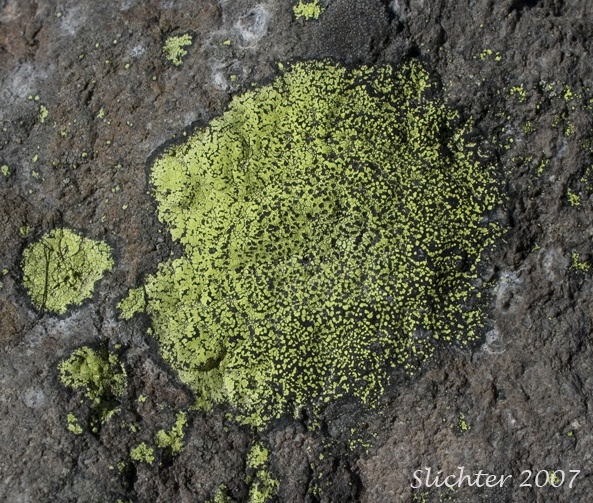
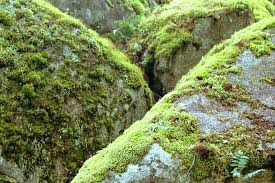
How do lichens contribute to primary succession?
a)
Lichens decompose organic matter from animals and plants
b)
Lichens begin to break down rock to form soil
c)
Lichens are nitrogen fixing bacteria
d)
Lichens convert carbohydrates into fossil fuels.
26.
What is formed during primary succession that doesn't need to be formed during secondary succession?
a)
pioneer species
b)
soil
c)
climax community
d)
lichens
27.
After a forest fire, an ecosystem would start regrowth through -
a)
primary succession
b)
secondary succession
c)
climax community
d)
limiting factors
28.
succession that occurs in an area with no soil
a)
ecological succession 
b)
primary succession 
c)
secondary succession
d)
pioneer speciles
29.

Which experiences the least change over time?

a)

Pioneer Species

b)

Primary Succession

c)

Aquatic Succession

d)

Climax Community

30.

Which of the following best describes primary succession?

a)

Volcano wipes out ecosystem that gradually grows back from ash covered soil

b)

Volcano creates a new island of rock that must break down to form an ecosystem

c)

Forest fire burns down forest that must bounce back over time

d)

Tornado destroys a crop that must slowly grow back over time.

31.

If farmers use a controlled burn to prevent forest fires, what would most likely be the first plants to return?

a)

trees

b)

shrubs

c)

mosses

d)

grasses

32.

Which would most likely result in primary succession?

a)

old forest growing

b)

undisturbed prairie

c)

pollution kills mountain lake species

d)

a Newly formed volcanic island

33.

Primary succession occurs in areas with:

a)

very little soil

b)

lots of soil

c)

no soil

d)

soil that has been disturbed

34.
What is the order of succession shown in this figure?
a)
A, B, C, D
b)
B, A, D, C
c)
C, D, A, B
d)
D, A, B, C
35.
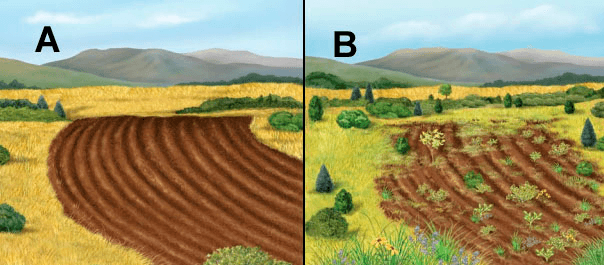
What type of succession is shown going from figure A to figure B?
a)
primary succession
b)
ecological succession
c)
secondary succession
d)
intermediate
36.
What is the name given to lichen or algae after a primary succession?
a)
pioneer species
b)
volunteer species
c)
founder species
d)
conqueror species
37.
What are examples of pioneer species in a primary succession?
a)
Bushes and Shrubs
b)
Oak trees
c)
Mossess and Lichens 
d)
A rose Bush
38.
After a volcanic eruption, lava covers the land. What is the order that plants grow to repopulate the area?
a)
Lichens → Shrubs → Grasses → Trees
b)
Lichens → tree → shrubs→Grasses
c)
Grasses → Lichens → Shrubs → Trees
d)
Lichens → Grasses → Shrubs → Trees
39.
What is the most important function of pioneer species?
a)
To create rocks
b)
To create soil and add nutrients to the environment 
c)
To look nice
d)
Food for animals 
40.
this type of succession occurs after a forest fire
a)
primary succession
b)
secondary succession
c)
both
41.
This is the process that forms a new ecosystem where no organisms lived before.
a)
resource
b)
invasive (non- native) species
c)
primary succession
d)
competition
42.
This is an example of...
a)
Climax communities
b)
Secondary succession
c)
Lichen
d)
Pioneer species
43.

What is an example of a disturbance that could bring about secondary succession?

a)

Humans cut down many trees in a small region

b)

A volcanic eruption covers a village in lava.

44.

What type of disturbance can be beneficial to ecosystems and communities?

a)

Volcanic Eruption

b)

Fire

c)

Invasive Species

d)

Flood

45.
Cattle egrets forage (feed) in fields among cattle. The egret gets easy access to flying insects stirred up by the cattle, and the cattle don't care if they are there or not.
a)
mutualism
b)
commensalism
c)
competition
d)
parasitism
46.
A relationship between two organisms in which one organism benefits and the other is unharmed...
a)
Mutualism 
b)
Competition
c)
Parasitsm 
d)
Commensalism 
47.

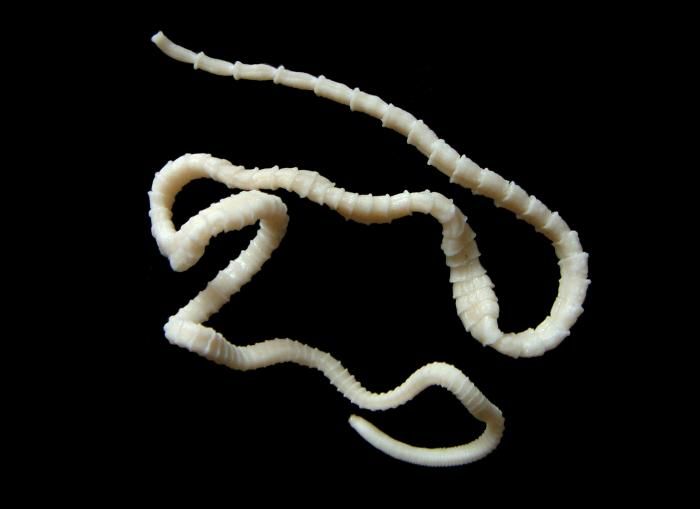
A tapeworm lives in the intestine of a cat absorbing nutrients through its skin. A tapeworm and a cat have this type of relationship.

a)

mutualism

b)

parasitism

c)

commensalism

d)

competition

48.
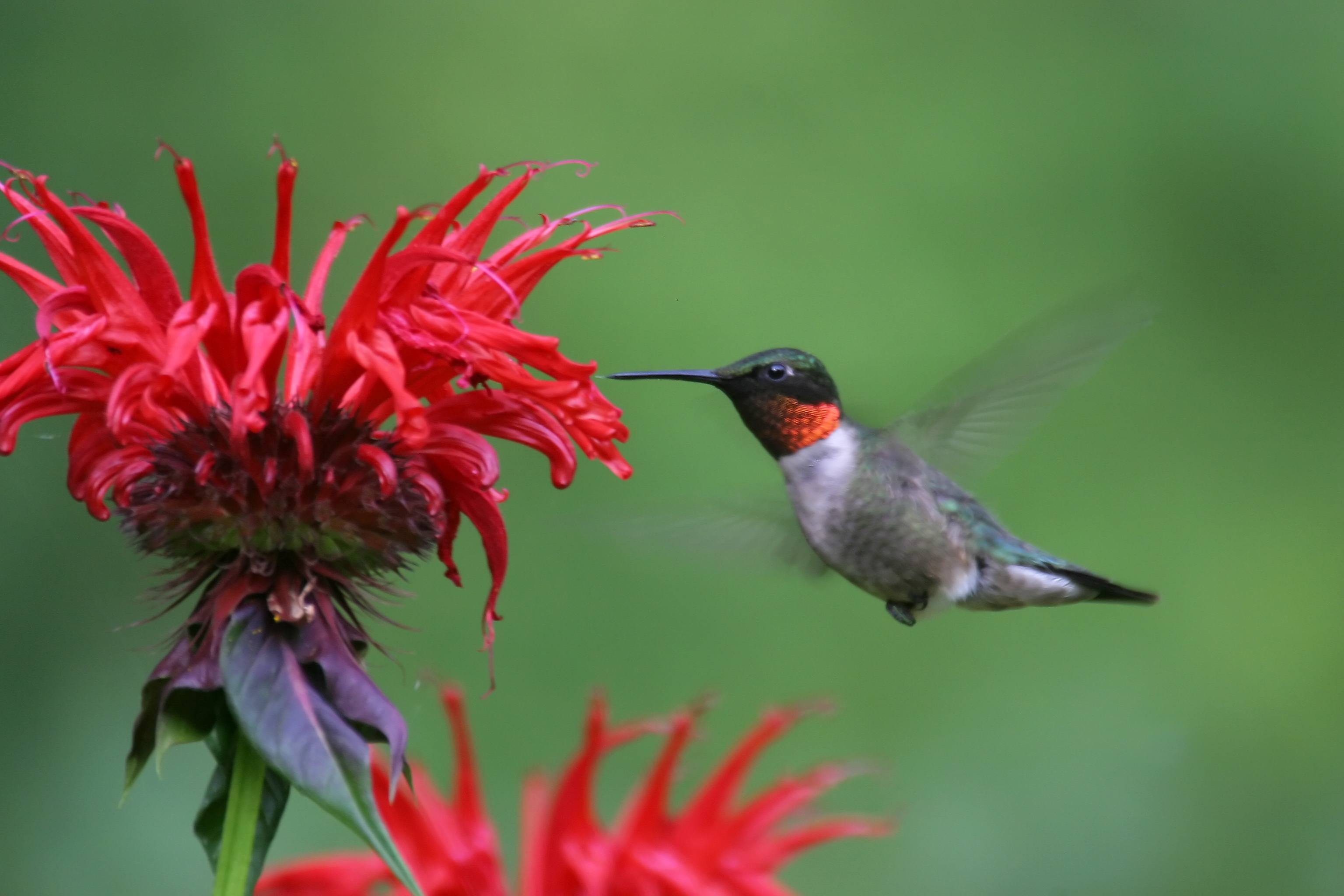
What type of symbiosis?  Hummingbirds feed on nectar from flowers.  The flowers are pollinated by hummingbirds as they move from flower to flower.
a)
commensalism
b)
mutualism
c)
parasitism
d)
predation
49.
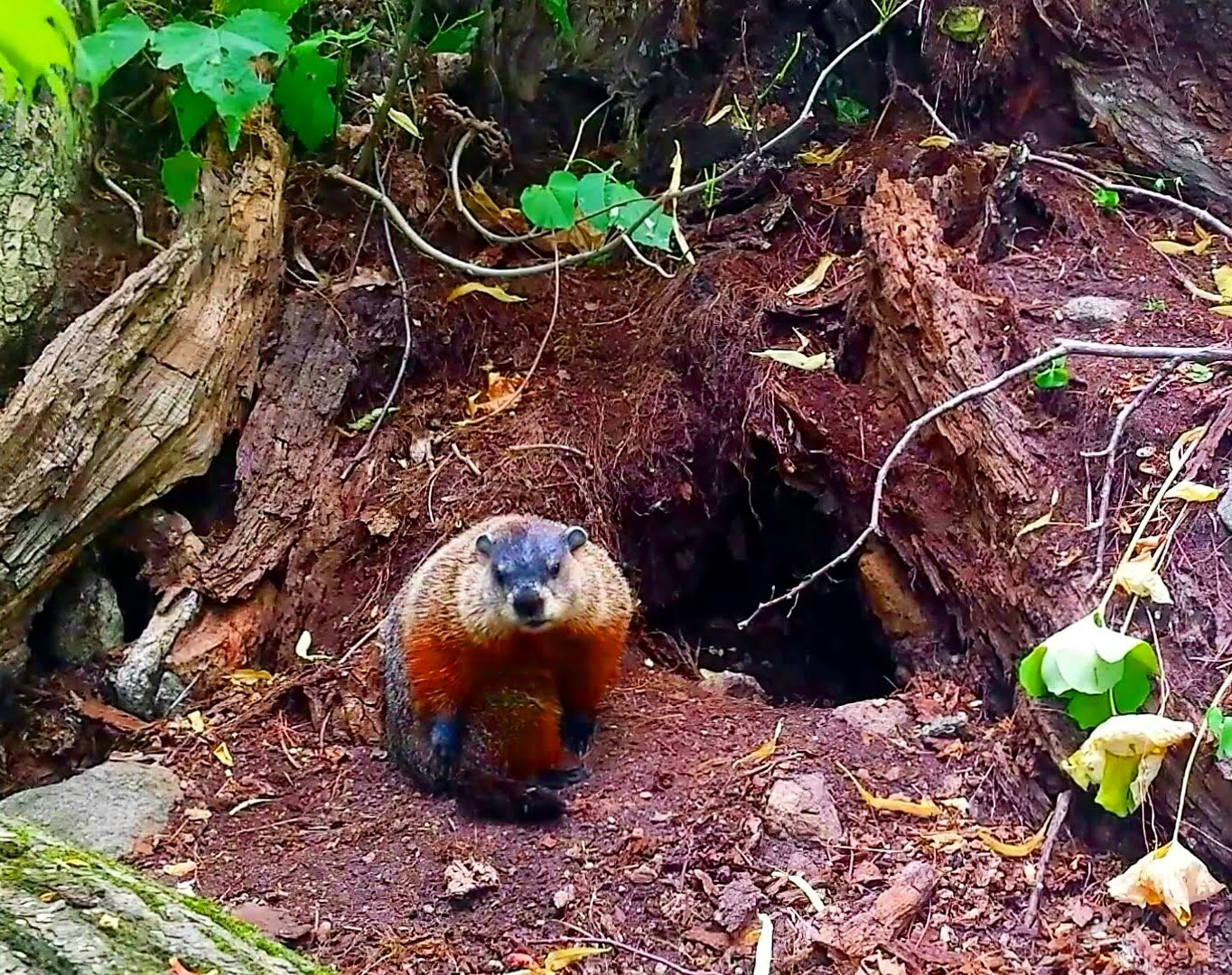
What type of symbiosis?  Skunks often live in burrows that have been dug and abandoned by woodchucks.  
a)
commensalism
b)
mutualism
c)
parasitism
d)
predation
50.
Which symbols best describe parasitism?
a)
+,+
b)
+,-
c)
+,0
d)
-,0
51.
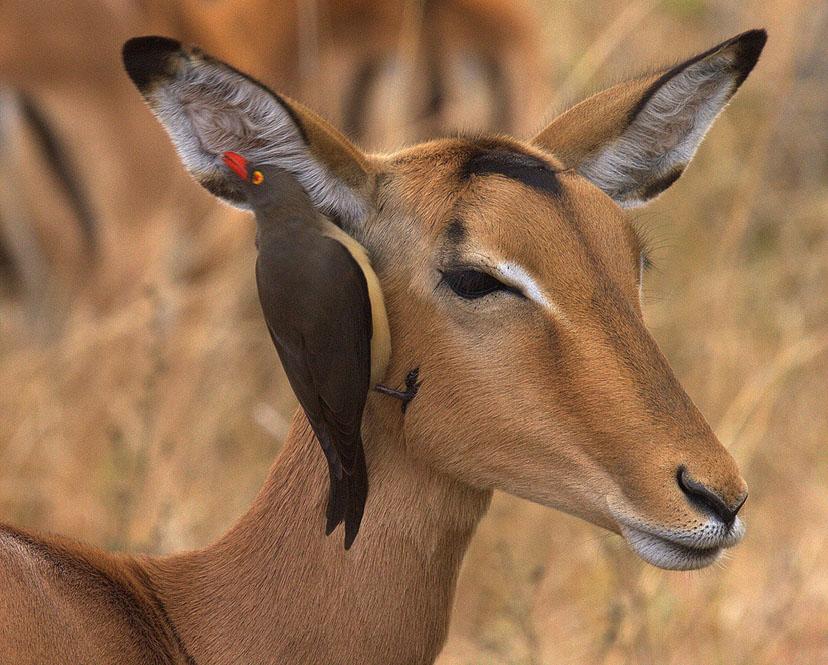
Red-billed oxpeckers are birds that often feed on parasites that infest impala.  This is an example of _______.
a)
commensalism
b)
mutualism
c)
neutralism
d)
competition
52.
A relationship between two organisms in which both organisms benefit. 
a)
Mutualism 
b)
Competition
c)
Parasitsm 
d)
Commensalism 
53.
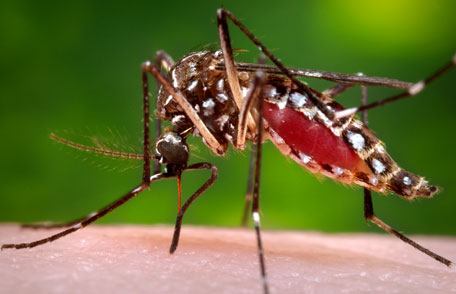
When a mosquito bites you, you are the __________ and the mosquito is the  ____________.
a)
host, hostess
b)
parasite, host
c)
host, parasite
d)
prey, predator
54.

Aphids are tiny insects that live on and eat the leaves of plants, removing vital nutrients from the plants.

a)

Predation

b)

Parasitism

c)

Commensalism

d)

Mutualism

55.

Mockingbirds will push the eggs out of a blue bird's nest and use the nest for it's own babies illustrating...

a)

commensalism

b)

parasitism

c)

mutualism

d)

predation

56.

Clown fish live among anemones, acting as a lure for the sea anemone's prey. The clown fish get protection and shelter from the anemone. This is an example of which type of symbiosis?

a)

Commensalism

b)

Mutualism

c)

Parasitism

57.

A bee and a flower work together to benefit each other. This is an example of a ______. The bee helps the flower by pollinating it and the flower helps the bee by providing it with nectar.

a)

commensalistic relationship

b)

parasitic relationship

c)

mutualistic relationship

58.
Which of he following interactions demonstrates a PARASITIC relationship?
a)
A mosquito sucking blood from a warm blooded animal.
b)
A group of baby otters floating together to help warm each other in the cold waters.
c)
Many fish swimming together to protect each other from predators.
d)
Two hyenas fighting over a female to mate with.
59.

Hookworms enter the human body by burrowing into the skin of the feet. Once in the skin, they enter the bloodstream and travel to the small intestine where they attach to the walls and begin to drink the person's blood and weaken the victim.

a)

mutualism

b)

commensalism

c)

parasitism

60.

Lichens are close associations of fungi and algae. The fungi hold the water supply and the algae perform photosynthesis to manufacture carbohydrates for both organisms.

a)

mutualism

b)

commensalism

c)

parasitism

61.

In the jungles of South America lives a thorn tree call an acacia. A species of ant eats secretions of the acacia, drinks its sap, and raises its young in the hollow thorns. The ants also keep competing vines from growing near the acacia tree and they help repel any insects that would damage the acacia tree.

a)

mutualism

b)

commensalism

c)

parasitism

62.

Lactobacilli are a type of bacteria that live in our lungs and destroy many of the microorganisms that enter our respiratory system. They are highly adapted to living in our lungs and can't survive in many other habitats.

a)

mutualism

b)

commensalism

c)

parasitism

63.

If the amount of food or resources available increases, the carrying capacity for an animal.....

a)

Stays the same

b)

Increases

c)

Decreases

d)

Fluctuates

64.
What growth pattern describes a population whose growth rate slows or stops following a period of exponential growth?
a)
logistic growth
b)
population growth
c)
exponential growth
d)
predator-prey cycle
65.

This is the largest number of individuals of a population that the environment can support...

a)

carrying capacity

b)

population crash

c)

lag phase

d)

mutualism

66.

Which type of growth is best illustrated by this rabbit population?

a)

exponential

b)

logistic

c)

S-shaped

d)

predator-prey

67.

What point on the graph represents the carrying capacity?

a)

A

b)

B

c)

C

d)

D

68.

When a population grows past the ecosystem's carrying capacity, what happens to the population?

a)

Continues to grow

b)

The population starts to die off to return to carrying capcity

c)

The population will go extinct due to lack of resources

d)

The population grows then finds a new carrying capacity

69.
If there is more food than usual in an ecosystem, then the population will mostly likely...
a)
stay the same
b)
decrease
c)
increase
d)
reach carrying capacity
70.
How will competition affect the carrying capacity of an ecosystem for the animal in competition?
a)
Decrease
b)
Increase
c)
Will show not affect
d)
Competition does not exist in nature
71.

In a forest ecosystem, which of the following is the best example of a limiting factor for a rabbit population?

a)

The squirrel population

b)

The amount of sunlight

c)

Amount of grass available

d)

Rabbits have no limiting factors

72.

Logistic growth is representative of a population in an environment with .................... resources.

a)

limited

b)

plenty of

c)

no resources

d)

biotic

73.
What would the carrying capacity of this graph be
a)
530
b)
400
c)
500
d)
480
74.

According to the graph, what is causing the deer population to decrease

a)

They got sick

b)

The wolf population is decreasing

c)

The wolf population increased

d)

They ran out of food

75.

Predator population lags behind prey population because......

a)

Increase in predators leads to decrease in prey

b)

Increase in predators leads to increase in prey

c)

Increase in predators leads to decrease in producers

d)

Increase in producers leads to increase in prey