
 Worksheets
Adaptations 2024
Total questions: 75
Worksheet time: 3hrs 43mins
A characteristic or trait that helps an organism survive in its environment is a/an (a)
Variation in (a) would best help bison survive a harsh winter
The gills have allowed a fish to adapt to living underwater because gills allow the fish to (a)

An inherited trait that helps those organisms that have it to survive
niche
structure
characteristic
adaptation

Beak shape depends on...
where birds live
who they hang out with
diet (fish or seeds)
exercise

A giraffe has a long neck in order to better reach leaves to eat. This is an example of _____.
an adaptation
environment
response
stimulus

which is the learned behavior?
shape of beak
monkey riding bicycle
horse eating hay
snake eating mice
Which of the following is an inherited trait?
swimming
eye color
skateboarding
callused fingers

Determine if the traits are structural or behavioral.
Migration
Behavioral because it makes animals move away and find better resources
Hibernation
Behavioral because it allows animals to save energy
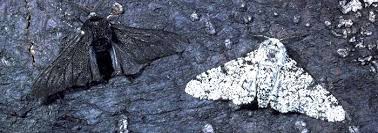
Camouflage
Structural because it allows organisms to hide in plain sight
Venom
Structural because it is a chemical defense
Storage of food in bulb
Structural because it allows plants to save energy for later use
A (a) adaptation is the way an animal looks in order to help them survive.
A feature that allows an organism to survive its environment is called what?
Evolution
Adaptation
Trait
Survivability factor
Click all the boxes that are adaptations.
Bear hibernating
Gills in fish
Water in a pond
The wings of a bird
The temperature of the earth
Which of the following examples are of behavioral adaptations?
Migration
Claws
Teeth
Eyes
Which of the following are examples of structural adaptations?
Hibernation
Migration
Eyes
Mating calls
What is the best definition of animal adaptation?
Changes to an animal's diet.
Characteristics that help animals survive.
Characteristics of an animal's habitat.
Skills learned in order to hunt.
True or false: All animals have adaptations that help them survive in their habitat.
True
False
Partially true: Not all animals have adaptations
Partially true: adaptations are not for surviving
Animals who travel to warmer habitats in the winter to escape the cold are using which behavioral adaptation?
Mimicry
Camouflage
Hibernation
Migration
When animals go into a deep sleep during the winter, they are using which behavioral adaptation?
Hibernation
Mimicry
Migration
Camouflage
Fill in the blank: A ______________ adaptation is the way an animal looks in order to help them survive.
simple
behavioral
physical
extreme
Some animals are able to copy other animals in order to look more dangerous to get away from predators. What is this called?
Hibernation
Camouflage
Mimicry
Migration
I am a polar bear who lives in the arctic. My fur is a beautiful white, just like the snow I live in. What adaptation is this adaptation called?
camouflage
mimicry
migration
hibernation

What physical adaptation helps some organisms breathe under water?
a. lungs
b. gills
c. fins
d. heart

The chart tells us about four animals. Which animal has needs and body parts for a place that is mostly water?
Camel
Rattlesnake
Beaver
Kangaroo Rat
Why do plants adapt to their environments?
in order to give the surrounding animals and people enough food to survive
in order to get the water and sunlight they need to survive in a harsh environment
in order to block sunlight from the floors of the ocean and the rainforest
in order to grow very tall and to become as bright and colorful as they can

What adaptation helps penguins and seals stay warm?
long eyelashes
long necks
a thick layer of fat
long fur
What is natural selection?
passing of hiding traits to future generations
passing of survival traits to future generations
passing of hunting traits to future generations
Thick layer of fat which protect animals form cold is called......
Fatty
Blubber
Fur
Feather
What is a habitat?
all of one kind of animal or plant in the same area
all the animals living in the ocean
living and nonliving things that interact in the same space
the space where a plant or animal lives
What are claws on an armadillo useful for?
To attract predators
To dig in the sand
To keep them warm in the winter
Some animals have special flaps that cover nostrils and ears. These flaps would be most helpful to help animals survive in what types of environments?
Snowy
Terrestrial
Windy
Aquatic

Which adaptation gives the Bony Fish the best advantage of changing directions quickly when being chased by a predator?
Fin with 2 lobes
Flexible fin
Thin bony spine
Control of fin by muscles

What does the shape of the Giant Water Lilly leaves do to help the plant survive in its environment?
Helps catch rainwater
Helps is stay on the waters surface
Helps attract small fish
Helps attract aquatic birds
What does the shape of the Mequite leaves do to help the plant survive in its environment?
The slim shape helps them avoid sunlight
Slim shape helps attract pollinators
Slim shape helps prevent water loss
Slim shape helps them avoid herbivores
Some small chicks are covered with feathers that contain small spaces where air gets trapped. This adaptation would most likely -
Act as an extra cushion in falls
Provide a layer of insulation that can help keep the chick warm
Supply oxygen that can be absorbed in the skin
What is an advantage of animals, like a giraffe, that have long necks?
Helps them reach further out into the watering holes
Helps them reach high to eat leaves from the tops of trees where other animals may not reach
Helps them scratch their backs
What traits are most useful in helping a cactus conserve water in the hot desert?
Large flowers and sweet fruit
Sweet fruit and sharp spines
Sharp spines and waxy stems

Which bird is best adapted for catching fish and frogs?
F
G
H
J
Which bird is best adapted for shredding meat?
F
G
H
J
Which bird is best adapted for drinking nectar?
F
G
H
J

Josie likes to visit the park in her neighborhood to watch hummingbirds. Based on the beak of the hummingbird, what does it most likely eat?
Fish
Nuts
Insects
Flower Nectar

The picture shows flowers with an unusual shape. Which beak shape would best allow a bird to reach the nectar inside the flower?
Long and thin
Short and thick
Short and thin
Long and thick
Bullfrogs are Florida’s largest frog. Frogs spend part of their life cycles in water and part on land. Which physical characteristic is most useful for a water environment?
Thin skin
Large eyes
Webbed feet
Long, strong legs

Water lilies live in lakes and ponds. The lilies have very long stems. The picture shows a water lily in a pond. How do long stems help water lilies live in ponds?
They absorb food for the plant.
They absorb water from the pond.
They enable the pads and flower to reach sunlight.
They prevent the plant from floating away.

Pelicans are birds that live in many water environments. They can live in large lakes, in marshy wetlands, and along beaches near the ocean. The picture shows a pelican. What does the pouch on its bill most likely help the pelican do?
Catch fish
Store water
Attack other animals
Balance when it walks
Rivers are home to many kinds of birds. Which foot is most likely the adaptation of a bird that swims in water to find food?


In the fall, a ground squirrel will store the energy from food as a thick layer of fat. What is most likely the reason for this adaptation?
It keeps the animal from being exposed to diseases in winter.
It keeps the animal from being eaten by predators that hunt during winter.
It helps the animal get exercise during winter when it is snowing.
It helps the animal survive a cold winter when there is very little food.

Tom sketched this picture of an epiphyte from a book about tropical forests. How is this plant adapted to the ecosystem in which it lives?
It has a trunk tall enough to reach above nearby trees and compete for sunlight.
It has long roots that reach deep enough into the dry soil to reach underground water.
It has roots that attach to trees so that it can reach sunlight that is scarce on the forest floor.
It has leaves that capture and digest insects, which it needs for nutrients missing from soil.
It is estimated that fewer than 100 Florida panthers are still living. Florida now has a protected habitat for the panther. How will the protected habitat affect the panthers?
The panthers will probably become extinct.
Panthers will no longer be adapted to living in Florida.
The Florida panther population will decrease in the near future.
The panther population may increase now that they are being conserved in a protected habitat.
The state reptile of Florida is the American alligator. Reptiles rely on the environment to maintain their body temperature. Which behavioral adaptation below allows the alligator to control its body temperature?
Alligators mate in April and May.
The alligator basks in the sunlight.
Alligators lay between 20 and 50 eggs at one time.
The alligator eats turtles, small mammals, and birds.
Plants have various adaptations for survival. Some adaptations protect plants by discouraging animals from eating the flowers. Which of these is an adaptation that protects a rose from animals?
Tall stems
Sharp thorns
Large leaves
Soft flower petals
Physical characteristics that help an organism survive are called:
Habitats
Extinction.
Adaptations.
Learned behaviors.

The apple snail lives in ponds, lakes, and rivers. The apple snail is the largest snail found in the freshwaters of North America. The illustration shows an apple snail. How is the structure labeled X an adaptation for the apple snail?
The apple snail uses this structure to find food.
The apple snail uses this structure to reproduce.
The apple snail uses this structure to digest its prey.
The apple snail uses this structure to protect itself from predators.
Plankton are tiny organisms that live in the ocean. Some kinds of plankton live near the surface of the ocean where there is sunlight during the day. At night, they travel deeper into the ocean where it is safer to live. Which of the following is the plankton's behavior most similar to?
Some bats hibernate in winter
Some rabbits shed their thick fur in summer
Some birds migrate during spring and summer
Some plants produce poisonous chemical substances
Josie likes to visit the park in her neighborhood to watch hummingbirds. Based on the beak of the hummingbird, what does it most likely eat?
Fish
Nuts
Insects
Flower Nectar
physical adaptation
thick fur
learned behavior
communicating
behavioral adaptation
hibernation
instinctive behavior
blinking eyelashes

Adaptation: Bear sleeping in a cave during the winter months
Physical Adaptation
Behavioral Adaptation

Where an organism lives and is able to find all of the resources needed to survive, water, shelter, food, air, sunlight.
Ecosystem
Environment
Habitat
Organism
The colors & patterns on a turtles shell help it blend in with the forest floor. This is:
Hibernation
Habitat
Ecosystem
Camouflage
When an opossums plays dead. This is known as what type of adaptation?
Physical adaptation
Behavioral adaptation
A kangaroo has a pouch to protect its young. This is known as what type of adaptation?
Physical Adaptation
Behavioral Adaptation
Polar bears have compact ears, a small tail, and thick fur to keep themselves warm. These are all what type of adaptations?
Physical Adaptation
Behavior Adaptation
What is an adaptation?
A physical feature or behavior that helps living things survive.
The food that an animal eats.
A place where an animal lives
How animals evolve throughout time.

A giraffe's long neck, used to reach leaves high in trees, is an example of a
Physical adaptation
Behavioral adaptation

Birds migrate during the winter to less cold areas. What type of adaptation is this?
Behavioral Adapatation
Physical Adaptation
Any living thing is called an
Environment
Camouflage
Organism
Ecosystem
All living and nonliving things that live in the same place
Habitat
Ecosystem
Environment
Organism
Determine if the traits are structural or behavioral.
Migration
Behavioral because it makes animals move away and find better resources
Hibernation
Behavioral because it allows animals to save energy
Camouflage
Structural because it allows organisms to hide in plain sight
Venom
Structural because it is a chemical defense
Storage of food in bulb
Structural because it allows plants to save energy for later use
Match the following

Camouflage

protect eyes from sun
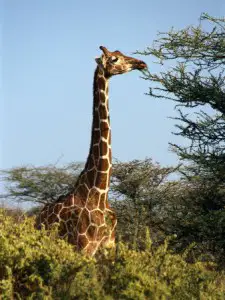
reach food
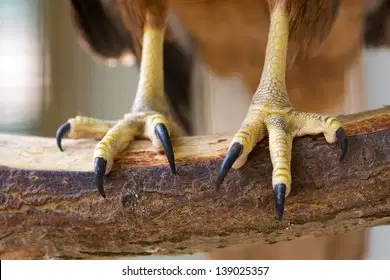
tear food
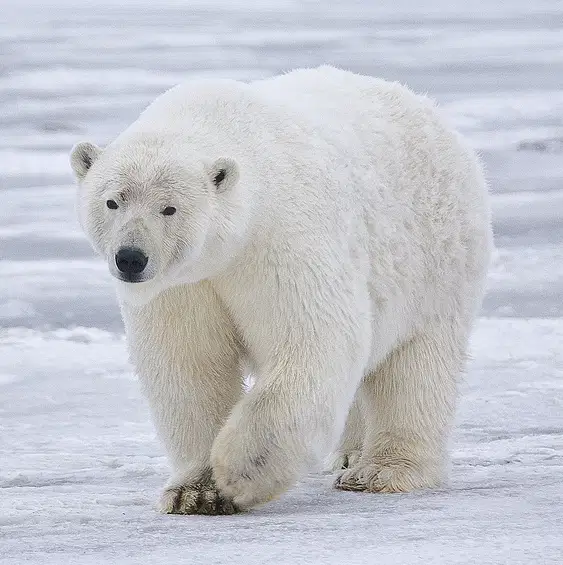
protect from extreme weather

