
 Worksheets
QUIZ: Review Unit 3 Lecture 4 Video
Total questions: 1
Worksheet time: 26mins

What does the image primarily depict in relation to the theme?
The invention of the automobile
The development of the steam engine
The first successful airplane flight
The launch of a space shuttle
What was one of the reasons why mass transit became important in larger cities?
To increase the cost of living
To reduce the number of jobs
To help residents in distant neighborhoods access the city
To decrease city populations
Why did workers need advancements in transportation during the period discussed?
To travel longer distances for leisure
To get to work faster
To avoid going to work
To relocate to rural areas
What was a social benefit of mass transit systems in growing cities?
Decreased access to city centers
Increased isolation of residents
Easier access to stores and attractions
Reduced need for personal vehicles
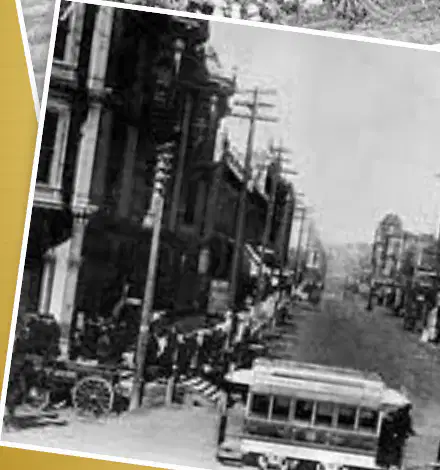
What is the primary function of mass transit systems as depicted in the image?
To provide leisure travel for tourists
To transport goods between cities
To carry large numbers of people and make regular stops along established routes
To serve as historical landmarks
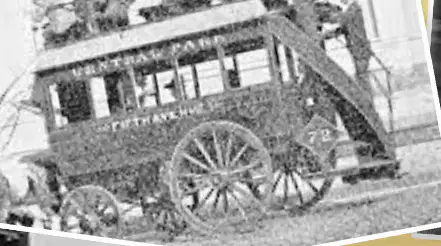
Which mode of mass transit is shown in the top left image within the provided material?
Bus
Horse-drawn streetcar
Modern electric tram
Subway train
What era do the images in the learning material most likely represent in the context of mass transit development?
Early 21st century
Late 19th to early 20th century
Mid 17th century
Late 20th century
What were streetcars considered as in terms of urban transportation development?
A) A modern innovation of the 20th century
B) The first forms of mass transit
C) A replacement for automobiles
D) An outdated form of transportation
Who was Andrew Smith Hallidie, and what was his contribution to mass transit?
A) Inventor of the electric streetcar
B) Developer of the first subway system
C) Creator of the first cable car in San Francisco
D) Designer of the first high-speed rail
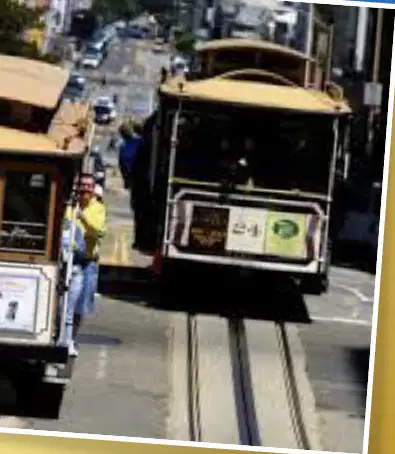
What city is famous for its iconic cable cars, as depicted in the image?
Los Angeles
New York City
San Francisco
Chicago
What was the primary source of power for trolley cars in the early 1900s?
Steam
Electricity
Gasoline
Horsepower
Compared to other forms of transportation available at the time, trolley cars were:
More expensive and slower
Cheaper and slower
More expensive and faster
Cheaper and faster
Which city was the first in the United States to have a subway system?
New York
Chicago
Boston
San Francisco
What year did the subway system begin operating in New York?
1897
1904
1910
1923
What was the primary reason for the development of subway systems in cities like Boston and New York?
Tourism
Traffic problems
Economic development
Population decrease
Which city had 350,000 riders on the first day of its subway system's operation?
Boston
New York
Chicago
Los Angeles
How many riders did Boston's subway have on its first day?
50,000 riders
100,000 riders
150,000 riders
200,000 riders
What was a significant issue mentioned that led to the development of subways?
Air pollution
Streets congestion
Lack of roads
Overpopulation
What term was historically used to refer to early automobiles, as indicated in the image?
Motor Wagon
Horseless Carriage
Steam Vehicle
Electric Carriage
Which year is associated with the Duryea Motor Wagon Company as shown in the image?
1896
1901
1888
1910
Where was the Duryea Motor Wagon Company factory located according to the image?
Springfield, Massachusetts
Detroit, Michigan
New York, New York
Chicago, Illinois
Who invented the Internal Combustion Engine according to the image?
Henry Ford
Karl Benz
Nikolaus A. Otto
Rudolf Diesel
What year was the Internal Combustion Engine invented?
1867
1885
1901
1920
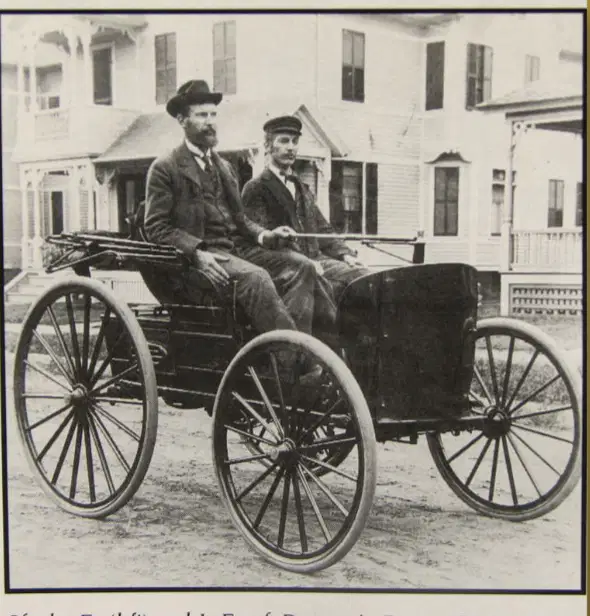
Who built the first motorcar in the US?
Henry Ford
Charles & J. Frank Duryea
Walter Chrysler
Louis Chevrolet
How much did a new car cost around the time the first motorcar was built in the US?
$1000
$1500
$2000
$2500
Approximately how much did an average worker make per year when the first motorcar was built in the US?
$250
$500
$750
$1000
Who are the individuals credited with inventing the first successful airplane?
Samuel Langley and Glenn Curtiss
Orville and Wilbur Wright
Charles Lindbergh and Amelia Earhart
Henry Ford and Alexander Graham Bell

What significant event is depicted in the historical photograph in the image?
The first flight of a jet-powered aircraft
The first transatlantic flight
The first flight of a helicopter
The first successful flight of a powered aircraft by the Wright brothers
For how long did human beings try to discover a way to fly before the era of early airplanes?
Decades
Hundreds of years
A few years
Thousands of years
What did the Wright Brothers build to test their plane designs?
A windmill
A wind tunnel
A model airplane
A kite
What was one of the key activities the Wright Brothers engaged in to understand flight dynamics?
Building boats
Making kites
Constructing bicycles
Designing cars
How did the Wright Brothers figure out to power their plane?
Using solar power
With a steam engine
Using an internal combustion engine
Through electric batteries
When and where did the first true flight in an airplane take place?
December 17, 1903, Kitty Hawk, North Carolina
November 12, 1905, Dayton, Ohio
October 5, 1901, Langley, Virginia
July 21, 1902, Chicago, Illinois
How far did the airplane fly during its first true flight?
100 feet
120 feet
150 feet
200 feet
How long did the first true flight in an airplane last?
10 seconds
12 seconds
15 seconds
20 seconds
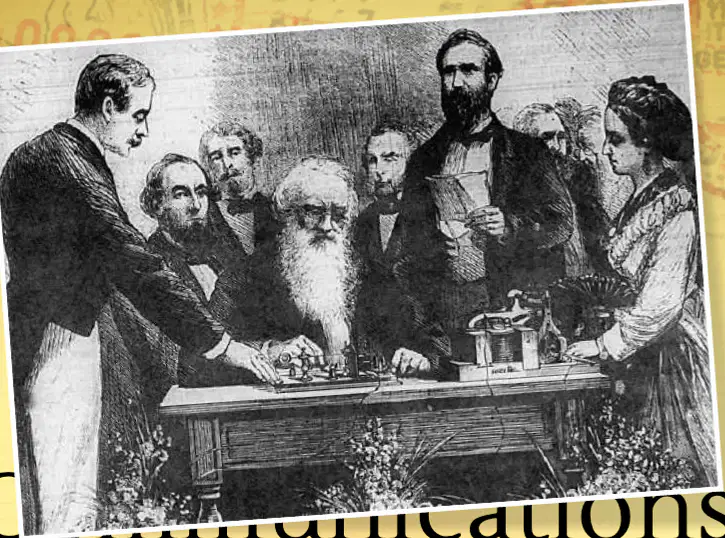
What is the main theme of the image related to historical developments?
Industrial Revolution
Communications Revolution
Scientific Revolution
Cultural Revolution
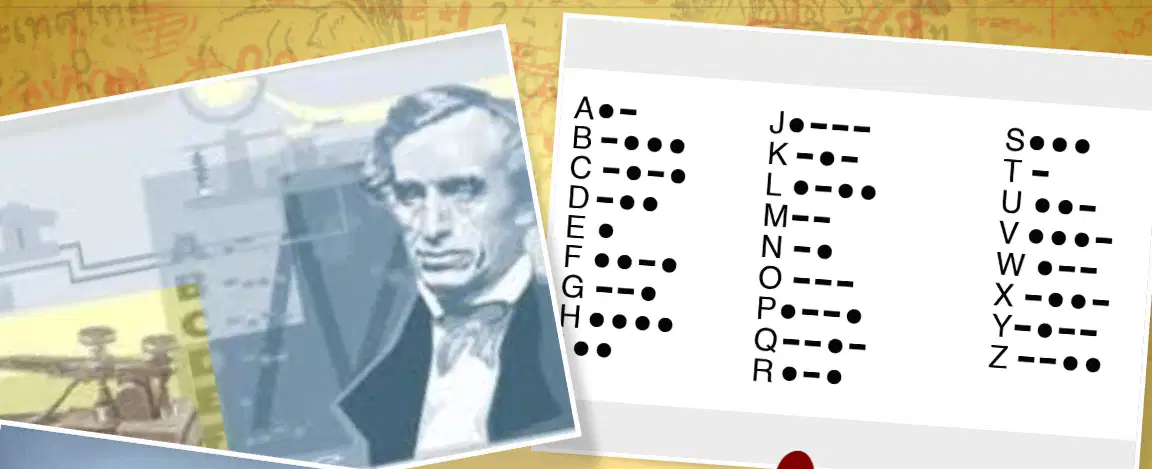
Who invented the telegraph as depicted in the image?
Alexander Graham Bell
Thomas Edison
Samuel F.B. Morse
Nikola Tesla

What encoding system is shown in the image used for telegraph communications?
Binary code
ASCII code
Morse code
Unicode
Who invented the telephone in 1876?
Thomas Edison
Nikola Tesla
Alexander Graham Bell
Samuel Morse
What famous phrase did Alexander Graham Bell reportedly say when demonstrating the first working telephone?
Hello, can you hear me?
Mr. Watson—Come here—I want to see you.
Is it working now?
Can you answer this call?
By what year had the telephone reached over 1 million users?
1890
1900
1910
1920

Who is credited with the invention of the typewriter as shown in the image?
Alexander Graham Bell
Thomas Edison
Christopher Sholes
Henry Mill

What type of keyboard layout is mentioned in the image associated with the typewriter?
AZERTY
QWERTY
DVORAK
COLEMAK
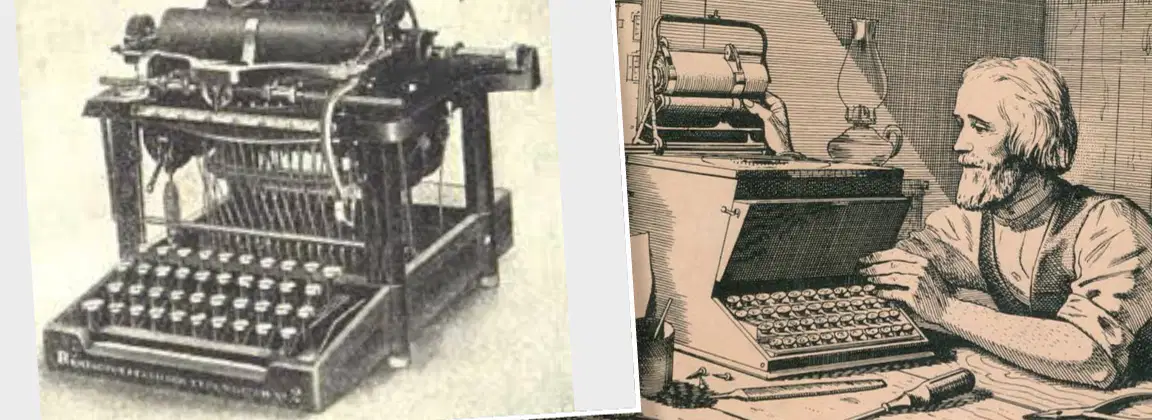
According to the image, what was one social impact of the typewriter?
It reduced the need for handwritten documents
It increased the demand for paper
It opened job opportunities for women
It made communication less personal

What was a significant advantage of the typewriter mentioned in the image?
It was very affordable
Documents could be produced quickly
It used less ink than pen writing
It was portable
What is the famous quote by Thomas Edison as shown in the image?
A) "Genius is 10% inspiration and 90% perspiration."
B) "Genius is 1% inspiration and 99% perspiration."
C) "Genius is 5% inspiration and 95% perspiration."
D) "Genius is 2% inspiration and 98% perspiration."
Where did Thomas Edison open his research laboratory, famously known as the "Invention Factory"?
A) Menlo Park, California
B) Menlo Park, New Jersey
C) Edison, New Jersey
D) Edison, California

