
Font size
 Worksheets
Chemistry Final
Total questions: 54
Worksheet time: 1hrs 8mins

What is the correct chemical symbol for carbon? Type in the Symbol
(a)
Which of these statements is false?
Protons are smaller than quarks.
Atoms are larger than protons.
Electrons are smaller than protons.
Molecules are made up of atoms.
Match the subatomic particle to its charge.
Protons
Positive
Electron
Negative
Neutron
No charge
During a chemistry class, Benjamin was asked to write the chemical symbol for chlorine on the board. He correctly wrote (a) .

A certain atom has 26 protons, 26 electrons, and 30 neutrons. Its mass number is __________.
52
4
82
These pictures show different models of the atom proposed by scientists. Order the model with its matching scientist and match the labels
1904 Thomson Model
1911 Rutherford Model
1913 Bohr Model
Electron cloud Present
What can you infer about an atom if it has an atomic number of 8?
It has 8 protons.
It must have 8 neutrons.
It is always positively charged.
It belongs to the noble gases.
What is an isotope?
A variant of a chemical element with the same number of protons but different number of neutrons
A variant of a chemical element with different number of protons
A type of chemical bond
A molecule formed from the elements
The smallest piece of an element that still retains the properties of the element is a(n) (a) .
The number of protons in an atom is called the (a) .
The positively charged center of an atom that contains subatomic particles is the (a) .
The (a) is the sum of the number of protons and neutrons in an atom.
Which particle is the lightest: protons, neutrons, or electrons?
Protons
Neutrons
Electrons
(a) are in the (b) and contribute to the overall mass of an atom. They are the (c) particles inside the atom. the (d) are in the (e) and DO NOT contribute to the overall mass of an atom. (Not all options are correct)
A neutron is found in the (a) and has a (b) charge.
What is the charge of a neutron?
+1
0
-1
It depends on the atom

Scenario B shows--
Nuclear Fusion
Nuclear Fission
Scenario A shows-- (a)

In nuclear reactions a (a) amount of matter produces a (b) amount of energy


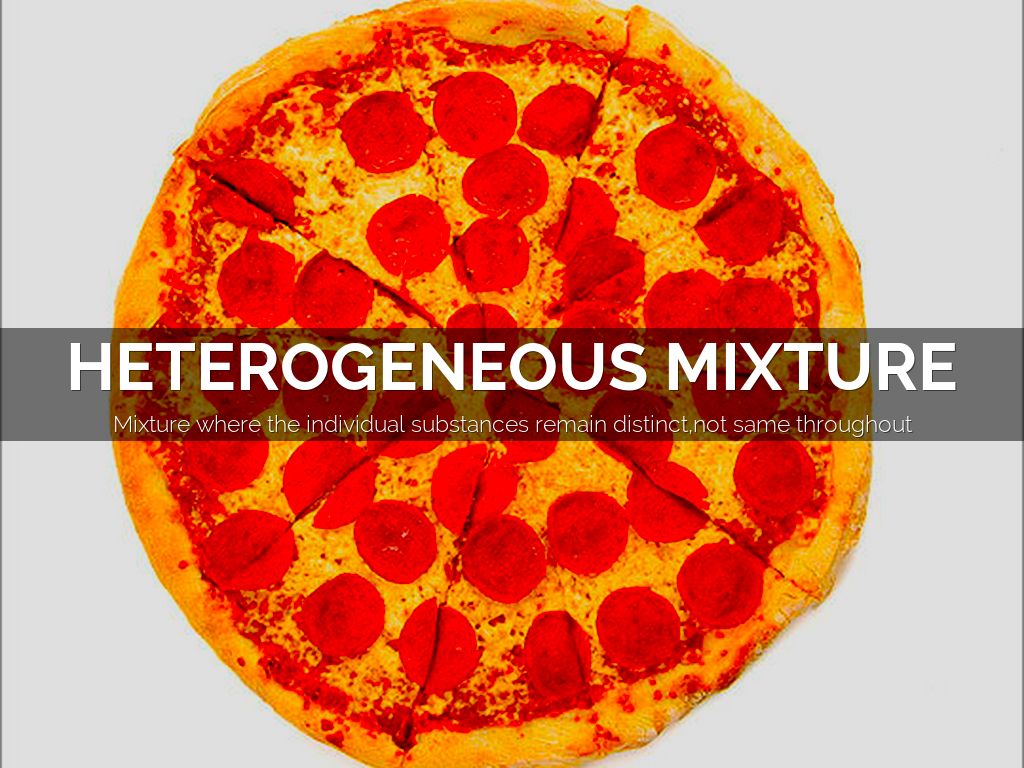
Which statement below does NOT describe a colloid?
A colloid is a type of heterogeneous mixture
you can see the particles with the naked eye
The particles in a colloid do not settle like they do in a suspension.
The particles in a colloid do not dissolve – they are just too small to be seen.
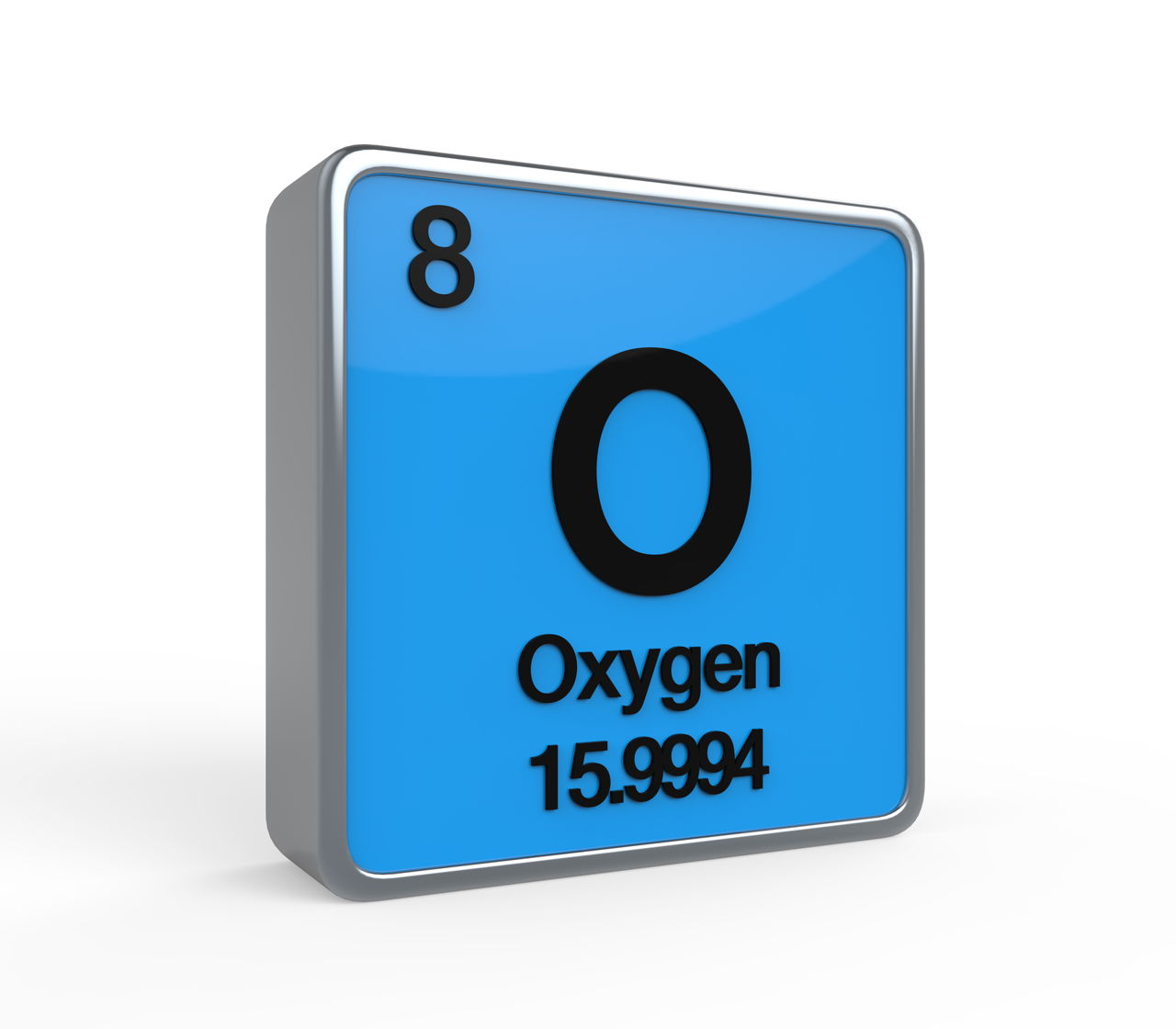
Determine the type of composition of matter for oxygen.
Element
Compound
Homogeneous Mixture
Heterogeneous Mixture
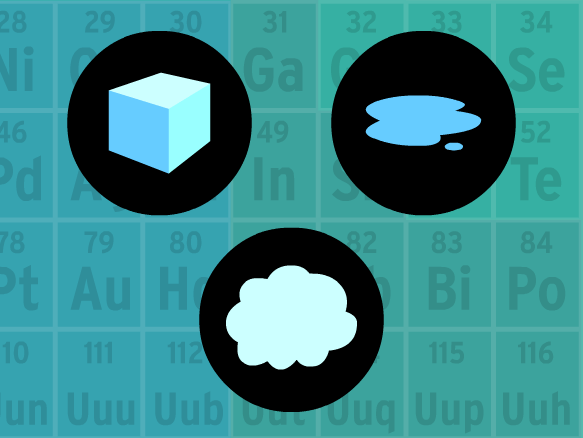
True or False? Matter can exist in any phase- solid, liquid, or gas and not plasma
False
True
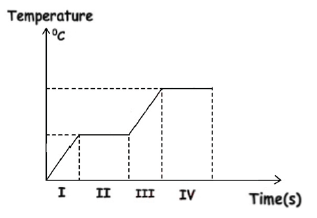
Consider the following temperature-time graph when a solid is heated. which part of the graph involves latent heat of vaporization?
Part I
Part II
Part III
Part IV

Consider the following temperature-time graph when a solid is heated. which part of the graph involves latent heat of fusion?
Part I
Part II
Part III
Part IV

In which region(s) does temperature increase? (a)
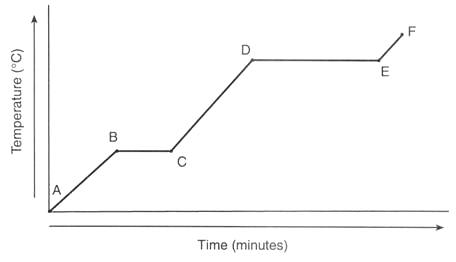
Between which points is the temperature of the substance remaining constant? (a)

Describe the substance at letter A. (a)

The melting point of the sample is
-60 ºC
20 ºC
60 ºC
100 ºC
State of matter (solid, liquid, gas)
Color
Electrical conductivity
Flammability
Oxidation
Chemical stability

How are suspensions and colloids different?
Suspensions settle out and colloids do not settle.
Colloids settle out and suspensions do not settle.
Suspensions dissolve and colloids do not.
Colloids dissolve and suspensions do not.
Describe the substance at letter E. (a)

NaCl was heated starting at an initial temperature of 0°C. The heating curve is shown in the picture. What is the melting point of this substance?
0°C
801°C
1000°C
1465°C

Which letter indicates where water is in both the solid and liquid phase at the same time?
A
B
C
D
E
Properties that require the substance to change into something else in order to observe them are
(a) properties; while those that do not lead to a change in the substance are (b) properties.
inflating a tire
physical change
physical property
chemical change
chemical property
corrosion (rusting) of a bicycle frame
physical change
physical property
chemical change
chemical property
a burning candle
physical change
physical property
chemical change
chemical property

A
B
C
D

What is the number of protons that the element in this image contain?
14
15
7
18

