
 Worksheets
NJ Chapter 3 Lenape Review
Total questions: 80
Worksheet time: 1hrs 22mins
What is a land bridge that connected Asia with North America during the Ice Age called?
Beringia
Ice Age
Bering Strait
Prehistory
What term describes a person who found food by hunting animals and gathering plants, fruits, and nuts?
Ancestor
Hunter-gatherer
Sakima
Heritage
Which term refers to the period when glaciers covered much of Earth's surface?
Ice Age
Prehistory
Beringia
Oral Tradition
What is the term for a body of water that separates North America from Asia?
Bering Strait
Ice Age
Beringia
Heritage
What do we call the time before there were written records?
Prehistory
Ice Age
Oral Tradition
Religion
Who is a wise man or woman in a Lenape village whom people turned to for advice and guidance?
Ancestor
Hunter-gatherer
Sakima
Heritage
What term describes the history, beliefs, and way of life that a group of people shares?
Heritage
Religion
Oral Tradition
Prehistory
How is a culture preserved through word of mouth and stories?
Oral Tradition
Religion
Heritage
Prehistory
What term is used to describe the way people worship God, a god, or gods they believe in?
Religion
Heritage
Oral Tradition
Prehistory
What does the term "artifact" refer to in the context of archaeology?
A tool used by archaeologists
An object made by humans, typically an item of cultural or historical interest
A type of housing used by ancient people
A modern technological device
What is the term used to describe a structure traditionally used by some Native American tribes for housing?
Teepee
Igloo
Longhouse
Castle
Which of the following crops is NOT one of the most common crops grown by the Native American tribes mentioned in the text?
Corn
Wheat
Beans
Squash
True or False: The Lenape people lived in New Jersey, Delaware, and Vermont.
True
False
True or False: Girls and women traditionally wore breechcloths in the cultures described.
True
False
How did the Lenape prepare for the winter winds and snow?
by going on vacation
by strengthening their homes and gathering food
by planting more crops
by exploring new land
What were Lenape boys taught?
planting crops and harvesting
housekeeping and gardening
weaving mats and bags
woodcraft and hunting
Matching
a period of time when glaciers covered much of Earth’s surface
Ice Age
a land bridge believed to have connected Asia with North America for about 2,000 year during the Ice Age
Beringia
body of water that separates North America from Asia
Bering Strait
Match the following
artifact
an object left behind by people who live
archaeologist
a scientist who looks for and studies a
prehistory
the time before written records
hunter-gatherer
a person who found food by both hunting
ancestor
a relative who lived before you
Native American group who lived throughout New Jersey and in parts of Delaware, Pennsylvania, and New York
Lenape
Lenapehoking
Munsee
Unami
Unalachtigo
area where the Lenape lived, including parts of New Jersey, Delaware, New York, and Pennsylvania
Lenape
Lenapehoking
Munsee
Unami
Unalachtigo
people of the stony country
people down the river
people near the ocean

symbol - wolf

symbol - turtle

symbol - turkey
Match the following
houses several families together
houses one family
long-shaped
round-shaped
shelves for storage
about 15 feet wide
about 60 feet long and 20 feet wide
easier to construct


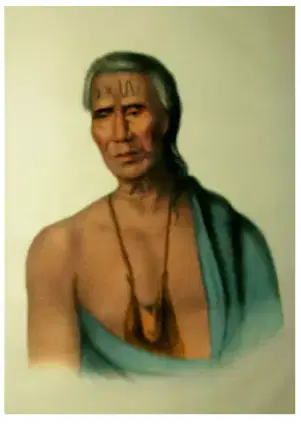
Which is NOT true about the sakima?
leads ceremonies
helps resolve conflicts
works with other tribes
give orders
gives advice
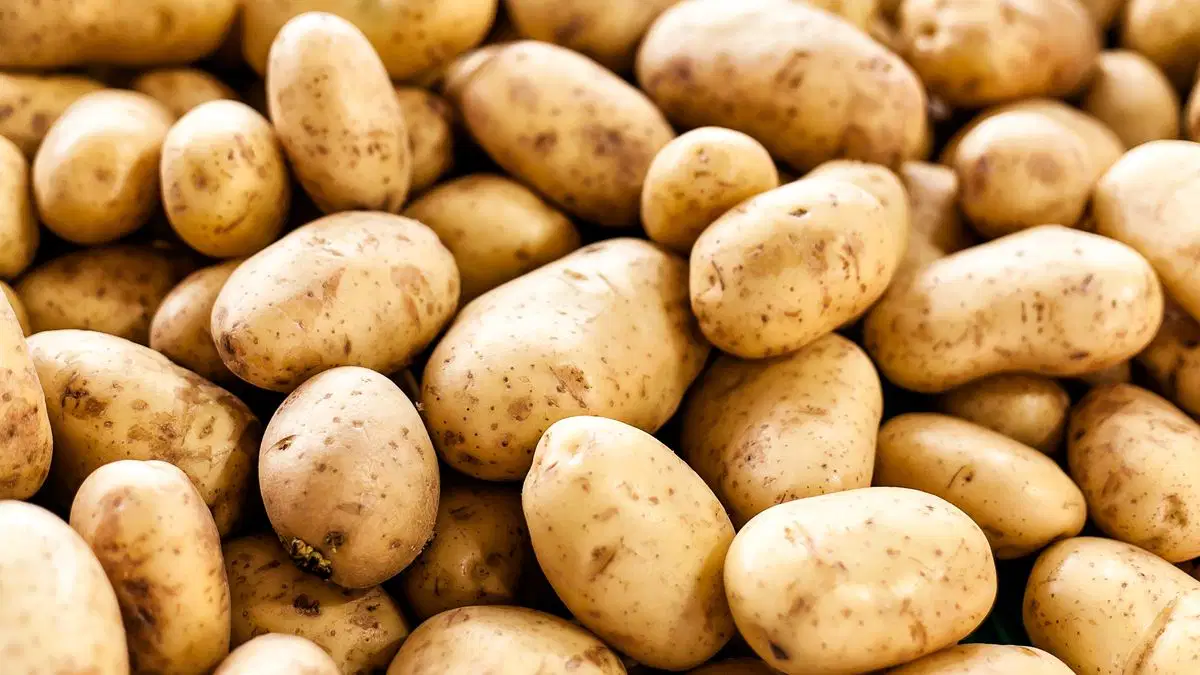
Select the "Three Sisters"



Match the following
the history, beliefs, and way of life that a group of people shares
heritage
the way people worship God, a god, or gods they believe in
religion
the Lenape word for the many different spirit forces that they believed controlled the world
manetu
Label each Lenape group to where they lived in New Jersey
Munsee
Unami
Unalachtigo
stayed with their mothers in a cradleboard
cooked
cared for children
hunt
fish
make tools
wore breechcloths
wore skirts
Label the piece of land that used to exist between Asia and North America
Bering Strait
Beringia
Label the body of water that is currently between Asia and North America
Bering Strait
Beringia
Match the following
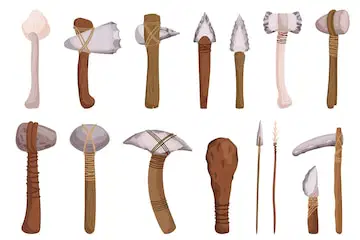
artifacts
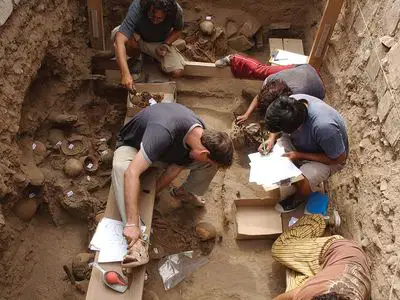
archaeologist

hunter-gatherer
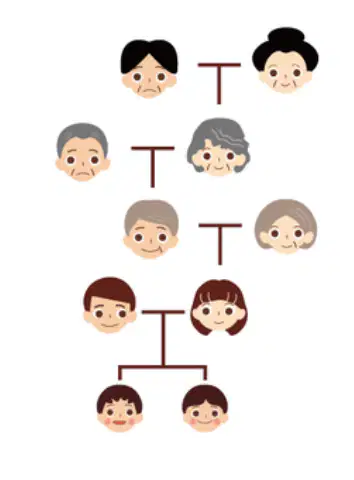
ancestor
Match the following
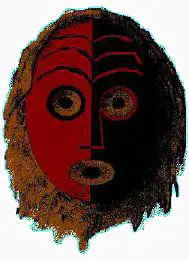
manetu
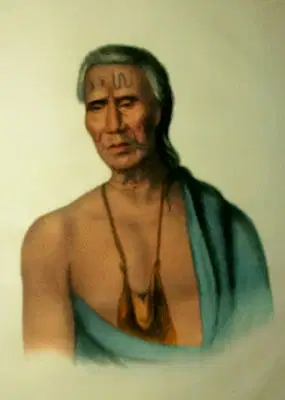
sakima
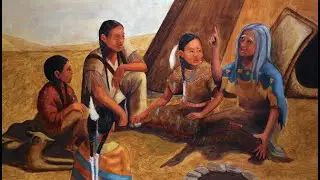
oral tradition
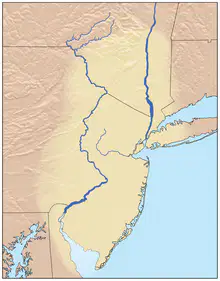
What is this area called, where the Lenape lived?
Lenapehoking
New Jersey
Delaware
New York
Pennsylvania
planted crops
hunted
gathered berries
traveled to the shore to collect clams and oysters
harvested gourds and pumpkins
strengthened longhouses and wigwams
spent time inside homes
told stories
Match the following
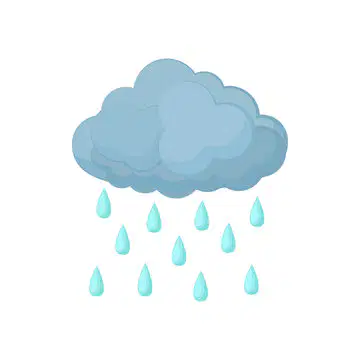
good manetu
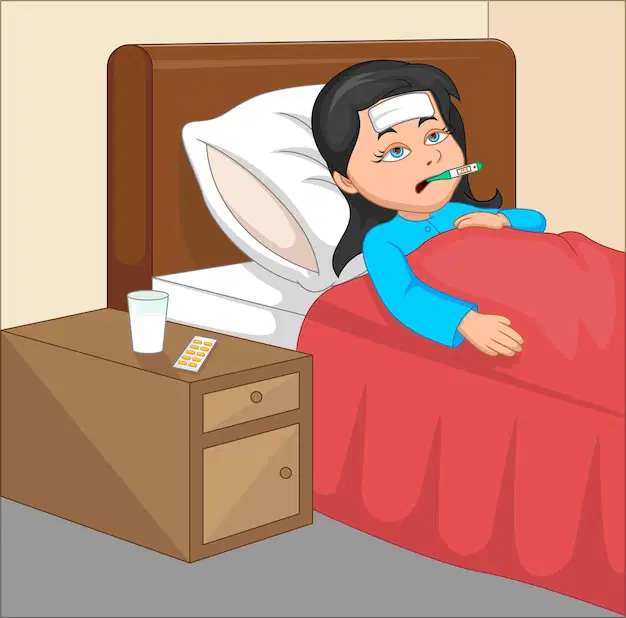
bad manetu
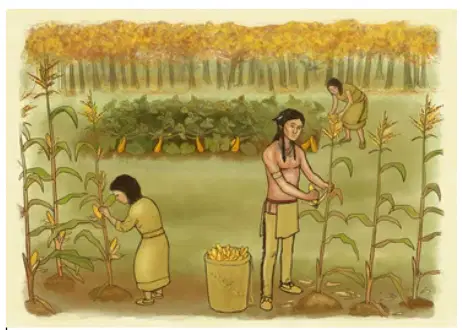
Corn Festival
Lenape children went to school
True
False
Lenape children learned by working with their parents.
True
False
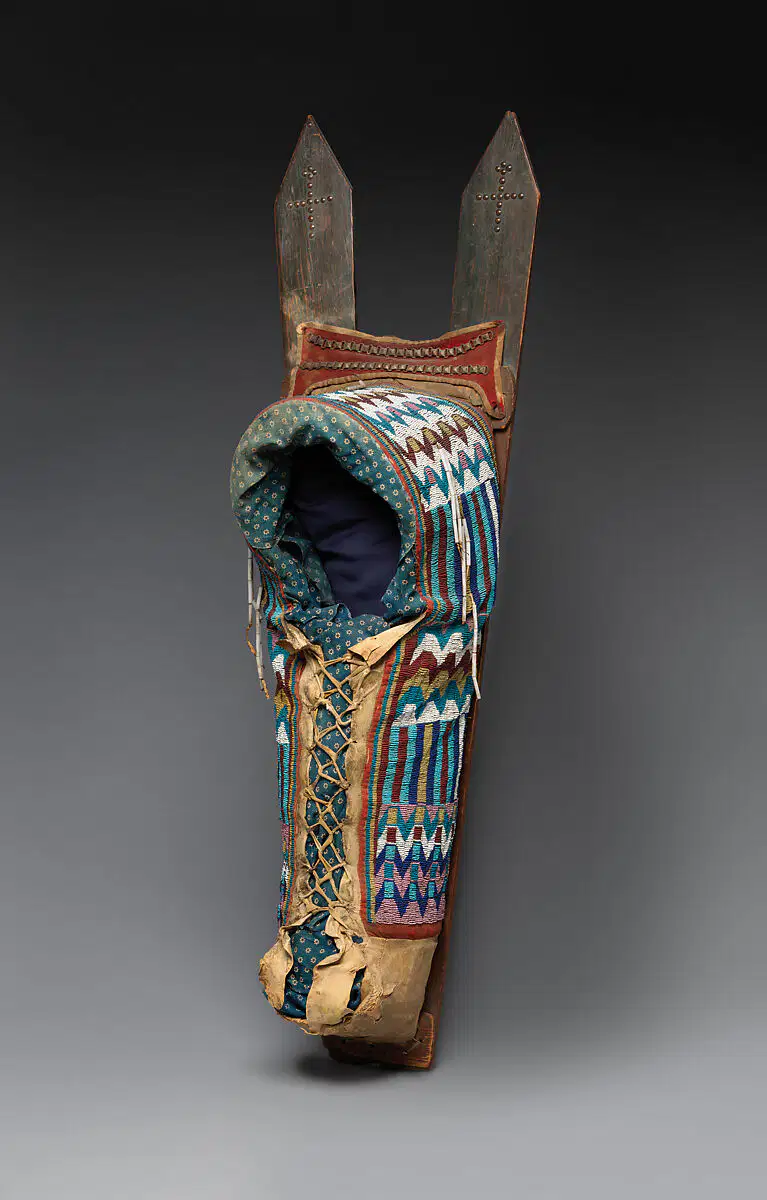
What is this?
manetu
breechcloth
cradleboard
wigwam
How many meals a day did the Lenape eat?
1
2
3
4

Which home was small, rounded, and only held 1 family?
Wigwam
Longhouse

Which home was larger and help multiple people?
Wigwam
Longhouse

What clothing did men wear?
Breechcloths
Skirts
What clothing did women wear?
Breechcloths
Skirts

What was the name of the shoes everyone wore?
Sneakers
Slippers
Moccasins
Flip Flops

What did the Lenape use turtle shells for?
Forks
Knives
Bowls
Choose all the different forms of entertainment the Lenape participated in.
Select 3 correct answers
Storytelling
Music/dancing
Games
Video games
Reading the newspaper
What materials did the Lenape use to build wigwams and longhouses?
bricks
saplings and bark
stones
The Lenape used ______________ for transportation.
Select 2 correct answers
boats
cars
canoes
walking
Both Lenape men and women wore _________________ as shoes to protect their feet.
moccasins
slippers
sneakers
What some ways the Lenape tried to keep clean? Choose 2 correct answers.
rolling in the mud
daily swim in the lake or river
sweat lodge
taking a shower
Who were the FARMERS in Lenape families?
There were no farmers
women
children
What was the job of Lenape children?
To play and learn from their parents and Elders
To go to school all day
To play all day long and never help the adults
Which one was NOT a job of the women in the tribe?
cooking
hunting
gathering
_________ means before the time of written records.
Prehistoric
Mesolitic
Bibliographic
The Lenape planted:
corn, squash and beans
avocados, cilantro and peppers
chick peas, salt and pepper
How did Lenape families pass on their traditions
gossiping
oral stories
attending celebrations
Dancing
Where did the Lenape settle in NJ?
in the mountains
in caves and dams
by lakes and rivers
In the Lenape culture, everyone belonged to a group called a ________________.
family
pod
clan
party
information passed down by word of mouth.
oral tradition
stories
prehistory
sakima
the time before people left written records
prehistory
oral tradition
Ice Age
archeologist
people in your family, starting with your parents, who were born before you
old people
ancestors
grandparents
archaeologist
a person who studies artifacts to learn about the past
archaeologist
geologist
palentologist
scientist
spirit forces that the Lenape believed controlled the world
ghosts
sakima
manetu
spirit
the history, beliefs, and way of life that a group of people share.
heritage
traditions
beliefs
history
What is the Big House Ceremony?
a ceremony in which the Lenape gave thanks to the Creator, the most important Manetu.
a ceremony where the Lenape celebrated the god of corn
a ceremony where the Lenape had a big house party
a ceremony where the Lenape sang and danced and praised the god of rain
How did the Lenape make decisions about important village matters?
men and women met in the longhouse to discuss important matters.
men and women met in the wigwam to discuss important matters.
they would ask the sakima
they held meetings and let the manetu decide for them
Ancestors of the Lenape once lived in
Mexico
Africa
Australia
Asia
Lenape often built their villages near....
rivers, streams, and forests
other phratries
mountains
large cities
Check the 3 groups of Lenape
the Munsee
the Navajo
the Unami
the Unalachtigo
one of the first people to live on a land
native
manetu
sakima
prehistory
archaeologist

