
 Worksheets
Chemistry F5C4 (4.1)
Total questions: 17
Worksheet time: 16mins
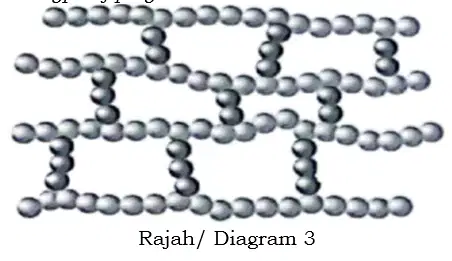
Diagram 3 shows a type of polymer.
Which of the following substances is the example of the polymer?
Nylon
Bakelite
Polyethene
Polyurethane
Among the following, which polymer results from a condensation polymerization reaction?
Polyethene
Polyvinyl chloride
1, 2-ethanediol
Terylene
Which of the following is produced from addition polymerisation?
Cotton
Nylon
Polyvinyl Chloride
Terylene
Polymer X is a long chain molecule made up from repeating unit of glucose. Which of the following is polymer X?
Fat
Protein
Natural rubber
Starch
Which of the following is a synthetic polymer?
Glucose
Rubber
Nylon
None of them
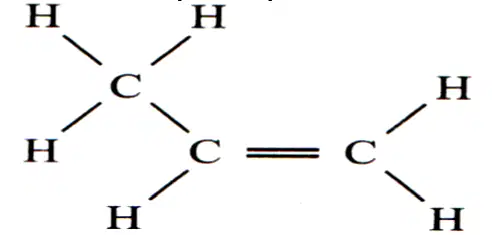
Diagram 9 shows the structural formula of a monomer.
Which of the following is the structural formula for the polymer formed?


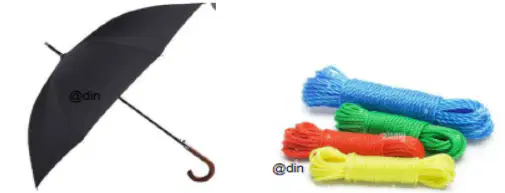
Diagram 10 shows the uses of a type of polymer produced through polymerisation reaction.
Which of the following statements is true about the polymerisation?
Formed from a combination of the same type of monomers
Formed from a combination of different types of monomers
This polymerisation produces a biodegradable polymer
Formed from monomers that have double covalent bonds
Polyvinyl chloride is a polymer which can be repeatedly remoulded upon heating. What is the type of polymer?
Natural polymer
Thermosetting polymer
Thermoplastic polymer
Elastomer polymer
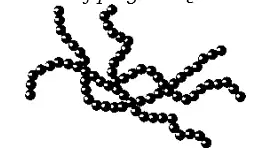
Diagram 25 shows the structure of polymer Q.
Which of the following is a property of polymer Q?
Disintegrate or burn upon heating and cannot be recycled
Can be stretched and can return to their original shape when released
Can be repeatedly remoulded upon heating and can be recycled

Diagram 29 shows the structure of a polymer.
Which of the following is the monomer of the polymer?


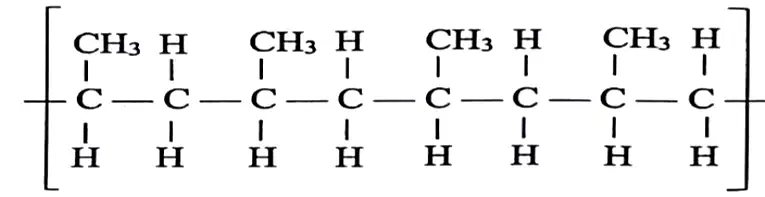
Diagram 4 shows the molecular structure of a polymer.
Which of the following is the monomer of this polymer?
Ethene
But-l-ene
Propene
But-2-ene
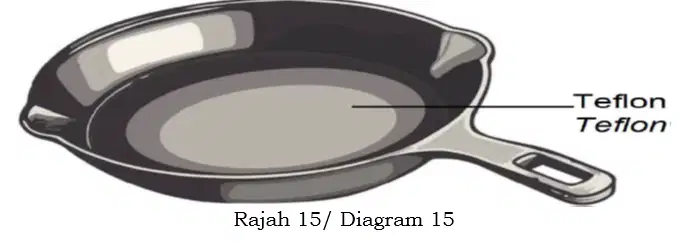
The surface of the frying pan is coated with teflon so that it does not stick. Teflon is a polymer known as polytetrafluoroethene. Diagram 15 shows the surface of the pan coated with teflon.
What is the monomer of teflon?
Ethene
Fluoroethane
Fluoroethene
Tetraluoroethene
Which of the following statements is the characteristics of synthetic polymers?
Takes a short time to decompose biologically
Less resistance towards oxidation
Inert and non-reactive
Light and soft
Which of the following products of condensation polymerisation?
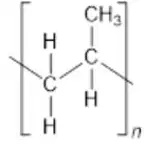
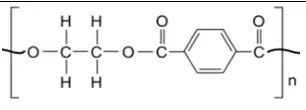
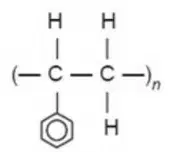
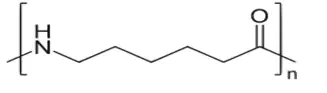
Which of the following statements is true for both nylon and terylene?
Produced through addition polymerisation
Produced through condensation polymerisation
The monomers involved consist of two functional group
The monomers involved consist of unsaturated hydrocarbon

Monomer A and B undergo a condensation polymerisation reaction to produce a polymer.
What is the by-product produced beside the polymer?
Water
Hydrogen
Hydrogen Chloride
None
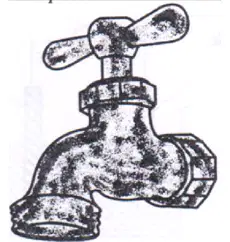
Which of the following polymer can replace iron so that the water tap will not corrode?
Bakelite
Melamine
Polyvinyl Chloride
Styrene-Butadiene Rubber (SBR)

