
 Worksheets
Classification Quiz: Virus to Animals
Total questions: 218
Worksheet time: 5hrs 17mins


Bacteria go through this asexual reproduction process.
budding
binary fission
sporulation
regeneration
Which of the following are members of the kingdom Archaebacteria?
methanogens
eubacteria
eukaryotes
E. coli

Identify the type of root system shown on the right.
tap root
fan root
fibrous root
What does the vacular tissue phloem transport?
water
nutrients
waste
What does the vacular tissue xylem transport?
water
nutrients
waste
In what layer of the leaf would you find chloroplasts?
epidermis
palisade mesophyll
spongy mesophyll

What do you call the porelike openings that allow gases to enter and leave the leaf?
chlorphyll
stomata
xylem
phloem

What type of tropism does the venus fly trap demonstrate when it captures a bug?
Phototropism
Gravitropism
Thigmotropism

What type of tropism is this tree demonstrating?
Phototropism
Gravitropism
Thigmotropism

What type of tropism is this plant demonstrating?
Phototropism
Gravitropism
Thigmotropism

Is this a picture of a gymnosperm or an angiosperm?
Gymnosperm
Angiosperm

Is this the lifecycle of a gymnosperm or angiosperm?
gymnosperm
angiosperm

The pistil (or carpel) is the _______ part of the flower
Male
Female

The stamen is the ______ part of the flower
male
female


These are found inside of the ovary, they are tiny egg cells that will become seeds, also known as ______________
ovaries
ovules
anthers
sepals


This is an image of pollen under the microscope. Which male structure produces pollen?
filament
style
stigma
anther

The arrow points to the female structure _________
style
stigma
anther
filament

The arrow points to the yellow pollen producing structures on this image. These are called the ________
stimga
style
anther
filament

The arrow points to a long stalk that leads to the ovary. This stalk is called ______
ovary
ovule
style
stigma

The arrow points to the green structures that enclose and protect the flower before it opens. These structures are called _____________
stigma
stamen
sepals
pistil

The arrow points to the colorful part of a flower that attracts pollinators. These are called the __________
pollen
sepals
petals
style

The yellow structures in this picture are pollen. The arrow points to the open structure that captures pollen. This structure is called the _________
anther
filament
stigma
stamen
What classification is moss?
protist
plant
fungi
What classification is algae?
protist
plant
fungi
Lichen is a plant.
true
false
What group of plants makes up the majority of plant species?
ferns
gymnosperms
angiosperms
moss, hornworts, and liverworts
Are ferns vascular plants?
Yes
No
The life cycle of a fern has two different stages; _______________ (gametophyte /sporophyte), which release spores, and ___________ (gametophyte /sporophyte), which releases gametes. Gametophyte plants are haploid, sporophyte plants diploid. This type of life cycle is called alternation of generations.
gametophyte, sporophyte
sporophyte,
gametophyte
Liverworts, hornworts, and moss are all ____________
vascular plants
nonvascular plants
ferns
In the gametophyte generation, the gametes are _________.
haploid
diploid

Is the picture an example of a dicot stem or monocot stem?
monocot
dicot

What is this a picture of?
female seed cone
male pollen cone
female pollen cone
male seed cone

What is this a picture of?
female seed cone
male pollen cone
female pollen cone
male seed cone
If a female pine cone's scales are open this means __________.
the seeds are forming.
the fertilized seeds have been released.
the seeds are stored in the cone.
When using binomial nomenclature to identify if two plants are related, you compare the _________.
genus
species
The name Lupinus texensis is the scientific name for a bluebonnet flower. Which part is the species name?
Lupinus
texensis
Which of the following organisms belong to Phylum Annelids (segmented worms)?
Snake
Salamander
Earth Worm
Snail

Which phyla has a soft unsegmented body and can be protected by a shell?
Porifera
Mollusks
Echinoderm
Annelid

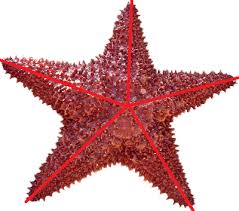
This phylum means spiny skin and lives in water
Echinoderm
Arthropods
Annelids
Cnidarians
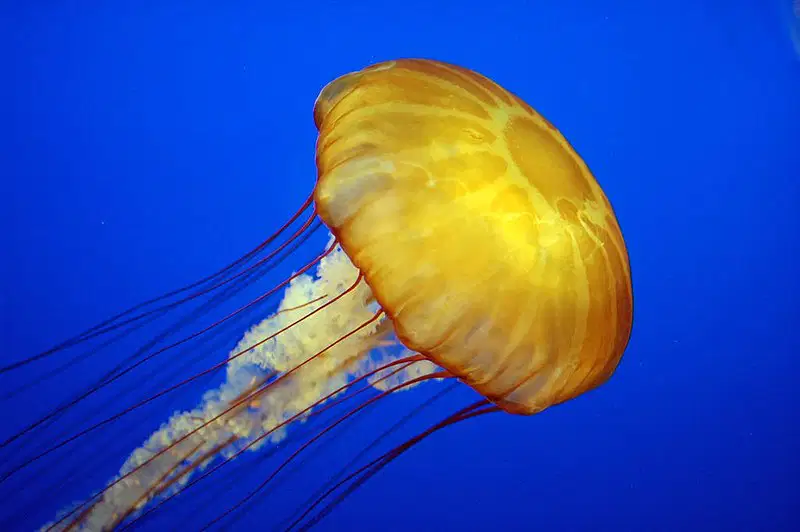
This phylum has a medusa and polyp stage, stinging tentacles, and radial symmetry. What phyla is it?
Arthropods
Annelids
Cnidarian
Mollusks

Select all of the following characteristics that apply to mammals: (select 3 choices)
Give live birth
Produce milk for young
Skin is covered in hair or fur
Have feathers
Identify the phyla which is an invertebrate.
Fish
Arthropods
Amphibians
Birds

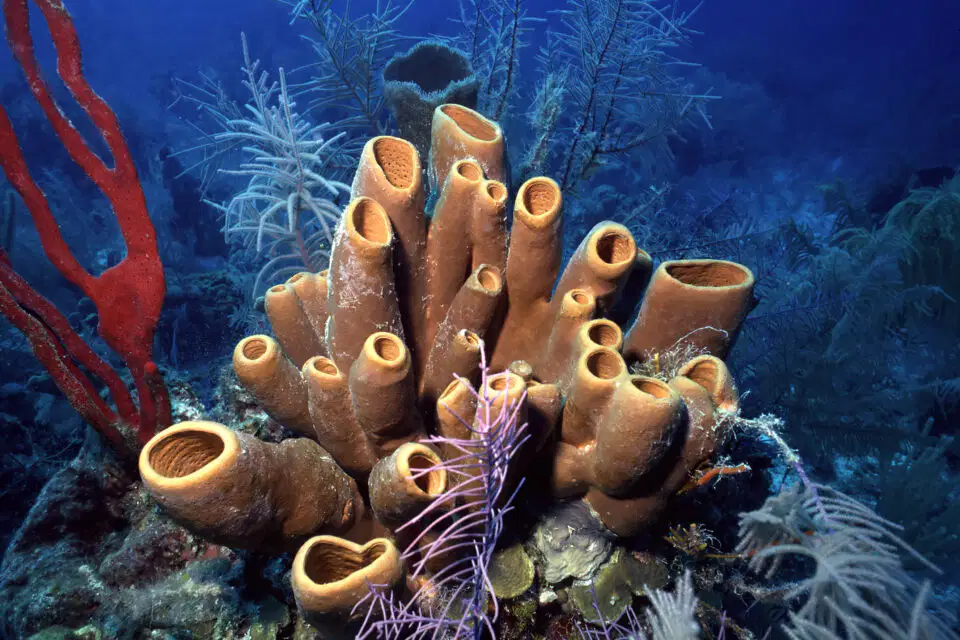
Organisms, like sponges, lacking body tissues and body symmetry belong to which of the following phyla?
Cnidaria
Mollusca
Arthropods
Porifera

Mollusks include which of the following?
Octopus, Squid, Clams, Snails
Fish, Squid, Jellyfish, Sea cucumbers
Earthworms, Sea cucumbers, sea urchins
Birds, Fish, Whales, Sponges

Which of the following are examples of echinoderms?
Jellyfish, Hydrozoa, Squid
Slugs, Snails, Mussels
Sea stars, sea urchins, sea cucumbers
spiders, crabs, crayfish


Which animal phylum contains the following: Squirrel, dolphin, shark
Echinodermata
Chordata
Cnidaria
Porifera

Which animal phylum contains: Jellyfish, corals, & anemones?
Cnidaria
Porifera
Chordata
Echinodermata

Which animal phylum contains: Spiders, crabs, scorpions, insects?
Cnidaria
Arthropoda
Chordata
Echinodermata
Which of the following do NOT go through cephalization (no head)? Select all that apply.
chordate
Annelid
Arthropoda
Porifera
Most diverse and numerous INVERTEBRATE phylum?
Arthropoda
Nematoda
Chordata
Porifera
Which animal phylum has no specialized tissues (most simple animal)?
Porifera
Chordata
Annelida
Mollusca
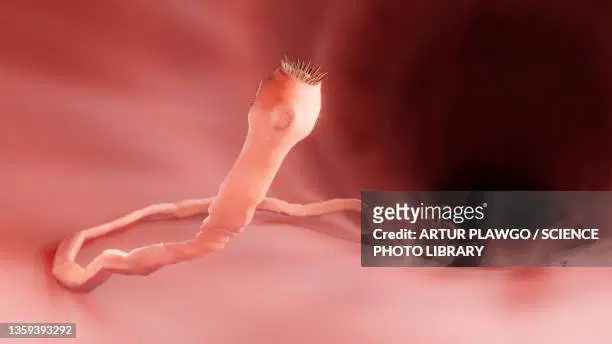
This phylum is made of flat worms. (parasitic like the tapeworm)
Annelida
Mollusca
Nematoda
Platyhelmintes

This phylum is made of round, not segmented worms. (many are parasitic but not all)
Annelida
Mollusca
Nematoda
Platyhelmintes

Which Phylum?
Chordata
Arthropoda
Amphibia
Cnidarian
Annelids are hermaphrodites. Define this term.
They have three tissue layers.
They have a body cavity.
They produce both egg and sperm.
They can regenerate lost body parts.
Diffusion allows amphibians to
Breathe through their gills
Breathe through their lungs
Breathe through their skin
Reproduce
Which is one of the traits to be a mammal?
must have a high temperature
males must be able to feed their babies meat
must have gills
females must be able to feed their babies milk
Which of the following are basic traits a mammal must have to be a mammal?
hair, warm blooded, and differentiated teeth
hair, cold blooded, and have scales
fur, warm blooded, and have scales
fur, cold blooded, and mothers can feed their babies mil
Coelomate, exoskeleton and jointed appendages are characteristics of
Annelida
Arthropoda
Mollusca
Chordata
Pharyngeal slits, endoskeleton derived from mesoderm and ventral heart are characteristics for
Annelida
Chordata
Cnidaria
Nematoda
Which of the following is not an arthropod characteristic?
Jointed appendages
Nonsegmented body
molting
exoskeleton
Which of the following group of animals is sessile? (choose all that apply)
jellyfish
fish
sponge
coral
The nematodes are also called _________________.
flatworms
roundworms
tapeworms
earthworms
These are characteristics of Animalia, EXCEPT...
heterotroph
multicellular
prokaryotic
eukaryotic
An ...... is animal without backbone.
Vertebrate
Chordata
Invertebrate
Pisces
Animal that doesn't have body cavity called as...
acoelom
coelom
Animal's cell consist of...
cell wall
cell-membrane
Which one of these species that doesn't have true tissue?


Snails are classified in phylum...
Arthropoda
Mollusca
Annelida
Nematoda
Which one of this species is not an insect?


Which one of this species is classified in Echinodermata phylum?


Chordates include
plants
sponges
Jellyfish
fish, amphibians, reptiles, birds, and mammals
The science of naming and classifying is called
Classology
Taxonomy
Genetics
Biology
The scientific name of an organism is always written
in capital letters
with the kingdom first
in italics or underlined
in bold
All kingdoms except Archebacteria and Eubacteria have cells that are
eukaryotic
prokaryotic
enclosed in a cell wall
without a nucleus
Organisms in the kingdom _______ are described as plant-like, animal-like, and fungus-like.
Fungi
Animalia
Plantae
Protista
Some Protozoa, like the __________ move by pseudopods, which are flowing extensions of the cell.
paramecium
mushroom
yeast
amoeba
The protozoan that lives in the gut of termites and helps digest wood has a __________ relationship with the termite.
mutualistic
commensalistic
parasitic
harmful
The kingdom Fungi includes mushrooms, yeast, mildew and
amoebas
seeds
mold
grasses
Beneficial fungi include decomposers, those used in food production, and
those that cause ringworm
those that produce the antibiotic penicillin
slime mold
poisonous mushrooms
Plants make their own food. This means they are considered
semitrophs
heterotrophs
autotrophs
unicellular
Organisms that coannot make their own food are considered
semitrophs
heterotrophs
autotrophs
multicellular
Fungi are decomposers and are considered
semitrophs
heterotrophs
autotrophs
unicellular
Plant cells have three things that animal cells do not. These include a cell wall, a large central vacuole, and _________.
a nucleus
organelles
a cell membrane
chloroplasts
Plant cells have cell walls made of cellulose but fungi have cell walls made of _____.
chitin
cellulose
lipids
semipermeability
Nonvascular plants do not have ______
vessels (xylem and phloem)
chloroplasts
cell walls
water
Some plants that contain spores on the underside of their leaves are called
mosses
ferns
angiosperms
gymnosperms
Trees produce annual growth rings. Years with sufficient rainfall will produce _________ rings than dryer years.
narrower
darker
lighter
wider
Green algae are in the Protista kingdom and are thought to be the ancestors of the _________ kingdom.
Fungi
Animalia
Eubacteria
Plantae
An example of a unicellular fungus is _______.
yeast
mushrooms
mold
mildew
Decomposers, like fungi, get their food from _______ organisms.
living
dying
dead
new
The classification level _______ is the most specific among these choices.
kingdom
phylum
genus
order
List the taxonomic levels of classification in order from most general to most specific.
(a)
The Kindgom Animalia contains _______ organisms
unicellular
multicellular
prokaryotic
semicellular
Unlike plants, animals do not have a ______.
cell membrane
ribosome
cell wall
mitochondrion
Unicellular organisms that can live in extreme conditions such as hot springs, hydrothermal vents, and acidic environments are part of the Domain and Kingdom _____.
Eubacteria
Bacteria
Archaebacteria
Protista
"True" bacteria belong to the Kingdom and Domain _______.
Eubacteria
Fungi
Archaebacteria
Protista
Bacteria are classified according to their ______.
size
shape
symmetry
color
The word Cocci means _____
rod-shaped
spiral-shaped
heart-shaped
sphere-shaped
The word Bacilli means _____
rod-shaped
spiral-shaped
heart-shaped
sphere-shaped

Identify the type of root system shown on the right.
tap root
fan root
fibrous root
What does the vacular tissue phloem transport?
water
nutrients
waste
What does the vacular tissue xylem transport?
water
nutrients
waste
In what organelle of plant cells does photosynthesis occur?
mitochondria
centrioles
chloroplast
ribosomes
What role do pigments like chlorophyll play in photosynthesis?
The products of cellular respiration
CO2
CO2, H2O
CO2, H2O, glucose
CO2, H2O, and lots of ATP
Occurs in plants
photosynthesis only
cellular respiration only
photosynthesis and cell respiration
all of the above
The reactants of cellular respiration
CO2, H2O, sunlight
O2, glucose
CO2, glucose
H2O, sunlight
The products of photosynthesis
CO2, H2O, sunlight
CO2, H2O, ATP
O2, Glucose
CO2, Glucose
Location for aerobic respiration
mitochondria
chloroplasts
cytoplasm
vesicle
Which of the following is a group of unicellular fungi used in baking bread?
The protist that leads to the evolution of plants is ____________

What type of protist is this?
euglena
volvox
paramecium
amoeba

Paramecium move using _____.
pseudopods
cilia
flagella

Amoebas move using _____.
pseudopods
cilia
flagella

Euglena and Volvox move using _____.
pseudopods
cilia
flagella
How many kingdoms are there?
2
4
6
5
Who is the scientist who had the idea of classification we use today?
Linnaeus
Darwin
Aristotle
Pierce


In which kingdom do I belong if I am unicellular and eukaryotic?


Rod-shaped prokaryotes swabbed from a kitchen faucet.
Unicellular organisms with no nuclei found living in the superheated waters of a hot spring.
Microscopic unicellular organism found in a mud puddle. Organism's DNA is contained in a nucleus and it moves by beating tiny hairs in the water.
Multicellular organism with cell walls made of chitin found growing on a decomposing manure pile.
Identify the kingdom... Multicellular organism with cell walls made of cellulose that is autotrophic.
Plant
The scientific name Felis domesticus indicates that ________ is the species name.
Felis
domesticus
Felis and domesticus
Feline
Some Protozoa, like the __________ move by pseudopods, which are flowing extensions of the cell.
paramecium
mushroom
yeast
amoeba
An example of a unicellular fungus is _______.
yeast
mushrooms
mold
mildew
The classification level _______ is the most specific among these choices.
kingdom
phylum
genus
order
List the taxonomic levels of classification in order from most general to most specific.
Most General = 1
Most Specific - 5
1
Domain
2
Kingdom
3
Phylum
4
Class
5
Order
List the taxonomic levels of classification in order from most general to most specific.
Most General = 1
Most Specific - 5
1
Class
2
Order
3
Family
4
Genus
5
Species
This Kingdom consists of mostly unicellular organisms that are Eukaryotic, complex organisms.
Eubacteria
Archaebacteria
Protista
Fungi
The word Bacilli means _____
rod-shaped
spiral-shaped
heart-shaped
sphere-shaped
Unicellular organisms that can live in extreme conditions such as hot springs, hydrothermal vents, and acidic environments are part of the Domain and Kingdom _____.
Eubacteria
Bacteria
Archaebacteria
Protista
"True" bacteria belong to the Kingdom and Domain _______.
Eubacteria
Fungi
Archaebacteria
Protista
A prokaryote is an organism that doesn't have _______. Check all that apply.
cell wall
cell membrane
cytoplasm
nucleus
membrane bound organelles
Type the Kingdoms under the mode of reproduction that applies.
Eubacteria
Archaebacteria
Protist
Fungi
Plantae
Animalia
Type the Kingdom under the Habitat that applies.
Protista
Archaebacteria
Plantae
Animalia
Fungi
Which of the following sets of animals would be the most closely related?
Animals in the same order
Animals in the same genus
Animals in the same class
Animals in the same family
Which of the following taxonomic groups would contain plants with the greatest amount of variety and differences?
Kingdom
Phylum
Order
Family
Which of the following sets of animals would contain the least closely related organisms?
Animals in the same phylum
Animals in the same genus
Animals in the same class
Animals in the same family
Which of the following taxonomic groups would contain organisms with the greatest amount of genetic similarities?
Domain
Kingdom
Phylum
Class
The American lobster (Homarus americanus) is most closely related to which of the following organisms?
Cape lobster (Homarinus capensis)
Common lobster (Homarus gammarus)
Patagonian lobsterette (Thymops birsteini)
Scarlett clawed lobster (Nephropsis atlantica)

Which of the following pairs of organisms from the table shown to the left would be the most closely related?
Desert iguana and Box turtle
Chuckwalla and Bush anole
Box turtle and Bush anole
Desert iguana and Chuchwalla
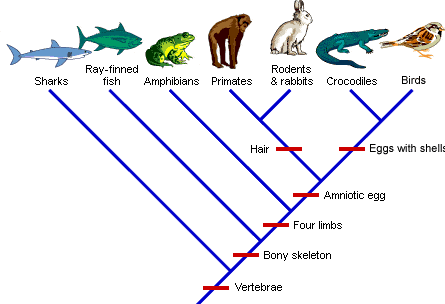
According to this cladogram, primates are most closely related to - (a)

According to this cladogram, birds are LEAST related to - (a)

Which trait do only humans have, according to the cladogram? (a)

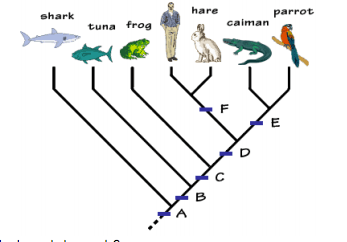
On the cladogram, which organisms have derived trait F?
Human
Hare
Caiman
Parrot
On the cladogram, which organisms have Derived trait D?
Frog
Human
Hare
Caiman
Parrot
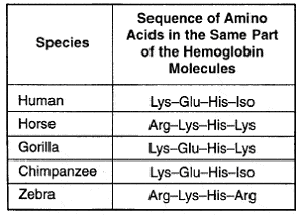
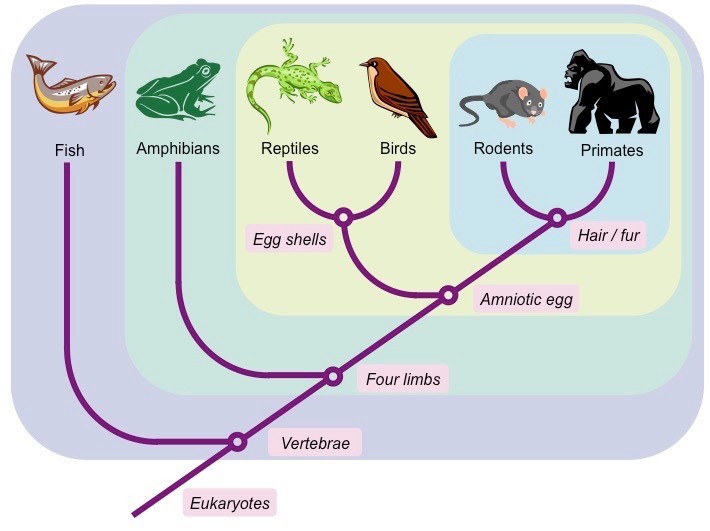
What characteristic distinguishes amphibians from birds and reptiles?
Amniotic egg
Egg shells
Vertebrae
Hair/fur
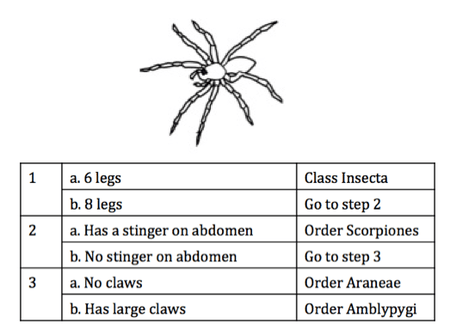

arachnids and insects?

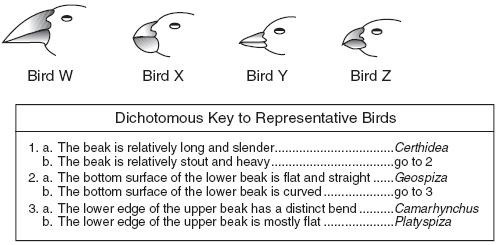
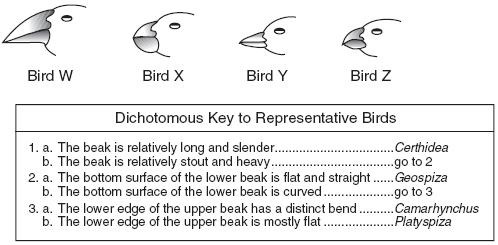

What Kingdoms are in the Domain Eukarya? Click all that apply.
Eubacteria
Animalia
Protista
Fungi
Plantae
Match the following Kingdom to their examples.
Eubacteria
Streptococcus, E. Coli
Archaebacteria
Thermophiles, Halophiles, Methanogens
Protista
Amoeba, Paramecium, Euglena,
Algae
Fungi
Mushrooms, Yeast, Mold
Plantae
Ferns, Mosses, Gymnosperms, Angiosperms
Match the following Kingdom to their description of cell wall (if any).
Eubacteria
cell wall with peptidoglycans
Archaebacteria
cell wall without peptidoglycans
Fungi
cell wall made of chitin
Plantae
cell wall made of cellulose
Animalia
no cell wall
Match the following type of cell to the correct Kingdom
Eubacteria
Prokaryotes
Archaebacteria
Prokaryotes
Protista
Eukaryotes
Fungi
Eukaryotes
Plantae
Eukaryotes
Match the following mode of nutrition to the correct Kingdom.
Eubacteria
Both: Heterotrophs and Autotrophs
Protist
Both: Heterotrophs and Autotrophs
Fungi
Heterotroph: Decomposers
Plants
Autotroph: Photosynthesis
Animals
Heterotroph
Match the following type of cell to the correct Kingdom(s).
Eubacteria and Archaebacteria
Unicellular
Protists
mostly unicellular
Fungi
mostly multicellular
Plantae
Multicellular
Animalia
Multicellular

