
 Worksheets
Homeostasis and Feedback Review
Total questions: 40
Worksheet time: 1hrs 14mins
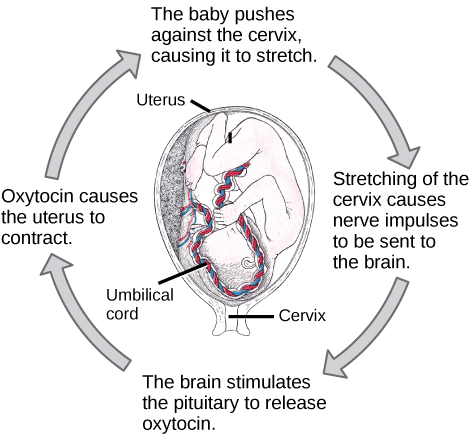
What is the point of a feedback loop?
To provide the body with more energy
To provide the body with more food
To make sure the conditions in the body are always changing
To make sure the conditions in the body remain stable

Blood sugar regulation is an example of a ______________ loop
positive
negative
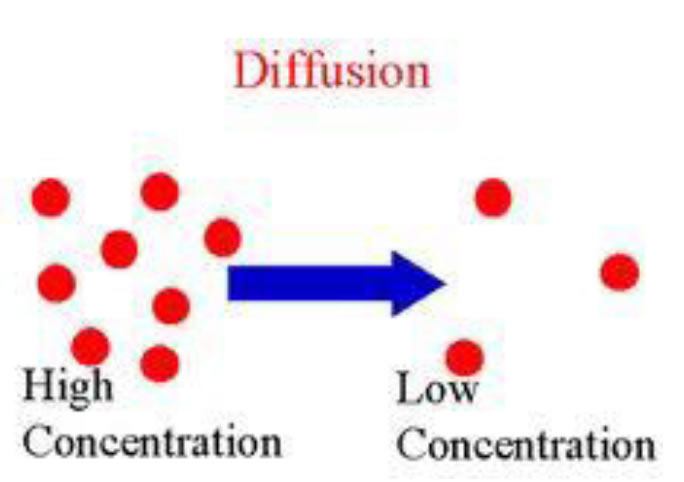


Because the human body is 60% water, an important process which helps humans and all living things maintain a “normal” internal cellular environment even when external surroundings are constantly changing is:
diffusion
osmosis
active transport
carrier transport
The difference in the concentration of a substance across a space is called:
kinetic energy gradient
solvent gradient
concentration gradient
dynamic equilibrium
A cell that is 80% water and 20% solute is placed in a solution that is 60% water and 40% solute. Which of the following is correct?
It is isotonic because the concentration is the same inside and outside the cell.
It is hypertonic because water is exiting the cell.
It is hypotonic because water is entering the cell.
It is hypertonic because water is entering the cell.
What can happen to a cell in a hypotonic solution?
It can shrink and shrivel up.
It can swell and burst.
Nothing will happen.
All of these are correct.

This a picture of an animal and plant cell placed in a solution. Describe the solution?
Isotonic
Hypotonic
Hypertonic

This a picture of an animal and plant cell placed in a solution. Describe the solution?
Isotonic
Hypotonic
Hypertonic


In passive diffusion, substances always move...
from an area of higher concentration to an area of lower concentration
from an area with more of the molecules to an area with fewer of the molecules
from an area of lower concentration to an area of higher concentration
from an area with fewer of the molecules to an area with more of the molecules
What is the definition of FACILITATED DIFFUSION?
Movement of molecules across the cell membrane from an area of high concentration to low concentration
Diffusion of water through a selectively permeable membrane
Movement of molecules across the cell membrane against the concentration gradient
Molecular structure that surrounds the cell and controls what enters and leaves the cell
Students are observing particles moving against the concentration gradient in a lab investigation. Which type of transport are they observing?
osmosis
active Transport
facilitated diffusion
diffusion
A solution that contains the same amount of dissolved solute as what it surrounds
Hypertonic Solution
Hypotonic Solution
Isotonic Solution
Nonpolar Solvent
Which type of transport involves particles flowing from an area of higher concentration to an area of lower concentration?
Active transport
Facilitated diffusion
Endocytosis
Diffusion


when some molecules can cross the membrane while others cannot.

