
 Worksheets
untitled
Total questions: 92
Worksheet time: 1hrs 3mins


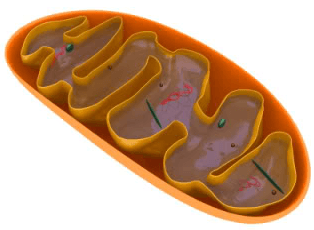
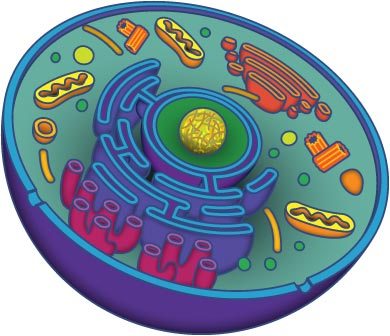
This organelle converts energy into a form that cells can use.
Lysosome
Vacuole
Mitochondria
Chloroplast
The clear gel-like substance that holds and moves organelles and nutrients around the cell.
Chloroplast
Cell Membrane
Ribosomes
Cytoplasm
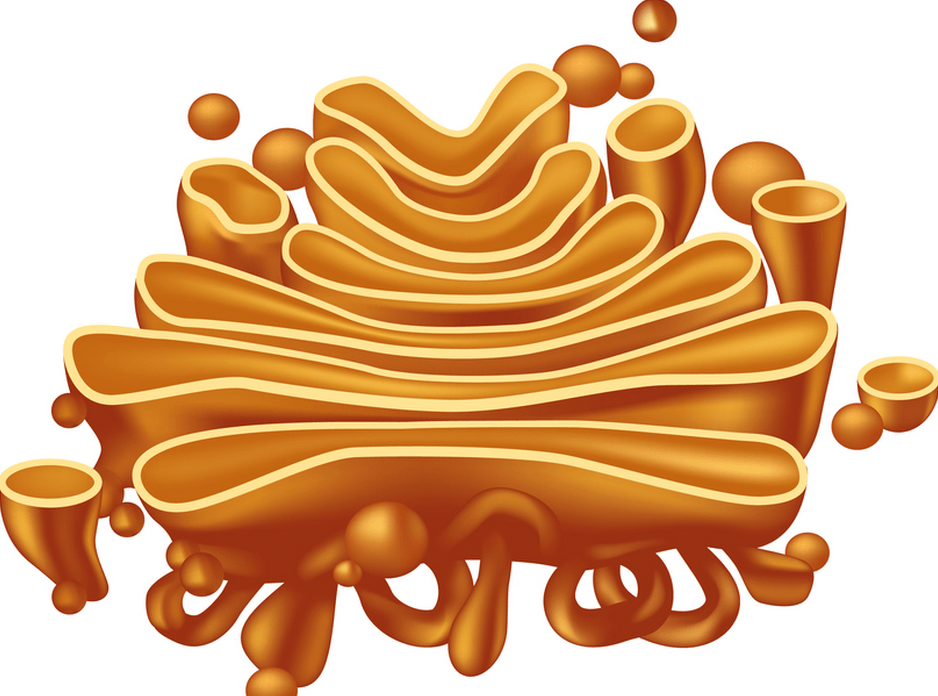
The organelle that acts as a road system for proteins and lipids.
Golgi Apparatus
Endoplasmic Reticulum
Ribosomes
Vacuoles
The organelle that surrounds all cells and controls what enters and leaves the cells.
Cell Wall
Cytoplasm
Mitochondria
Cell Membrane
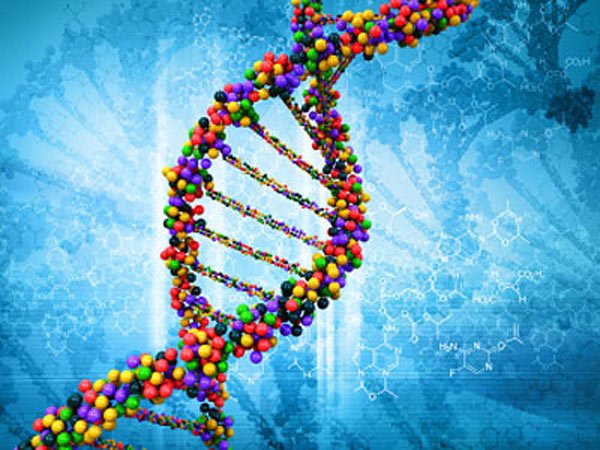
The organelle that contains DNA and controls many of the cell's activities.
Nucleus
ER
Ribosomes
Lysosome
This organelle converts energy into a form that cells can use.
Lysosome
Vacuole
Mitochondria
Chloroplast
The outer, rigid supporting layer of plant cells.
Cell Membrane
Cell Wall
Chloroplast
Mitochondria
The clear gel-like substance that holds and moves organelles and nutrients around the cell.
Chloroplast
Cell Membrane
Ribosomes
Cytoplasm
The organelle that acts as a road system for proteins and lipids.
Golgi Apparatus
Endoplasmic Reticulum
Ribosomes
Vacuoles
The organelle that surrounds all cells and controls what enters and leaves the cells.
Cell Wall
Cytoplasm
Mitochondria
Cell Membrane
The organelle that contains DNA and controls many of the cell's activities.
Nucleus
ER
Ribosomes
Lysosome
The organelle that packages and distributes proteins in the cell.
Endoplasmic Reticulum
Ribosomes
Golgi Apparatus
Vacuoles
The organelle that breaks down old cell parts to be reused by the cell.
Vacuole
Ribosome
Lysosome
ER
The organelle where proteins are made.
Endoplasmic Reticulum
Ribosomes
Lysosomes
Vacuole
The organelle that stores food, water, and waste in the cell.
Vacuole
Lysosome
Ribosome
Chloroplast
The organelle that uses the sun's energy to make sugars.
Cytoplasm
Lysosome
Chloroplast
Cell Membrane
A bunch of cells working together to perform the same task is called what?
Organ
Organ System
Organism
Tissue
A bunch a tissues working together to perform a similar task is called what?
Cell
Tissue
Organ
Organ System
Because specialized cells differ in function, they also differ in?
Organelles
Structure
Color
Tissue
If these organelles are absent, the cell will be deprived of much-needed proteins.
ER
Ribosome
Golgi Apparatus
Vacuole
Humans who have disorders of these organelles often feel lethargic, as though they have no energy.
ER
Ribososmes
Mitochondria
Lysosomes
More than 40 human diseases are caused by problems with these organelles, which normally have important enzymes for breaking down substances that can build up in cells.
Lysosomes
Vacuoles
Golgi Apparatus
Cytoplasm
Like a factory without a warehouse, a cell without this organelle will have difficulty distributing materials.
ER
Ribosomes
Golgi Apparatus
Vacuole
A buildup of waste is threatening the stability of this cell because these organelles are malfunctioning.
ER
Ribosome
Lysosome
Vacuole
Without this substance, organelles in the cell are unable to move around in the cell and less able to receive materials such as oxygen.
Cell Membrane
ER
Gogli Apparatus
Cytoplasm
What structure keeps harmful chemicals out of animal cells?
The cell membrane
The cell wall
The Golgi apparatus
The nucleus
What organelle(s) act(s) as "the boss" inside of a cell?
The alveoli
The mitochondria
The nucleus
The lysosomes
If you wanted to find DNA, where would you look?
Inside a cell's ribosomes.
Inside a cell's nucleus.
Inside a cell's Golgi bodies.
Inside a cell's vacuoles.
If a cell has waste it needs to store, it will store it:
In the endoplasmic reticulum.
In the cytoplasm.
In the nucleus.
In vacuoles.
What do lysosomes and Golgi bodies have in common?
They're the twin "command centers" of the cell.
They break down food and release energy.
They're examples of cell organelles.
They control how much oxygen enters a cell.

The dots on the endoplasmic reticulum represent:
Ribosomes
Lysosomes
Mitochondria
Endoplasm
What do you call the gelatin-like mixture that flows throughout a cell?
Endoplasm
Ectoplasm
Plasma
Cytoplasm
What part of the cell makes protein?
The mitochondria
The ribosomes
The Golgi bodies
The cytoplasm
Which structures break down food and release energy?
Mitochondria
Ribosomes
Golgi bodies
Vacuoles
What substance do Golgi bodies prepare for secretion?
Carbohydrates
Lipids
Plasma
Proteins
A flexible covering that protects the inside of a cell from the environment outside a cell. *
cell wall
cell membrane
cytoplasm
E.R.
A stiff structure that protects a cell from attack by viruses and other harmful organisms. *
cell wall
cell membrane
E.R.
Golgi bodies
A fluid inside a cell that contains salts and other molecules. *
ribosome
lysosome
cytoplasm
vacuole
It controls the movement of substances into and out of cells. It is semipermeable. *
nucleus
vesicles
cell membrane
cell wall
Proteins are made on these small structures. *
mitochondria
ribosomes
lysosomes
E.R.
This organelle spreads from the nucleus throughout most of the cytoplasm. It helps remove harmful substances from a cell. *
E.R.
Golgi bodies
cytoplasm
mitochondria
Proteins are prepared for their specific jobs or functions by this organelle. *
Golgi bodies
E.R.
mitochondria
lysosomes
This organelle contains substances that help break down and recycle cellular components. *
ribosomes
lysosomes
vesicles
mitochondria
Organelles that transport substances from one area of a cell to another area of a cell are called ______. *
Golgi bodies
lysosomes
vesicles
mitochondria
A series of chemical reactions that convert the energy in food molecules into a usable form of energy called ATP is called _________.
respiration
unicellular respiration
cellular respiration
mitochondria
Hairlike appendages are called ______ on a cell. *
cilia
vorticella
What does the mitochondrion do for the cell as a whole? *
It cleans the cell.
It converts energy in food to ATP.
It controls the cell.
It protects the cell with a stiff structure.
This organelle powers the cell through chemical reactions. It is the POWERHOUSE! *
nucleus
mitochondrion
vacuole
chloroplast
These organelles store food, water, and waste material. *
cytoplasm
cell membrane
ribosome
vacuole
Which cell structure captures energy from the sun to make sugar for a plant?
chloroplast
cell wall
vacuole
mitochondria
Which cell structure controls what comes in and out of the cell?
cell wall
cytoplasm
chloroplast
cell membrane
What is diffusion?
the passing of water through the cell membrane
the movement of molecules through a cell membrane that uses the cell's energy
the movement of molecules from an area of higher concentration to an area of lower concentration
the process by which a plant's cells go through photosynthesis
Which of the following cell structures are found in BOTH plant and animal cells?
cell membrane
chloroplasts
cell wall
mitochondria
Which of the following organisms have prokaryotic cells?
bacteria
humans
dogs
plants
Which of the following moves molecules through the cell membrane WITHOUT the cell using its energy?
active transport
passive transport
Of which of the following is diffusion an example?
active transport
passive transport
Which of the following is the term used to describe the idea that if one part of the cell stops functioning, the whole cell will fail?
evolution
active transport
osmosis
irreducible complexity
Which of the following is the thick fluid containing the cell's organelles?
cell wall
lysosome
cytoplasm
Golgi bodies
Which of the following is the term describing the diffusion of water through the cell membrane?
osmosis
waterfusion
irreducible complexity
concentration
Which of the following structures packages chemicals for use inside the cell or to be taken out of the cell?
ribosomses
lysosomes
Golgi bodies
cytoplasm
The smell of freshly baked cookies spreading throughout a room is an example of
osmosis.
active transport.
diffusion.
a prokaryote.
Which of the following types of cells has a true nucleus?
prokaryote
eukaryote
Cytology is the study of
cells.
the cell membrane.
diffusion.
eukaryotes.
Which cell structure is used to store food and wastes?
cytoplasm
vacuole
mitochondria
lysosome
All cells ___________ have a cell membrane.
do
do not
sometimes


In what organelle is the genetic material found inside?
cell membrane
chloroplast
nucleus
ribosome

