
 Worksheets
Spring Final 2024
Total questions: 174
Worksheet time: 1hrs 27mins
Name
Class
Date
1.
What is the difference between weather and climate?
a)
Weather refers to short-term conditions, while climate refers to long-term patterns.
b)
Weather refers to long-term patterns, while climate refers to short-term conditions.
c)
Weather and climate are the same thing.
d)
Weather and climate have no relation to each other.
2.
Which of the following is an example of weather?
a)
Average temperature in a city over the past 10 years
b)
Rainfall patterns in a region over a century
c)
Temperature and humidity on a specific day
d)
Average annual precipitation in a country
3.
What is the main factor that determines climate?
a)
Latitude
b)
Longitude
c)
Elevation
d)
Population density
4.
Which of the following is NOT a factor that influences climate?
a)
Ocean currents
b)
Atmospheric circulation
c)
Solar radiation
d)
Population density
5.
Which hemisphere is London, England located in?
a)
Northern Hemisphere
b)
Southern Hemisphere
c)
Eastern Hemisphere
d)
Western Hemisphere
6.
What season is it in London, England right now?
a)
Spring
b)
Summer
c)
Autumn
d)
Winter
7.
What is the main source of energy that drives weather and climate?
a)
Wind
b)
Water
c)
Sun
d)
Earth
8.
What is the process by which warm air rises and cool air sinks called?
a)
Atmospheric circulation
b)
Ocean currents
c)
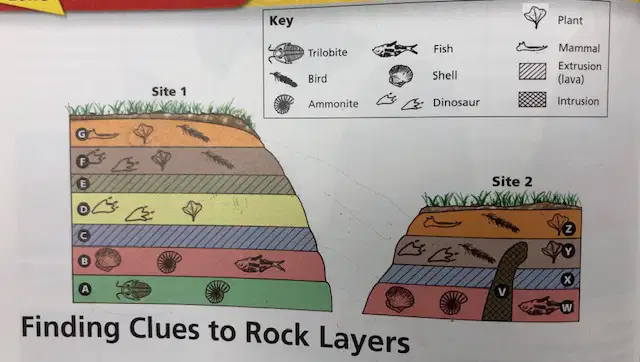
Solar radiation
d)
Convection
9.
Which of the following is NOT a type of precipitation?
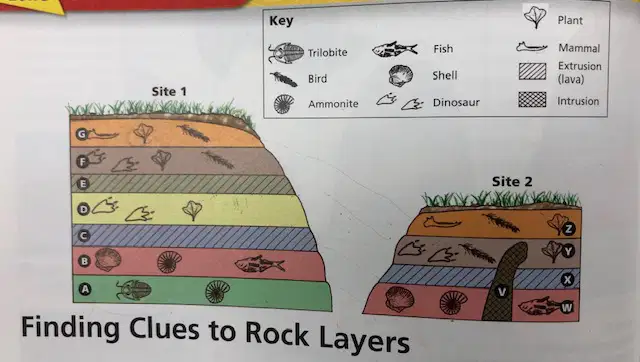
a)
Rain
b)
Snow
c)
Wind
d)
Hail
10.
What is the longest current in the world called?
a)
Gulf Stream
b)
Kuroshio Current
c)
Global Conveyor Belt
d)
California Current
11.
What is the role of ocean currents in climate?
a)
They transport heat from the equator to the poles
b)
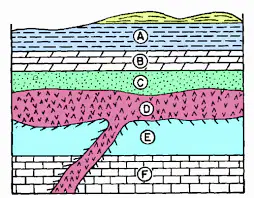
They transport cold water from the poles to the equator
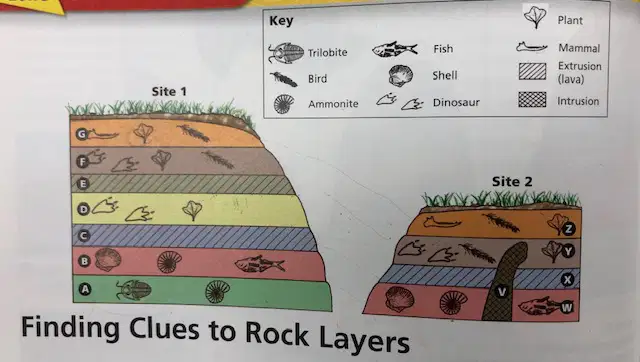
c)
They have no impact on climate
d)
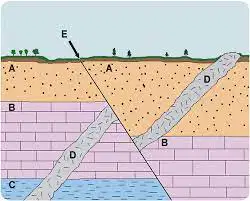
They only affect marine life
12.
What is the role of atmospheric circulation in climate?
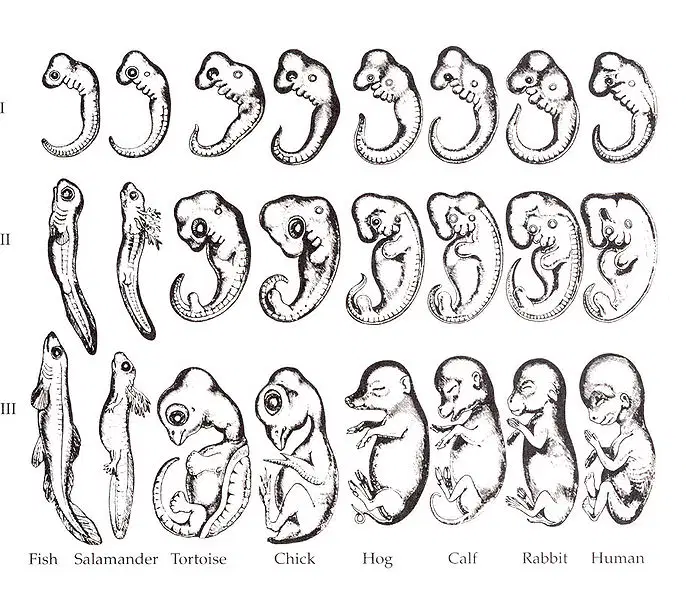
a)
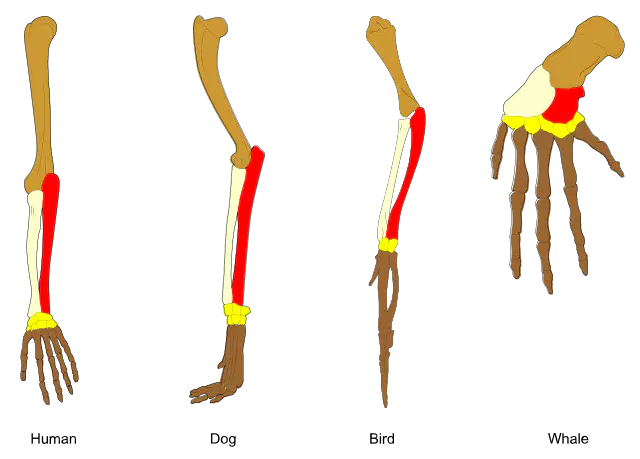
It distributes heat and moisture around the globe
b)
It determines the length of the day and night
c)
It controls the tilt of the Earth's axis
d)
It regulates the ocean currents
13.
What is the main factor that determines the intensity of sunlight at different latitudes?
a)
Elevation
b)
Longitude
c)
Atmospheric pressure
d)
Tilt of the Earth's axis
14.
Which of the following is NOT a factor that influences the climate of a region?
a)
Proximity to large bodies of water
b)
Mountain ranges
c)
Vegetation cover
d)
Population density
15.
What is the main cause of the Earth's seasons?
a)
Tilt of the Earth's axis
b)
Rotation of the Earth
c)
Revolution around the Sun
d)
Atmospheric pressure
16.
What is the role of the Jet Stream in weather patterns?
a)
It brings warm air from the equator to the poles
b)
It brings cold air from the poles to the equator
c)
It determines the length of the day and night
d)
It controls the tilt of the Earth's axis
17.
What is the average annual precipitation in London, England?
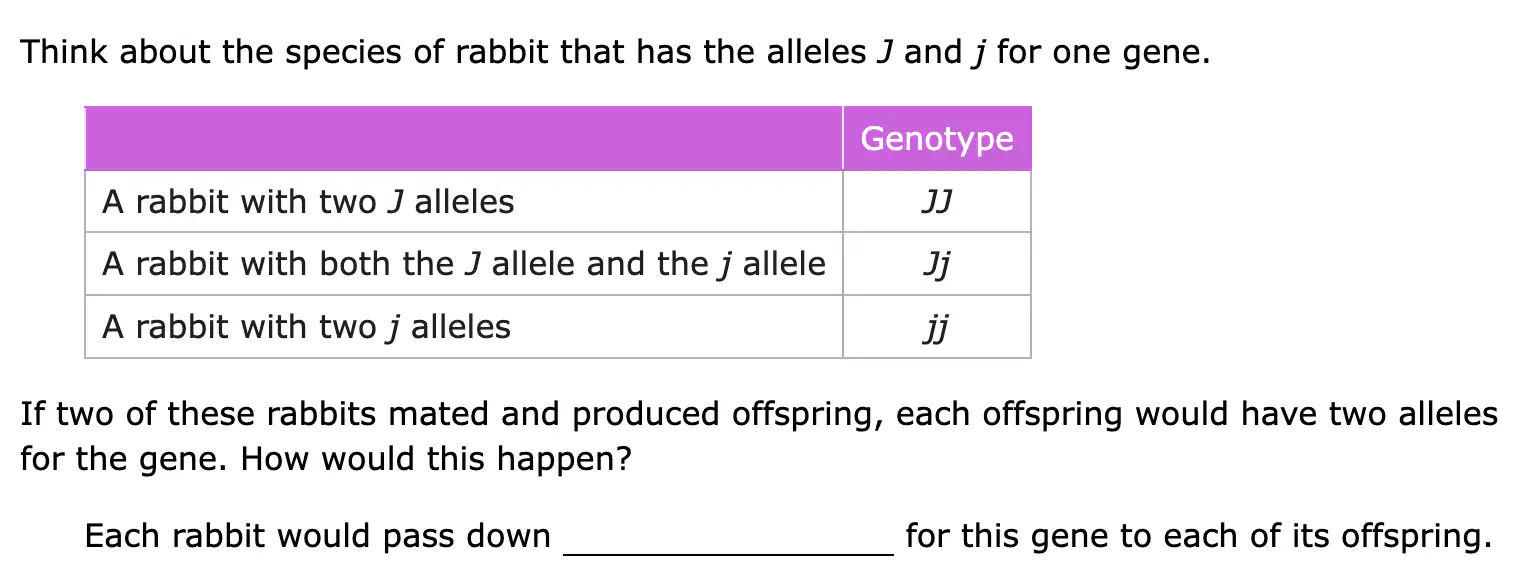
a)
Less than 10 inches
b)
Between 10-20 inches
c)
Between 20-30 inches
d)
More than 30 inches
18.
What is the average temperature range in London, England during the summer months?
a)
50-60°F
b)
60-70°F
c)
70-80°F
d)
80-90°F
19.
What is the main factor that makes London, England warmer than surrounding areas?
a)
Ocean currents
b)
Atmospheric pressure
c)
Urban heat island effect
d)
Elevation
20.
What is the main factor that brings moist air and cloudy skies to London, England?
a)
Ocean currents
b)
Atmospheric pressure
c)
Mountain ranges
d)
Prevailing winds
21.
The _____ orbits the Earth _____
a)
Moon ; monthly
b)
Sun ; monthly
c)
Moon ; yearly
d)
Sun ; yearly
22.
The _____ orbits the Sun _____
a)
Earth ; monthly
b)
Moon ; monthly
c)
Earth ; yearly
d)
Moon ; yearly
23.
What is the phase of the moon during a lunar eclipse?
a)
full moon
b)
new moon
c)
waxing crescent
d)
first quarter
e)
waxing gibbous
24.
What is the phase of the moon during a solar eclipse?
a)
new moon
b)
waxing crescent
c)
first quarter
d)
waxing gibbous
e)
waning gibbous
25.
Sun, Earth, Moon is the order of celestial bodies during which type of eclipse
a)
Solar
b)
Lunar
c)
1st quarter moon
d)
Last quarter moon
26.
What is a solar eclipse?
a)
When the Moon blocks the Sun
b)
When the Earth blocks the Sun
c)
When the Sun blocks the Moon
d)
When the Moon blocks the Earth
27.
Why don't we have a solar eclipse every new Moon?
a)
The Moon's orbit is tilted
b)
The Moon is too small
c)
The Earth is too far from the Sun
d)
The Sun is too bright
28.
What is the umbra?
a)
The region where the Sun is partially blocked
b)
The region where the Moon is partially blocked
c)
The region outside of the line of totality
d)
The region in which there is 100% totality
29.
What is the corona?
a)
The Moon's shadow
b)
The Earth's shadow
c)
The Sun's atmosphere
d)
The Moon's atmosphere
30.
About how long will a solar eclipse usually last? (in totality)
a)
1 minute
b)
1 hour
c)
3 minutes
d)
30 minutes
e)
2 hours
31.
What is the main reason why we don't have a solar eclipse every new moon?
a)
The Moon's orbit is tilted with respect to Earth's orbit
b)
The moon is too small to block the Sun
c)
The Sun is too far away from the Earth
d)
The Earth's atmosphere prevents the Moon from blocking the Sun
32.
What is the difference between a solar eclipse and a lunar eclipse
a)
A solar eclipse occurs when the Moon blocks the Sun, while a lunar eclipse occurs when the Earth blocks the Sun
b)
A solar eclipse occurs during the day, while a lunar eclipse occurs during the night
c)
A solar eclipse can be seen from anywhere on Earth, while a lunar eclipse can only be seen can only be seen from specific locations
d)
A solar eclipse lasts longer than a lunar eclipse
33.
Why does the Moon appear red during a lunar eclipse?
a)
The Moon reflects the red light from all the sunrises and sunsets on Earth
b)
The Moon absorbs all colors of light except red.
c)
The Earth's atmosphere scatters blue and green light, leaving only red to reach the Moon
d)
The Moon is made of red-colored rock
34.
What can be inferred about the future of total solar eclipses?
a)
Total solar eclipses will continue to occur regularly
b)
Total solar eclipses will become more frequent
c)
Total solar eclipses will eventually stop happening
d)
Total solar eclipses will only be visible from certain parts of the world
35.
Which is the correct order of the celestial bodies during a solar eclipse
a)
Sun, Moon, Earth
b)
Sun, Earth, Moon
c)
Moon, Earth, Sun
d)
Moon, Sun, Earth
36.
A ______ eclipse occurs when the Earth passes between the Moon and the Sun
a)
Eclipse
b)
Total Eclipse
c)
Annular Eclipse
d)
Solar eclipse
e)
Lunar eclipse
37.
When the Moon passes between the Earth and the Sun, a _____ occurs
a)
Eclipse
b)
Total Eclipse
c)
Annular Eclipse
d)
Solar eclipse
e)
Lunar eclipse
38.
This is a special type of eclipse where the Moon is at the furthest point in its orbit from the Earth, so it does not completely cover the Sun
a)
Eclipse
b)
Total Eclipse
c)
Annular Eclipse
d)
Solar eclipse
e)
Lunar eclipse
39.
It is _____ to view a(n) _____ eclipse without eye protection.
a)
Unsafe, lunar
b)
Safe, solar
c)
Unsafe, solar
d)
Unsafe, new moon
40.
What is an atom?
a)
The smallest unit of a compound
b)
The smallest unit of an element
c)
A substance formed by combining two or more atoms
d)
A pure substance that can't be broken down
41.
What are compounds?
a)
Pure substances that can't be broken down
b)
Substances formed by combining two or more different atoms
c)
The smallest units of elements
d)
Particles that make up atoms
42.
What are elements?
a)
Pure substances that can't be broken down
b)
Substances formed by combining two or more different atoms
c)
The smallest units of compounds
d)
Particles that make up atoms
43.
Where are protons located?
a)
In the nucleus of an atom
b)
Orbiting the nucleus of an atom
c)
In the electron clouds
d)
In the neutron
44.
What is the charge of electrons?
a)
Positive
b)
Negative
c)
Neutral
d)
It varies
45.
What is a chemical change?
a)
A change in the form or appearance of a substance
b)
A change in the chemical composition of a substance
c)
A change in the temperature of a substance
d)
A change in the state of matter
46.
What is the periodic table?
a)
A chart that organizes all known elements
b)
A table used for chemical reactions
c)
A table of physical properties of elements
d)
A table of atomic masses
47.
Who is known as the Father of the Periodic Table?
a)
Dmitri Mendeleev
b)
Albert Einstein
c)
Marie Curie
d)
Isaac Newton
e)
Gregor Mendel
48.
What is bonding?
a)
The process of breaking chemical bonds
b)
The process of forming new elements
c)
The process of atoms sticking together to form compounds
d)
The process of separating compounds
49.
What is a chemical reaction?
a)
A change in the form or appearance of a substance
b)
A change in the chemical composition of a substance
c)
A change in the temperature of a substance
d)
A change in the state of matter
50.
What are valence electrons?
a)
Electrons in the nucleus of an atom
b)
Electrons in the innermost shell of an atom
c)
Electrons in the outermost shell of an atom
d)
Electrons in the electron clouds
51.
What causes particles to attract or repel each other?
a)
Charge
b)
Mass
c)
Size
d)
Shape
52.
The atomic mass is:
a)
Protons + neutrons
b)
Protons
c)
Electrons
d)
Protons + electrons
e)
Neutrons
53.
The atomic number is the number of:
a)
protons
b)
neutrons
c)
electrons
d)
protons + electrons
e)
protons + neutrons
54.
A state of matter that keeps its shape
a)
solid
b)
liquid
c)
gas
d)
plasma
55.
The temperature at which water changes from liquid to gas
a)
boiling point
b)
melting point
c)
freezing point
d)
absolute zero
56.
What is the scientific notation for 0.000002
a)
2 x 10^-7
b)
2 X 10^-6
c)
2 x 10^6
d)
2 X 10^7
57.
What does 3 x 10^-6 represent?
a)
30000000
b)
300000000
c)
.000003
d)
.0000003
58.
What is a solar eclipse?
a)
When the Moon blocks the Sun
b)
When the Earth blocks the Sun
c)
When the Sun blocks the Moon
d)
When the Moon blocks the Earth
59.
Why don't we have a solar eclipse every new Moon?
a)
The Moon's orbit is tilted
b)
The Moon is too small
c)
The Earth is too far from the Sun
d)
The Sun is too bright
60.
What is the umbra?
a)
The region where the Sun is partially blocked
b)
The region where the Moon is partially blocked
c)
The region where the Sun is completely blocked
d)
The region where the Moon is completely blocked
61.
What is the penumbra?
a)
The region where the Sun is partially blocked
b)
The region where the Moon is partially blocked
c)
The region where the Sun is completely blocked
d)
The region where the Moon is completely blocked
62.
What is the corona?
a)
The Moon's shadow
b)
The Earth's shadow
c)
The Sun's atmosphere
d)
The Moon's atmosphere
63.
What causes the red color of a lunar eclipse?
a)
The Moon's atmosphere
b)
The Earth's atmosphere
c)
The Sun's atmosphere
d)
The Moon's surface
64.
Why can't we look directly at the Sun during a solar eclipse?
a)
It is too bright
b)
It is too hot
c)
It is too far away
d)
It is too dangerous
65.
What is the maximum duration of a total solar eclipse?
a)
1 minute
b)
3 minutes
c)
5 minutes
d)
8 minutes
66.
Which moon phase is seen when the moon is directly between the Earth and Sun?
a)
new
b)
full
c)
1st quarter
d)
3rd quarter
e)
waxing gibbous
67.
Earth is... (check all that apply)
a)
The center of our universe
b)
Bigger than the sun
c)
Smaller than the Moon
d)
Bigger than the Moon
e)
Smaller than the Sun
68.
When the moon moves into the Earth's shadow that is cast by the sun this is called a...
a)
Solar eclipse
b)
Earth eclipse
c)
Lunar eclipse
d)
Both solar and lunar
69.
When the sunlit side of the moon is getting larger it is _____ and when the sunlit side of the moon is decreasing it is _______ .
a)
Waning ; Waxing
b)
Waning ; Waning
c)
Waxing ; Waning
d)
Waxing ; Waxing
70.
What is one spin by Earth around its axis called?
a)
revolution
b)
rotation
c)
solstice
d)
equinox
71.
On what two days of the year are there nearly equal hours of daylight and darkness?
a)
summer and winter solstices
b)
spring and autumnal equinoxes
c)
spring equinox and summer solstice
d)
autumnal equinox and winter solstice
72.
How long does it take the earth to revolve once around the sun?
a)
1 month
b)
24 hours
c)
12 hours
d)
365.25 days
73.
Earth's axis is tilted at
a)
1 month
b)
24 hours
c)
12 hours
d)
365.25 days
e)
23.5 degrees
74.
What is the longest day of the year?
a)
the first day of school
b)
equinox
c)
winter solstice
d)
summer solstice
75.
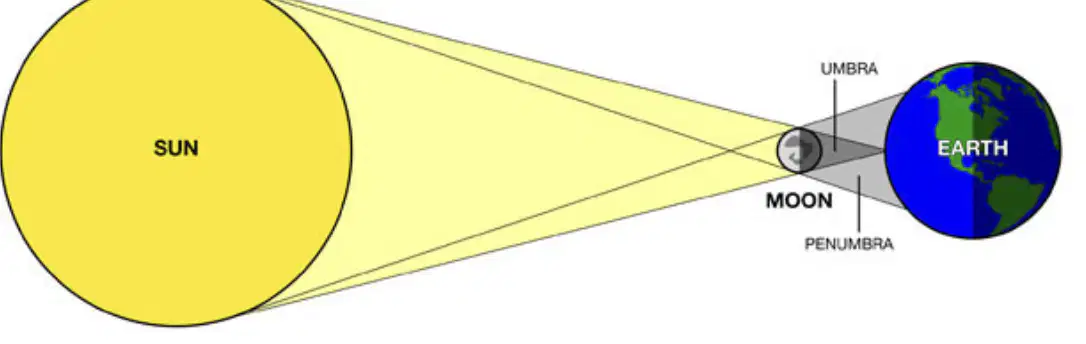
What is this a picture of?
a)
Solar eclipse
b)
Lunar eclipse
c)
Waning eclipse
d)
Waxing eclipse
76.
Derived characters are ...
a)
Evolutionary disadvantages
b)
Evolutionary innovations
c)
A concept in Physics
d)
Characters from a story
77.
Which organism has four derived characters?
a)
Lamprey
b)
Trout
c)
Turtle
d)
Cat
e)
Human
78.
Which two organisms on the cladogram are most closely related?
a)
Human and Gorilla
b)
Lamprey and Trout
c)
Cat and Gorilla
d)
Trout and Turtle
79.
Which organism is the least related to humans? (had the most distant common ancestor)
a)
Lamprey
b)
Trout
c)
Cat
d)
Gorilla
80.
What are the derived characters of a trout? Choose all that apply
a)
Jaws
b)
Lungs
c)
Limbs
d)
Hair
e)
Opposable Thumbs
81.
The Law of Superposition helps scientists determine
a)
the age of fossils
b)
the absolute age of rock layers
c)
the relative age of rock layers
d)
how mountain ranges form
82.

According to the Law of Superposition, the oldest fossils are found
a)
at the top of the rock layers
b)
in the middle of the rock layers
c)
at the bottom of the rock layers
d)
scattered throughout the rock layers
83.
The ____ states that layers of sediments were originally deposited in flat layers under the action of gravity.
a)
Law of Uniformitarianism
b)
Law of Superposition
c)
Law of Unconformities
d)
Law of Horizontality
84.
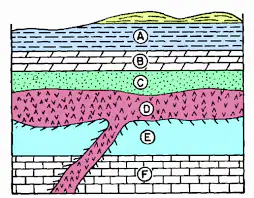
Which of the following correctly lists the layers in order from OLDEST to YOUNGEST?
a)
A, B, C, D, E, F
b)
F, E, D, C, B, A
c)
A, B, C, E, F, D
d)
F, E, C, B, A, E
85.
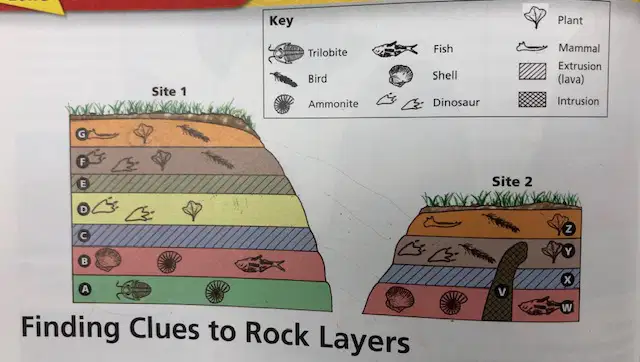
What conclusion can be made based on the fossil layers?
a)
All are examples of organisms that have become extinct.
b)
All are examples of organisms that still exist today.
c)
The environment went from marine to land.
d)
The environment went from land to marine.
86.
Relative age dating of rock layers is used to determine
a)
the actual age of a rock or event
b)
the length of time between two events or rock layers
c)
the rate at which a geologic process occurs
d)
the age of one rock layer/event in comparison with other layers/events
87.
What can the fossil record tell us?
a)
the history of life on Earth
b)
how groups of organisms have changed over long periods of time
c)
information about the past environments and changes to the Earth's surface
d)
information about past climates on Earth
e)
all of these
88.
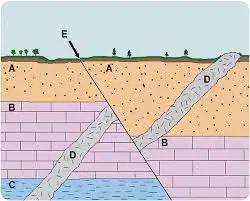
What does each rock layer represent?
a)
a period of time
b)
an extrusion
c)
an intrusion
d)
erosion
89.
Which layer in Site 2 lines up with Layer F in Site 1?
a)
Layer Z
b)
Layer Y
c)
Layer X
d)
Layer W
90.
Which is the best definition of evolution?
a)
the adaptation of an individual organism to better fit into its environment
b)
an organism improving or getting better in its environment during its lifetime
c)
a change in a species over time
d)
a species that intentionally changes and out competes other species
91.
Which of the following best explains how embryonic development supports the theory of evolution?
a)
embryos of different species that look similar have similar lifestyles and living conditions
b)
embryology does not support evolution
c)
embryos of different species have their own rate of development and are not necessarily related to each other
d)
embryos of different species that have similar embryonic structures probably share a common ancestor
92.
Two organisms that are closely related would have
a)
very similar DNA sequence
b)
exactly the same DNA sequence
c)
completely different DNA sequence
93.
Which of the following is a vestigial structure that humans have?
a)
appendix
b)
hair
c)
big toe
d)
forearm bones
94.
Common ancestry relates to evolution because
a)
the more traits organisms have in common, the more recent is their common ancestor during their evolution
b)
common ancestors make evolution happen more quickly
c)
evolution can never take place with common ancestors
d)
evolution only happens when there are common ancestors
95.
How have fossils provided evidence of evolution?
a)
A. fossilized remains show us how past organisms resemble modern day organisms
b)
B. fossils document the existence of now-extinct past species that are related to present-day species
c)
C. fossils provide embryological evidence of how species have changed over time
d)
A and B
e)
A and C
96.
Which is an example of evolution?
a)
a caterpillar developing into a butterfly
b)
a tadpole developing into a frog
c)
a person becoming faster
d)
none of the above
97.
What best explains why fossilized remains of the same species are found on land masses that are not in contact with each other?
a)
those organisms lived and moved throughout when the land masses were connected.
b)
the organisms evolved, lived and moved throughout land masses after masses broke apart
c)
it is coincidence that the fossilized remains were found on separate land masses - they evolved on each land mass independently.
d)
all of these
98.
How does natural selection support evolution?
a)
By helping organisms with useful traits survive and pass them on to their offspring.
b)
By proving that species remain unchanged over time.
c)
By showing that evolution only happens because of human actions.
d)
By demonstrating that all species on Earth are constantly evolving.
99.
If dogs evolved from wolves, why are there still wolves today? Choose the most accurate explanation:
a)
Wolves evolved from dogs.
b)
Both share a common ancestor, but evolved into separate species to fill different niches
c)
Wolves and dogs were independently created to fulfill different ecological roles.
d)
Dogs and wolves are the exact same species and have always existed together without any evolutionary changes.
100.
Which of the following statements best describes the concept of adaptation in the context of evolution?
a)
Adaptation refers to sudden and drastic changes in an individual organism's physical traits.
b)
Adaptation occurs when an individual organism changes its behavior to better fit its environment.
c)
Adaptation involves the gradual adjustment of a species traits to better suit its environment.
d)
Adaptation is a random process that occurs without any influence from the environment.
101.
How did Darwin use DNA evidence to help support the theory of evolution?
a)
A. he was able to extract DNA from fossilized remains and compare it with modern day organisms
b)
B. he was able to see the DNA sequences from now extinct organisms
c)
C. he did not use DNA because it had not been discovered yet
d)
both A and B
102.
Which group of animals dominated the land during the Mesozoic Era?
a)
Mammals
b)
Reptiles
c)
Amphibians
d)
Birds
103.
Which group of animals were the "luckiest" not the "fittest" regarding the KT mass extinction
a)
Mammals
b)
Reptiles
c)
Amphibians
d)
Birds
104.
What event led to the end of the Mesozoic Era?
a)
Mass extinction
b)
Volcanic eruption
c)
Climate change
d)
Asteroid impact
e)
Supernova
105.
The end of the Mesozoic Era was ____
a)
Gradual
b)
Sudden
c)
Researchers are still unsure
d)
All of the above
106.
Which piece of evidence lead scientists to conclude that the cause of the K-T boundary layer was extraterrestrial in nature?
a)
Finding high levels of iridium in the K-T boundary layer
b)
Finding tsunami deposits in the Brazos River Basin, Texas.
c)
Determining that rocks taken from the Chicxulub crater are the same age as the K-T boundary
d)
Discovering gravitational field anomalies on the Yucatan peninsula, from surveys done for oil exploration
e)
Identifying spherules and shocked quartz in Haiti
107.
Which piece of evidence lead scientists to dismiss the supernova hypothesis?
a)
Finding that an isotope of plutonium is not in the K-T boundary layer
b)
Finding tsunami deposits in the Brazos River Basin, Texas.
c)
Determining that rocks taken from the Chicxulub crater are the same age as the K-T boundary
d)
Discovering gravitational field anomalies on the Yucatan peninsula, from surveys done for oil exploration
e)
Finding high levels of iridium in the K-T boundary layer
108.
What was the CRITICAL piece of evidence that supported the hypothesis that an asteroid had struck Earth 66 million years ago?
a)
Determining that rocks taken from the Chicxulub crater are the same age as the K-T boundary
b)
Finding tsunami deposits in the Brazos River Basin, Texas.
c)
Discovering gravitational field anomalies on the Yucatan peninsula, from surveys done for oil exploration
d)
Finding high levels of iridium in the K-T boundary layer
e)
Identifying spherules and shocked quartz in Haiti
109.
The Law of Superposition helps scientists determine
a)
the age of fossils
b)
the absolute age of rock layers
c)
the relative age of rock layers
d)
how mountain ranges form
110.

According to the Law of Superposition, the oldest fossils are found
a)
at the top of the rock layers
b)
in the middle of the rock layers
c)
at the bottom of the rock layers
d)
scattered throughout the rock layers
111.
The ____ states that layers of sediments were originally deposited in flat layers under the action of gravity.
a)
Law of Uniformitarianism
b)
Law of Superposition
c)
Law of Unconformities
d)
Law of Horizontality
112.
Which of the following correctly lists the layers in order from OLDEST to YOUNGEST?
a)
A, B, C, D, E, F
b)
F, E, D, C, B, A
c)
A, B, C, E, F, D
d)
F, E, C, B, A, E
113.
What conclusion can be made based on the fossil layers?
a)
All are examples of organisms that have become extinct.
b)
All are examples of organisms that still exist today.
c)
The environment went from marine to land.
d)
The environment went from land to marine.
114.
Relative age dating of rock layers is used to determine
a)
the actual age of a rock or event
b)
the length of time between two events or rock layers
c)
the rate at which a geologic process occurs
d)
the age of one rock layer/event in comparison with other layers/events
115.
What can the fossil record tell us?
a)
the history of life on Earth
b)
how groups of organisms have changed over long periods of time
c)
information about the past environments and changes to the Earth's surface
d)
information about past climates on Earth
e)
all of these
116.
What does each rock layer represent?
a)
a period of time
b)
an extrusion
c)
an intrusion
d)
erosion
117.
Which layer in Site 2 lines up with Layer F in Site 1?
a)
Layer Z
b)
Layer Y
c)
Layer X
d)
Layer W
118.
Which is the best definition of evolution?
a)
the adaptation of an individual organism to better fit into its environment
b)
an organism improving or getting better in its environment during its lifetime
c)
a change in a species over time
d)
a species that intentionally changes and out competes other species
119.
Which of the following best explains how embryonic development supports the theory of evolution?
a)
embryos of different species that look similar have similar lifestyles and living conditions
b)
embryology does not support evolution
c)
embryos of different species have their own rate of development and are not necessarily related to each other
d)
embryos of different species that have similar embryonic structures probably share a common ancestor
120.
Structures that look similar and are used in similar ways by different species are known as
a)
homologous structures
b)
vestigial structures
c)
embryonic development
d)
biogeography
121.
Two organisms that are closely related would have
a)
very similar DNA sequence
b)
exactly the same DNA sequence
c)
completely different DNA sequence
122.
The diagram shows embryos of different stages. What can be determined by the diagram?
a)
the organisms share a common ancestor
b)
as embryonic development progresses, the embyros look more unique to their species
c)
the hog and the calf are more closely related to each other than the hog and the fish
d)
all of these
123.
Which of the following is a vestigial structure that humans have?
a)
appendix
b)
hair
c)
big toe
d)
forearm bones
124.
Common ancestry relates to evolution because
a)
the more traits organisms have in common, the more recent is their common ancestor during their evolution
b)
common ancestors make evolution happen more quickly
c)
evolution can never take place with common ancestors
d)
evolution only happens when there are common ancestors
125.
How have fossils provided evidence of evolution?
a)
A. fossilized remains show us how past organisms resemble modern day organisms
b)
B. fossils document the existence of now-extinct past species that are related to present-day species
c)
C. fossils provide embryological evidence of how species have changed over time
d)
A and B
e)
A and C
126.
What geographical feature can separate species from others and cause them to evolve independently?
a)
plains
b)
savannas
c)
forest
d)
ocean
127.
Which is an example of evolution?
a)
a caterpillar developing into a butterfly
b)
a tadpole developing into a frog
c)
a person becoming faster
d)
none of the above
128.
What best explains why fossilized remains of the same species are found on land masses that are not in contact with each other?
a)
those organisms lived and moved throughout when the land masses were connected.
b)
the organisms evolved, lived and moved throughout land masses after masses broke apart
c)
it is coincidence that the fossilized remains were found on separate land masses - they evolved on each land mass independently.
d)
all of these
129.
How does natural selection support evolution?
a)
By helping organisms with useful traits survive and pass them on to their offspring.
b)
By proving that species remain unchanged over time.
c)
By showing that evolution only happens because of human actions.
d)
By demonstrating that all species on Earth are constantly evolving.
130.
If dogs evolved from wolves, why are there still wolves today? Choose the most accurate explanation:
a)
Wolves evolved from dogs.
b)
Both share a common ancestor, but evolved into separate species to fill different niches
c)
Wolves and dogs were independently created to fulfill different ecological roles.
d)
Dogs and wolves are the exact same species and have always existed together without any evolutionary changes.
131.
Which of the following statements best describes the concept of adaptation in the context of evolution?
a)
Adaptation refers to sudden and drastic changes in an individual organism's physical traits.
b)
Adaptation occurs when an individual organism changes its behavior to better fit its environment.
c)
Adaptation involves the gradual adjustment of a species traits to better suit its environment.
d)
Adaptation is a random process that occurs without any influence from the environment.
132.
How did Darwin use DNA evidence to help support the theory of evolution?
a)
A. he was able to extract DNA from fossilized remains and compare it with modern day organisms
b)
B. he was able to see the DNA sequences from now extinct organisms
c)
C. he did not use DNA because it had not been discovered yet
d)
both A and B
133.
What are examples of homologous structures?
a)
Bird wings and bat wings
b)
Fossilized remains of prehistoric humans, indicating early human habitation in the region.
c)
Whale fins and human arms
d)
Butterfly wings and bat wings
e)
Remnants of glaciers, suggesting past ice ages and changes in climate over time.
134.
Which of these are evidence for evolution? (Select 5 that apply)
a)
Fossil records showing transitional forms between different species.
b)
Observations of similar bone structures in different species, indicating a common ancestor.
c)
The presence of vestigial structures in organisms, such as the human appendix.
d)
Genetic similarities between different species, suggesting shared ancestry.
e)
Observations of organisms adapting to environmental changes over generations.
135.
This is a fossil formed when minerals replace all or part of an organism
a)
Petrified
b)
Cast
c)
Mold
d)
Carbon film
e)
Trace
136.
What does the fossil record tell us about the evolutionary history of birds?
a)
Living birds descended from dinosaurs.
b)
Living birds descended from mammals.
c)
Living birds descended from reptiles.
d)
Living birds descended from amphibians.
137.
What extinct animals did living birds descend from?
a)
Mammals
b)
Reptiles
c)
Amphibians
d)
Dinosaurs
138.
Describe some of the characteristics that living birds share with their ancestors.
a)
Feathers and beaks
b)
Scales and gills
c)
Fur and claws
d)
Fins and tails
139.
What can living birds do that their early ancestors could not do?
a)
Fly
b)
Swim
c)
Climb trees
d)
Burrow underground
140.
What does Dr. Ken Dial study at the University of Montana?
a)
Bird behavior
b)
Dinosaur fossils
c)
Plant genetics
d)
Marine ecosystems
141.
Explain George Jackson Mivart's question to Charles Darwin regarding the hypothesis of birds' wings forming from forelimbs through a series of intermediate transitional forms.
4 lines
142.
The passing of traits from parent to offspring
a)
Traits
b)
Heredity
c)
Characteristics
d)
Phenotypes
143.

What allele combination should go in the missing box?
a)
AA
b)
Aa
c)
aa
d)
none of the above
144.
What are the possible genotypes for a cross between two heterozygotes? Make a punnett square to find out
a)
TT
b)
TT ; Tt
c)
tt
d)
tt ; Tt
e)
TT ; Tt ; tt
145.
Genes and the environment impact an individual's phenotype
a)
true
b)
false
146.
What are possible phenotypes for a cross between two heterozygotes
a)
dominant
b)
recessive
147.
Use a punnett square to make a cross between two heterozygotes. What percentage of offspring would be homozygous dominant?
a)
0%
b)
25%
c)
50%
d)
75%
e)
100%
148.
The study of how traits are inherited
a)
Phenotype
b)
Heterozygous
c)
Genetics
d)
Physics
149.
Physical traits
a)
Genotype
b)
Genetics
c)
Phenotype
d)
Alleles
150.
a set of two letters that represent the alleles inherited from each parent
a)
Genetics
b)
Genotype
c)
Alles
d)
Heredity
151.
A cross between an AA male and aa female will result in what percentage of Aa offspring?
a)
100 %
b)
75%
c)
50%
d)
25%
e)
0%
152.
A cross between an Aa male and Aa female will result in what percentage of Aa offspring?
a)
100 %
b)
75%
c)
50%
d)
25%
e)
0%
153.
A cross between an aa male and aa female will result in what percentage of Aa offspring?
a)
100 %
b)
75%
c)
50%
d)
25%
e)
0%
154.
What is the correct complimentary strand for the following DNA sequence: AAG TCT
a)
AAG TCT
b)
GGT CAC
c)
CCT GAG
d)
TTC AGA
155.
Which shows the correct complementary pairing rules for the nitrogenous bases in DNA?
a)
A-T ; C-G
b)
C-A ; T-G
c)
C-T ; C-A
d)
A-G ; T-C
156.
(B) is dominant for brown eye color. Blue eye color is recessive (b). If a homozygous brown eyed father is crossed with a blue eyed mother, what percentage of children will have brown eyes?
a)
100 %
b)
75%
c)
50%
d)
25%
e)
0%
157.
(B) is dominant for brown eye color. Blue eye color is recessive (b). If a heterozygous father is crossed with a heterozygous mother, what percentage of children will have the homozygous recessive genotype?
a)
100 %
b)
75%
c)
50%
d)
25%
e)
0%
158.
Which of the following is an example of a heterozygous genotype?
a)
RR
b)
tt
c)
TT
d)
Tt
159.
Which of the following is an example of a homozygous genotype?
a)
SS
b)
tt
c)
YY
d)
Yy
e)
Rr
160.
Different forms of the same genes are known as
a)
Hybrid
b)
Purebred
c)
Dominant
d)
Alleles
161.
Which of the following is an example of a phenotype
a)
Bb
b)
Brown hair
c)
aa
d)
Blue eyes
162.
(B) is dominant for brown eye color. Blue eye color is recessive (b). If a heterozygous father is crossed with a heterozygous mother, what percentage of children will be hybrids (heterozygous)?
a)
100 %
b)
75%
c)
50%
d)
25%
e)
0%
163.
When an organism has two different alleles for a trait, its genotype is _______ and it shows the ______ phenotype
a)
Heterozygous ; Recessive
b)
Homozygous ; Recessive
c)
Homozygous ; Dominant
d)
Heterozygous ; Dominant
164.
A trait that always shows up in an offspring if the allele is present is called
a)
Recessive
b)
Dominant
c)
Purebred
d)
Homozygous
165.
An allele whose trait only shows up when NO dominant allele is present
a)
Recessive
b)
Purebred
c)
Homozygous
d)
Dominant
166.
If an organism shows a recessive phenotype, what does the genotype have to be?
a)
BB (homozygous dominant)
b)
Bb (heterozygous dominant)
c)
bb (homozygous recessive)
167.
If an organism shows a dominant phenotype, what is NOT a possible genotype?
a)
BB
b)
Bb
c)
bb
d)
none of the above
168.
Having dimples (D) is dominant to not having dimples (d). If there are two heterozygous people with dimples, and they have a kid, what is the percent chance that their kid will have dimples?
a)
100%
b)
75%
c)
50%
d)
25%
169.
a)
Both of its alleles
b)
One of its alleles
170.
This is the genetic makeup of an organism. Examples of this are Aa or bb
a)
phenotype
b)
genotype
c)
genetics
d)
chromosomes
171.
This includes the physical or visible traits of an organism. An example is brown hair.
a)
genotype
b)
phenotype
c)
traits
d)
features
172.
Two identical alleles for a trait. Examples include AA or bb
a)
twins
b)
dominant
c)
homozygous
d)
heterozygous
173.
Two different alleles for a trait. An example is Aa.
a)
mutation
b)
recessive
c)
homozygous
d)
heterozygous
174.
A characteristic that can be passed from parent to offspring through its genes
a)
allele
b)
trait
c)
factors
d)
chromosome
100 %

