
 Worksheets
Year 10 History Revision Quiz
Total questions: 70
Worksheet time: 38mins
By what year had the major European Empires lost huge numbers of soldiers and war material to fight World War 1?
1914
1916
1918
1920
What was the result of World War 1 for Germany?
A peaceful agreement
An uneasy peace with the Western Allies
Victory over the Western Allies
No significant changes
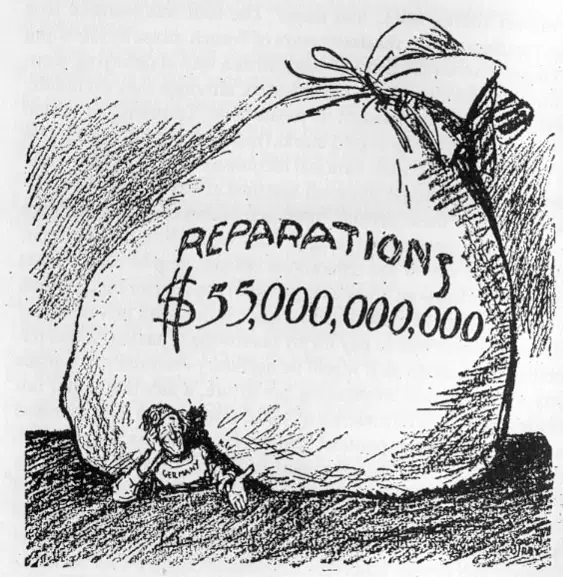
What was the War Guilt Clause in the Treaty of Versailles?
Germany was banned from building submarines.
Germany had to admit that WW1 was their fault and pay $33 Billion US dollars.
Germany lost 13% of its European territory.
Germany was forbidden to have soldiers in the Rhineland.
What was the maximum size of the German army according to the Treaty of Versailles?
50,000 men
75,000 men
100,000 men
150,000 men
How much of its European territory did Germany lose as a result of the Treaty of Versailles?
10%
13%
15%
20%
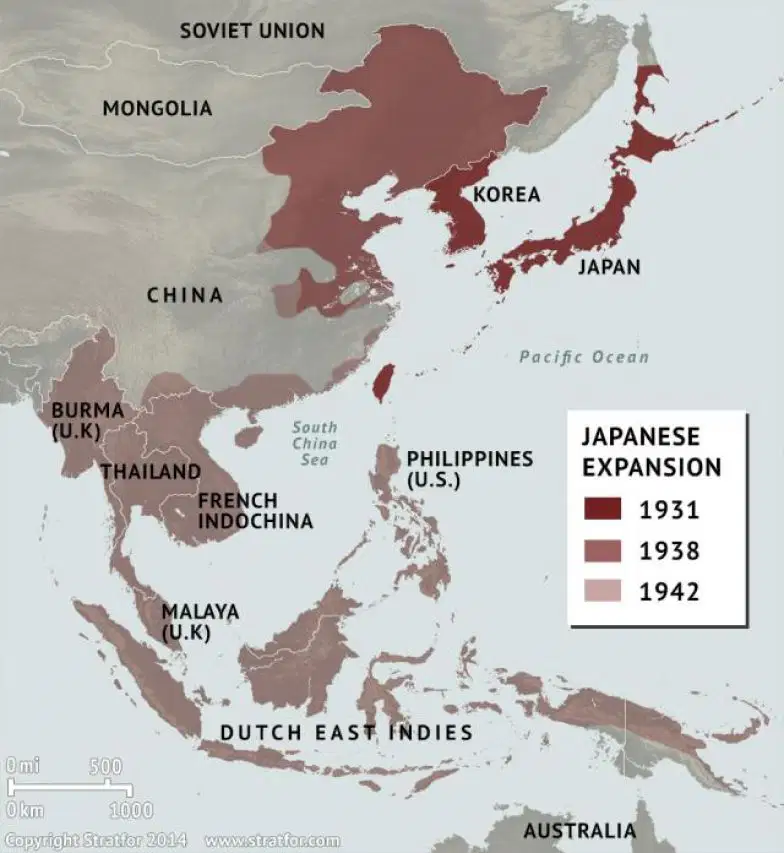
What were the Japanese looking to carve out in China and South-East Asia?
A democratic government
A communist state
Their own colonial empire
A trade agreement
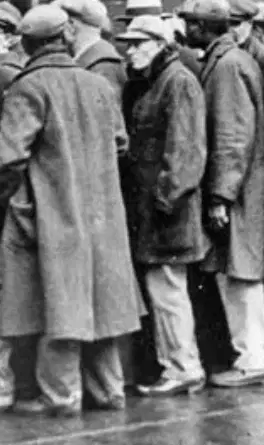
What event is described as having quickly spread to most nations on Earth, causing widespread job loss and factory closures?
The Industrial Revolution
The Great Depression
World War I
The Cold War
What was one of the effects of the widespread economic collapse during the Great Depression?
Increased trust in existing governments
Decreased unemployment rates
People felt betrayed by existing governments and were ready to listen to politicians with extreme solutions
Factories expanded and hired more workers
What was a consequence of the inability of democratic institutions to end the suffering during the depression?
Increased faith in democracy
Strengthened trust in government
Loss of faith in the democratic process
Economic prosperity

What did the widespread belief that democratic institutions could not fix the economy after the great depression lead to?
Strengthened democratic institutions
A situation that radical politicians could exploit
Increased economic growth
Improved public services
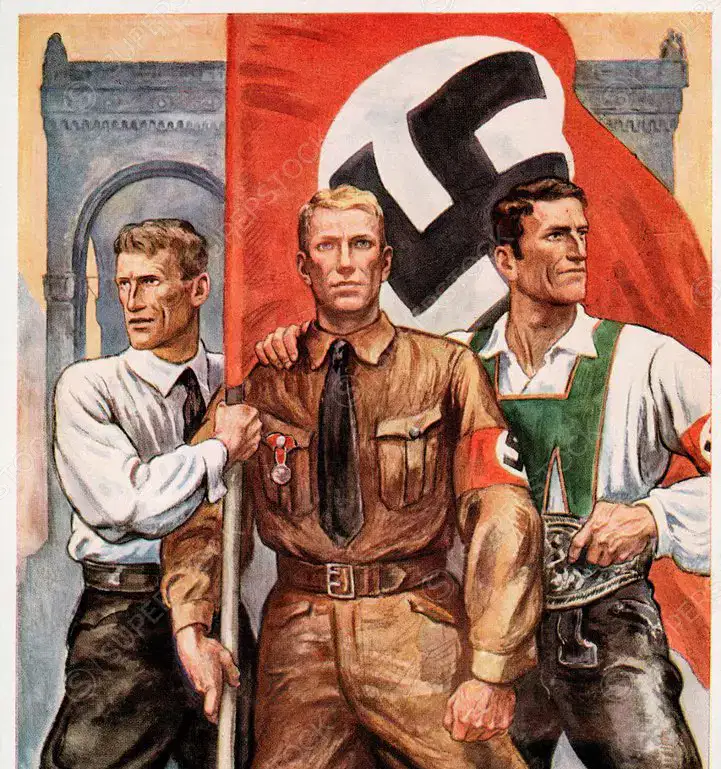
What did dictators promise as an alternative to the perceived weakness shown by democratic leaders?
Economic prosperity
Strong and effective leadership
Military expansion
Cultural renaissance
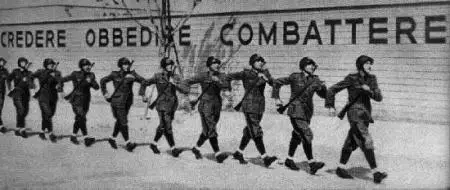
How did dictators take advantage of public frustration?
By promising to find peaceful solutions to international problems
By promising to restore order, bring back jobs, and regain national pride
By promising to reduce taxes
By promising to improve education systems

What did dictators present themselves as capable of doing?
Expanding the nation's borders
Solving the nation's problems and ending the suffering of the poor
Reducing the national debt
Improving international relations
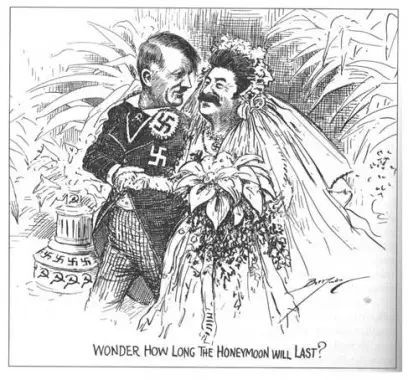
What was the main reason Hitler wanted to sign the Nazi-Soviet Non-Aggression Pact?
To gain control over the Soviet Union
To avoid a two-front war
To form an alliance with Britain
To invade France
What did Stalin hope to achieve by signing the Nazi-Soviet Non-Aggression Pact?
Immediate invasion of Germany
More time to build up armies and war industries
An alliance with France
Control over Western Europe
When did Hitler invade Poland?
September 1, 1939
September 3, 1939
September 17, 1939
September 30, 1939
What was the response of Britain and France to the German invasion of Poland?
They declared war on Germany.
They signed a peace treaty with Germany.
They remained neutral.
They invaded Germany.
Why did Hitler believe that Britain and France would not go to war for Poland?
They had failed to defend Austrian or Czechoslovakian independence.
They had signed a non-aggression pact with Germany.
They were not allied with Poland.
They were preoccupied with internal conflicts.
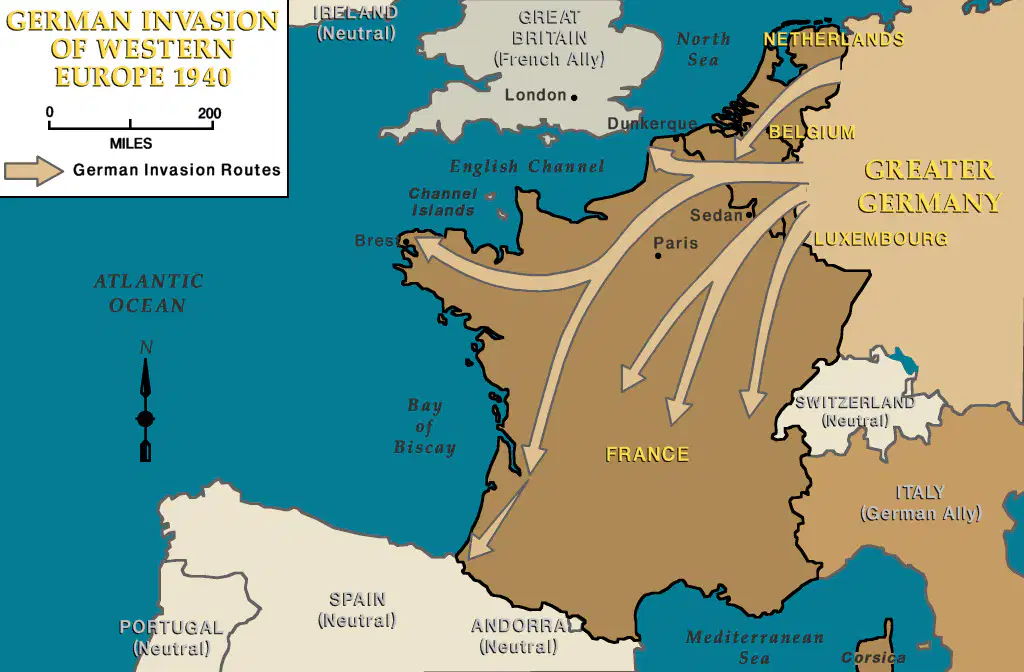
Why did the German army invade The Netherlands, Belgium, and Luxembourg in May 1940?
To capture their resources
To avoid the Maginot Line and attack France
To establish new German territories
To form alliances with these countries
What happened within a month of the German invasion of France in 1940?
The French government expanded its territory
The French government formed an alliance with Germany
German troops quickly conquered Northern France and captured Paris
The French government successfully defended Paris

What significant event in 1942 caused massive public fear and anxiety throughout Australia?
The fall of Singapore
The bombing of Pearl Harbor
The Battle of Midway
The D-Day invasion
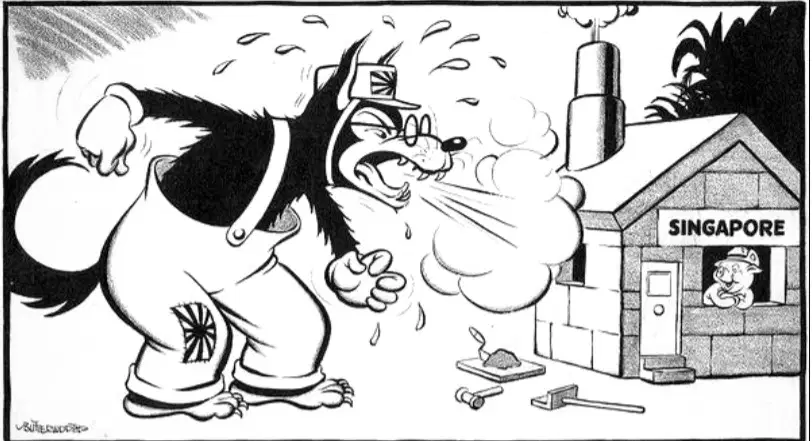
What was Singapore considered to be before its fall in 1942?
An unconquerable British fortress
A neutral territory
A Japanese stronghold
An American military base
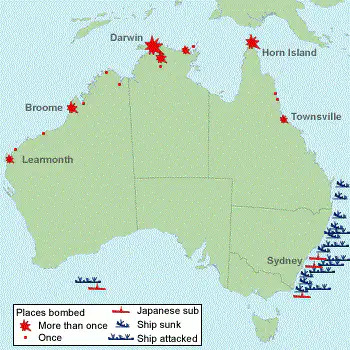
Which Australian city was bombed by enemy planes shortly after the fall of Singapore?
Sydney
Melbourne
Darwin
Brisbane
Why was Singapore considered a crucial base of British power in Southeast Asia?
It had a large population.
It was rich in natural resources.
It was strategically positioned at the southern tip of the Malay Peninsula.
It had a strong military presence.
What was the strategic consequence of the fall of Singapore during World War II?
The British forces gained a new base.
The Japanese forces were in a prime position to launch further attacks southward towards Australia.
The Allied forces received more support.
The war in Southeast Asia ended.
What did Australia's defence in 1941 heavily depend on?
The United States Army
The British Navy
The Australian Air Force
The French Navy
What event shattered the illusion of British invincibility and left Australians feeling abandoned and exposed?
The Battle of Britain
The Fall of Singapore
The Attack on Pearl Harbor
The Battle of Midway
What was severely undermined due to the fall of Singapore?
The belief in the ability of the British to defend their interests in Asia and Australia
The strength of the Australian Air Force
The power of the United States in the Pacific
The influence of the French in Southeast Asia

What event left no-one in Australia with any doubt that the advancing Japanese forces were now in a position to attack Australia?
The fall of Singapore
The attack on Pearl Harbor
The Battle of Midway
The Doolittle Raid
What was the reaction of the Australian population to the advancing Japanese forces during WW2?
Indifference
Fear and concern for safety
Celebration
Relief
What did the fall of Singapore force Australians to accept?
The need for greater self-reliance in defence matters
The importance of international trade
The necessity of forming new alliances
The value of cultural diversity
What was one of the main reasons women entered the workforce in large numbers during WW2?
To gain independence
To fill vacancies left by men enlisting in the armed forces
To avoid conscription
To pursue higher education
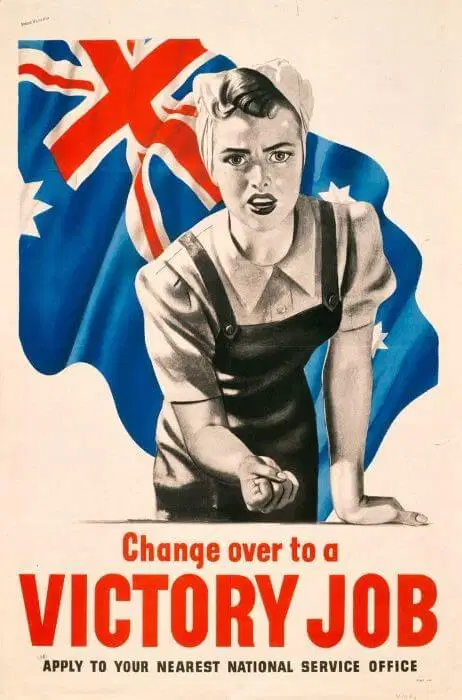
What were the main industries that employed women during WW2 to contribute to the war effort?
Entertainment and fashion
Manufacturing, agriculture, and transportation
Banking and finance
Tourism and hospitality
Approximately how many women joined the Army and Airforce during WW2 in supporting roles?
10,000
25,000
50,000
100,000
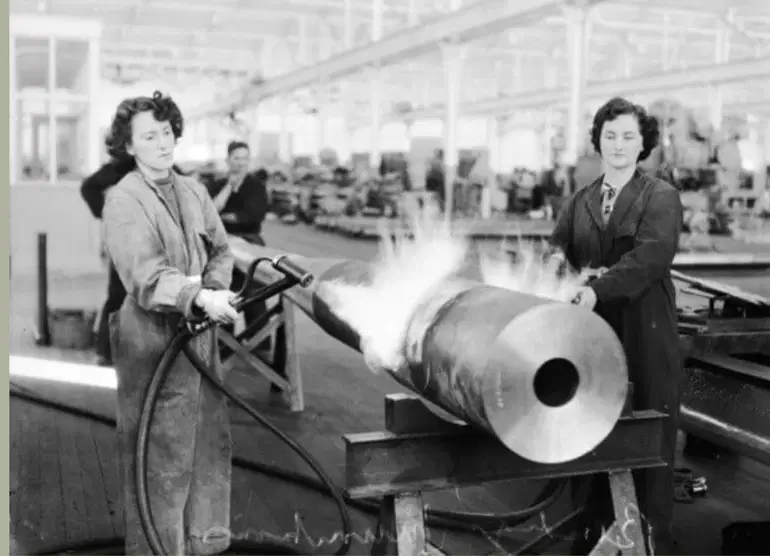
What new employment opportunities were offered to Australian women during WW2?
Cleaning aircraft
Working in factories to produce weapons
Sewing clothes for the war effort
Writing letters and similar forms of communication for soldiers who couldn't read/write

What was the Holocaust?
The deliberate and systematic mass murder of Jews and other 'undesirables' by the Nazis during WW2.
A military strategy used by the Allies during WW2.
A peace treaty signed at the end of WW2.
A type of concentration camp used by the Nazis.

What was the Schutzstaffel (SS)?
The elite members of the Nazi Party, responsible for many functions such as: concentration camps, and extermination of political/racial enemies.
A group of Allied spies during WW2 who dressed as women and attempted to steal military secrets from German officers.
A type of German tank used in WW2 during their invasion of Britain.
A resistance group against the Nazis that specialised in disdain and similar tactics
What was a concentration camp?
A place where large numbers of people are confined under armed guard, often living in harsh conditions and used as slave labour.
A type of military base used by the Allies.
A location for storing military equipment.
A place for training Nazi soldiers.
What was the primary function of an extermination camp?
The mass killing of people deemed unfit to live by the Nazi Government.
Training Nazi soldiers.
Storing military equipment.
Conducting scientific research.
What did the term "Final Solution to the Jewish Question" refer to?
A co-ordinated plan to exterminate all Jews living in territory under Nazi control/influence.
A peace treaty with the Jewish community.
A plan to relocate Jews to a different country.
A strategy to integrate Jews into Nazi society.
What was the primary purpose of the ghettos established by the Nazis following the invasion of Poland in 1939?
To provide housing for displaced persons
To segregate and confine Jewish populations
To serve as military training grounds
To promote cultural exchange
What was the initial purpose of the concentration camps built by the Nazis across Europe?
To serve as tourist attractions
To house political prisoners
To train soldiers
To provide medical care
What was the primary purpose of the Wannsee Conference held in January 1942?
To discuss military strategies against the Allies
To coordinate the implementation of the "Final Solution to the Jewish Question"
To negotiate peace treaties with neighboring countries
To plan the invasion of the Soviet Union
What method did the Nazis primarily use for mass gassings in extermination camps?
Carbon monoxide
Mustard gas
Zyklon B
Sarin gas

What was the estimated total number of Jewish victims murdered during the Holocaust?
Four million
Six million
Eight million
Ten million
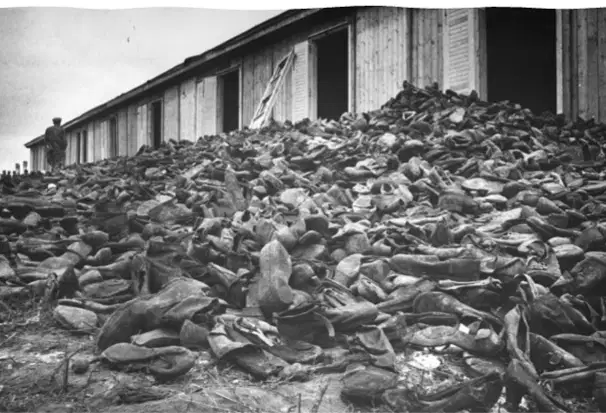
What percentage of Europe's Jewish population was represented by the Holocaust victims?
1/3
1/2
2/3
3/4

Approximately how many people were murdered at Auschwitz-Birkenau?
800,000
1.1 million
1.5 million
2 million
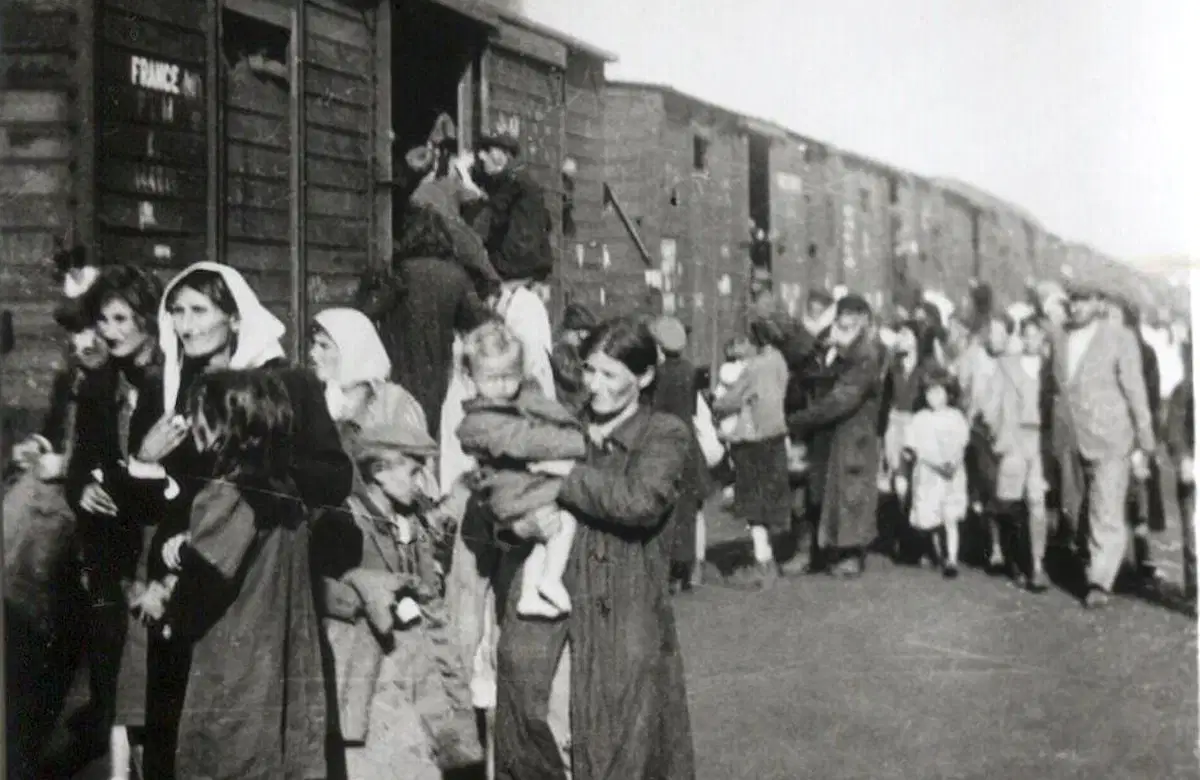
During which years did the murders at Treblinka occur?
1940-1941
1941-1942
1942-1943
1943-1944
When was the United Nations established?
2 May 1945
2 September 1945
24 October 1945
10 December 1948

Which three nations met in 1941 during WWII and discussed the idea of an international trusteeship of the powerful nations?
China, the USA and Norway
France, Britain and South Africa
Britain, the USA and Russia (Soviet Union)
Russia, the USA and Vietnam
Which of the following has representatives of all member states of the UN?
The General Assembly
The Secretariat
The Security Council
The International Court of Justice
The UN Security Council is responsible for ...
approving the budgets for UN agencies.
administration of the UN.
dealing with threats to international security.
dealing with threats to economic security
Which countries have permanent membership of the Security Council?
USA, China, Russia, France and Britain
USA, Japan, Russia, France and Britain
USA, China, Russia, Japan and Britain
USA, China, India, Russia, France
What was the Allies' intention with appeasement?
To buy time for rearming their military forces
To encourage fascist powers to be more diplomatic
To prevent any form of conflict
To strengthen economic ties with Germany and Italy
What was the major flaw in the Allies' strategy of appeasement?
It weakened their economies
It allowed Germany and Italy to strengthen militarily
It led to internal political turmoil
It isolated them from other potential allies
What event marked the end of appeasement as a viable policy for France and Britain?
Italy's invasion and conquest of Albania
The annexation of Austria by Germany
The invasion of Poland by Germany
Germany's remilitarization of the Rhineland

When did Hitler become Chancellor of Germany?
January 1933
March 1933
September 1922
January 1934
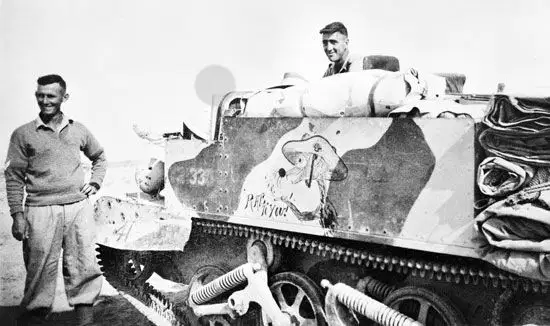
What battle did Australian forces defeat the Nazi forces in North Africa?
Tobruk
1st Battle of El Alamein
Bardia
Syria
Which of the following is not a target of the 17 SDGs?
NO POVERTY
LIFE ON LAND
HEALTHY LIFESTYLE
GENDER EQUALITY

Which SDG is this?
REDUCED INEQUALITIES
RESPONSIBLE CONSUMPTION AND PRODUCTION
CLIMATE ACTION
GENDER EQUALITY
A system of government marked by centralization of authority under a dictator, a capitalist economy subject to stringent governmental controls, violent suppression of the opposition, and typically a policy of belligerent nationalism and racism.
imperialism
militarism
fascism
ultra-nationalism
Why did Stalin enter into the German-Soviet Non-Aggression Pact when he hated Hitler so much?
Whilst Stalin hated Hitler, he wanted to be friends with Germany.
It was a chance to take territory lost to Russia during WW1.
Stalin wanted to buy the Soviet Union time before the inevitable start of the war.
Stalin thought war could be averted through peacefully trading with Germany.
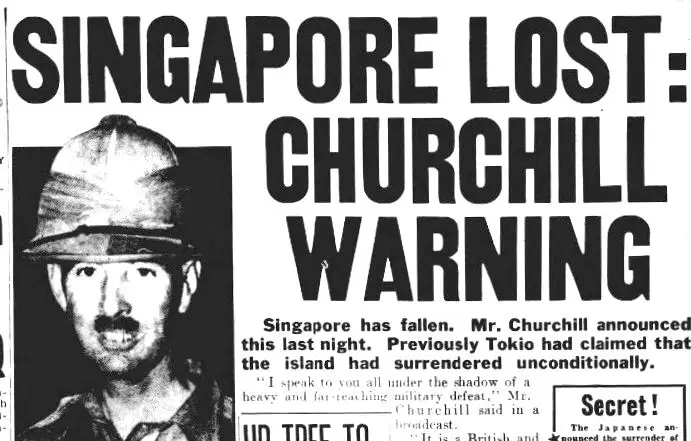
Which of the following options (more than 1) best describe how the fall of Singapore in WW2 affect the Australian public?
They had no reaction.
It caused a huge amount of fear of invasion.
It encouraged the Australian government to rely less on Britain for defence from attack.
It discouraged the spread of anime and similar cultural trends.
It encouraged more Australians to surrender to Germany.

All 6 extermination Nazi camps were located in...
Europe
Soviet Union
Japan
Poland
The Nazis used the term 'Final Solution' meant?
The Extermination of the Jewish people
Letting liberation of Europe's Roma population
The Nazis allowing conquered peoples to have more rations of food
Giving them all jobs
Allies means
cooperating military powers
arguing military powers
individual military powers
military enemies
The Axis Powers of WW2 included:
Germany, Italy and Japan
Germany and Italy only
Germany only
Italy only
The Allied Powers included:
Great Britain and United States
Great Britain, Soviet Union, United States
Great Britain
Germany and United States
The leader of Germany during WW2 was:
Churchill
Stalin
Mussolini
Hitler
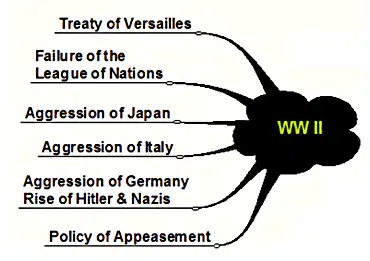
Which of the following DID NOT help cause World War 2?
Hitler's plans to conquer the world
The failed policy of appeasement
The failure of the League of Nations
The Great Depression
Hitler's declaration of Eternal Peace

