wayground logo

Free Printable Worksheets

Font size

S
M
L
XL
Worksheets

Biodiversity and Review

Total questions: 194

Worksheet time: 3hrs 40mins

Name
Class
Date
1.
What are greenhouse gases?
a)
gases that cause climate change
b)
gases that emit green smoke
c)
gases that are used to make green colored glass
2.
Visible light reaches Earth’s surface while infrared light is trapped as heat. Which characteristic of Earth’s atmosphere causes this to happen?
a)
the hole in the ozone
b)
the greenhouse effect
c)
atmospheric pressure
d)
the inversion layer
3.
The average temperature of the surface of Earth has increased approximately 1°C in the past century. Which reason best explains this increase in temperature?
a)
lower levels of ozone in the atmosphere
b)
lower levels of nitrogen in the atmosphere
c)
higher levels of carbon dioxide in the atmosphere
d)
higher levels of oxygen in the atmosphere
4.
Which of the following is the best conclusion that can be made from this graph?
a)
atmospheric carbon dioxide levels have been decreasing since 1960
b)
Hawaii has a lot of carbon dioxide
c)
humans have been working hard to decrease carbon dioxide levels
d)
atmospheric carbon dioxide levels have increased steadily since 1960
5.
Which of the following gases DOES NOT trap heat?
a)
carbon dioxide
b)
nitrogen
c)
water vapor
d)
methane
6.
Compared to other greenhouse gases, carbon dioxide is very effective in trapping heat near the surface of the Earth.
a)
true
b)
false
7.
Which of the following have been linked to climate change?  
a)
droughts
b)
flooding
c)
melting of polar ice caps
d)
all of the above
8.
Which is a primary energy source used by power plants to generate electricity?
a)
coal
b)
wood
c)
gasoline
d)
batteries
9.
Changes in temperature are expected to be greatest
a)
near the equator
b)
near the poles
c)
between the equator and the North Pole
d)
between the equator and the South Pole
10.
The main human activity that releases greenhouse gases is
a)
using bottled water
b)
burning fossil fuels
c)
texting on cellphones
d)
eating meat
11.
Some greenhouse gases are naturally present in the Earth's atmosphere
a)
True
b)
False
12.
Melting of glaciers and polar ice caps....
a)
will result in cooler temperatures in the Arctic
b)
will result in sea-levels rising
c)
Will have no effect on ecosystems
d)
None of the above
13.
What is the definition of weather?
a)
a period of abnormally dry weather that lasts at least 2 years
b)
the specific condition of the atmosphere at a particular place and time
c)
a complex community of organisms and the community's environment
d)
a release of toxic gas
14.
What is the average weather for a particular time and region called?
a)
drought
b)
weather
c)
emissions
d)
climate
15.
Carbon is stored in
a)
Trees and other living things
b)
Oceans
c)
underground in soil and fossil fuels
d)
All are correct
16.
The warming of the atmosphere by the trapping of heat being radiated to space is called
a)
evaporation
b)
condensation
c)
the greenhouse effect
d)
radiation
17.
Increasing quantities of CO2 (Carbon Dioxide) in the atmosphere will cause air temperatures to be _____. 
a)
warmer
b)
cooler
18.
Climate change causes extreme weather conditions such as:
a)
Flooding
b)
Heat Waves
c)
Hurricanes
d)
All of the above
19.
The amount of carbon dioxide CO2 in the atmosphere is decreasing. 
a)
True
b)
False
20.

Possible human solutions for limiting global warming and climate change are...

a)

being more energy-efficient

b)

using renewable sources of energy

c)

removing carbon from fossil fuel emissions

d)

all of the above

21.

When fertilizers enter surface water, they cause problems in  the watershed by -

a)

increasing the amount of nutrients available to fish in lakes and streams.

b)

clogging narrow streams and preventing water from flowing properly.

c)

raising the water level in nearby rivers to levels leading to flooding.

d)

causing rapid algal growth that decrease oxygen levels and choke aquatic life.
22.
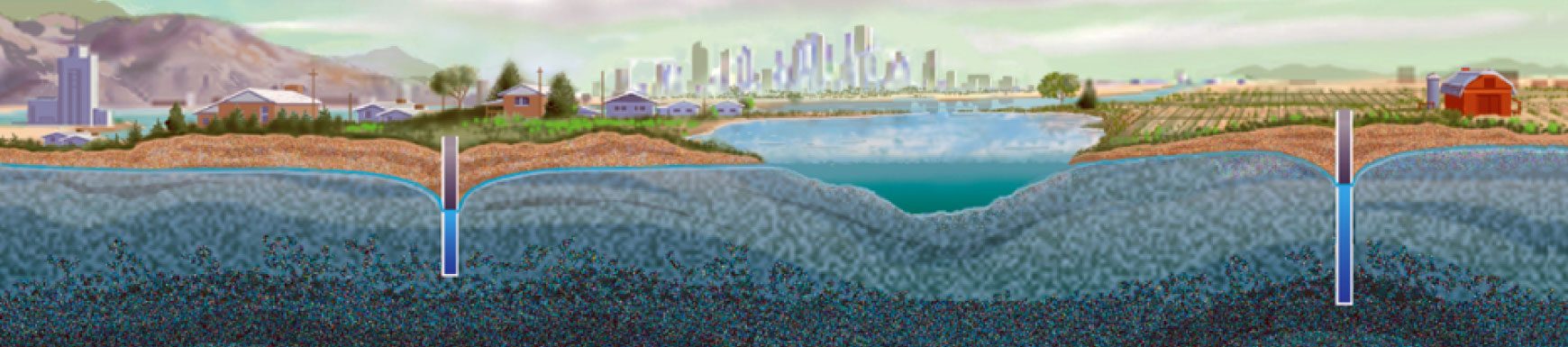
______________________ is water that is beneath the earth’s surface in sediment or rock formation.
a)
watershed
b)
water pollution
c)
wastewater
d)
groundwater
23.
Which doesn't typically contribute to chemical pollution?
a)
factories
b)
animal wastes
c)
gasoline cars 
d)
acidic rain 
24.

What % of readily usable freshwater is on Earth?

a)
97%
b)
71%
c)
3 % 
d)
1 %
25.

What is deforestation and how does it contribute to habitat loss?

a)

Deforestation is the planting of new trees to create more habitats for wildlife.

b)

Deforestation has no impact on habitat loss as animals can easily adapt to new environments.

c)

Deforestation is the process of building new homes for animals in the forest.

d)

Deforestation is the clearing of trees and forests, which leads to the destruction of habitats for many species.

26.

Explain how mining activities can lead to habitat loss.

a)

Mining activities can lead to habitat loss by clearing land, removing vegetation, and disrupting ecosystems.

b)

Mining activities can lead to habitat loss by reducing pollution and improving air quality.

c)

Mining activities can lead to habitat loss by promoting biodiversity and preserving ecosystems.

d)

Mining activities can lead to habitat loss by increasing the population of endangered species.

27.

How does industrial pollution affect the habitats of animals?

a)

It leads to an increase in the population of animals

b)

It improves the living conditions for animals

c)

It can contaminate water, soil, and air, leading to habitat destruction and loss of food sources for animals.

d)

It has no impact on animal habitats

28.

What are the main reasons for the decline in panda populations due to habitat loss?

a)

Deforestation, urbanization, and agricultural expansion

b)

Habitat preservation, wildlife conservation, and controlled breeding programs

c)

Natural disasters, disease outbreak, and genetic mutations

d)

Climate change, pollution, and overhunting

29.

Describe the impact of habitat loss on the decrease in animal populations.

a)

Habitat loss only affects certain species, not overall animal populations

b)

Habitat loss reduces available space and resources for animal populations to thrive.

c)

Habitat loss increases available space and resources for animal populations

d)

Habitat loss has no impact on animal populations

30.

How does deforestation affect the biodiversity of an ecosystem?

a)

It has no impact on the biodiversity of an ecosystem.

b)

It only affects a few species, so overall biodiversity is not significantly impacted.

c)

It increases the habitat and food sources for many species, leading to an increase in biodiversity.

d)

It reduces the habitat and food sources for many species, leading to a loss of biodiversity.

31.

Discuss the environmental consequences of mining activities on habitats.

a)

Mining activities have no impact on habitats

b)

Mining activities can lead to habitat destruction, soil erosion, water pollution, and loss of biodiversity.

c)

Mining activities improve soil quality

d)

Mining activities lead to increased biodiversity

32.

Explain the concept of habitat fragmentation and its impact on wildlife.

a)

Habitat fragmentation has no impact on wildlife

b)

Habitat fragmentation increases biodiversity

c)

Habitat fragmentation can lead to loss of biodiversity and disruption of ecological processes.

d)

Wildlife benefits from habitat fragmentation

33.

How can habitat loss be mitigated to protect wildlife and ecosystems?

a)

Introducing invasive species

b)

Building more infrastructure

c)

Cutting down more trees

d)

Implementing conservation measures

34.
What is deforestation?
a)
Clearing Earth's forests on a massive scale
b)
Eating too much vegetables
c)
Going to a forest and pulling weeds
d)
Clearing the five trees in my backyard
35.
what is the leading cause of deforestation?
a)
Diseases 
b)
Housing market
c)
Agriculture and Farming
d)
Paper mill
36.
What does deforestation effect?
a)
Plants and animals
b)
Our biosphere
c)
Humans
d)
All of the above
37.
What are the effects of deforestation ?
a)
loss of habitat
b)
increased green house gasses 
c)
soil erosion and flooding
d)
all of the above
38.
Does deforestation contribute to global warming?
a)
No, trees aren't that important
b)
Sometimes because only the cutting down of Maple trees contributes to global warming
c)
No, deforestation adds methane to the atmosphere, which makes the Earth cooler
d)
Yes; less trees means less CO2 is turned into oxygen.
39.

Invasive species alter the ecosystem by ______ in number quickly. This leads to ______ food for the native species.

a)

increasing, less

b)

increasing, more

c)

decreasing, less

d)

decreasing, more

40.
Biodiversity refers to
a)
extinct species
b)
the variety of species on Earth
c)
nonrenewable resources
d)
the rate of species decline
41.

Why do the populations of invasive species grow so quickly?

a)

Invasive Species are native to an area.

b)

Invasive species are prey to many animals.

c)

Invasive species have fewer limiting factors in their new environment

d)

Invasive species keep the ecosystems in equilibrium.

42.

Invasive species can crowd out native species.

a)

TRUE

b)

FALSE

43.

Invasive species can have a major impact on the ecosystem.

a)

TRUE

b)

FALSE

44.

What makes a species invasive?

a)

Moving to a new ecosystem and taking resources from natives

b)

Not having papers

c)

Species that can't adapt

d)

Plants that take up too much space

45.
What is an invasive species?
a)
A native (naturally found) species which are added to an area. 
b)
A non-native (not naturally found) species added to an area. 
c)
A keystone species in an environment
d)
none of the above
46.
When taken to a new habitat, non-native plants often threaten native plants of the new habitat.  Why do they do this?
a)
Non-native plants are able to mutate rapidly
b)
Non-native  plants cause native animals to relocate
c)
Non-native plants are able to be used for medicine
d)
Non-native plants compete with native plants for resources
47.
Kudzu has overgrown many parts of southern Missouri and native ground plants have disappeared from the area. This is an example of:
a)
Parasitism between kudzu and the native plants
b)
A predator prey relationship between ground plants and kudzu
c)
Competition occurring between the native and invasive species
d)
Commesalism occurring between the kudzo and native plants
48.
The field mouse population in Australia has grown so fast that they eat an average of  $4 billion of wheat every year. Their fast growth is caused by:
a)
A. The mice like to reproduce
b)
B. A lack of a native species to eat the field mouse
c)
C. Abundant food supply
d)
Both B and C
49.
Which of the following is a key characteristic of most invasive species?
a)

Ability to breathe in the air & in the water and produce asexually

b)

Producing lots of offspring with no natural predators

c)
Produce many offspring
d)

Is a top predator who has too few offspring

50.

Which of these is a producer?

a)

Insects

b)

Grass

c)

Bacteria

d)

Eagle

51.

Where do producers get most of the energy they need to make their own food?

a)

carbon dioxide

b)

oxygen

c)

sunlight

d)

water

52.

What type of organism is at the beginning of every food chain?

a)

predator

b)

carnivore

c)

producer

d)

herbivore

53.

This diagram shows how energy flows through an eco-system. What is the first source of energy in this pyramid (aka producers)?

a)

sharks and large birds

b)

algae, plankton and seagrass

c)

herbivorous fish, crustaceans and sea urchins

d)

seals and carnivorous fish

54.
What is this called?
a)
Food Web
b)
Food Chain
c)
Abiotic Factors
55.
What is this called?
a)
Food Web
b)
Food Chain
c)
Abiotic Factors
56.
In the energy pyramid here, which organisms have the most energy available?
a)
Producers
b)
Carnivores
c)
Herbivores
d)
Top Predator
57.
In the food web shown, the snail would be considered...
a)
primary consumer
b)
secondary consumer
c)
tertiary consumer
d)
producer
58.
What is another name for producer?
a)
consumer
b)
herbivore
c)
autotroph
d)
lichen
59.
An organism that needs to eat other organisms to obtain energy is known as a:
a)
Autotroph
b)
Producer
c)
Consumer
d)
Mutualist
60.
An organism that lives by breaking apart dead organic matter into simpler parts is...
a)
scavenger
b)
consumer
c)
decomposer
d)
carnivore
61.
If there is 1000 Kcal available in the producers in trophic level 1, how much energy is available in the herbivores in trophic level 2?
a)
10 Kcal
b)
1 Kcal
c)
100 Kcal
d)
1000 Kcal
62.
A food pyramid represent the relative amount of energy in trophic levels. Which of the following correctly shows a food pyramid?
a)
A
b)
B
c)
C
d)
D
63.

Which organisms in figure 1 could be classified as carnivores?

a)

deer, mice, and grasshoppers

b)

grasshoppers, lizards, and shrews

c)

coyotes, shrews, and lizards

d)

mountain lion, deer, and shrews

64.
The diagram represents a pyramid of energy in an ecosystem.  Which level would most likely contain members of the plant kingdom?
a)
A
b)
B
c)
C
d)
D
65.

What do the arrows in a food web represent?

a)

mass

b)

energy flow

c)

matter

d)

organisms

66.
What might happen if you remove a primary consumer from the ecosystem?
a)
There would be more food for secondary consumers.
b)
The number of primary consumers would increase.
c)
The number of plants would increase.
d)
The number of secondary consumers would increase.
67.

In the food web pictured here, flies provide energy for...

a)

Dragonflies, Turtles, & Frogs

b)

Slugs & Fish

c)

Water Weeds & Algae

d)

Snakes, Frogs, & Kingfishers

68.

Which trophic level contains 'secondary consumers'?

a)

Red

b)

Blue

c)

Green

d)

Yellow

69.

What are all the terms that can be used to describe the Orca whale? Check all that apply!

a)

Producer/Autotroph

b)

Consumer/Heterotroph

c)

Carnivore

d)

Top predator

e)

Primary Consumer

70.

What is a food chain?

a)

The flow of energy from one thing to another

b)

The way animals eat each other

c)

The way the sun makes everything

d)

How the plants grow

71.
What is a producer? 
a)
Organism that creates their own food.
b)
Organism that eat other organisms for energy
c)
Organism that eat other dead organisms
72.
What is a consumer? 
a)
Organism that creates their own food.
b)
Organism that eat other organisms for energy
c)
Organism that eat other dead organisms
73.
An animal that eats other animals is a....
a)
carnivore
b)
omnivore
c)
herbivore
d)
decomposer
74.
What do Herbivores eat? 
a)
Plants ONLY 
b)
Animals ONLY
c)
Plants AND Animals
75.

What do plants need to make their own food?

a)

Sun, Water, and Animals

b)

Sun, Coke, and Soil

c)

Sun, Water, and Soil

d)

Nothing at all

76.

An example of a predator:

a)

shark

b)

mouse

c)

rabbit

77.
Where does the energy start in this food chain?
a)
Plant
b)
Sun
c)
Deer
d)
Wolf
78.

What is a decomposer?

a)
b)
c)
d)
79.
What are animals called in a food chain?
a)
Producers
b)
Consumers
c)
Decomposers
d)
Plants
80.
What are plants called in a food chain?
a)
Producers
b)
Consumers
c)
Decomposers
d)
Scavengers
81.
Which of these organisms would receive energy from the snake?
a)
Plant
b)
Rabbit
c)
Mouse
d)
Hawk
82.
Which type of consumer eats meat and plants?
a)
Herbivores
b)
Carnivores
c)
Omnivores
d)
Plants
83.

Label this food chain

84.

A ​ (a)   is a living thing that consumes food.

Choose from the below words
consumer
producer
herbivore
omnivore
carnevore
carnivore
decomposer
85.

Mark all the organisms that are considered producers

a)
b)
c)
d)
e)
86.

Giraffes have long necks that help them reach leaves high up in trees. They get all the energy they need from plants such as this. What type of consumer are giraffes.

a)

carnivore

b)

omnivore

c)

herbivore

d)

decomposer

87.

Mushrooms often grow around dead plants such as decomposing trees. They break down these dead organisms and put energy that stores in the plant back into the ground for other plants to use. What type of consumer are mushrooms?

a)

carnivore

b)

omnivore

c)

herbivore

d)

decomposer

88.

How much energy is passed along every trophic level increase?

a)

50%

b)

25%

c)

100%

d)

10%

89.
In this food chain, what will happen if the frogs become extinct?
a)
The snakes will increase.
b)
The grasshoppers will decrease.
c)
The eagles will remain the same.
d)
The grasshoppers will increase.
90.

Which type of organism should replace the X in the food web?

a)

an omnivore

b)

an herbivore

c)

a carnivore

d)

a producer

91.

What do the arrows in a food web represent?

a)

mass

b)

energy flow

c)

matter

d)

organisms

92.

What happens as you move higher in the energy pyramid?

a)

more organisms

b)

fewer organisms

c)

number of organisms does not change

d)

organisms die

93.
The rabbit in this food web would be considered a:
a)
Decomposer
b)
Producer
c)
Secondary Consumer
d)
Primary Consumer
94.
Which level will contain plants?
a)
A
b)
B
c)
C
d)
D
95.

In the food web pictured here, flies provide energy for...

a)

Dragonflies, Turtles, & Frogs

b)

Slugs & Fish

c)

Water Weeds & Algae

d)

Snakes, Frogs, & Kingfishers

96.
If there is 1000 Kcal available in the producers in trophic level 1, how much energy is available in the herbivores in trophic level 2?
a)
10 Kcal
b)
1 Kcal
c)
100 Kcal
d)
1000 Kcal
97.
A food pyramid represent the relative amount of energy in trophic levels. Which of the following correctly shows a food pyramid?
a)
A
b)
B
c)
C
d)
D
98.

What are all the terms that can be used to describe the Orca whale? Check all that apply!

a)

Producer/Autotroph

b)

Consumer/Heterotroph

c)

Carnivore

d)

Top predator

e)

Primary Consumer

99.

If a primary consumers have 650 kcals of energy available to them in the producers they eat, how many kcals of energy make it into the primary consumer trophic level?

a)

6.5

b)

65000

c)

650

d)

65

100.

An owl eats a rat that lived in an ecosystem where there was 2,800 kcals of energy in the insect population that the rat consumed. How many kcals would transfer to the trophic level the owl is in?

a)

28

b)

280

c)

2,800

d)

28,000

101.

A hawk eats a mouse that lived in an ecosystem where there is 10,000 kcals of energy in the insect population the mouse consumes. How much energy, in kcals, moves up to the trophic level the hawk is in?

a)

1 kcals

b)

10 kcals

c)

100 kcals

d)

1000 kcals

102.

What percent energy from the producers is available to primary consumers?

a)

25%

b)

12%

c)

8%

d)

10%

103.
The efficiency of energy transfer from a lower trophic level to the next highest level is roughly
a)
1%
b)
10%
c)
100%
d)
1000%
104.
In the energy pyramid here, how much of the energy in each level gets lost as heat or used by the organism for survival?
a)
80%
b)
90%
c)
10%
d)
20%
105.
a deer population has significantly increased, the best hypothesis is 
a)
the deer's main predator has been eliminated
b)
competition increased
c)
decreased water levels of local ponds
d)
organisms that rely on similar food sources migrated to the area
106.
an organism that can produce its own food through photosynthesis
a)
consumer
b)
heterotroph
c)
autotroph
d)
herbivore
107.
What is the best explanation for an energy pyramid?
a)
It shows the FLOW of energy from one organism to the next. 
b)
It shows HOW much energy flows through a food web
c)
It shows the MEMBERS in a single organism
108.
In this Food Web Pyramid what is the proper name for the organisms above the producer level at the bottom.
a)
herbivores
b)
consumers
c)
carnivores 
d)
omnivores
109.
About how much percent of energy is passed on from one organism to to the next on a food web pyramid. 
a)
100 percent of all energy gets passed
b)
45 percent of all energy gets passed
c)
10 percent of all energy gets passed
d)
0 percent of all energy gets passed
110.

Which of the following is producer/autotroph?

a)

rabbit

b)

frog

c)

tree

d)

worm

111.
What do we call a type of consumer that only eats the remains of dead organisms?
a)
Consumer
b)
Third level consumer
c)
scavenger
d)
omnivore
112.
What is a producer?
a)
an organism that gets energy from eating other organisms
b)
an organisms that uses sunlight to make its own food
c)
an organism that gets energy from eating dead organisms, non-living material or waste
113.

Using food web which of the following is a secondary consumer?

a)

snake

b)

worm

c)

butterfy

d)

squirrel

114.

Using the food web what would happen if the eagle became extinct?

a)

The frog population would decrease.

b)

The frog population would increase.

c)

The butterfly population would increase.

d)

The snake population would decrease.

115.

The number of organisms at the top of the energy pyramid are usually smaller because the hawk

a)

needs more energy

b)

has more predators

c)

have more offspring

d)

eat producers

116.

The graph shows that

a)

wolf population control the rabbit population

b)

the rabbit population control the wolf population

c)

the two populations do not affect each other

d)

wolves do not hunt rabbits

117.

Which two animals below are primary consumers

a)

moth and ant

b)

mushroom and moth

c)

ant and hawk

d)

spider and mouse

118.

In a food web the arrow always points to

a)

the consumer

b)

the prey

c)

producer

d)

autotroph

119.

If the GRASS became diseased, which organisms would also be NEGATIVELY affected?

a)

Rabbits only

b)

Rabbits and snakes

c)

Rabbits, snakes, and hawks

d)

Rabbits and hawks (snakes benefit)

120.

What happened after 12 months after the hawk population was MOSTLY killed off?

a)

Snakes increased, Rabbits decreased, and Grass increased. Then everything balanced back out to almost normal.

b)

Initially everything was stable, but the snake population killed all the rabbits and then died out themselves.

c)

Everything went down significantly at first, then the hawks recovered.

d)

Everything except the grass died off at first, then the rabbits recovered.

121.

Which statement best describes what will happen if the population of herbivores in the community decreases?

a)

the population of foxes will increase

b)

the population of hawks will increase

c)

the population of rabbits will increase

d)

the population of meadow plants will increase

122.
Recently, a family of bobcats moved into an area with a large rabbit population. What changes may occur in the ecosystem?
a)
The rabbit population may increase
b)
The rabbit population may decrease
c)
The rabbit population may increase first, then decrease
d)
The rabbit population will remain the same
123.
Which terms best describe heterotrophs?
a)
Plants; producers
b)
Animals; producers
c)
Plants; consumers
d)
Animals; consumers
124.
The arrows in a food chain or web represents what?
a)
They point to the organism that is being eaten.
b)
It shows how sunlight flows within an ecosystem.
c)
They show what direction the energy is flowing between organisms. 
d)
They represent how water is transferred within a habitat.
125.

A relationship between two species is called ______________.

a)

Speciation

b)

Antagonism

c)

Partnership

d)

Symbiosis

126.

Mutualism is when---

a)

both organisms benefit from the relationship

b)

when only one organism benefits and the other is hurt"mutual"

c)

means both when one organism benefits and the other is not effected

127.

Commensalism is when ----

a)

both organisms benefit from the relationshipthis is when BOTH are helped

b)

when one organism benefits and the other is not effected

c)

only one organism benefits while the other is hurt by the relationship

d)

is when one is helped and the other is harmed

128.

Parasitism is when ----

when one organism benefits and the other is not effectedone benefits and the other is neither helped nor harmed only one organism benefits and the other is harmedboth benefit both organisms benefit from the relationship

a)

when one organism benefits and the other is not effectedone benefits and the other is neither helped nor harmed

b)

only one organism benefits and the other is harmed

c)

both benefit both organisms benefit from the relationship

129.

Which of the following is an example of parasitism?

a)

human and mosquito

b)

bee and flower

c)

shark and remora

130.

Why is the bee and flower an example of mutualism?

a)

Both the bee and flower benefit.

b)

The flower benefits and the bee is not changed.

c)

Only the bee benefits and the flower is harmed.

131.

Which of the following symbiotic relationships is considered parasitic?

a)

Bees transporting pollen from flowers

b)

Pilot fish swimming under sharks

c)

Tapeworm in an intestinal tract

d)

Birds eating the insects from the back of a hippopotamus

132.

What does symbiosis mean?

a)

living separately, no relationship between two species

b)

living together, close relationship between two species

c)

living in a community with no interaction between each other

133.

Digestive bacteria and humans - Human beings have what are often called “good” bacteria in their digestive systems. This “good” bacteria exists in order to help the human to digest food.

a)

Mutalism

b)

Commensalism

c)

Parasitism

134.

What is mutualism?

a)

A close, long lasting relationship when both parties benefit

b)

A one-sided relationship where one of the organism benefits greatly and the other is not helped nor harmed or damaged.

c)

One organism benefits from the relationship at the expense of the other.

135.

What is parasitism?

a)

A close, long lasting relationship when both parties benefit

b)

A one-sided relationship where one of the organism benefits greatly and the other is not helped nor harmed or damaged.

c)

One organism benefits from the relationship at the expense of the other.

136.

What is commensalism?

a)

A close, long lasting relationship when both parties benefit

b)

A one-sided relationship where one of the organism benefits greatly and the other is not helped nor harmed or damaged.

c)

One organism benefits from the relationship at the expense of the other.

137.

A spider uses a tree to build its web. The tree is not impacted but the spider needs the tree for shelter and safety. What kind of symbiosis is being represented?


Mutualism

a)

Commensalism

b)

Parasitism

138.

A fungus provides nutrients to algae and the algae provides food to fungus. What kind of symbiosis is being represented? *

a)

Mutualism

b)

Commensalism

c)

Parasitism

139.

A Remora fish, a type of suckerfish, attach themselves to sharks and other large fish. They detach when the larger fish feeds and eat the leftover scraps. What kind of symbiosis is being represented?

a)

Mutualism

b)

Commensalism

c)

Parasitism

140.

A head lice live on small amounts of blood in the scalp. The host human feels itchiness in their hair as the lice bit and move around. This is an example of what kind of symbiosis?

a)

Mutualism

b)

Commensalism

c)

Parasitism

141.

True of False: The following is an example of competition, Both wolves and bears hunt the same prey in their habitats. But if the bears consume all the prey in the are, the wolves will die off, and the habitat will be imbalanced.

a)

True

b)

False

142.

In which type of symbiotic relationship do both species benefit (+,+) ?

a)

Commensalism

b)

Parasitism

c)

Mutualism

d)

Predation

143.

In which type of symbiotic relationship does one species benefit while the other species is not affected (+, 0)?

a)

Commensalism

b)

Parasitism

c)

Mutualism

d)

Predation

144.

In which type of symbiotic relationship does one species benefit while the other species is harmed (+,-)?

a)

Commensalism

b)

Parasitism

c)

Mutualism

d)

Predation

145.

True or False: Symbiosis only works with animals.

a)

True

b)

False

146.
Cattle egrets are birds that forage in fields among cattle. The egrets get easy access to food and the cattle don't care if they are there or not.
a)
mutualism
b)
commensalism
c)
competition
d)
parasitism
147.
Yucca flowers are pollinated by yucca moths. The moths lay their eggs  in the flowers where  the larvae hatch and eat some of the developing seeds. Both species benefit.  
a)
Mutualism 
b)
Parasitism 
c)
Commensalism 
148.

Overall, all the interactions between organisms in ecosystems...

a)

Keep ecosystems & populations unstable and random

b)

Keep ecosystems & populations stable and balanced

149.

Which of the following is NOT a symbiotic relationship?

a)

Competition

b)

Commensalism

c)

Mutualism

d)

Parasitism

150.

How does competition between organisms maintain ecosystem stability and biodiversity?

a)

The winners of the competition increase in population size and dominate the ecosystem

b)

Both organism populations become stronger and larger as a result of the competition

c)

The population sizes are kept in check due to limited resources

d)

All of the above are true

151.

Commensalism is a symbiotic relationship in which what occurs between the organisms?

a)

both organisms are harmed

b)

one benefits, the other is unaffected

c)

one benefits, the other is harmed

d)

one benefits by eating the other

152.

Fungus and lichens live together. The fungus gets food from the algae while the algae gets a place to live.

a)

predation

b)

mutualism

c)

commensalism

d)

parasitism

153.

The parasitic roundworm anchors itself to the wall of the intestine and causes diseases to the organisms.

a)

competition

b)

mutualism

c)

commensalism

d)

parasitism

154.

Spiders create their webs on stems and trunks of plants.

a)

predation

b)

mutualism

c)

commensalism

d)

parasitism

155.

A mouse is captured and eaten by an owl.

a)

predation

b)

competition

c)

mutualism

d)

parasitism

156.

Two angelfish are struggling for the best territory in a small fishbowl.

a)

predation

b)

competition

c)

commensalism

d)

parasitism

157.

Cheetahs and lions feeding on the same prey.

a)

mutualism

b)

predation

c)

competition

d)

commensalism

158.

Orchids perch on sturdier plants. They cause no harm to the sturdy plant. They benefit simply from being exposed to sunlight.

a)

mutualism

b)

commensalism

c)

parasitism

d)

predation

159.

The sea lamprey uses its oral disc to attach itself to a larger fish then bores a hole through the fish's flesh and sucks its blood.

a)

competition

b)

mutualism

c)

commensalism

d)

parasitism

160.

A snake catches and swallows a frog

a)

predation

b)

mutualism

c)

competition

d)

parasitism

161.

A lion devours a deer

a)

predation

b)

mutualism

c)

competition

d)

commensalism

162.

A shrimp digs a hole to burrow itself and a goby fish. In case of danger, the goby fish touches the shrimp with its tail to warn it.

a)

predation

b)

mutualism

c)

competition

d)

commensalism

163.

Chimpanzees fight to achieve dominance in the tribe

a)

predation

b)

commensalism

c)

competition

d)

parasitism

164.

A fly is trapped in a spider's web

a)

competition

b)

mutualism

c)

parasitism

d)

predation

165.

A yellow rattle plant gets some of its nutrients from the roots of neighboring plants.

a)

parasitism

b)

mutualism

c)

predation

d)

competition

166.

Ten tomato plants are grown in one small pot with limited amount of soil.

a)

commensalism

b)

predation

c)

parasitism

d)

competition

167.

A short plant receives less sunlight because it is shaded by a tall plant

a)

predation

b)

mutualism

c)

competition

d)

commensalism

168.

Torsalo flies catch smaller flies so they can glue their eggs on them. the captive flies are released unharmed, but carry the eggs until they land on a host.

a)

commensalism

b)

mutualism

c)

parasitism

d)

competition

169.

An ameoba in humans causes infection that leads to liver abscesses and dysentery.

a)

parasitism

b)

predation

c)

mutualism

d)

commensalism

170.
Some shrimp and crab live and capture food from within the tentacles of giant anemones. 
a)
Parasitism
b)
Commensalism
c)
Mutualism
171.
Some shrimp and crab live and capture food from within the tentacles of giant anemones. 
a)
Parasitism
b)
Commensalism
c)
Mutualism
172.
A pearlfish spends the day inside the alimentary tract, or intestines, of a sea cucumber. The fish emerges from the sea cucumber at night to feed on small crustaceans. The pearlfish gets a safe place to live. The sea cucumber does not gain anything from the relationship, nor is it harmed. 
a)
Mutualism
b)
Commensalism
c)
Parasitism
173.
A cymothoid isopod lives inside the mouth of a snapper fish. The isopod severs blood vessels in the fish’s tongue, causing the tongue to atrophy and degenerate.The isopod then hooks its pereopods, or legs, to the base of the fish’s tongue,essentially replacing the tongue. The isopod stays there for the rest of its life, feeding on blood, mucus, and stray pieces of food from the fish.
a)
Commensalism
b)
Parasitism
c)
Mutualism
174.
A boxer crab carries a pair of small anemones in its chelipeds, or claws. When approached by a predator, the crab waves the stinging tentacles of the anemones to deter the predator. The anemones benefit from the small particles of food dropped by the crab during feeding. 
a)
Commensalism
b)
Mutualism
c)
Parasitism
175.
An alpheid shrimp digs and maintains a deep burrow. While underground, the shrimp is safe. Above ground, it is vulnerable to predators. A go by fish lives in the burrow with the shrimp. The go by fish sits at the entrance, keeping watch for predators, and signals the shrimp with a flick of its tail when it is safe to come out. Or, if a predator swims by, the go by darts into the burrow and the shrimp retreats further inside.These two animals are completely dependent on each other—the go by benefits by getting a burrow to live in and the shrimp knows when predators are near. 
a)
Parasitism
b)
Mutualism
c)
Commensalism
176.
Corals feed off the byproducts of a microscopic algae living within their own tissue,called zooxanthellae. The photosynthetic activity of the algae is vital to the survival of the coral animals, which use the energy to extract calcium from the seawater and build their calcareous skeletons. The zooxanthellae are protected by the hard coral and obtain plant nutrients from the coral. 
a)
Mutualism
b)
Commensalism
c)
Parasitism
177.
Some species of barnacles attach themselves to sea turtles or whales. As the whales or sea turtles travel, the barnacles gain access to food in nutrient-rich waters. Their host neither benefits nor is harmed by its riders.
a)
Mutualism
b)
Parasitism
c)
Commensalism
178.
A tapeworm needs to eat food that is already digested, so it lives in the intestines of a dogfish shark and derives nourishment from the shark. As a result of the tape worm infestation, the shark is weakened and more vulnerable to disease and predation. 
a)
Parasitism
b)
Commensalism
c)
Mutualism
179.
Imperial shrimp attach themselves to sea cucumbers and get transported by their host to a large area of potential food with only a minimal expenditure of energy. They have been observed getting off their host cucumber to feed in productive areas and then getting back on for a ride to the next spot. 
a)
Mutualism
b)
Commensalism
c)
Parasitism
180.
The siboglinid tube worm, found at deep-sea hydrothermal vents and cold seeps,has no digestive tract. It relies on symbiotic bacteria that live in the tube worm’s tissues. The bacteria oxidize hydrogen sulfide or methane for the worm.
a)
Mutualism
b)
Commensalism
c)
Parasitism
181.
Which organisms are producers?
a)
Chemosynthetic bacteria and symbiotic bacteria
b)
Amphipods and zooplankton
c)
Tubeworms and zoarcid fish
d)
Octopuses and mussels
182.

What is another term for plants and algae that make their own food from sunlight?

a)

Producers

b)

Consumers

c)

Decomposers

d)

Scavengers

183.
An organism that uses sunlight to create its own food is known as a:
a)
Producer
b)
Heterotroph
c)
Consumer
d)
Decomposer
184.

Select the primary consumers.

185.

Select the herbivores.

186.

Select the secondary consumers.

187.

Select the tertiary consumers.

188.

What are two organisms that compete for the butterfly as a food source?

189.

What is the source of energy for this food web?

190.

Which organism (or organisms) is an omnivore?

191.

Which organism (or organisms) is a producer?

192.

Which organism (or organisms) is a primary consumer?

193.

Which organism (or organisms) is a tertiary consumer?

194.

Label the p