
 Worksheets
Revision quiz for Unit 2
Total questions: 46
Worksheet time: 34mins
Service organizations even use different terms to describe the prices. Which of the following describes prices in the hotel industry?
Service interests
Room commissions
Room rates
Utility fees
Which of the following pricing strategies determines price based on overhead costs?
Cost plus pricing
Value based pricing
Dynamic pricing
Loyalty pricing
Which of the following pricing strategies' encourage business innovation?
Cost plus pricing
Value based pricing
Dynamic pricing
Loyalty pricing
Which of the following pricing strategies' help business maximise revenue according to market demands and fluctuations?
Cost plus pricing
Value based pricing
Dynamic pricing
Loyalty pricing
This pricing strategy may seem unfair by customers.
Cost plus pricing
Value based pricing
Dynamic pricing
Loyalty pricing
Which of the following is NOT an objective of service pricing?
Build supply
Gain profit
Support positioning strategy
Cover costs
The pricing tripod consist of (a) , costs and value to customer.
In Cost-based pricing, a firm must set its price high enough to recover the full costs of producing and marketing the service and add a sufficient margin to yield the desired profit at the predicted sales volume to make a profit. This concept is known as
Activity based costing
Pricing implications of cost analysis
Establishing the costs of providing service
Variable and semi variable costing
Value can be expressed as "What I get must be more than what I give"
True
False
Value can be expressed as "Getting whatever I want in a product"
True
False
The difference between the price customers pay and the amount they would actually have been willing to pay to obtain the desired benefits offered by a specific product is known as
(a)
After researching on travelling with pets, Nancy decided not to proceed with that plan of travelling with her pet cat as it involved additional costs such as hotel cleaning fees, flight charges and quarantine fees. Nancy's decision was a result of
related monetary costs
emotional costs
non-monetary costs
psychological costs
Price competition grows when there is a wider distribution of substitution offers.
True
False
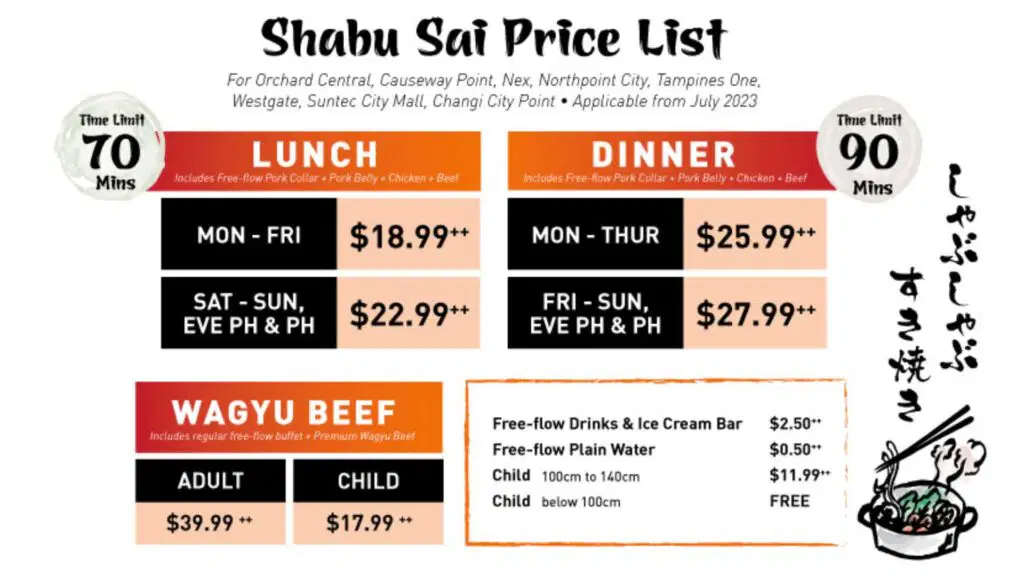
Which concept of in revenue management is Shabu Sai trying to achieve?
Illustrate and label the AIDA model

The two types of service communication objectives are ____ & ____
(a)
What type of problems in intangibility does a bank typically face when crafting effective service communications?
Abstractness
Generality
Non-searchability
Mental impalpability
What type of problems in intangibility does British Airways typically face when crafting effective service communications?
Abstractness
Generality
Non-searchability
Mental impalpability
How can services such as Fitness First overcome intangibility when crafting effective service communications?
Video evidences
Present testimonials
Cite past service performance statistics
Present actual case history
Which of the following is NOT a type of service marketing communications mix?
Marketing communications channels
Service delivery channels
Messages originating from outside the organisation
Communication mix tripod
Which of the following is an example of "Advertising"?




Which of the following is an example of "Sales Promotion"?
Which of the following is an example of "Corporate Design"?

List one consideration when deciding how a service should be distributed
(a)
In the Flower of Service, facilitating services includes (select more than one)
Billing
Order taking
Hospitality
Consultations
In the Flower of Service, enhancing services include (select more than one)
Safekeeping
Payment
Hospitality
Information
When considering location of service facility, population size, competitors in the area and rental costs are examples of
strategic location considerations
tactical location considerations
practical location considerations
accessible location considerations
Transnational strategies are possible when there is a demand from global customers for consistent service from suppliers around the world. This is a factor known as
market drivers
competition drivers
technology drivers
cost drivers
Transnational strategies are possible when there is economies of scale to be gained from operating internationally. This is a factor known as
market drivers
competition drivers
technology drivers
cost drivers
Transnational strategies are possible when goverment policies encourage or discouraged development of transnationally integrated strategy. This is a factor known as
(a)
In the components of a service product, _______ enhances the product value and facilitates its use.
core product
supplementary services
delivery processes
In the components of a service product, _______ refers to what the customer is fundamentally buying.
core product
supplementary services
delivery processes
Supplementary Services from the 3 components of service products can be examined further using the Flower of Service.
True
False
Customer requesting for his room to be cleaned before 11am is an example of which exception of supplementary service?
Special requests
Problem solving
Handling of suggestions
Restitution
Customer suffered deep cuts on the forehead after slipping in the restaurant. When the restaurant offers to pay for all the necessary medical bill is an example of which exception of supplementary service?
Special requests
Problem solving
Handling of suggestions
Restitution
Which branding strategy is commonly used by international hotel chains?
Sub-brands
Branded house
Endorsed brands
House of brands
When the master brand is the main reference point, this type of branding strategy is known as
Sub-brands
Branded house
Endorsed brands
House of brands
When consumers are more familiar with brand rather than the company that owns them, this type of branding strategy is known as
Sub-brands
Branded house
Endorsed brands
House of brands

This type of branding strategy is known as
Sub-brands
Branded house
Endorsed brands
House of brands
Branding is not only used to differentiate core services, but also to clearly differentiate service levels. This is known as
(a)
In brand equity, the ability to recognize and recall a brand when provided with a cue is termed as? (circle the correct answer)
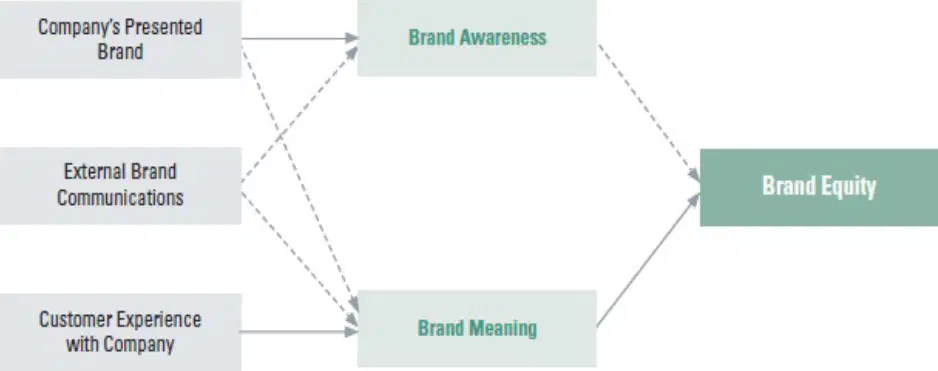
In brand equity, WOM are examples of? (circle the correct answer)
In the seven levels in the hierarchy of new service development, style changes means
service performance or processes are typically not involved
modest changes in performance of current products are involved
new ways of delivering existing services products
adding new services specified to satisfy different needs
In the seven levels in the hierarchy of new service development, service improvements means
significantly improving service elements
modest changes in performance of current products are involved
new ways of delivering existing services products
adding new services specified to satisfy different needs
In the seven levels in the hierarchy of new service development, major process innovations means
using new processes to deliver current products
developing new core products for markets that have not been previously defined
new ways of delivering existing services products
adding new services specified to satisfy different needs
In the seven levels in the hierarchy of new service development, product line extensions means
using new processes to deliver current products
developing new core products for markets that have not been previously defined
new ways of delivering existing services products
adding new services specified to satisfy different needs

