
 Worksheets
Part 1 - Multiple Choice (75 questions) CP
Total questions: 75
Worksheet time: 38mins
Name
Class
Date
1.
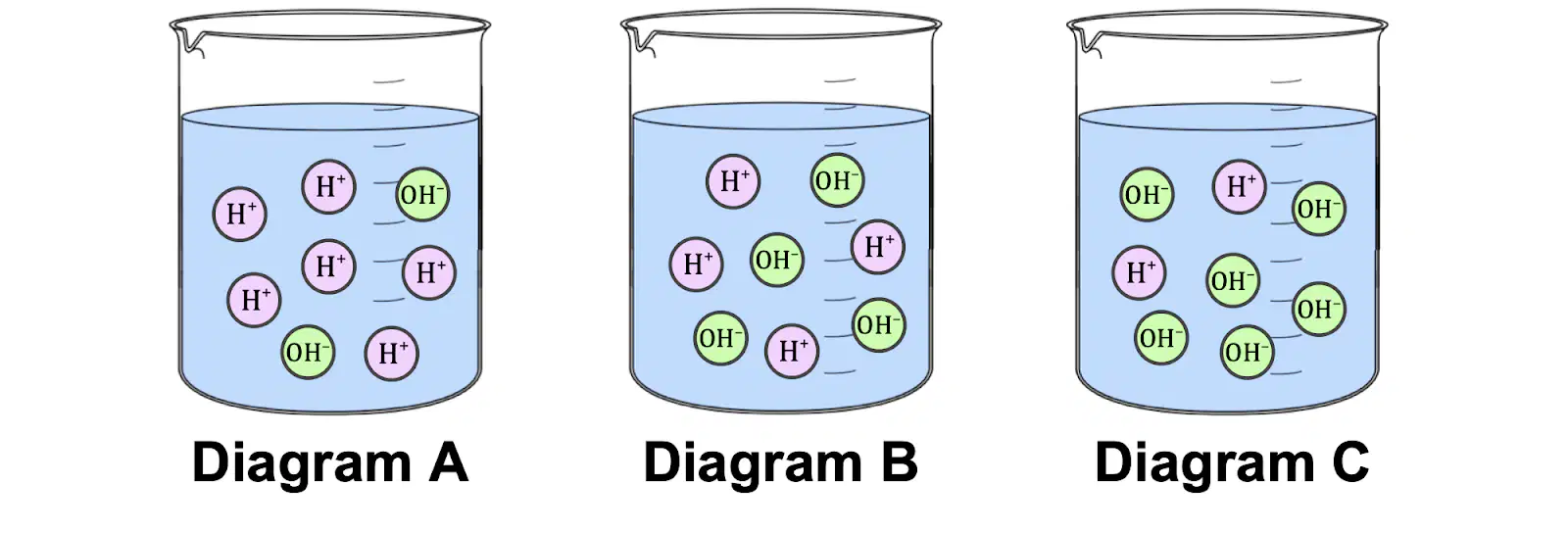
Which diagram below would represent an acidic solution?
a)
Diagram A
b)
Diagram B
c)
Diagram C
d)
None of the diagrams represent an acidic solution
2.
Read: Kinetic molecular theory is a scientific model that helps us understand the behavior of gases. According to this theory, gases are made up of tiny particles, such as atoms or molecules, that are in constant, random motion. These particles move in a straight line until they collide with another particle or the walls of their container. The kinetic molecular theory explains why gases expand to fill their container and why they have low densities compared to liquids and solids.
RESPOND: What is the main idea of the kinetic molecular theory?
a)
Gases are heavier than liquids and solids
b)
Gases are not affected by collisions
c)
Gases have fixed shapes and volumes
d)
Gases are made up of tiny particles in constant motion
3.
READ: The behavior of gases can be explained by the principles of kinetic molecular theory. One key concept is the relationship between the temperature of a gas and its average kinetic energy. As gas particles move faster at higher temperatures, their kinetic energy increases. This relationship helps us understand why gases expand when heated and contract when cooled. Additionally, the kinetic molecular theory provides a basis for explaining the pressure exerted by gases on their container walls.
RESPOND: How does temperature affect the kinetic energy of gas particles?
a)
Higher temperatures slow down the movement of gas particles
b)
Higher temperatures decrease the kinetic energy of gas particles
c)
Temperature has no effect on the kinetic energy of gas particles
d)
Higher temperatures increase the kinetic energy of gas particles
4.

A beaker is filled with 80.00 g of water. How many moles of water are in the beaker?
a)
2.33 x 10³ moles of water
b)
1.44 x 10³ moles of water
c)
4.44 moles of water
d)
0.23 moles of water
5.
READ: Another important aspect of kinetic molecular theory is the concept of gas pressure. When gas particles collide with the walls of their container, they exert a force that we perceive as pressure. The more frequent and energetic the collisions, the higher the pressure of the gas. This idea helps explain why gases can be compressed into smaller volumes by increasing the pressure on them. Understanding gas pressure is crucial for various applications, from weather systems to scuba diving equipment.
RESPOND: How is gas pressure related to the collisions of gas particles?
a)
Gas pressure is only affected by the size of the container
b)
Gas pressure increases with more frequent and energetic collisions
c)
Gas pressure is independent of particle collisions
d)
Gas pressure decreases when particles collide less frequently
6.
pH starts at 9, [H+] increase by 100, ending pH is
a)
7
b)
11
7.
pH starts at 3, [OH-] increase by 100, ending pH is
a)
1
b)
5
8.
pH starts at 12 and ends at 8,
a)
[H+] increased by 10000
b)
[H+] decreased by 10000
c)
[H+] increased by 4
d)
[H+] decreased by 4
9.
pH = 13
a)
H+ > OH-
b)
H+ < OH-
c)
H+ = OH-
10.

Identify:
a)
Acid
b)
Base
11.
An acid tastes ________
a)
sour
b)
bitter
c)
salty
d)
sweet
12.
In a neutralization reaction, an acid and a base react to produce ______________.
a)
a salt and water
b)
a weak acid
c)
a weak base
d)
litmus and phenolphthalein
13.
READ: The kinetic molecular theory also sheds light on the concept of diffusion, which is the spontaneous mixing of substances due to the motion of their particles. In gases, diffusion occurs as gas particles move from areas of high concentration to areas of low concentration. This natural process plays a role in various phenomena, such as the spread of odors in a room or the exchange of gases in our lungs during respiration. Understanding diffusion helps us grasp how gases interact and spread in different environments.
RESPOND: What is diffusion in gases driven by?
a)
Gas particles moving randomly within a container
b)
Gas particles moving only in a straight line
c)
Gas particles moving at the same speed
d)
Gas particles moving from high to low concentration areas
14.

Classify
a)
base
b)
acid
15.

Classify the following
a)
acid
b)
base
16.
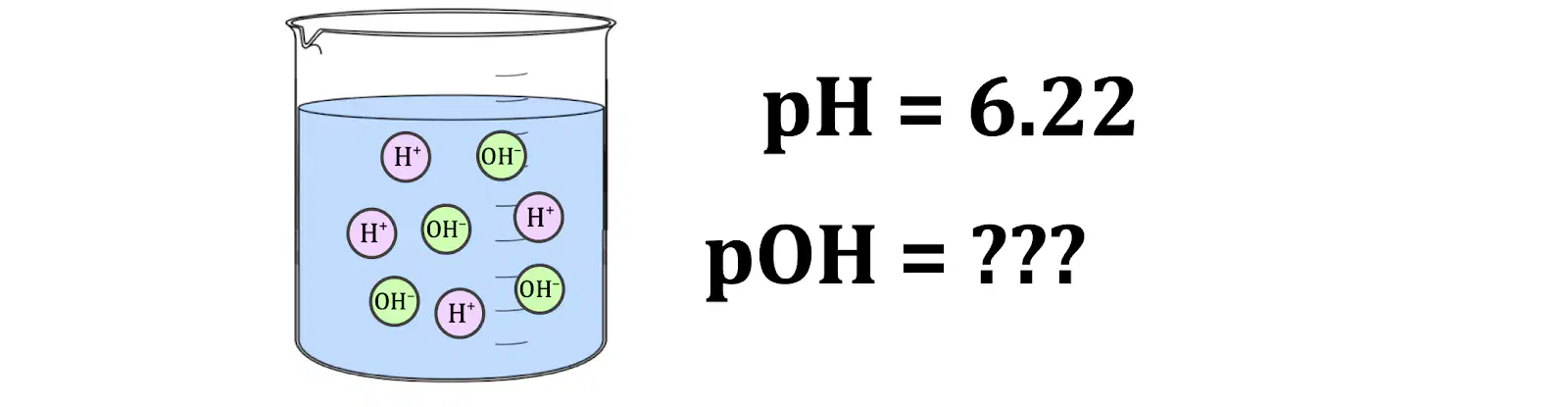
What would be the pOH of a lithium hydroxide solution with a pH of 6.22.
a)
0.78
b)
2.28
c)
7.78
d)
10.22
17.

What is the molar mass of aluminum?
a)
13.00 g/mol
b)
26.98 g/mol
c)
1.62 x 10²⁴ g/mol
d)
6.76 x 10²⁴ g/mol
18.

What is the molar mass of carbon tetrafluoride (CF4)?
a)
31.01 g/mol
b)
50.01 g/mol
c)
67.03 g/mol
d)
88.01 g/mol
19.
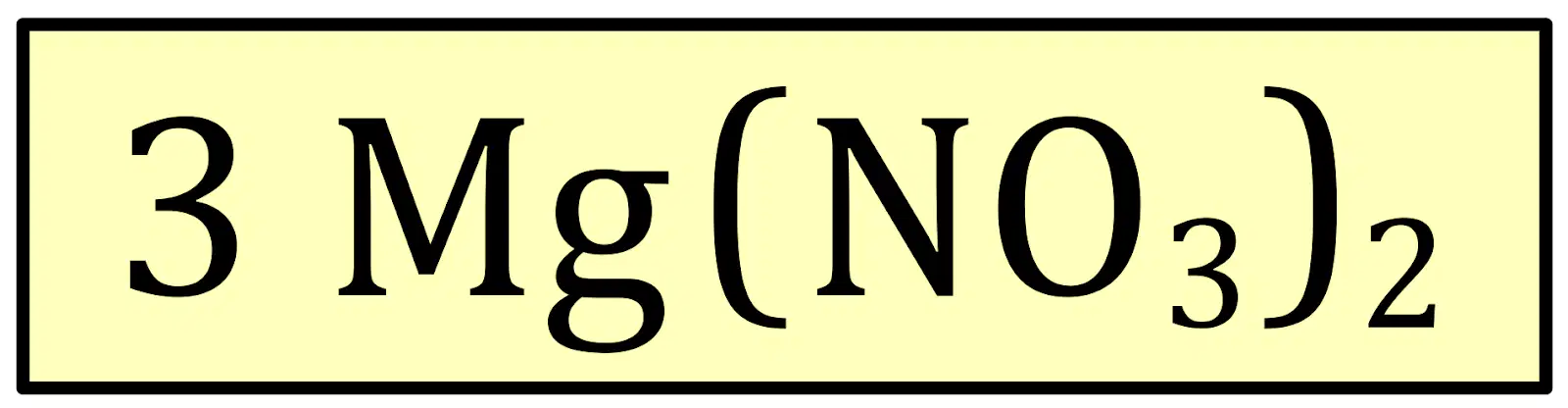
How many atoms of oxygen are found in the expression below?
a)
3 oxygen atoms
b)
6 oxygen atoms
c)
12 oxygen atoms
d)
18 oxygen atoms
20.
According to the Law of Conservation of Mass, the total mass of the reactants is...
a)
Always greater than the total mass of the products
b)
Always less than the total mass of the products
c)
Always equal to the total mass of the products
d)
Sometimes greater than the total mass of the products
21.

A soda can contains 0.60 moles of aluminum. What is the mass in grams of the aluminum?
a)
4.49 grams Al
b)
16.18 grams Al
c)
44.97 grams Al
d)
2.22 x 10⁻³ grams Al
22.

A small computer contains 60.50 g of silicon. How many moles of silicon are in the computer?
a)
0.46 moles of silicon
b)
2.15 moles of silicon
c)
3.39 x 10³ moles of silicon
23.

A car is parked outside on a warm, sunny day and the temperature of the gas in the tires begins to increase. According to Gay-Lussac’s Law, what else will happen to gas inside the tire?
a)
The pressure of the gas in the tire will decrease
b)
The pressure of the gas in the tire will increase
24.
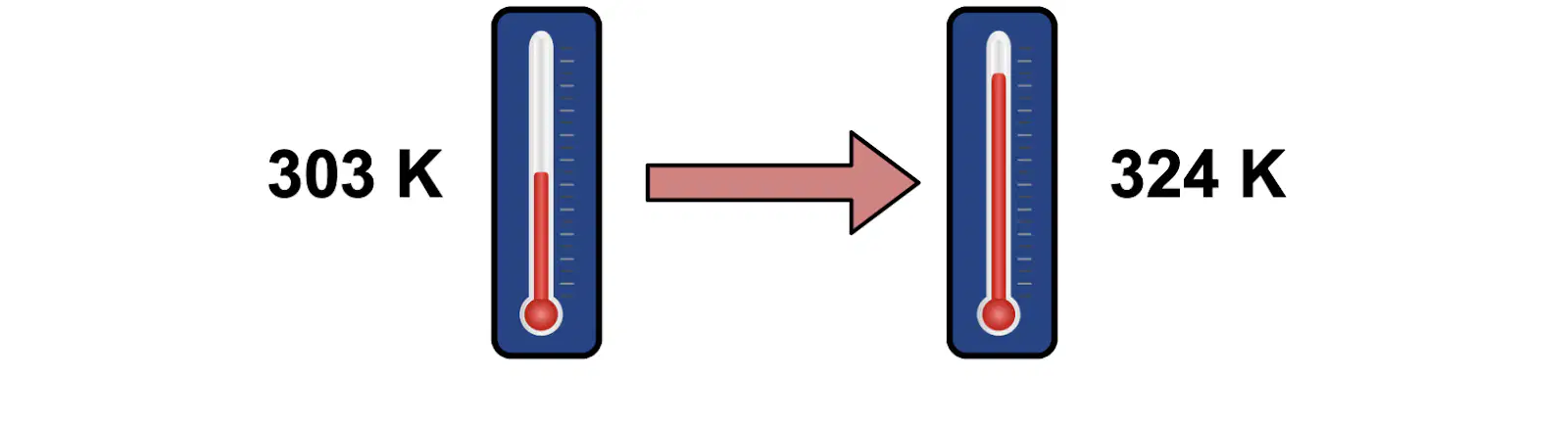
A gas has a temperature of 303 Kelvin and a volume of 2.20 liters. What will be the volume of the gas if the temperature increases to 324 Kelvin?
a)
less than 2.20L
b)
greater than 2.20L
c)
equal to 2.20L
25.
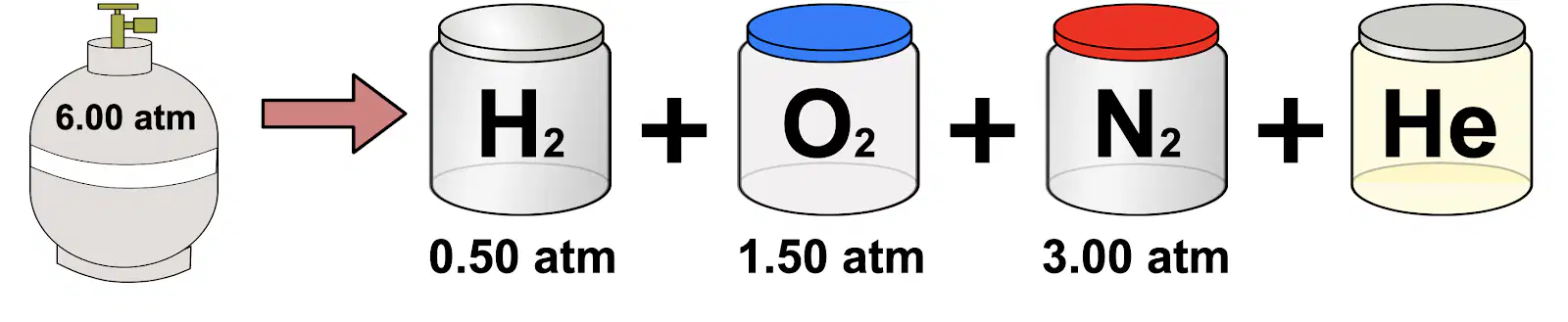
A metal gas tank is filled with four gases: hydrogen, oxygen, nitrogen, and helium. The first three gases have partial pressures of 0.50 atm, 1.50 atm, and 3.00 atm respectively. If the total pressure of all four gases is 6.00 atm, what is the pressure of the helium gas?
a)
0.50 atm
b)
1.00 atm
c)
1.50 atm
d)
2.50 atm
26.
The substance that is dissolved in a solution (i.e. salt or sugar) is known as the...
a)
Solvation
b)
Solute
c)
Solvent
d)
Electrolyte
27.

In the example below, which factor is being changed to increase solubility?
a)
Agitation
b)
Color
c)
Surface Area
d)
Temperature
28.
The substance doing the dissolving in a solution (usually water) is known as the...
a)
Solvation
b)
Solute
c)
Solvent
d)
Electrolyte
29.

Based on the diagram below, at what temperature will 150 grams of potassium nitrate (KNO3) dissolve in 100 mL of water?
a)
32 degrees Celsius
b)
46 degrees Celsius
c)
54 degrees Celsius
d)
72 degrees Celsius
30.
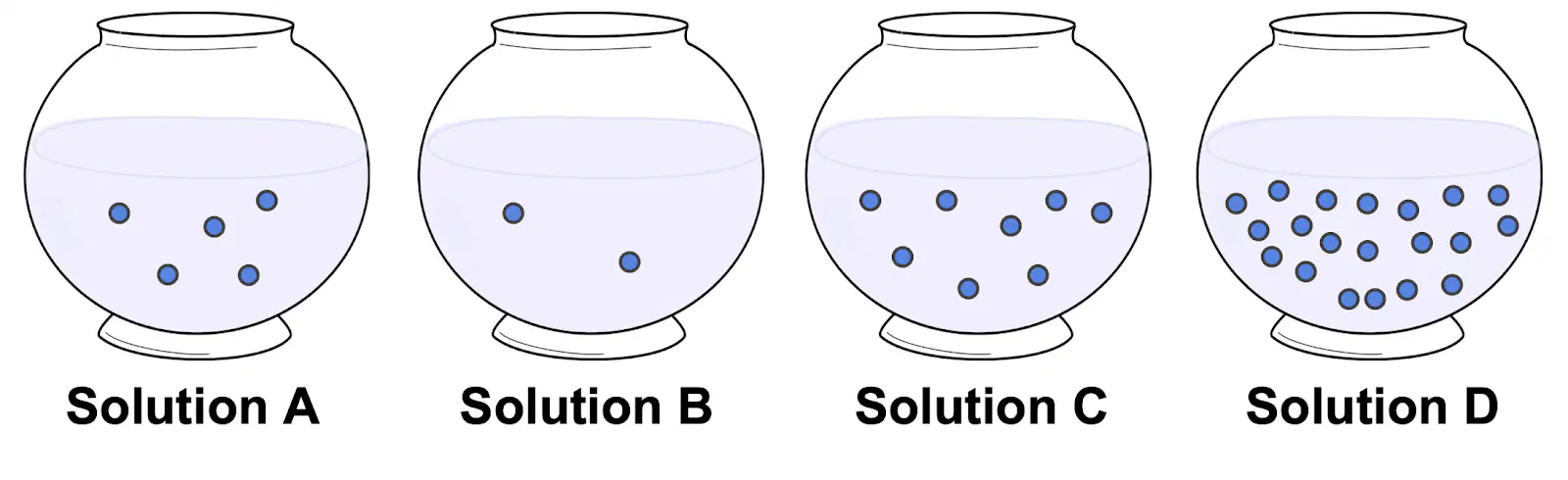
If each container below contains 100 mL of water, which solution will have the highest concentration?
a)
Solution A
b)
Solution B
c)
Solution C
d)
Solution D
31.
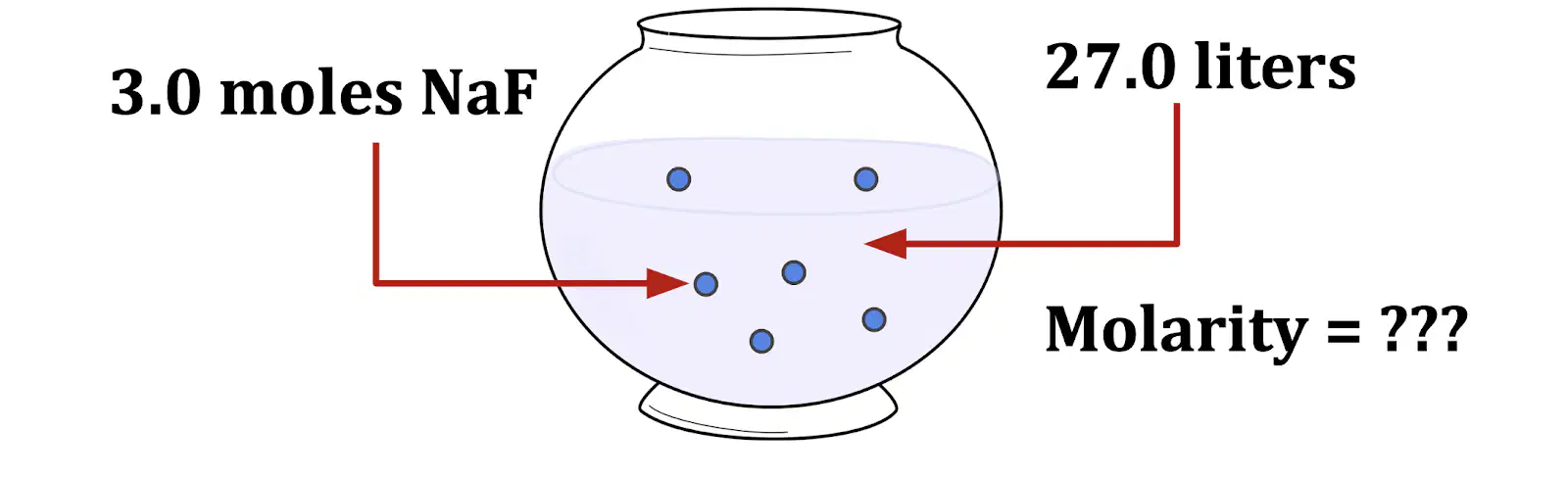
What is the molarity of a solution that contains 3.0 moles of sodium fluoride (NaF) in 27.0 liters of water?
a)
1.5 mol/L
b)
3.0 mol/L
c)
6.0 mol/L
d)
9.0 mol/L
32.
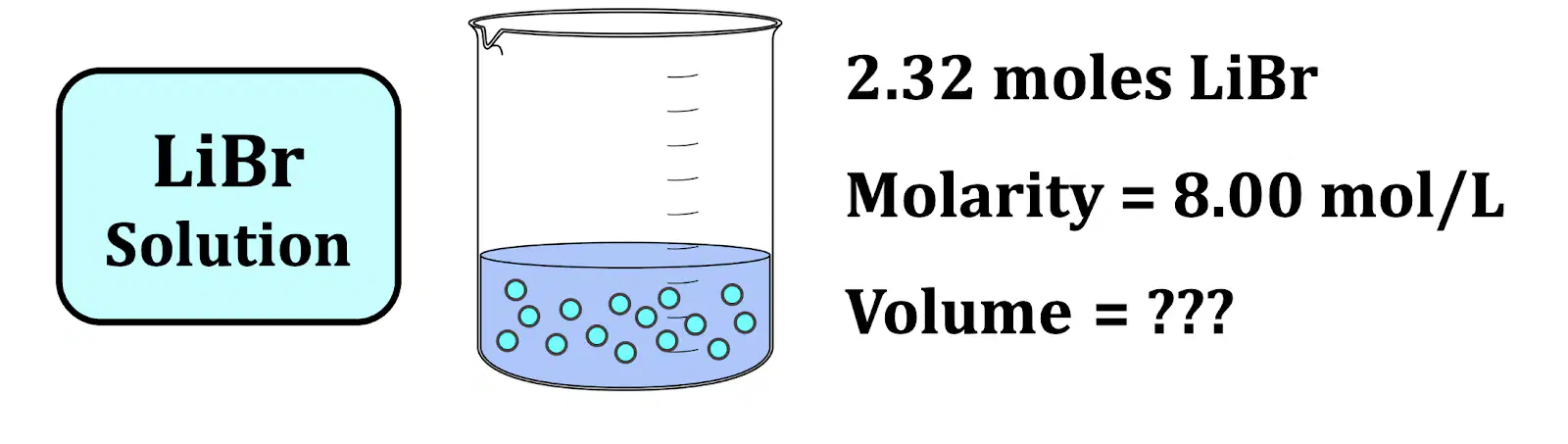
A solution of lithium bromide contains 2.32 moles of LiBr and has a molarity of 8.00 mol/L. What is the volume of the solution?
a)
0.29 liters LiBr
b)
2.90 liters LiBr
c)
3.45 liters LiBr
d)
18.56 liters LiBr
33.
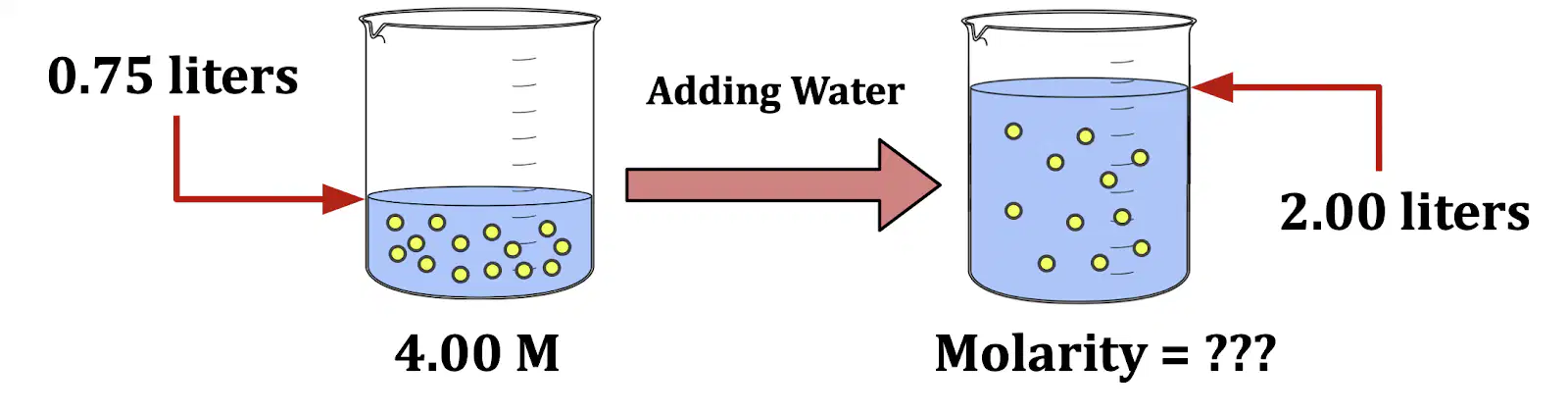
A scientist pours 0.75 liters of a 4.00 M NaCl solution. The scientist dilutes the solution by adding water until it reaches a volume of 2.00 liters. What is the molarity of the new solution?
a)
0.75 M
b)
1.50 M
c)
1.75 M
d)
2.25 M
34.
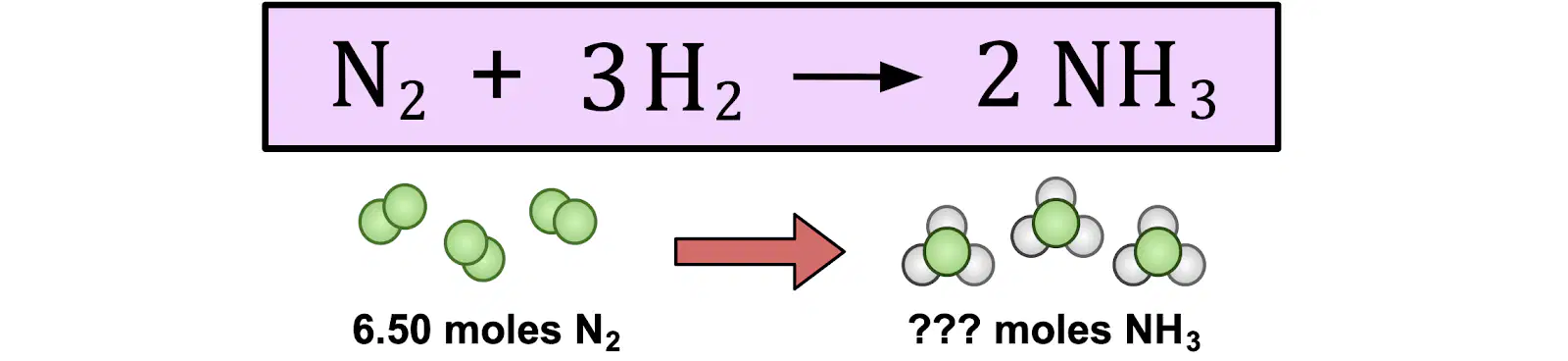
If 6.50 moles of nitrogen (N2) are used in the reaction below, how many moles of ammonia (NH3) are produced?
a)
3.25 moles ammonia
b)
6.50 moles ammonia
c)
13.00 moles ammonia
d)
19.50 moles ammonia
35.

Given the equation below, what is the mole ratio between ammonia (NH3) and nitrogen (N2)?
a)
3:1
b)
1:2
c)
2:1
d)
1:3
36.
What steps would be needed to convert moles of Chemical A to moles of Chemical B?
a)
Moles A → Moles B
b)
Moles A → Grams B → Moles B
c)
Moles A → Grams A → Moles B
d)
Moles A → Grams A → Grams B → Moles B
37.
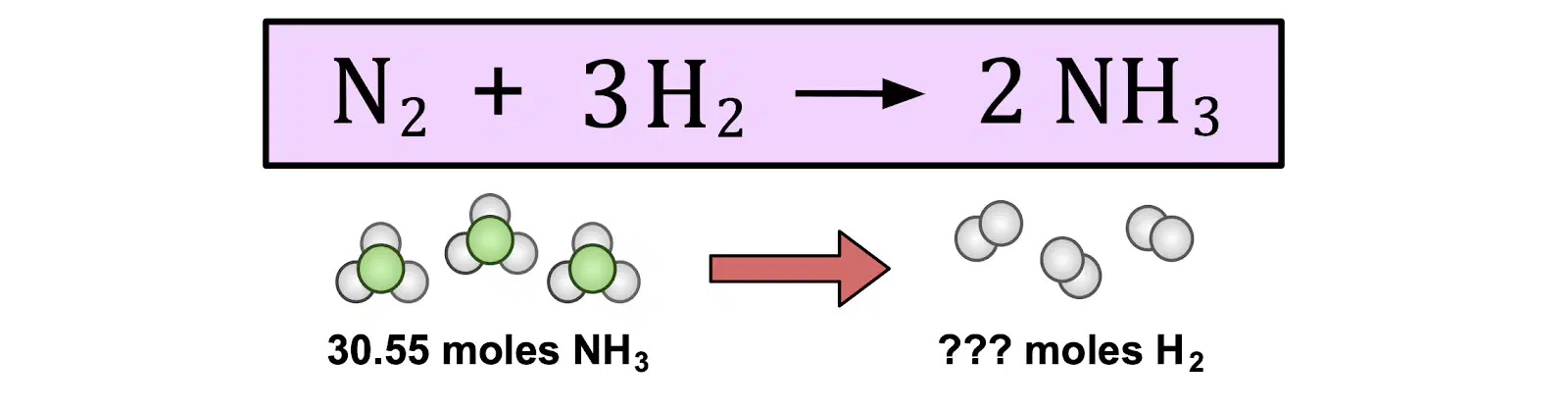
If 30.55 moles of ammonia (NH3) are produced in the reaction below, how many moles of hydrogen (H2) were used?
a)
20.37 moles hydrogen
b)
45.83 moles hydrogen
c)
91.65 moles hydrogen
d)
115.28 moles hydrogen
38.
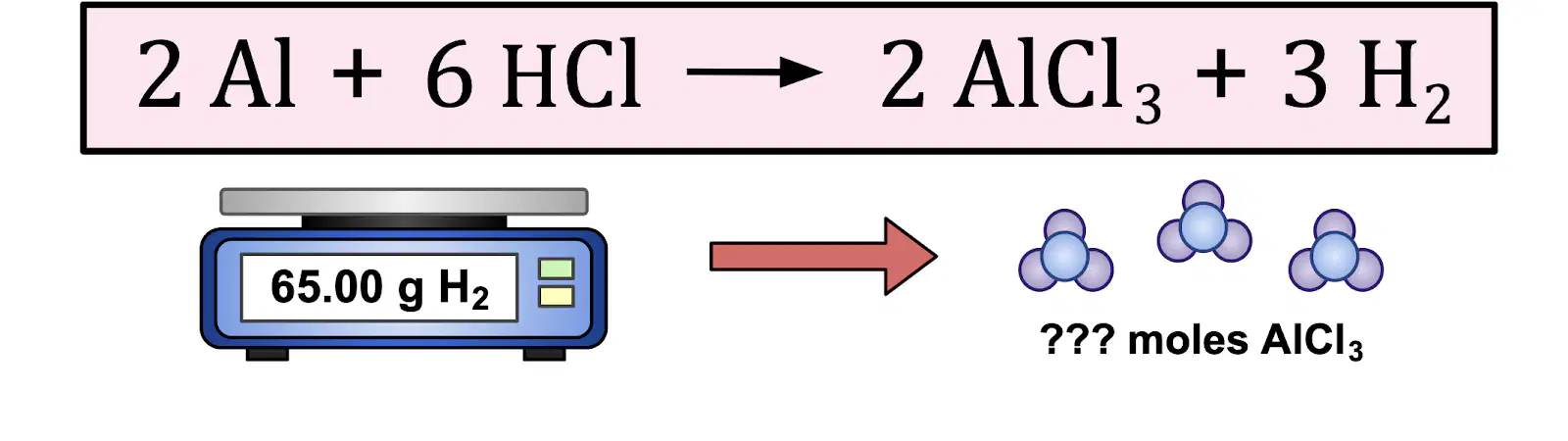
If 65.00 grams of hydrogen (H2) are produced in the reaction below, how many moles of aluminum chloride (AlCl3) are produced?
a)
12.54 moles aluminum chloride
b)
21.45 moles aluminum chloride
c)
42.45 moles aluminum chloride
d)
81.54 moles aluminum chloride
39.
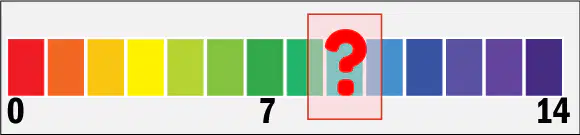
A solution in this region of the pH scale would best be described as ___________.
a)
a strong acid
b)
a strong base
c)
neutral
d)
a weak acid
e)
a weak base
40.
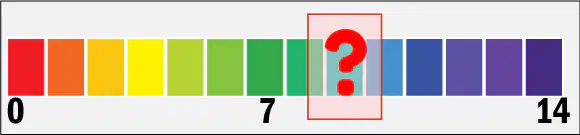
A starting at pH of 9 has its [H+] increase by 1000, the ending solution would have a pH of
a)
6
b)
9
c)
12
41.

Choose the correct symbol that relates hydronium to hydroxide in a NEUTRAL solution.
a)
<
b)
>
c)
=
42.
Which of the following is NOT a base?
a)
'
b)
,
c)
.
d)
`
43.
Chemical equations must be balanced to follow the _____.
a)
Law of Definite Proportions
b)
Law of Conservation of Mass
c)
Law of Indefinite Proportions
d)
Law of Thermodynamics
44.

1hich set of coefficients correctly balances this chemical equation?
a)
2, 5, 1
b)
4, 5, 2
c)
2, 10, 2
d)
4, 5, 1
45.
Which chemical equation is correctly balanced?
a)
Option 1
b)
Option 2
c)
Option 3
d)
Option 4
46.
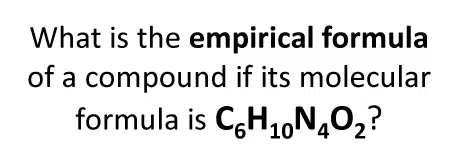
Solve.
a)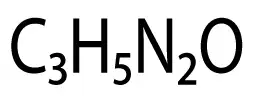
`
b)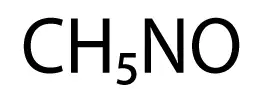
'
c)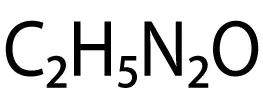
.
d)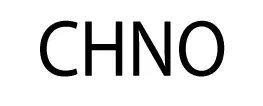
,
47.
All of the following are empirical formulas EXCEPT _____.
a)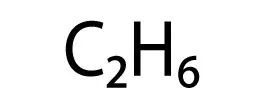
,
b)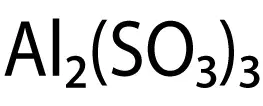
'
c)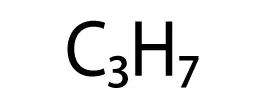
.
d)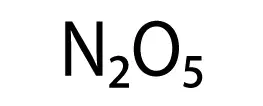
`
48.
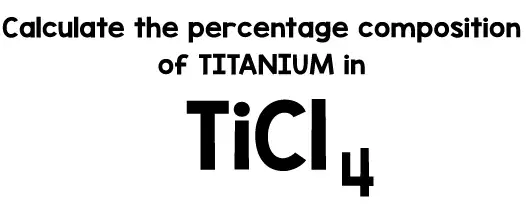
Solve.
a)
25.2%
b)
20.0%
c)
28.6%
d)
32.4%
49.
Which of these will increase the pressure exerted by a gas in a rigid container?
a)
remove gas particles
b)
increase the temperature
c)
decrease the kinetic energy of the gas
d)
none of these will increase the pressure
50.
According to the Kinetic-Molecular Theory, gas particles
a)
do not lose energy following collisions
b)
are in constant, random motion
c)
do not exert attractive forces on each other
d)
all of the above are correct
51.
Convert 320 K to degrees Celsius.
a)
47 degrees Celsius
b)
-147 degrees Celsius
c)
147 degrees Celsius
d)
- 47 degrees Celsius
52.
Real gases no longer behave like ideal gases at _____________________.
a)
low temperature and high pressure
b)
high temperature and low pressure
c)
high pressure and high temperature
d)
low pressure and low temperature
53.
Which of the following is the Ideal Gas Law?
a)
Option 1
b)
Option 2
c)
Option 3
d)
Option 4
e)
Option 5
54.
A 13.5 liter balloon is heated from 248 K to 324 K. What will its new volume be?
a)
greater
b)
smaller
c)
same
55.
How many liters will 2.5 moles of gas occupy at 322 K and .90 atm of pressure? (PV=nRT; R=0.0821)
a)
73 liters
b)
59 liters
c)
890 liters
d)
620 liters
56.
Which of these does NOT increase the rate at which a solid solute dissolves in a liquid?
a)
add more solute
b)
stir the mixture
c)
increase the temperature
d)
increase the surface area of the solute
57.
Which of these increases the solubility of a gas in a liquid?
a)
decrease the temperature
b)
increase the temperature
c)
decrease the pressure
d)
stir the mixture
58.
A solution that contains a large amount of solute would be described as _______.
a)
concentrated
b)
dilute
c)
weak
d)
unsaturated
59.
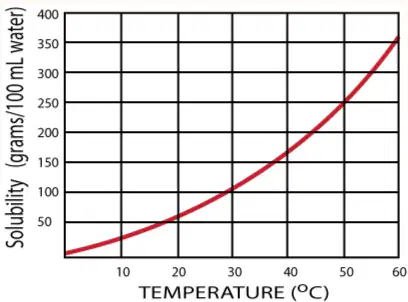
Using the solubility curve, what type of solution was formed if 250 grams of solute is dissolved in 100 mL of water at 50 degrees Celsius?
a)
unsaturated
b)
saturated
c)
supersaturated
60.
Adding salt to water would cause its freezing point to ____________.
a)
increase
b)
decrease
c)
remain the same
61.

What type of reaction is occurring in the chemical equation below?
a)
Synthesis
b)
Decomposition
c)
Single Displacement
d)
Double Displacement
62.

What type of reaction is occurring in the chemical equation below?
a)
Synthesis
b)
Decomposition
c)
Single Displacement
d)
Double Displacement
63.

What type of reaction is shown in the diagram below?
a)
Synthesis
b)
Decomposition
c)
Single Displacement
d)
Double Displacement
64.

Which products are needed to complete the combustion reaction below?
a)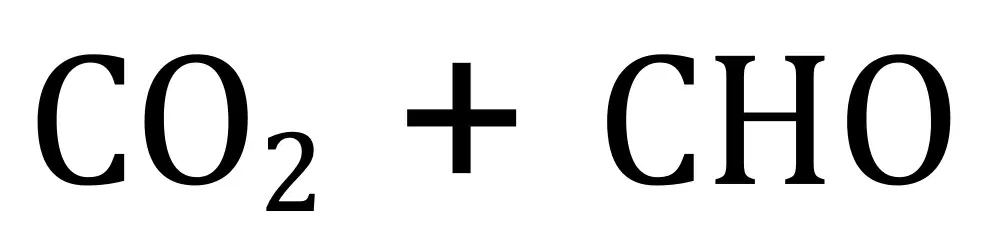
CO2 + CHO
b)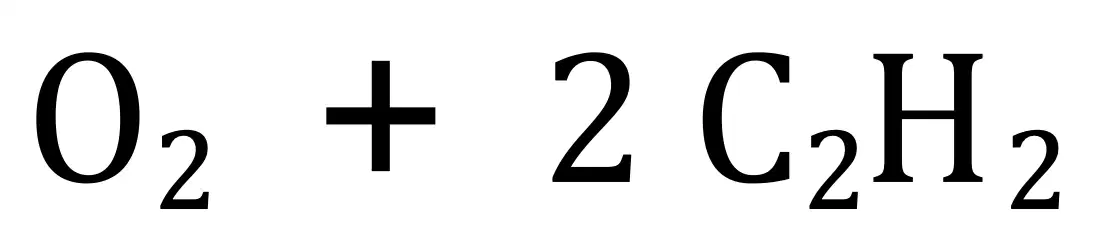
O2 + 2 C2H2
c)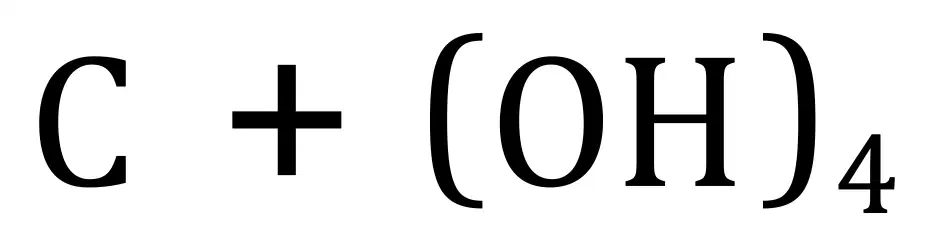
C + (OH)4
d)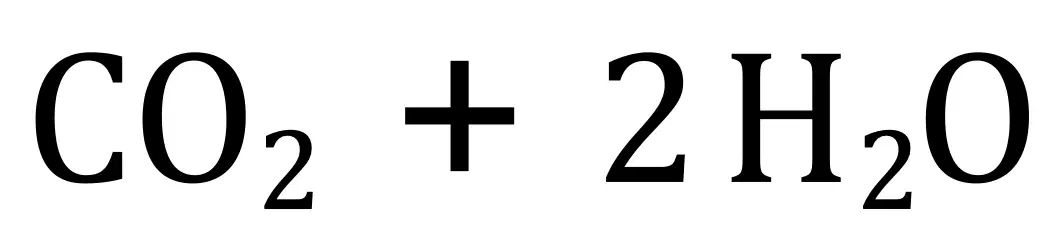
CO2 + 2 H2O
65.
What is the atomic mass of a magnesium atom?
a)
24.3 amu
b)
12 amu
c)
48.6 amu
d)
6.02 amu
66.

What is the formula mass of the compound?
a)
234.0 amu
b)
114.0 amu
c)
210.0 amu
d)
342.0 amu
67.

Which "conversion tool" below would you use to complete this conversion?
a)
.
b)
,
c)
'
68.

Solve.
a)
53 g
b)
36 g
c)
.0043 g
d)
230 g
69.

Solve.
a)
6.3 mol
b)
100 mol
c)
.16 mol
d)
61 mol
70.
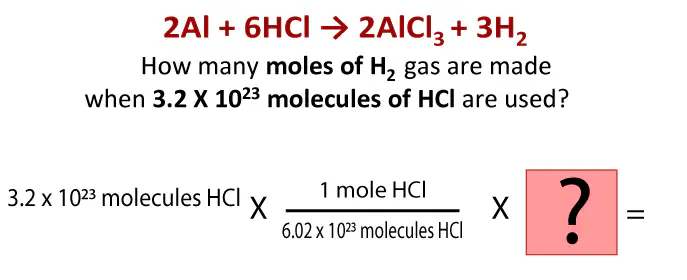
What conversion factor should replace the question mark to correctly complete this calculation?
a)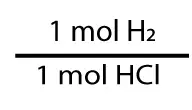
Option 1
b)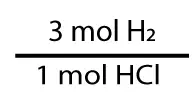
Option 2
c)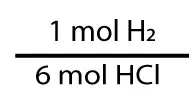
Option 3
d)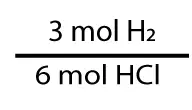
Option 4
71.
100 grams of water and 15 grams of magnesium both at 28C will have the same
a)
mass
b)
kinetic energy
72.
Which gas would have a greater speed at 55C, He or Xe?
a)
He
b)
Xe
73.
What has more molecules, 1 mole of CO2 or 1 mole of CO?
a)
CO2
b)
CO
c)
same number of molecules
74.
Substance A is added to beaker with 50mL of water (polar molecule) and the liquid A just sits on top of the water. Substance A is
a)
nonpolar
b)
polar
75.
Which of the following has a molar mass of 44.01g/mol?
a)
CO2
b)
O2
c)
CO
100 %

