
 Worksheets
Color Theory FINAL, REVIEW 2025
Total questions: 53
Worksheet time: 28mins
What are the primary colors in traditional color theory?
Red, Green, Blue
Red, Yellow, Blue
Red, Yellow, Green
Blue, Green, Yellow
Which watercolor technique involves applying paint to a wet surface?
Dry brush
Wet-on-wet
Glazing
Lifting
What is the main difference between watercolor and acrylic paints?
Watercolor is opaque, acrylic is transparent
Watercolor is water-based, acrylic is oil-based
Watercolor is transparent, acrylic is opaque
Watercolor dries quickly, acrylic dries slowly
Which primary colors are used to mix green?
Red and Blue
Blue and Yellow
Red and Yellow
Blue and Green
What is the term for adding water to watercolor paint to lighten its color?
Diluting
Mixing
Blending
Layering
Which watercolor technique involves removing paint from the paper?
Glazing
Lifting
Wet-on-dry
Dry brush
What is the purpose of using a palette knife in acrylic painting?
To mix colors
To apply thick layers of paint
To create texture
All of the above
Which colors are considered secondary colors in traditional color theory?
Red, Yellow, Blue
Green, Orange, Purple
Red, Green, Blue
Yellow, Green, Blue
What is the term for a color made by mixing a primary color with a secondary color?
Tertiary color
Complementary color
Analogous color
Monochromatic color
Which watercolor technique involves applying a transparent layer of color over a dry layer?
Wet-on-wet
Glazing
Lifting
Dry brush
What is the term for the purity or intensity of a color?
Hue
Saturation
Value
Tint
What is the term for the color opposite another color on the color wheel?
Analogous color
Complementary color
Tertiary color
Monochromatic color
Which technique involves using a dry brush with little paint in watercolor painting?
Wet-on-wet
Glazing
Dry brush
Lifting
What is the term for a color scheme using colors that are next to each other on the color wheel?
Analogous
Complementary
Tertiary
Monochromatic
Which watercolor technique involves applying paint to a dry surface?
Wet-on-wet
Wet-on-dry
Glazing
Lifting
What is the term for a color scheme using colors that are opposite each other on the color wheel?
Analogous
Complementary
Tertiary
Monochromatic
How do you create a tertiary color?
By mixing two primary colors
By mixing two secondary colors
By mixing a primary and a secondary color
You cannot create a tertiary color
Why are primary colors important in color theory?
Primary colors are important because they cannot be created by mixing other colors, and all other colors can be created by mixing primary colors.
Primary colors are not important in color theory
Primary colors are only used in painting, not in other forms of art
Primary colors are not necessary for creating other colors
What are the three secondary colors?
Red, yellow, and blue
Pink, turquoise, and brown
Orange, green, and purple
Black, white, and gray
What is the purpose of a color wheel in color theory?
To organize colors and show how they relate to each other
To measure the intensity of colors
To calculate the weight of colors
To determine the temperature of colors
What happens when you mix red and blue?
Yellow
Purple
Orange
Green

These are ______________ colors.
Tertiary
Primary
Secondary
Monochromatic
What color comes next: red, red-orange, orange, _____________?
yellow-orange
yellow
yellow-green
red-violet

This is an example of _________________.
Complementary colors
Tertiary colors
Primary Colors
Secondary colors

This is an example of a _____________ color scheme painting.
Complementary
Neutral
Primary
Analogous
How many colors are in the standard Primary, Secondary, and Tertiary color wheel?
8
6
12
18


What color is complementary to Blue?
Red
Yellow
Orange
Green
What color is complementary to Yellow?
Red
Orange
Green
Violet
Which of the following is NOT a primary color in traditional color theory?
Yellow
Red
Blue
Green
What do you get when you mix equal parts of blue and yellow paint?
Red
Purple
Green
Orange

True or False: Primary Colors cannot be created by mixing other colors.
True
False

Are secondary colors created by mixing two primary colors?
Yes
No

What makes purple?
Red + white
Blue + Red

What makes green?
Blue + Yellow
Red + blue

What makes orange?
Yellow + Red
Red + Blue
What are cool colors?
Green, Purple, Blue
Red, Green, Yellow
What are warm colors?
Orange, Red, Yellow
Red, Blue, Purple

What are complementary colors?
Colors opposite on the color wheel
Colors next to each other on the color wheel

What is yellow's complementary color?
Purple
Green

What is blue's complementary color?
Red
Orange

What are analogous colors?
3 Colors next to each other on the color wheel
3 Colors opposite on the color wheel

Which is an example of analogous colors?
Purple, Blue-Purple, and Blue
Red, Green, and Black
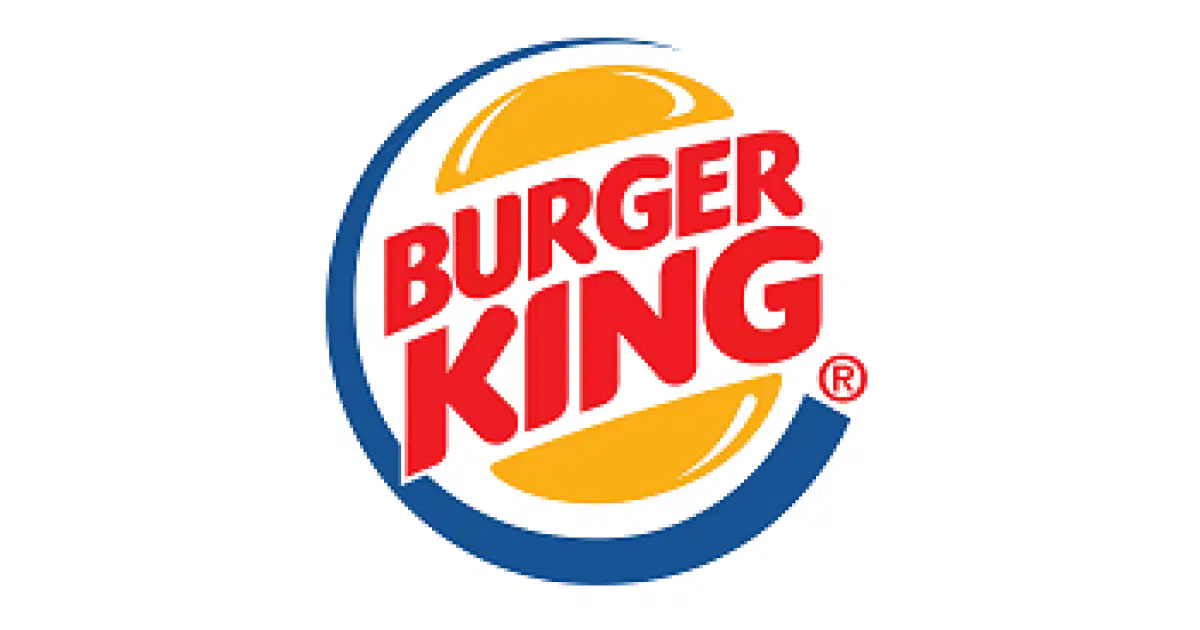
What color scheme is used here? (Burger King)
Primary
Cool
Warm
Monochromatic

What color scheme is used here? (Lakers)
Complementary
Primary
Cool
Secondary
The art vocabulary word we use for color is ____.
analgous
tertiary
intensity
hue

What type of brush is this?
Flat brush
Round brush
Fan brush
Angular flat brush
What type of technique do you get when you paint a thin transparent coat of watercolor over a dry color creating a new color where they cross over?
wash
overlay
resist
graded wash

What happens to brushes with acrylic paint on them that are not thoroughly cleaned?
The brush is ruined and must be thrown in the trash.
The brushes disappear into thin air
They are soft and ready to use
What color desaturates any other color it is mixed with?
Burnt Umber
Burnt Sienna
White
Cyan

