
 Worksheets
Topic 4 QUIZ Review
Total questions: 33
Worksheet time: 25mins
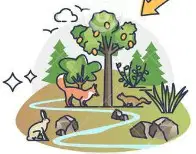
Match the following
organism
example of a specific living thing
habitat
place where an organism lives
abiotic
non-living
biotic
something that is or was living
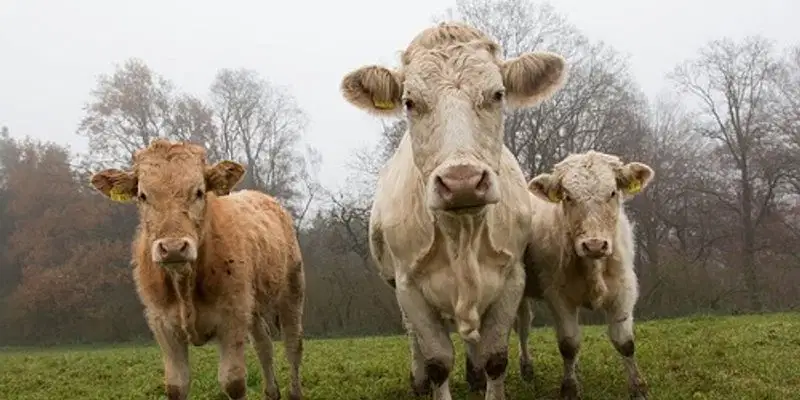
Define an population.
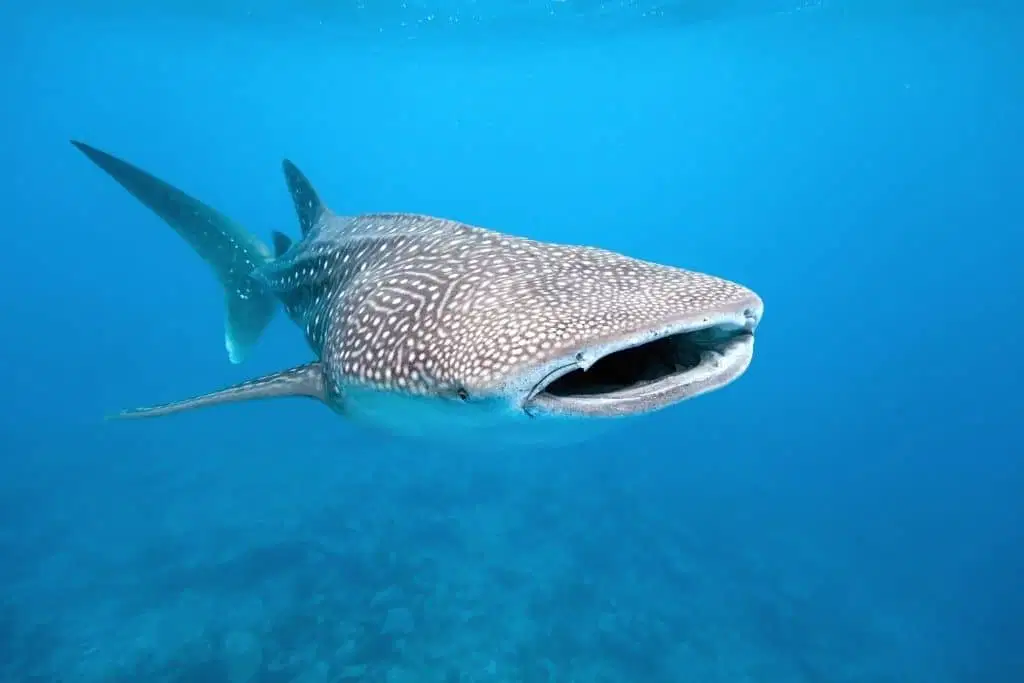
Define a organism.

Define a community as we would in ecology.
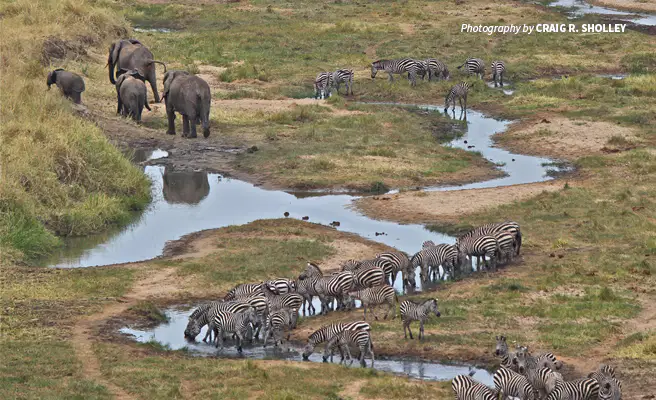
Define an ecosystem as we would in ecology.
A large ecosystem is called a/an ---
Ecosystem.
Habitat.
Biome.
Niche.
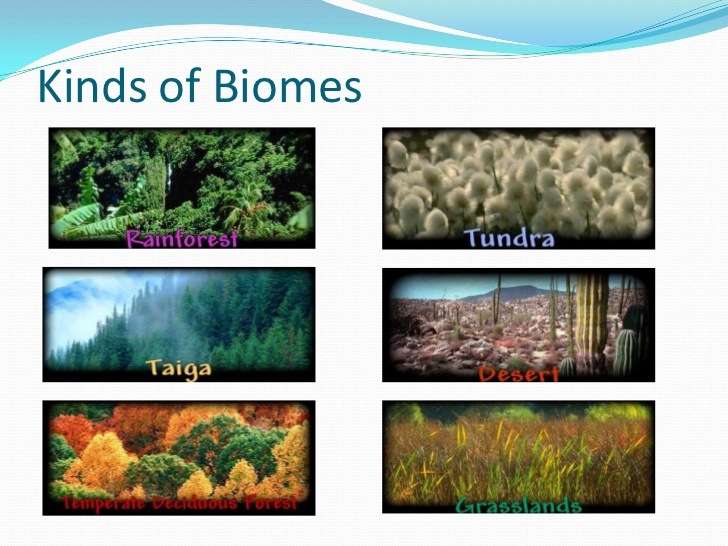
Which two are the main factors that separate the biosphere into biomes?
Land
Water
Climate
Latitude
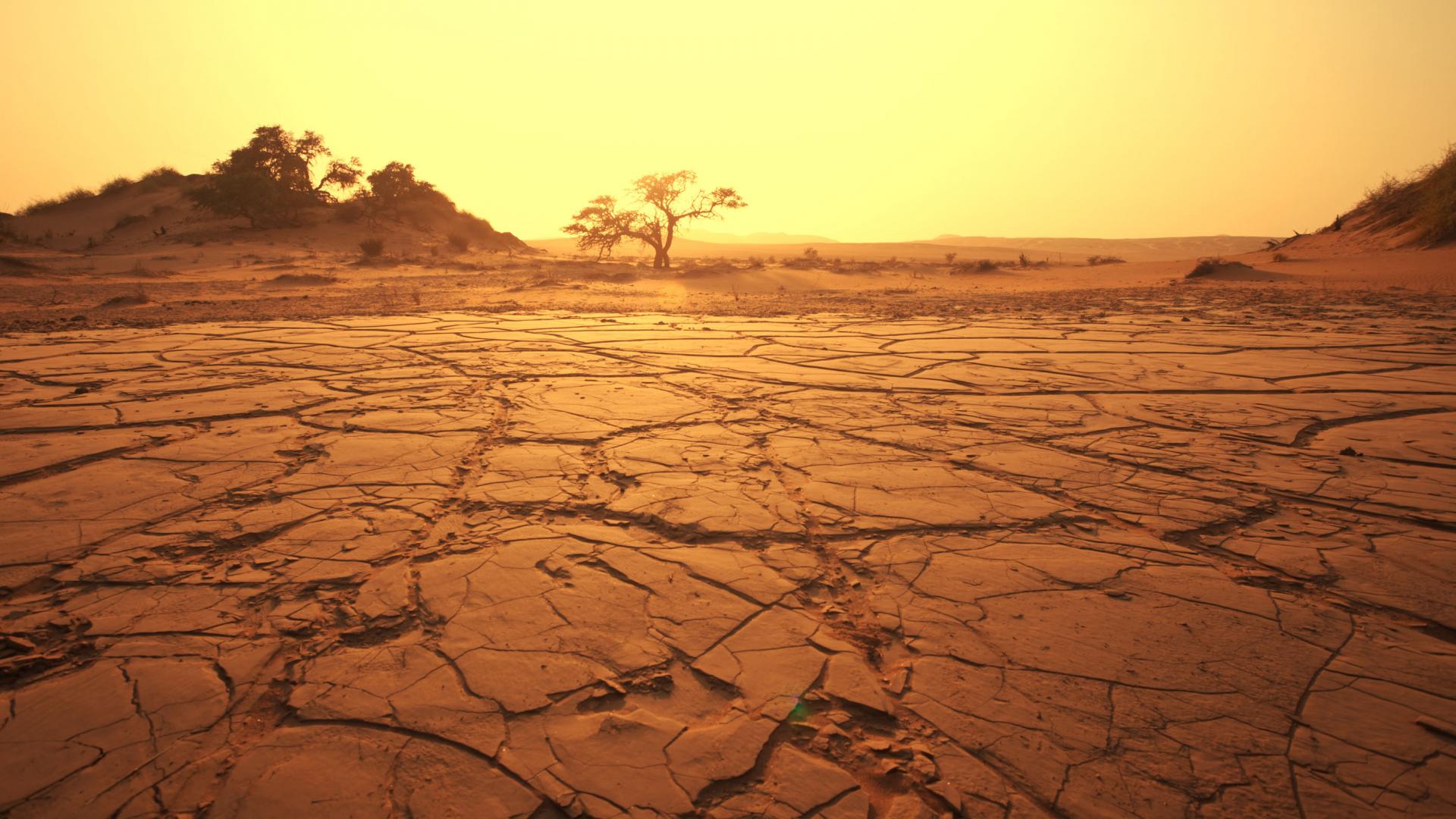
Which biome is the driest?
Desert
Tundra
Taiga
Rainforest
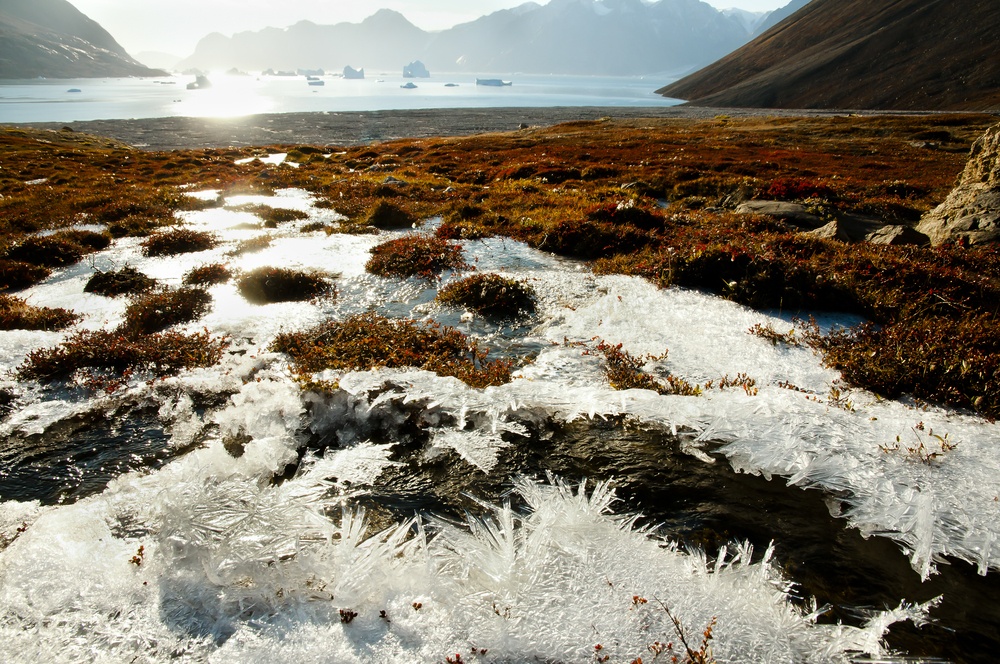
Which biome has permafrost?
Temperate Forest
Rainforest
Taiga
Tundra
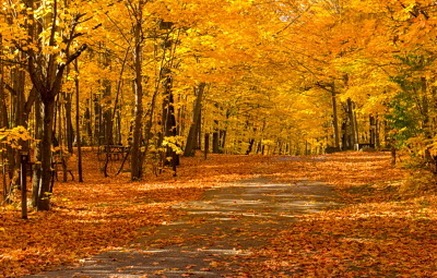
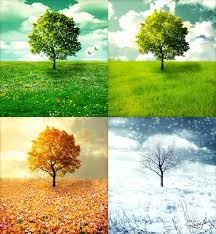
Which biome has deciduous trees (trees that lose their leaves)?
Temperate Deciduous or Broadleaf Forest
Rainforest
Grasslands
Taiga
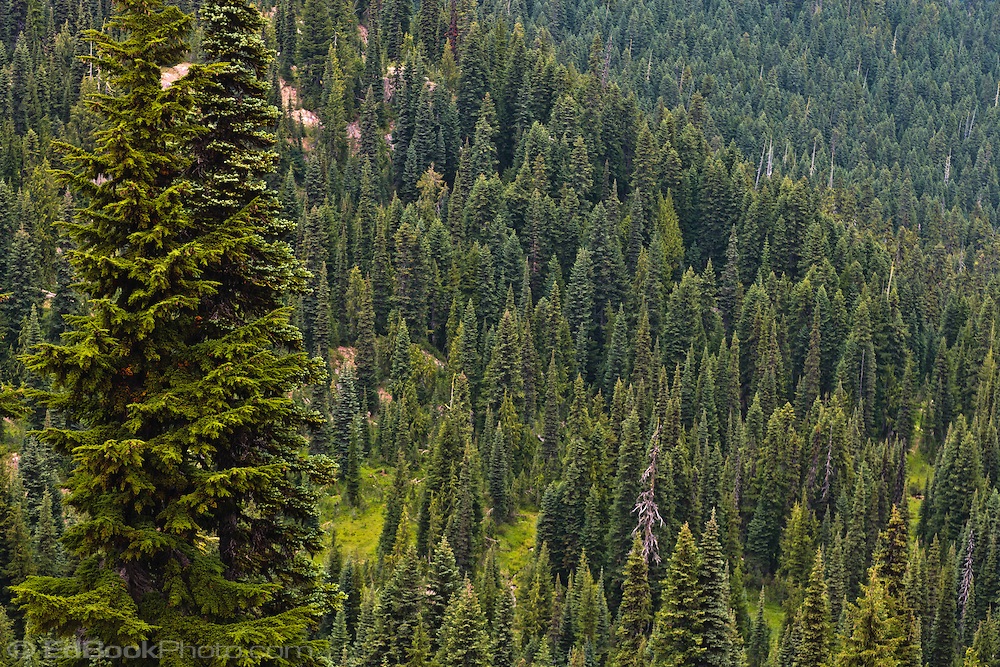
Which biome has coniferous trees (trees that don't lose their leaves)?
Taiga / Coniferous Forrest
Temperate Forest
Tundra
Grasslands
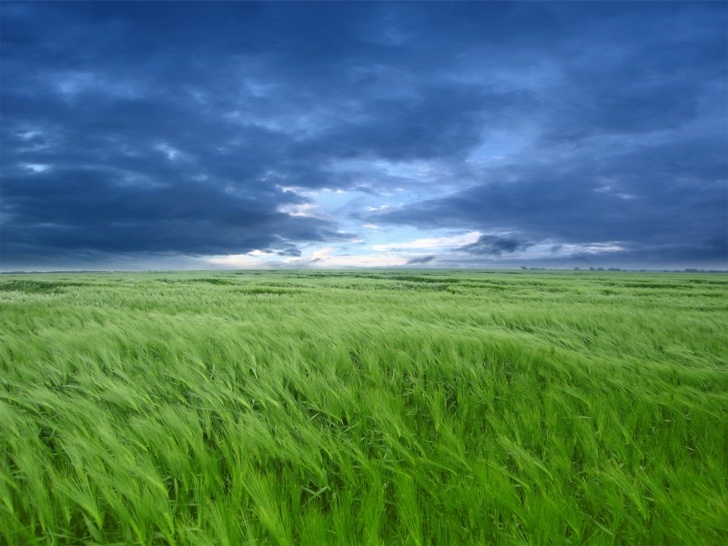
Temperate Grasslands
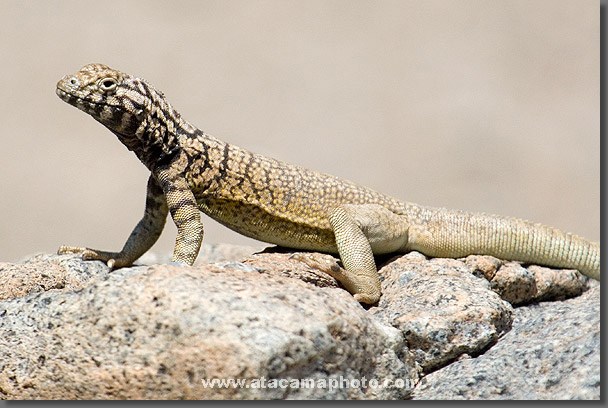
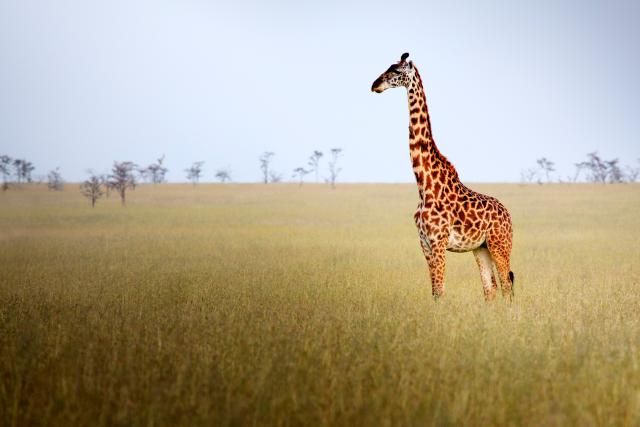
Which biome is home to lions, zebras, wildebeests, giraffes, and elephants?
Grasslands/Savannah
Tundra
Rainforest
Temperate Forest
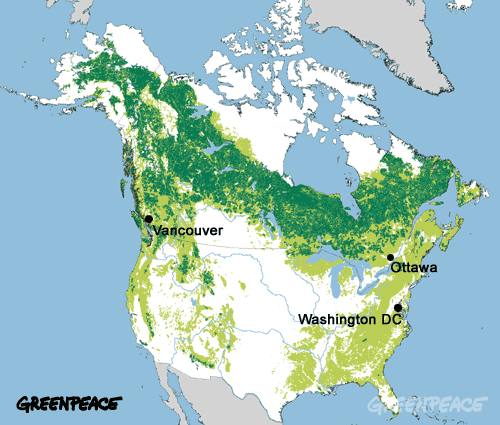
Which biome covers most of Canada?
Tundra
Taiga / Coniferous Forrest
Temperate Forest
Desert

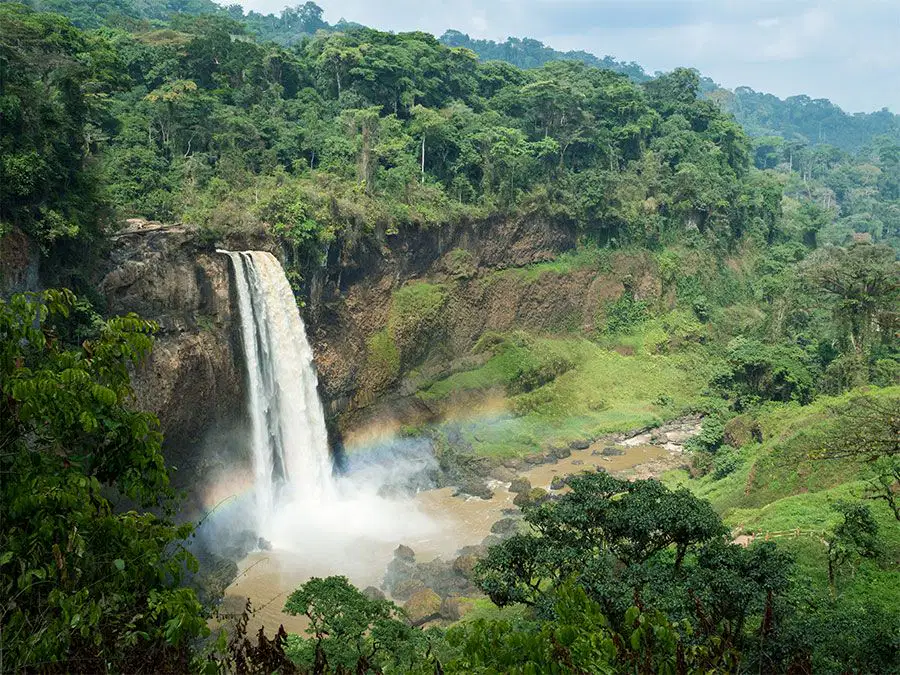
Ava and Ethan are exploring a tropical rain forest. Which of the following would they not expect to see?
Snow
Waterfalls
Monkeys swinging from vines
Palm trees
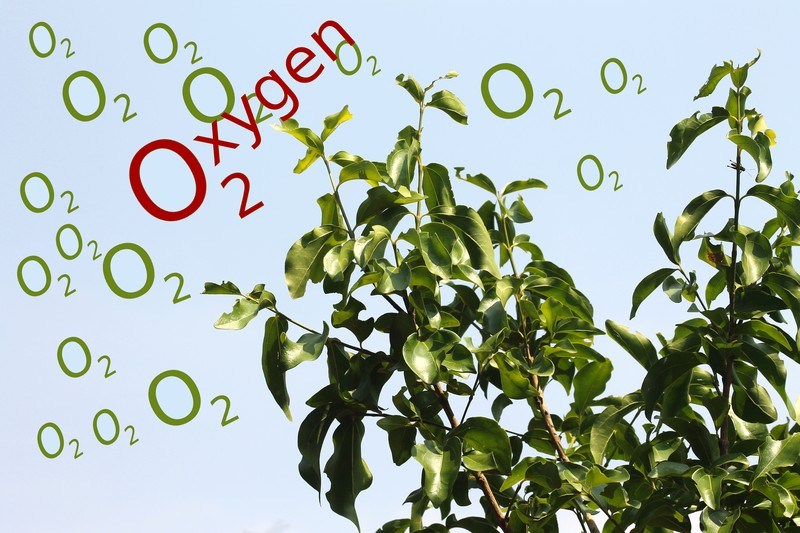
During a science class, Evelyn and Kai were discussing how plants help in cleaning the air. What is the primary process by which carbon is removed from the atmosphere?
Combustion
Respiration
Decomposition
Photosynthesis
Which of the following is a major carbon sink?
Oceans
Deserts
Mountains
Urban areas
How does deforestation affect the carbon cycle?
Has no effect on carbon levels
Increases carbon storage
Decreases atmospheric carbon
Increases atmospheric carbon
What is the primary role of nitrogen-fixing bacteria in the nitrogen cycle?
They release nitrogen gas back into the atmosphere.
They decompose organic matter.
They absorb nitrogen from the soil.
They convert nitrogen gas into ammonia.
What is the significance of denitrification in the nitrogen cycle?
It converts nitrates into nitrogen gas, returning it to the atmosphere.
It fixes atmospheric nitrogen into organic compounds.
It decomposes organic matter into ammonia.
It converts ammonia into nitrites.
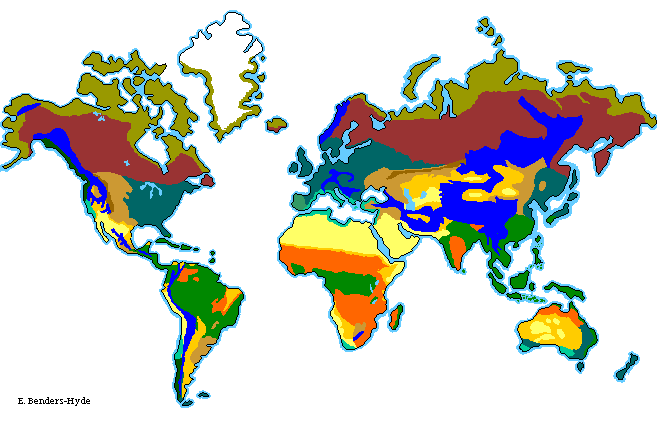
Select the Temperate Deciduous forest biome on the map:
Select the tundra biome on the map
Receives less than 10 in. of rain per year. Plants in this biome have many adaptations to prevent water loss, & animals tend to be nocturnal.
desert
Alternating wet & dry seasons with animals & plants adapted to drought (a.k.a. tropical or subtropical grasslands). Elephants, zebras, & lions are found here.
savanna
Located along the equator, this biome has the highest species biodiversity of all the biomes. Exotic plants & animals are found here.
tropical rainforest
Found near large bodies of water. The climate is nice here year round. Plants are resistant to fire & others actually promote fire!
chaparral
Found north & south of the tropical rainforests. They get less rain than a tropical rainforest but more than a savanna. Deciduous trees are found here.
tropical dry forest
Match the following
feeds only other animals
carnivore
feeds only on plants
herbivore
feeds on both plants and animals
omnivore
breaks down and recycles dead organic matter
decomposer
makes its own food from inorganic carbon and solar energy
producer
Mullet eat seagrass and algae. Mullet are (a) in an estuary.
What is the 10% rule in ecology?
10% of organisms in an ecosystem are herbivores.
10% of the population is responsible for 90% of the ecosystem's productivity.
Only 10% of species survive in a new habitat.
Only 10% of energy is transferred from one trophic level to the next.
Select the Tropical Rainforest biome on the map:
Select the Arctic tundra biome on the map:

