Worksheets
GIANT REVIEW CONTEST
Total questions: 211
Worksheet time: 3hrs 14mins

Which best describes the importance of lipids to organisms?
They provide short-term energy
They are the main component of muscle
They contain all the information needed for organisms to grow, develop and reproduce
They serve as cellular membrane components and as long-term energy sources.

Which characteristic best explains why all organic molecules have a strong carbon skeleton?
Carbon is the most common element on Earth so it is easy to find
Carbon can form a wide variety of molecules because it can make more bonds at the same time
Carbon bonds well with metals so the skeleton will be strong
Which food items can be broken down mostly into amino acids?
olive oil
burgers
apples
fries
Which organic molecule would a long-distance runner most likely choose to eat before a race?
A protein, because it builds muscle mass.
A carbohydrate, because it gives quick energy.
A lipid, because it stores and releases energy.
A protein, because it transports oxygen in the blood stream.
Which of the following foods is highest in carbohydrates?
broccoli
potatoes
cheese
fish
Which monomers (sometimes called building blocks or subunits) make up the structure of all proteins?
glucose
amino acids
carbohydrates
phospholipids
This serves as the monomer of lipids
monosaccharide
nucleotides
fatty acid
amino acid
a chemical subunit that serves as a building block for a polymer
monomer
polymer
monosaccharide
polysaccharide
the smallest kind of sugar molecule; a single unit sugar
polysaccharide
monosaccharide
monomer
polymer
A polymer (sometimes called macromolecule or organic molecule) consisting of many nucleotide monomers that are the organism's set of instructions for growth, development, and reproduction?
lipid (fats, oils, waxes)
nucleic acid (RNA and DNA)
protein (enzymes, hormones)
carbohydrate) (starches, sugars)
A large (one might say "macro") molecule consisting of many identical or similar units bonded together.
monomer
polymer
polysaccharide
polar molecule
An organic molecule made from the monomer amino acids
lipid
protein
carbohydrate
amino acid
DNA is a polymer consisting of repeating units known as
dipeptides
nucleotides
amino acids
organic acids
Glucose is a building block of carbohydrates. Which of these best describes glucose?
nucleotide
protein
monosaccharide
lipid
What are organic molecules?
Molecules that make up the body and MUST contain Carbon
Molecules that make up the body and do NOT contain Carbon
Molecules that make up non-living things
Molecules that make up the body and MUST contain Nitrogen
What type of organic molecules provides energy in the form of sugars and starches?
Carbohydrates
Proteins
Nucleic Acids
Lipids
What is the term for fats, oils, and waxes that are STORED energy?
Carbohydrates
Lipids
Proteins
Nucleic Acids
Which organic molecule provides short term energy and is used for "pasta loading" before a sporting competition (for example, cross country meet)?
Carbohydrates
Proteins
Fatty Acids
Amino Acids
Nucleotides
What are nucleic acids made of?
Monosaccharides
Polysaccharides
Fatty Acids
Amino Acids
Nucleotides
How does glycogen compare with starch?
Glycogen is carbohydrate storage in animals, while starch is
carbohydrate storage in plants.
Glycogen is carbohydrate storage in plants, while starch is
carbohydrate storage in animals.
Glycogen is composed of nucleic acids, while starch is composed of
amino acids.
Glycogen is composed of amino acids, while starch is composed of
nucleic acids.
Why are nucleic acids important to humans?
Nucleic acids store genetic and other information
Nucleic acids break down fats into fatty acids.
Nucleic acids help digest food in the stomach.
Nucleic acids metabolize carbohydrates into glucose.
Match each organic molecule with its monomer (remember, monomers bond together to form polymers (large molecules)
lipids
fatty acids
carbohydrates
monosaccharides
proteins
amino acids
nucleic acids
nucleotides
A NASA rover on another planet sends back readings of soil samples it took on 4 areas of the plant, W, X, Y, and Z. Which area sample should scientists on earth looking for life on the planet be most excited about?
X: Calcium, iron, and potassium
Y: Chlorine, phosphorus, and sodium
W: Carbon, hydrogen, and oxygen
Z: Copper, magnesium, and sulfur
We stay alive because millions of different chemical reactions are taking place inside our bodies all the time. (a) reactions break down break down molecules into smaller units and release energy. (b) reactions build up bigger molecules from smaller ones and absorb energy. All these reactions in our bodies together make up our (c) .
In the human body, fibrinogen is necessary for sealing cuts and stopping the loss of blood. Since fibrinogen is made of chains of amino acids, it is an example of which type of organic molecule?
carbohydrate
fatty acid
protein
nucleic acid
When lactose is digested by the human body, each lactose molecule is broken down into smaller molecules. To which of the following categories of molecules do these smaller molecules belong? (Hint: what is something that ends in -ose ?)
amino acids
polypeptides
nucleic acids
monosaccharides
Which of the following is a function of the cell membrane?
breaks down lipids, carbohydrates, and proteins from food
stores water, salt, proteins, and carbs
keeps the cell wall in place
regulates the movement of materials into and out of the cell
This is a key property the plasma membrane has --it allows some substances to pass through while keeping others out.
Net Effect
Selective Permeability
Phospholipid Bilayer
Homeostasis
Which type of organic molecule is the main component of the plasma membrane?
carbohydrate
lipid
protein
nucleic acid
The plasma membrane Is flexible
True
False

Which structure is a carbohydrate?
A
B
C
D
E
Carbohydrates sticking out from the plasma membrane
receive messages from outside the cell
signal what kind of cell it is
are tunnels through the cell membrane that move substances in and out of the cell
keep the phospholipid tails from sticking together in the center of the membrane
Which structure is a receptor protein?
A
B
C
D
E
Proteins at the surface of the plasma membrane
receive messages from outside the cell
signal what kind of cell it is
are tunnels through the cell membrane that move substances in and out of the cell
keep the phospholipid tails from sticking together in the center of the membrane

Which structure is cholesterol?
C
D
E
F
G
Cholesterol molecules in the plasma membrane
receive messages from outside the cell
signal what kind of cell it is
are tunnels through the cell membrane that move substances in and out of the cell
keep the phospholipid tails from sticking together in the center of the membrane
Which structure is a protein channel?
C
D
E
F
G
Transport proteins
receive messages from outside the cell
signal what kind of cell it is
are tunnels through the cell membrane that move substances in and out of the cell
keep the phospholipid tails from sticking together in the center of the membrane

Which letter represents a fatty acid tail?
C
D
E
F
G

This image is an example of a phospholipid. Which part of a phospholipid is HYDROPHILIC?
the phosphate "head"
the lipid "tails"
This image is an example of a phospholipid. Which part of a phospholipid is HYDROPHOBIC?
the phosphate "head"
the lipid "tails"
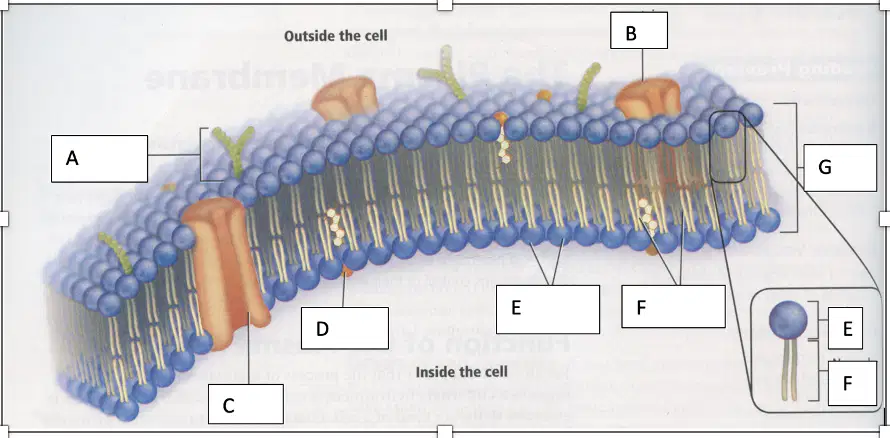
Which letter represents phospholipid bilayer?
G
F
E
D
C
In a watery environment, the phospholipid bilayer forms because
the hydrophobic tails avoid the water and the hydrophilic heads face out into the water
the hydrophobic heads avoid the water and the hydrophilic tails face out into the water
the hydrophobic tails face out into the water and the hydrophilic heads avoid the water

A mosaic is
New drink on Starbucks menu
a kind of cell
an image or pattern made by arranging small pieces of colored glass or other materials
a new Olympic sport
What is the "big idea" of the fluid mosaic model of plasma membranes?
the plasma membrane creates a specialized FLUID that looks like a MOSAIC.
the plasma membrane is a MOSAIC.
the fluid mosaic model is NOT related to the plasma membrane.
a plasma membrane is a MOSAIC of components that move FREELY and FLUIDLY.
What does "hydrophobic" mean?
water loving, associates with water
water fearing, does not associate with water
a world war II submarine
an example would be solutes like sugar or salt
What does "hydrophilic" mean?
water loving, associates with water
water fearing, does not associate with water
a world war II submarine
an example would be solutes like oil or fat
Which type of protein in the plasma membrane sends messages into the cell?
Receptor Protein
Enzymatic Protein
Ion Channel
Junction Protein

The majority of the plasma membrane is composed of ______.
phospholipids
proteins
carbohydrates
cholesterol
Outer and inner parts of the bilayer
Inner part of the bilayer only

What is the function of the carbohydrates of the cell membrane?
allows large molecules to pass through the cell membrane
allows small, non-polar molecules to pass through the cell membrane
identifies the cell and allow for cell-to-cell communication
stabilizes the fluidity of the cell membrane

What is the function of the cholesterol of the cell membrane?
allows large molecules to pass through the cell membrane
allows small, non-polar molecules to pass through the cell membrane
identifies the cell and allow for cell-to-cell communication
stabilizes the fluidity of the cell membrane

The cell membrane, also known as the (a) membrane, is found in (b) types of cells. It controls and (c) what is allowed in and out of the cell to help maintain (d) or a balanced environment. It also is known as the (e) because the different parts of the cell membrane can move around and are not fixed in one location.
Which is an example of selective permeability?
filling your water bottle
making tea with a tea bag
stirring stew in a pot with a spoon as you add carrots
putting cream and sugar into coffee
Proteins at the outer surface of the plasma membrane help
the plasma membrane be selectively permeable
cells maintain shape
cells grow
transmit signals from the outside to the inside of the cell
Proteins that go all the way through the plasma membrane help
the plasma membrane be selectively permeable
cells maintain shape
cells grow
transmit signals from the outside to the inside of the cell
Proteins on the inner surface of the plasma membrane (the cell side) help
the plasma membrane be selectively permeable
cells maintain shape
cells grow
transmit signals from the outside to the inside of the cell
The immune system must track down foreign cells in the body and destroy them. Which component of the plasma membrane is most important to the immune system?
cholesterol
protein
carbohydrate
Carbohydrates in the plasma membrane
signal information about the identity of the cell
anchor the plasma membrane to the cell
keep the tails from sticking together
receive information from other cells
If red eyes are dominant to white eyes in fruit flies and we crossed a white eyed female with a red-eyed male, how many white eyed male would we get?
0
1
2
3
If a man who has hemophilia is crossed with a woman who is normal (not a carrier), how many children will have the disease?
0
1
2
3
4
A woman who is a carrier but does not have hemophilia has children with a normal man. In a standard Punnett Cross, how many children will have the disease?
one daughter
one son
two daughters
two sons
You are a genetic counselor. A woman who is not color blind comes to you and says her brother is color blind but neither of their parents are color blind. She is planning to have children with a man who has no history of color blindness at all in his family and wants to know the possibilities that she could have a colorblind child. What can you tell her about her parents?
Mom was heterozygous Cc
Mom was homozygous CC
(two big C)
Dad was c
(little c)
Mom was homozygous cc
(two little c)
You are a genetic counselor. A woman who is not color blind comes to you and says her brother is color blind but neither of their parents are color blind. She is planning to have children with a man who has no history of color blindness at all in his family and wants to know the possibilities that she could have a colorblind child. What can you tell her about her genotype?
She is heterozyous Cc
She could be heterozygous Cc or homozygous CC
She is homozygous CC
She is homozygous cc
You are a genetic counselor. A woman who is not color blind comes to you and says her brother is color blind but neither of their parents are color blind. She is planning to have children with a man who has no history of color blindness at all in his family and wants to know the possibilities that she could have a colorblind child. What can you tell her about her chances of having a colorblind child?
Her chances of having a colorblind daughter are 25%
Her chances of having a colorblind son are 25%
Her chances of having a colorbind son are zero
Her chances of having a colorblind son are 50%

What would the genotype be of a colorblind male if the dominant allele is normal vision (N)?
XNY
XNYn
XnY
XnYn
In fruit flies, eye color is a sex-linked trait. Red (R) is dominant to white (r).
Which genotype shows a female fly with white eyes?
XRXr
XRXR
XrXr
In fruit flies, eye color is a sex-linked trait. Red (R) is dominant to white (r).
Which genotype shows a male with white eyes?
R = Red, r= white
XrY
XRY

What type of inheritance pattern is shown here?
Codominance
Incomplete dominance

Incomplete dominance occurs in cats, which allows them to be Black, White, or gray as shown on this Punnett square. What percentage of the offspring will be gray?
25
50
75
100
Which of the following genotypes shows a CARRIER for a trait?
XBXb
XbXb
XBXB
XbY
What is 1 examples of an X-linked genetic disorder?
Huntington's Disease
Down's Syndrome
Colorblindness
Diabetes

Colorblindness is more common in males than in females because......
fathers pass the allele for colorblindness to their sons only
the allele for colorblindness is located on the Y chromosome
the allele for colorblindness is recessive and located on the X chromosome
males who are colorblind have two copies of the allele for colorblindness
whether the father's sperm contains an x or y chromosome
whether the mother's egg contains an x or y chromosome
the age of the parents
whether the mother's egg contains an xx or xy
How many recessive genes does a carrier female have for colorblindness?
1
2
0
3
Colorblindness is a sex-linked recessive trait. A colorblind woman marries a male with normal color vision. What is the percent chance of them having a color blind son?
0%
25%
50%
75%
A sex linked gene is
dominant
recessive
carried on the Y chromosome
carried on homologous chromosomes
In a Punnett Square that visualizes a sex-linked trait, you should write the trait on the Y:
always
never
sometimes
A man can be a carrier of a sex-linked trait like hemophilia without actually having the condition.
True
False
A woman can be a carrier of a sex-linked trait like hemophilia without actually having the condition.
True
False
Sex-linked genetically inherited traits:
can appear in both males and females
are only found in males
are only found in females
are only interited from the mother
Sex-linked genetically inherited traits:
are not genetic
are carried on both X and Y chromosomes
are carried on the X chromosome
are carried on the Y chromosome
Harmful X-linked traits are:
inherited only from mothers
most likely to show up in the phenotype of daughters
most likely to show up in the phenotype of sons
will only show up in the phenotype of males
Color blindness is a sex‑linked recessive trait in humans.
A woman who is a carrier for color blindness has children with a man who is color blind. Which of the following is true regarding their offspring?
All sons are carriers
All sons are color blind
No daughters are color blind
Any daughters they have are either color blind or carries of the color blind trait
Duchenne Muscular Dystrophy (DMD) is an X-linked recessive trait that causes muscular weakness, deterioration of muscle tissue, and loss of coordination. The allele for DMD is represented by Xd and the normal allele is represented by XD
Neither parent has DMD, no daughters have it, and one son expresses the trait (assuming 4 children from a standard Punnett Square).
What are the genotypes of the parents?
XDX D and XdY
XDXD and XDY
XDXd and XdY
XDXd and XDY
The Y chromosome holds _ information compared to the X chromosome.
less
more
the same
Why is the gene for a disease or disorder more likely to be found on the X chromosome than Y?
The X chromosome has many more genes.
The Y chromosome has many more genes.
For an XX female to express a recessive sex-linked trait, she must have
a Y chromosome.
one recessive allele.
two recessive alleles.
two dominant alleles.
Organisms with traits, such as being (a) , survive better in their environment than (b) fish.
Over time, only the organisms with the good (c) (in this case fast fish) will survive and the new populations will look (d) than their ancestors

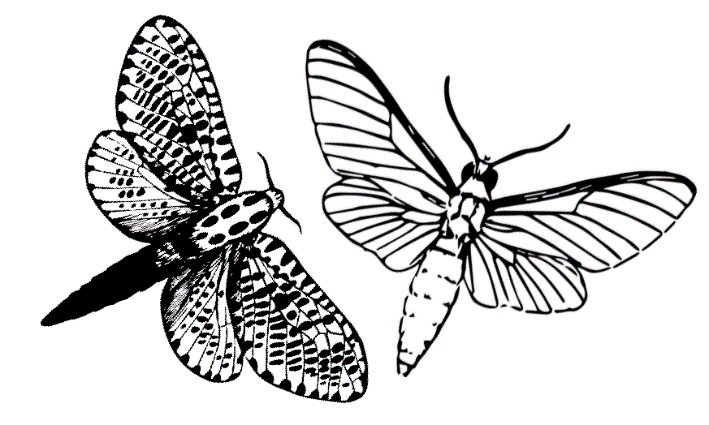
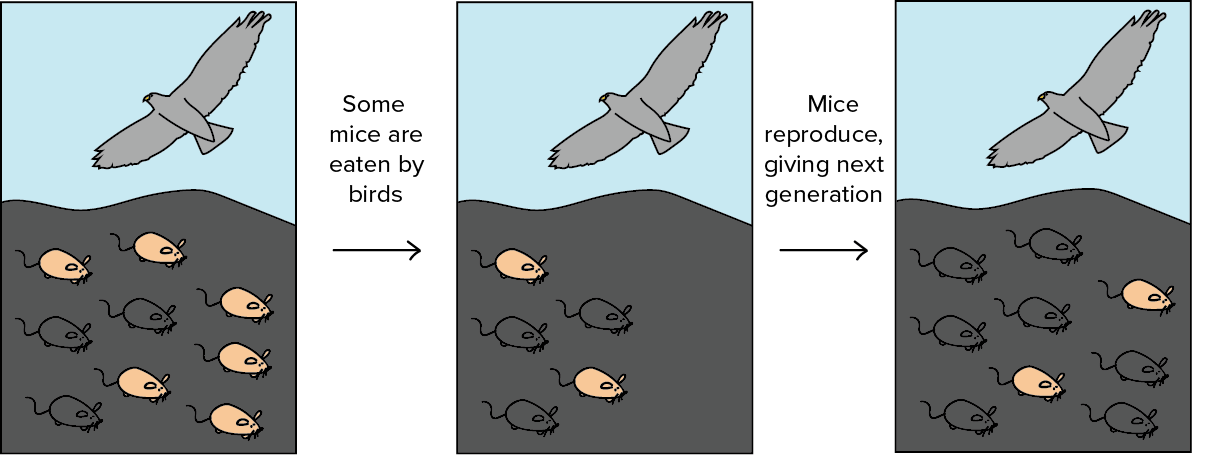
There are 2 moths in the picture. Which moth has a better trait to survive a hunting bird?
Black
Moth
White
Moth
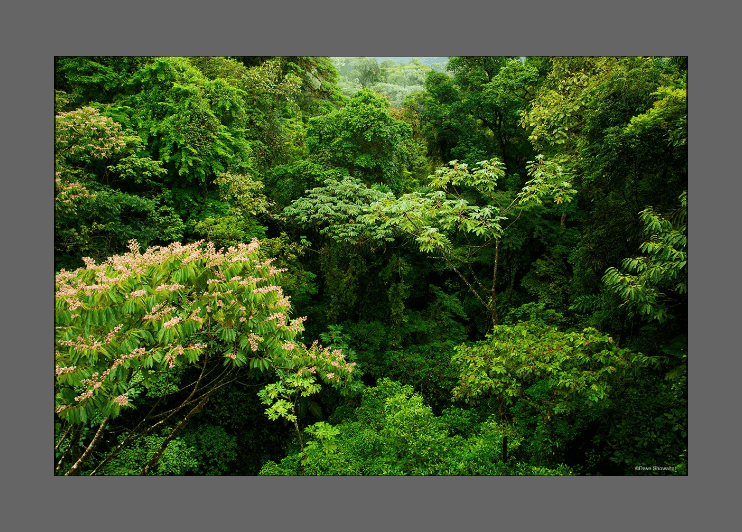
Yellow and green versions of the same speices of insect live in the rainforest canopy, where they are hunted by many predators using sight. You would expect:
the green population to increase and the yellow to decrease
both populations should stay the same
both populations will increase
the green population to decrease and the yellow to increaseThis is a wrong answer
What is the process where animals live or die based on their adaptations to their environment.
Genetic Drift
Natural Selection
The Circle of Life
Mammoth

Which word describes the word "variation"?
Adaptations
Differences
Traits
Genetics
A variation is . . .
when organisms have camouflage like spots or stripes
an organism from a different dimension
when you order different food than your friend
differences between organisms in the same species
According to natural selection, light colored tree trunks would favor
light colored moths
dark colored moths
red colored moths
red and light colored moths
A fox with thicker fur than average would have a survival advantage over other foxes if:
There is more competition for food in the fox population.
The air temperature significantly decreases in winter.
A drought occurs, limiting the amount of water available.
A new disease appears that infects the foxes.

Tree squirrels can have different fur colors.
Squirrels live in forests where foxes also live. Foxes hunt squirrels for food. Squirrels that have fur that is the same color as the trees are harder for the foxes to see and catch.
The diagram below shows a population of squirrels that live in a forest. At time 1, the population had the same number of black and gray squirrels. At time 2, after many generations, there were many more black squirrels and fewer gray squirrels in the population.
How did the environment change between time 1 and time 2? How did the population change?
You cannot tell how the environment changed. With each generation, more squirrels passed on the gene for black fur to their offspring.
There were more black trees. Squirrels with black fur are more likely to survive, so the squirrels with gray fur changed to have black fur.
There were more black trees. Squirrels with black fur are more likely to survive, so both types of squirrels passed on the gene for black fur to their offspring.
There were more black trees. With each generation, more squirrels with black fur survived long enough to pass on the gene for black fur to their offspring.

What is the best claim for this image?
The grey wolves are best adapted to the Arctic
The brown rabbits are best adapted to the Arctic.
The white rabbits are best adapted to the Arctic.

If Easter eggs were living species of organisms, their different colors would be considered:
Adaptations
Variations
Different species
Extinct species
Genetic variation in a population of the same species is
something organisms develop to deal with their environments
the different alleles that already exist in that population (all sunflowers are not the same height)
the result of natural selection
Match the following definitions of the four principles of natural selection
there are different genotypes and phenotypes within a population
variability
a trait that gives an organism the ability to have more offspring over a lifetime than another member of the same species
reproductive advantage
more offspring (with different genotypes and phenotypes) are born than can survive
overproduction
offspring can inherit variations from parents
heritability
Organize these options into the right categories
DNA in cell but not in special place
bacteria or archaea
can only be unicelluar
3.5 billion years old
have cytoplasm
have DNA
have ribosomes
includes plants, animals, protozoa and fungi
2.0 billion years old
cells have a nucleus
cells have no nucleus
can be unicellular or multicellular
have a cell membrane
can have a cell wall
has organelles
DNA in nucleus
no organelles
all life evolved from this kind of cell
type of cells found in a horse
type of cells that are human
DNA has no special location in which kinds of cell? ¿En qué tipos de células el ADN flota libremente?
What are the two types of cells?
Prokaryotic & Eukaryotic
Bacteria & Eukaryotic
Eukaryotic
Animal & Plant
Which of the following structures is ALWAYS found in both eukaryotic and prokaryotic cells?
nucleus
mitochondria
ribosomes
cell wall
PROKARYOTIC cells do NOT have
membrane bound organelles
cell membrane
DNA
ribosomes
The smallest unit of a living thing are
atoms
cells
DNA
organelles
Which cell type tends to be smaller?
Prokaryote
Eukaryote
there is not a size difference
Bacteria is an example of a(n)
prokaryotic cell.
eukaryotic cell.

Which type of cell is this?
Prokaryote
Eukaryote

Type of cell that is simple and has NO nucleus and NO membrane-bound organelles in it.
prokaryotic cell
eukaryotic cell
plant cell
animal cell
Which is an example of a prokaryotic organism
all unicellular organisms
all multicellular organisms
bacteria
plant
Membrane-bound organelles means
all the structures inside a cell
structures in a cell that enclosed by a membrane
structures inside a prokaryotic cells
Why bacteria are the only cells classified as prokaryotic?
Bacteria are made of only one cell(unicellular).
Bacteria cells have NO nucleus.
Bacteria cells have membrane-bound organelles.
Which type cell appeared first on earth?
Prokaryotic cells
Eukaryotic cells
Animal cells
Plant cells
Which of these structures do prokaryotes and eukaryotes share?
Nucleus
Cell wall
Organelles
Ribosomes
This type cell can be unicellular or multicellular.
Bacteria
Prokaryotic
Amoeba
Eukaryotic
The Endosymbiotic Theory explains
the origin of prokaryotes
how bacteria lives
the origin of eukaryotes
how species develop
_____ and _____ are organelles that arose from endosymbiosis
nucleus and cell membrane
mitochondria and chloroplasts
cell wall and chloroplasts
mitochondria and nucleus
Which of the following is evidence to support the endosymbiotic theory?
Mitochondria and chloroplasts have their own DNA, which is similar to prokaryotic DNA.
Fossil evidence shows that the first forms of life were prokaryotic cells.
All eukaryotic cells have a double-layered membrane composed of phosplipids and proteins.
Prokaryotes have the same number and types of enzymes as eukaryotes.
Where is the DNA found in a prokaryotic cell?
in the ribosomes
floating around in the cytoplasm
attached to the cell membrane
in the nucleus
Which does photosynthesis?
all mammals
autotrophs
heterotrophs
all eukaryotic cells
Chemical energy is (a) when molecular bonds are (b) and (c) when molecular bonds are (d)
Photosynthesis takes energy from light and stores it in
the bank
carbohydrates
ribosomes
proteins
Which is NOT an example of an autotroph?
plant
algae
cow
bacteria
The chemical equation for photosynthesis is
CO2 + H2O + light = C6H12O6 + O2
CO2 + O2 = H2O
C6H12O2 + O2 =CO2 + H2O + light
CH4 + Cl2 → CCl4 + HCl
The necessary components for photosynthesis are
light, heat, oxygen and water
light, water, carbon dioxide
light, oxygen, carbon dioxide, sugar
Some antibiotics work by disrupting ATP production in bacteria. Which of the following will the bacteria lack when ATP production is disrupted?
genetic material for reproduction
energy for life processes
nucleic acids to make proteins
cytoplasm to diffuse oxygen
Light is necessary for all phases of photosynthesis
TRUE
FALSE
Where do plants get energy for photosynthesis?
water
heat
light
plant food
A student has four aquatic plants of the same size and species. She submerges each plant in a separate beaker filled with 200 mL of water. She then sets each beaker under a different intensity of light. Mallory observes that, of the four plants, the plant in the beaker under the most intense light gives off the most gas bubbles in a 20 min period. Which of the following statements best explains the student's observation?
Cells decompose most quickly under the most intense light.
Water evaporates from plants faster under the most intense light.
Photosynthesis occurs at the higher rate under the most intense light.
Gases in the leaves of the plants expand most under the most intense light.
Plant pigments are found in the
soma
thylakoid membrane
plasma membrane
cell wall
inside the thylakoid
place in the chloroplast where phase 1 of photosynthesis takes place
chlorophyll
a plant pigment
carotenoid
a plant pigment we see only when chlorophyll has broken down
at the thylakoid membrane
where chlorophyll pigment absorbs light
grana
thylakoids in a stack
The color we consider something to be comes from:
the light it absorbs
the light it reflects
Plants look green to use because
the human eye is the opposite of what the leaf is
they absorb all the green light in the spectrum and reflect violet blue light
they absorb light mostly in the violet blue region and rellect mostly green light
A student wants to make her plants grow faster and has a choice of plant lights to buy. She should choose:
A light that gives off light in the orange spectrum
A light that gives off light in the blue-violet spectrum
A light that gives off light in the green spectrum
Phase 2 of photosyntheis
takes place in the stroma
takes place in the ribsomes
stores energy from sunlight as ATP and NADPH
is not as important as Phase 1
In the Calvin Cycle
Plants use the energy from ATP and ADP generated in Phase 1
Plants use energy from Phase 1 to generate pigments
Plants create energy using sunlight
Plants need light to complete the cycle
Capture light energy and use it to break water molecules
Store light energy as ATP and NADPH
Use ATP and NADPH for energy to make simple sugars and release oxygen
The inputs to photosynthesis are
water, carbon dioxide and sunlight
sunlight, simple sugars and water
simple sugars and oxygen
water, sunlight and oxygen
The outputs from photosynthesis are
water, carbon dioxide and sunlight
sunlight, simple sugars and water
simple sugars and oxygen
water, sunlight and oxygen
What is the equation for aerobic cellular respiration?
In what molecule is the energy carried in cells?
Glucose
Oxygen
ATP
Carbon Dioxide
Which organelle does aerobic cellular respiration happen in?
Nucleus
Mitochondria
Chlorophyll
Chloroplast
The three steps of aerobic cellular respiration are glycolysis, the Krebs Cycle and the Electron Transport Chain. Which step of aerobic cellular respiration makes the most ATP?
The three steps of aerobic cellular respiration are glycolysis, the Krebs Cycle and the Electron Transport Chain. Which step of aerobic cellular respiration first splits glucose?
The three steps of aerobic cellular respiration are glycolysis, the Krebs Cycle and the Electron Transport Chain. Which step of aerobic cellular respiration uses ATP synthase?
The three steps of aerobic cellular respiration are glycolysis, the Krebs Cycle and the Electron Transport Chain. Which step takes place in the cytoplasm of the cell (sometimes called the cytosol) ?
Which of the following is NOT a stage of aerobic cellular respiration?
Glycolysis
Fermentation
Krebs cycle
Electron transport
Which of these processes takes place in the cytoplasm of a cell?
Electron transport
Glycolysis
Krebs cycle
Photosynthesis
The starting molecule for glycolysis is
ADP
Pyruvic acid
Glucose
Citric acid
In cellular respriration, high-energy electrons that move down the electron transport chain ultimately provide the energy needed to
transport water molecules across the membrane.
convert ADP molecules into ATP molecules.
convert carbon dioxide into water molecules.
break down glucose into pyruvic acid molecules.
Lactic acid fermentation can cause
mad cow disease in cows
increased photosynthesis in plants
sore muscles after heavy exercise in humans
mitochondrial disease in humans
Fermentation is a kind of cellular respiration that is anaerobic, which means it takes place in the absence of
carbon dioxide
hydrogen
oxygen
water
ATP synthase produces ATP when
oxygen ions go through it
hydrogen ions go through it
carbon dioxide gas goes through it
electrons go through it
The production of ATP via ATP synthase occurs because of a
gradient
osmosis
glucose molecule
electrons go through it
When we say a process requires oxygen, we call it what?
Anaerobic
Aerobic
Phosphorylated
Catabolic
When we say a process that does not require oxygen, we call it what?
Anaerobic
Aerobic
Synthase
Catalyzed
The correct order of the stages of celluar respiration is
Krebs Cycle, Glycolysis, Electron Transport Chain
Glycolysis, Electron Transport Chain, Kreb's Cycle
Glycolysis, Kreb's Cycle, Electron Transport Chain
Glycolysis, Calvin Cycle, Electron Transport Chain
Electron Transport Chain, Kreb's Cycle, Glycolysis
The stored energy in ATP is stored in:
three phosphate groups
the bond between the 2nd and 3rd phosphate groups
two phosphate groups
bond between ribose and adenosine base
metabolism
Calvin Cycle
What are the inputs of cellular respiration?
Glucose and Oxygen
Sun, water and carbon dioxide
Glucose and Water
Sunlight and Water
The electron transport chain takes place in
in the inner membrane of the mitochondria
in the matrix of the mitochondria
in the cytoplasm
What are the outputs of cellular respiration?
carbon dioxide, water and ATP
ATP and Glucose
Oxygen and Glucose
Sunlight, Glucose and Water
In what part of the cell is glucose initially broken down to form pyruvic acid?
the nucleus
the cytoplasm
the mitochondria
the plasma membrane
Where does the carbon that we breathe out come from?
CO2 (carbon dioxide)
C6H12O6 (carbohydrates)
CH4 (Methane)
O2 (Oxygen)
What is important about cellular respiration?
It produces energy from the sun.
It forms sugar.
It transforms sugar into a usable form of energy (ATP)
Only plants perform this process.
What is the chemical formula for glucose?
6C6H12O6
C12H6O12
C6H12O6
CHO
One molecule needed for cellular respiration is
carbon dioxide
glucose
water
chlorophyll
Glucose molecules store _____________.
chemical energy
kinetic energy
gravitational potential energy
heat energy
Which organelle converts the chemical energy stored in food into more usable energy for the cell to use?
ribosome
chloroplast
mitochondria
Golgi body
Energy is released from an ATP molecule for cellular processes when it
goes through the electron transport chain
has a phosphate group removed
has a phosphate group added
combines with oxygen
The Kreb's Cycle takes place
in the cytoplasm of the cell
in the matrix of the mitochondria
in the inner membrane of the mitochondria

(C6 H12 O6) is the chemical formula for which important molecule?
Glucose
ATP
ADP
Cell plasma
It does not produce very much ATP
In the absence of oxygen, which process comes after glycolysis
fermentation
krebs cycle
electron transport chain
One cause of muscle soreness is
the Krebs cycle
glycolysis
alcoholic fermentation
lactic acid fermentation
Fermentation would be considered a (n) _______ process.
Aerobic
Anaerobic
The electron transport chain is made up of
phospholipids
carboydrates
proteins
enzymes
ATP is created in the electron transport chain when
glucose breaks down
oxygen accepts electrons and combines with hydrogen
electrons exit the cell membrane
hydrogen ions go through ATP synthase
When chemical bonds break,
it is considered an anabolic reaction
molecules are formed
energy is produced
energy is used
At the end of the electron chain,
oxygen accepts the electrons and binds with hydrogen ions to make water
oxygen breaks a phosphate bond and creates ATP
the final product is hydrogen