
 Worksheets
TERRESTRIAL AND AQUATIC BIOMES
Total questions: 38
Worksheet time: 52mins
Name
Class
Date
1.
Which biome is characterized by low temperatures and low amounts of rainfall?
a)
tundra
b)
desert
c)
temperate deciduous forest
d)
tropical rain forest
2.
Which biome covers most of the land mass near the Earth's equator?
a)
tundra
b)
desert
c)
grassland
d)
tropical rainforest
3.
Which biome is found on the mountain above the tree line?
a)
grassland
b)
deciduous forest
c)
tundra
d)
tropical forest
4.
Which biome, because of its climate, has the largest number of species of plants and animals?
a)
tundra
b)
desert
c)
tropical rainforest
d)
pine forest
5.
One characteristic feature of tundra is that only the surface thaws in the summer and refreezes in the winter, leaving a layer of permanently frozen subsoil. This characteristic is known as
a)
glaciation
b)
permafrost
c)
crystallization
d)
soilfrost
6.
Which type of trees is found in a temperate forest?
a)
deciduous
b)
evergreen
c)
ginko
d)
palm
7.
Which major biome is home to cacti, mesquite, white thorn, pack rats, small reptiles, and coyotes?
a)
desert
b)
taiga
c)
tundra
d)
grassland
8.
In which biome is Georgia located?
a)
tropical rainforest
b)
temperate rainforest
c)
temperate deciduous forest
d)
alpine forest
9.
Which biome receives between 0 to 25 centimeters of rain per year, has a temperature range of 0 to 50 degrees Celsius, has poor soil, and is home to lizards, scorpions, and snakes?
a)
desert
b)
mountain
c)
taiga
d)
tundra
10.
Which biome receives between 0 and 25 centimeters of precipitation each year, has a temperature range from -27 to 5 degrees Celsius, has frozen soil, and is home to hares, caribou, and wolves?
a)
desert
b)
mountain
c)
savannah
d)
tundra
11.
Which of the following habitats probably has the greatest number of plant and animal species?
a)
the African savannah
b)
a rainforest in Brazil
c)
a temperate forest in China
d)
a temperate grassland in Kansas
12.
Which biome contains large populations of grazing herbivores, few species of birds, and deep, rich soil?
a)
taiga
b)
tundra
c)
deciduous forest
d)
grassland
13.
This biome contains mostly spruce trees and Douglas firs, which are both evergreen. The winters are long and cold and the summers are short and rainy. The soil is very rich. Moose and elk live here. This biome is classified as a
a)
taiga
b)
tundra
c)
deciduous forest
d)
temperate forest
14.
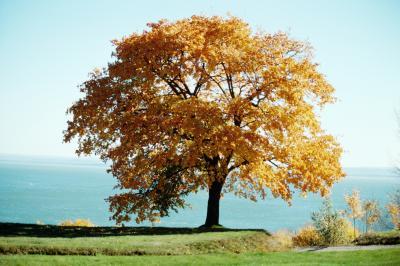
The biome known for trees with broad leaves that fall off the trees in the winter.
a)
Coniferous Forests
b)
Deciduous Forests
c)
Deserts
d)
Tropical Rain Forests
15.
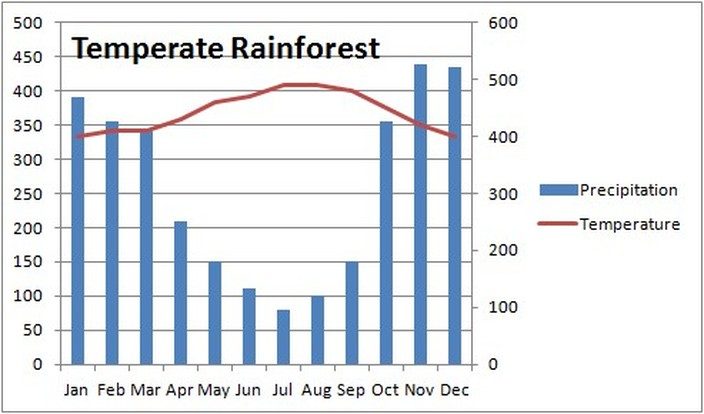
The most important abiotic factors when studying biomes are...
a)
Food and Water
b)
Water and Sunlight
c)
Temperature and Oxygen
d)
Water and Temperature
16.
The greatest biodiversity on earth is found in the __________ biome.
a)
taiga
b)
grassland
c)
temperate deciduous forest
d)
tropical rainforest
17.
This biome is found around the equator and is home to a large amount of biodiversity.
a)
Deserts
b)
Tropical Rain Forests
c)
Savannas
d)
Chaparral
18.
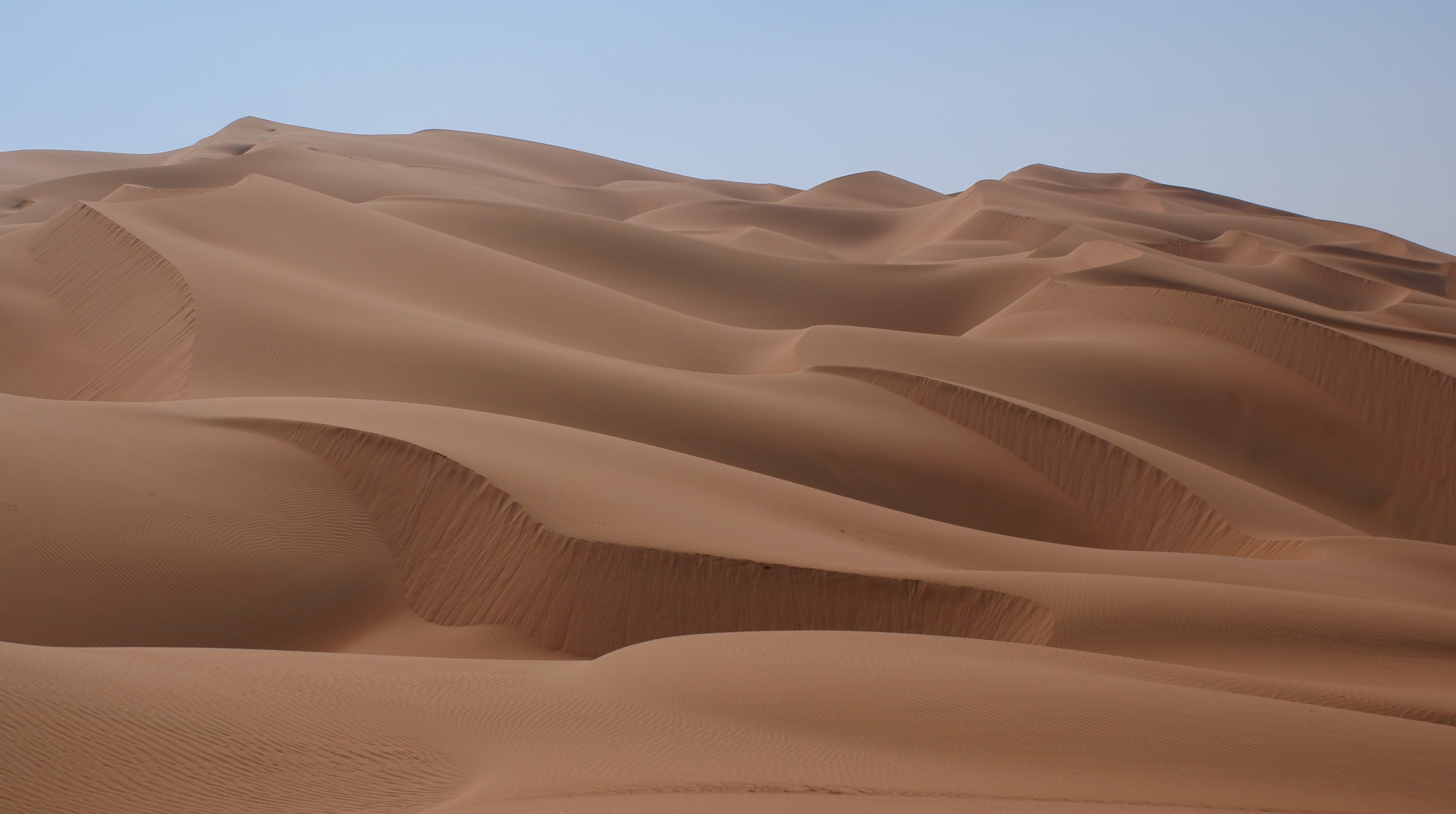
Which biome is MOST LIKE the "desert" in terms of precipitation?
a)
tropical rainforest
b)
temperate deciduous forest
c)
tundra
d)
coniferous forest
19.

Which biome is represented by the rainfall amounts in letter C?
a)
desert
b)
prairie
c)
deciduous forest
d)
tropical rain forest
20.
A ________ is a forest biome consisting mostly of cone-bearing evergreen trees
a)
desert
b)
temperate deciduous forest
c)
taiga
d)
tundra
21.
Areas defined by their geographical location and ecological similarity are called?
a)
ecozones
b)
biotopes
c)
biomes
d)
biodomes
22.
What are the key features of the Tundra?
a)
cold winter, thin acidic soil, evergreen trees
b)
treeless, permafrost, cold dark winters
c)
ong cool summers, short dark winters, migrating animals
d)
many evergreen trees, short moist summers, long snowy winters
23.
What are the 2 types of aquatic biomes?
a)
rivers and streams
b)
lakes and oceans
c)
marine and fresh water
d)
marine and oceanic
24.
What aquatic biome is characterized by flowing fresh water?
a)
Lakes/Ponds
b)
Mangroves Swamps
c)
Rivers/Streams
d)
Coral Reefs
25.
Which of the following is the best definition for estuary?
a)
Narrow band of coastline that exists between high and low tide.
b)
Areas along the coast where fresh water from rivers mixes with salt water from the ocean.
c)
Flowing fresh water containing rapids.
d)
Freshwater aquatic areas that are saturated by water for at least part of the year.
26.
True/False - Because estuaries contain salt water and fresh water, they are not productive places for plants and animals.
a)
True
b)
False
27.
Which of the following is true regarding mangroves?
a)
There must be a freshwater input into a mangrove in order for plant life to survive.
b)
Mangroves contain rapids that allow for the mixing of water and air making it a highly productive ecosystem
c)
Mangrove plants are salt tolerant and protect the shoreline from erosion.
d)
Mangroves have an aphotic zone that has little photosynthetic activity occurring.
28.
True/False - Coral have a symbiotic relationship with algae.
a)
True
b)
False
29.
True/False - Coral reefs are found at all depths of the oceans.
a)
True
b)
False
30.
What is coral bleaching?
a)
When the algae inside the coral die due to disease, high water temperature or lower ocean pH.
b)
When the algae inside the coral die due to overharvesting.
c)
When sediments and pollution remove the color from a coral reef.
d)
When the limestone skeleton remains after the coral has been foraged by fish.
31.
How do organisms create energy in the aphotic zone?
a)
Photosyntesis
b)
Chemosynthesis
c)
No energy is generated in the aphotic zone.
32.
In what zone of the ocean does photosyntesis occur?
a)
Photic zone
b)
Aphotic zone
c)
Benthic Zone
33.

This biome occurs in topical waters near coasts, where water is warm, salty, and shallow:
a)
coral reef
b)
wetland
c)
freshwater
d)
ocean
34.
_________ is the amount of salt dissolved in water.
a)
Temperature
b)
Salinity
c)
Nutrients
d)
Pressure
35.

What role do Phytoplankton play in the Ocean food web?
a)
They are predators
b)
They are carnivores
c)
They are primary producers
d)
They are not important in the ocean food web
36.

What 2 things decrease as you go deeper into the ocean?
a)
Temperature/ Sunlight
b)
Pressure/ Marine life
c)
Sunlight/ Pressure
d)
Temperature/ Pressure
37.
What organisms in the ocean absorb the most carbon dioxide?
a)
Algae and marine plants
b)
Ocean mammals, like whales and dolphins
c)
Fish
d)
Coral
38.
Create a SHORT POEM about the environment.
Pwede ENGLISH
Pwede TAGALOG
4 lines
100 %

