
Font size
 Worksheets
RKCS-G6-S2-Final Review
Total questions: 80
Worksheet time: 40mins
A collection of hundreds of stars around a common centre is called a:
Solar System
Galaxy
Light year
Andromeda
The name of the galaxy in which our solar system is situated is the:
Andromeda
Milky Way
Black eye
Sombrero
The distance that light travels in one year is called:
A light year
A light ray
An astronomical unit
AU
The centre of the solar system is a:
Star
Planet
Asteroids
Comets
The natural satellite that orbits a planet is a:
Meteor
Moon
Comet
None of these
Constellation is a group of (a) to make a pattern in the sky.

What is the name of this constellation?
Big dipper
Orion
Southern Cross
Scorpion
The Big Dipper


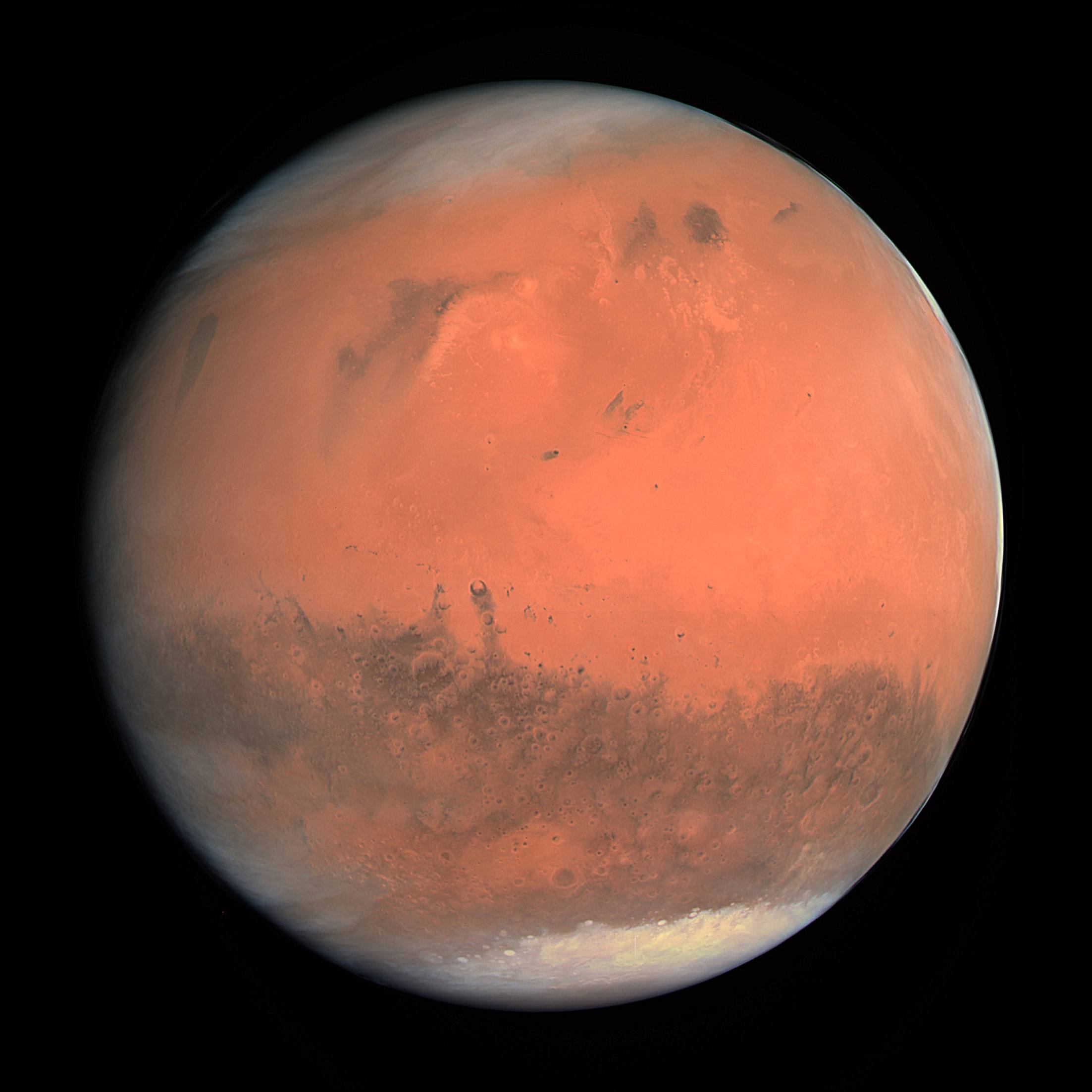
The fourth planet from the Sun; also known as the "red planet."
Neptune
Mercury
Earth
Mars

Which celestial body turns on its side?
Neptune
Mars
Jupiter
Uranus

What is true about Jupiter, Saturn, Uranus, and Neptune?
they all have many moons
they all have a solid surface
they all are smaller than Earth
they all have liquid water on the surface

What gases make the Sun so hot and bright?
carbon dioxide & sulfuric acid
nitrogen & oxygen
helium & hydrogen
methane & helium
One of the main differences between the outer and inner planets is __________.
the inner planets all have water
the inner planets are much bigger than the outer planets
the outer planets are gas planets
the outer planets have do not have rings and the inner planets do
Which property makes Earth unique compared to other planets in the solar system?
It orbits the Sun.
It is a rocky planet
It has liquid water
It rotates on its axis.
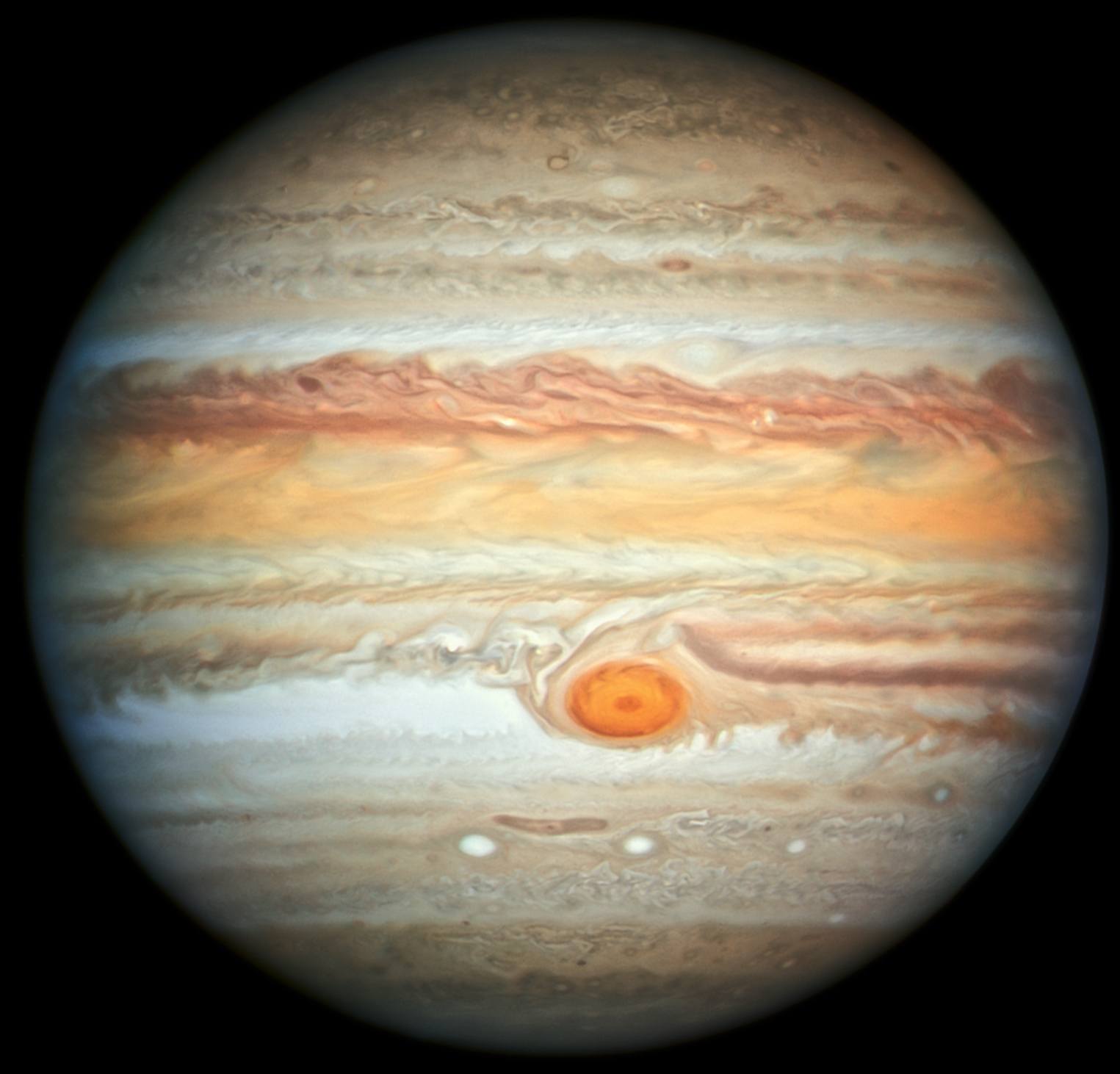
Which planet is the largest planet in the solar system and is the fifth planet?
the sun
Uranus
Jupiter
Earth
What is at the middle of a Heliocentric system?
Mars
Moon
Sun
Earth
What is at the middle of a Geocentric system?
Sun
Neptune
Earth
The Universe
What does the Geocentric system look like?
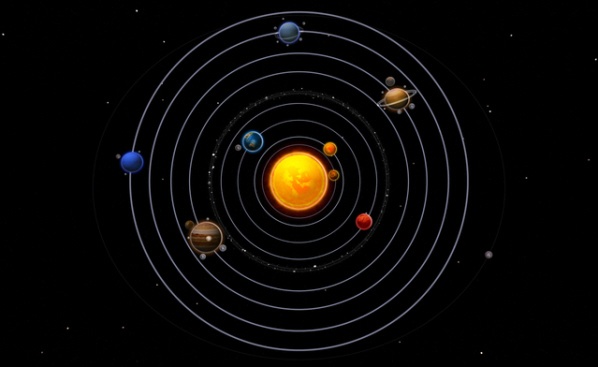
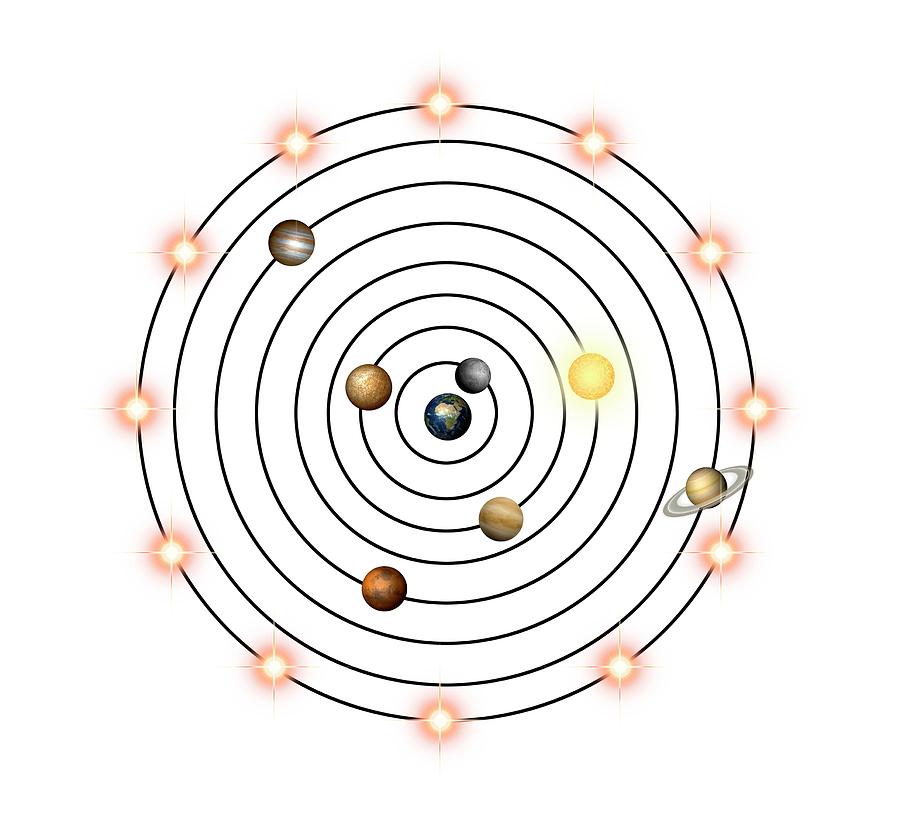
What is the biggest difference between the Geocentric Model and the Heliocentric Model?
the shape of the planets' orbits
the movement of the moon
the center of the solar system
The visible layer on the surface of the
sun that gives off light.
Core
Convection Zone
Photosphere
Corona
The sun's __________keeps all of the objects in our
solar system orbiting around it
mass
weight
gravitational pull
orbit
The sun is a glowing ball of _______.
fire
energy
super hot gases
rocks
How long does it take light from the Sun to get to Earth?
about 8 minutes
about 8 seconds
about 8 hours
about 8 days
What is the name of the process by which stars produce their energy?
nuclear fusion
convection
hydrogen fusion
radiation
Which unit of measurement is used to measure distances within our solar system?
inches
kilometers
miles
Astronomical units

Which of the following list the correct hierarchy in the Universe from biggest to smallest?
Universe, galaxies, solar system, stars and planets
Planets, stars, solar system, galaxies, universe
Solar system, galaxies, stars, planets, universe
Universe, solar system, galaxies, planets and stars
An astronomical unit is...
The average distance between the Earth and the Sun
The average distance between the Sun and Neptune
The diameter of the sun
The time it takes light to travel across our solar system
Why do we use light years and astronomical units to measure distances in space?
Scientists want to sound smart.
Hubble discovered these units and wanted to use them.
Space is too small to use km, it wouldn't make sense.
Space is too big, vast, enormous to use traditional units, like miles.
Which rocket component provides stability?
fin
streamer
nose cone
shockcord
Force that attracts an object toward the center of the earth.
friction
potential
gravity
inertia
Rocket works on which law of motion ?
Newton's First Law
Newton's Second Law
Newton's Third Law
Rockets were invented in ancient _______.
Rome
Greece
Egypt
China

The gas rushing out of the rocket or balloon is the______and the movement of the object in the opposite direction is the ______.
reaction, action
action, force
reaction, thrust
action, reaction
•The exhaust exerts a downward force on the air called ______.
reaction
action
friction
thrust
When the fuel in the first stage is used up, this stage separates so as to _______ and ________.
reduce weight
reduce friction
reduce speed
save fuel
What is the smallest planet?
Venus
Pluto
Jupiter
Mercury
Which of the gas giants has the largest rings?
Jupiter
Saturn
Mercury
Neptune
Even though Mercury is the closest planet to the Sun, Venus is the hottest of all planets in the solar system.
Yes
No
The second planet from the Sun, the atmosphere is made up of 96% carbon dioxide, extremely hot and the atmospheric pressure is bone crushing.
Earth
Venus
Mars
Saturn
An object undergoes a physical change when it changes:
color, burning, rusting
shape, form, color
tarnishing, melting, ashes
When tearing a piece of paper, the mass will __________ because of the law of conservation of mass.
increase
decrease
stay the same
An object undergoes a chemical change when it changes:
shape, form, state of matter
melting, odor, size
color, burning, rusting
The solid falls to the bottom of the liquid and slowly dissolves. Small amounts of the solid are at the bottom in the final observation.
physical change
chemical reaction
Which of the following is a sign that a physical change has occurred?
Bubbles forming
The object being broken into smaller pieces
Heat being produced
Light being produced

Which of the following options provides evidence of a CHEMICAL change?
Wood is burned releasing ash and smoke
Rocks separate when soil is sifted
Boiling water bubbles when heated
Salt dissolves in water
Which group of characteristics are inherited?
A. eye color, hair color, and liking music
B. widow’s peak, curly hair, and length of hair
C. hair color, ability to roll tongue, and color blindness
D. ability to roll tongue, soccer skill, and being left-handed
Why do children often look like their parents?
A. because they eat the same foods as their parents
B. because they inherit some traits from both their parents
C. because they grow up in the same environment as their parents
D. because boys inherit traits from their fathers, while girls inherit traits from their mothers
What is the major difference between vertebrates and invertebrates?
Vertebrates have a backbone and invertebrates do not.
Invertebrates live in water and vertebrates do not.
Invertebrates have a backbone and vertebrates do not.
Invertebrates are smaller than vertebrates.
Animals with fur that give birth to live young are called_____ .
mammals
reptiles
amphibians
fish

Is the animal a vertebrate or invertebrate?
Vertebrate
Invertebrate

I am cold blooded, covered in dry scales and I lay eggs. What am I?
Mammal
Fish
Amphibian
Reptile
I am cold blooded, covered in scales, use gills to breathe under water, and I lay eggs. What am I?
Fish
Mammal
Reptile
Amphibian
I am warm blooded, covered in feathers and I lay eggs. What am I?
Reptile
Amphibian
Mammal
Bird

Which group does it belong to?
vertebrate
invertebrate
A dog and a hamster can both be classified as (a) because they have a backbone.
Most fish have _________________ to protect their bodies.
hair
scales
feathers
skin
Which of the following statements is true of reptiles?
They are cold-blooded.
They have gills.
Their babies drink their mother's milk.
They spend part of their lives in the water and part of their lives on land.

The picture shows a unique animal called a pangolin. The pangolin has scales, is warm-blooded, gives live birth and nurses its young. What group of animals is the pangolin mostlike?
reptiles, except it has scales
mammals, except it has scales
birds, because it nurses its young
amphibians, because they are warm-blooded
What is the largest mammal?
Elephant
Giraffe
Blue whale
Argentinosaurus
Which characteristic do all mammals share?
They all have a pouch
They all have a cloaca
They all have fur or hair
They all have scales
All mammals have...
Scales
Fins
Warm blood
Cold blood
Which animal is NOT a mammal?



