wayground logo

Free Printable Worksheets

Font size

S
M
L
XL
Worksheets

Managing Credit- Unit Test

Total questions: 28

Worksheet time: 15mins

Name
Class
Date
1.
Hour/Class:
4 lines
2.
1. What are the two most important factors in calculating your credit score?
a)
Payment history and types of accounts
b)
Amounts owed and length of credit history
c)
Payment history and total debt
d)
Length of credit history and new credit inquiries
3.
2. Heather realized she has taken out too much debt and it has started to negatively impact her ability to budget. She has decided to pay off this debt in full as soon as possible. All of the following would be beneficial strategies EXCEPT…
a)
Reducing spending by canceling some of her streaming subscriptions
b)
Taking extra shifts at work to increase her income
c)
Making more than the minimum required payment on her debt
d)
Applying for another credit card to use in case she runs out of cash paying off her debt
4.
3.Which of the following statements about credit scores does this bar graph support?
a)
Credit scores tend to drop as you grow older because you are more likely to miss a payment at some point
b)
It is more difficult for young people to borrow because they have less payment history for a lender to rely upon
c)
When young people borrow, they are likely to have lower interest rates because their credit scores are lower
d)
It is easier for young people to get loans at lower interest rates because they are likely to have never been late with a payment
5.
4. All of the following would show up on a credit report EXCEPT...
a)
Salary of your current job
b)
Payment history of your car loan
c)
Credit card payment history
d)
Student loan activity
e)
6.
5. Which of the following methods of getting your credit score would involve paying a fee?
a)
Checking your credit card or loan statement
b)
Talking to a non-profit counselor
c)
Checking creditkarma.com
d)
Getting a score from myFICO.com
7.
6. Your friend confides in you that he has a low credit score. What is the single best way for him to improve his score?
a)
Cancel his credit cards
b)
Make on-time payments
c)
Get a car loan
d)
Check his credit score
8.
7. Melvin is 19 years old and wants to begin establishing a credit history. Which action should he take to meet that goal?
a)
Always say "credit" when asked "credit or debit?" at a store
b)
Ask his parents to cosign a credit card or add him as an authorized user on their credit card
c)
Any time he borrows money from a friend or family member, be sure to pay it back promptly
d)
Take out some private student loans, even though he doesn't need them because he has grants and scholarships
9.
8. Which of the following individuals or groups would be the LEAST likely to look at your credit score?
a)
Someone interviewing you for a job
b)
Credit card companies
c)
An insurance company reviewing your applicant for auto insurance
d)
A bank representative who is helping you open a savings account
10.
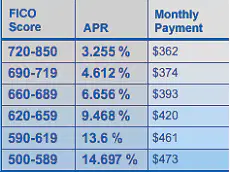
9. Frank and Jasmere are each shopping for a new car for themselves. Each will need a $20,000 loan that they will pay back over a five year period. Frank has a credit score of 730 and Jasmere has a score of 600. Which of the following statements is TRUE?
a)
Over the five year period, Jasmere and Frank will pay the same amount for the car loan
b)
Frank's monthly payment on the auto loan will be about $100 more than Jasmere's payment
c)
Jasmere's monthly payment on the loan will be about $100 more than Frank's payment
d)
Lenders are not allowed to charge people different interest rates based on their credit scores
11.
10. You have a credit card that you use regularly for small purchases with the goal of improving your credit score. Which strategy would have the GREATEST positive impact?
a)
Use less than 30% of the credit limit and pay it off in full every month by the due date
b)
Always carry a balance from month to month
c)
Regardless of how much your balance is, make the minimum payment required on your credit card every month by the due date
d)
Put the credit card in a drawer instead and don't ever use it
12.
11. What strategy should you use to pay off multiple sources of debt if you want to pay the lowest amount of interest over time?
a)
Snowball method
b)
Make minimum payments
c)
High rate method
d)
Consolidate multiple debts into one new loan
13.
12. Who tracks all of your credit information?
a)
Credit reporting agencies (Equifax, Experian and TransUnion)
b)
Federal government
c)
Consumer Financial Protection Board (CFPB)
d)
Lenders
14.
13. What is the general timeline to establish your first credit score?
a)
As soon as you apply for a credit card or loan
b)
Six months after you first actively use your credit
c)
Once you pay all of your credit balances in full
d)
Once you turn 18
15.
14. You find an error on your credit report: Your credit card account indicates that you are 60 days late on your payment but you have bank records indicating that you have always made on-time payments. What should you do FIRST?
a)
Contact the credit card company to have them fix it
b)
Contact the credit reporting agency
c)
Wait a few weeks to see if it gets resolved
d)
Call the police to report the possible identity theft
16.
15. Which of the following things should you have ready when contacting a credit reporting agency to report an error on your credit report?
a)
Your preferred payment method to pay for fixing the error
b)
A list of all of your financial accounts and balances
c)
An explanation of the mistake and any evidence you have supporting your claim
d)
References from a non-family member vouching for your creditworthiness
17.
16. Which of the following could have a NEGATIVE impact on your credit score if done in a short period of time?
a)
Paying your bills on-time
b)
Paying down balances on your credit card accounts
c)
Decreasing your utilization of credit
d)
Applying for multiple credit cards
18.
17. Which best describes the Debt Snowball method for paying off debt?
a)
Only make payments on your smallest debt first, then move on to your second smallest debt, and so on
b)
Once your debt "snowballs" out of control, hire a certified credit counselor to help get your finances back on track
c)
Make the monthly minimum payments on all your debts, and then put any extra cash toward the debt with the highest balance
d)
Make the monthly minimum payments on all your debts, and then put any extra cash toward the debt with the lowest balance
19.
18. Which of these represents a potential consequence of neglecting to pay your federal student loans?
a)
Wages or tax refunds can be garnished
b)
Passport revocation
c)
Driver’s license suspension
d)
Termination from your job
20.
19. What benefits do you receive by taking out a loan with a cosigner?
a)
You don’t get penalized for late payments
b)
You get a discount on future loans after this one is paid off
c)
You have a better chance of getting approved and getting a lower interest rate if the cosigner has good credit
d)
You automatically get the same credit score as the cosigner once the loan is paid off
21.
20. You're paying your credit card bill and your student loan payment each month, but you're falling behind on your auto loan payment. Which friend's advice could have a NEGATIVE impact on your credit score?
a)
Joanie says, "Call the auto lender and see if you can negotiate a lower monthly payment or some other deal."
b)
Debbie says, "Stop making the credit card payment for a few months until you're caught up on the auto loan."
c)
Angie says, "Pick up a second job for as long as it takes to accumulate enough money to make all your payments, even if it means losing time with friends and family."
d)
Betty says, "Cut down to a bare bones budget, where your necessities and your debt repayments take first priority. Cut everything non-essential."
22.
21. Which response best completes the sentence "It's best to begin establishing credit when you're young because ________" ?
a)
Accessing credit only becomes more expensive as you get older
b)
Negative marks on your credit report go away faster for younger borrowers
c)
Credit scores are free for anyone under the age of 25
d)
You will likely need a credit history to rent your first apartment, finance your first car, or open an unsecured credit card
23.
22. Review this partial credit report, and then choose the response below that accurately depicts the information on the report.
a)
The borrower paid a $30 fee in February 2015
b)
This borrower was never late with any of their credit payments
c)
This borrower's most recent payment was $30
d)
This borrower was 30 days late on their May 2015 payment
24.
23. The amount you can charge to a secured credit card is limited by…
a)
Your credit score
b)
The amount of money you deposit into an account as collateral
c)
The total amount of money across all your bank accounts
d)
How long you’ve had an account with the bank
25.
24. Which free credit report service is authorized by federal law but only accessible once per year?
a)
AnnualCreditReport.com
b)
Credit Karma
c)
Credit Wise
d)
Wallet Hub
26.
25. How can your credit score impact your financial well-being?
a)
Only consumers with high scores are approved for credit
b)
Consumers with low scores get lower interest rates on loans than those with high scores
c)
Your credit score can determine whether you are approved for a loan and what the interest rate on that loan will be
d)
It generally has no impact on your financial situation
27.

What is a credit score and how is it calculated?

a)

A credit score is a numerical representation of an individual's creditworthiness. It is calculated based on various factors such as payment history, credit utilization, length of credit history, types of credit used, and new credit inquiries.

b)

A credit score is a number that represents an individual's popularity. It is calculated based on the number of friends and followers they have on social media.

c)

A credit score is a rating given to individuals based on their social media activity. It is calculated by analyzing their posts, likes, and followers.

d)

A credit score is a measure of an individual's income and assets. It is calculated based on the total value of their possessions and their annual salary.

28.
When calculating one’s credit score, ______________ is the largest percentage category of how an individual’s score is calculated:
a)
Payment History
b)
Credit History and Length
c)
Outstanding Debt
d)
Pursuit of New Credit