
 Worksheets
Agriculture and Technology: An Aboriginal Perspective
Total questions: 41
Worksheet time: 47mins
What is one key principle of Aboriginal sustainability practices?
Living in harmony with the land and nature.
Respect for the land
(a) (Abori...) peoples have developed various technologies over thousands of years that are closely tied to their environment.
(a) peoples have (b) various technologies over (c) that are closely tied to their environment.
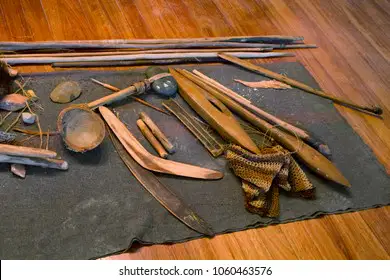
Examples of (a) include (b) and fishing, techniques for farming and food preservation, (c)

Aboriginal technologies are often (a) (sustain...), using materials that are readily available and renewable.

Aboriginal technologies are often sustainable, using materials that are readily available and (a) (renew...).

Many (a) communities have (b) modern technologies, integrating them with (c)
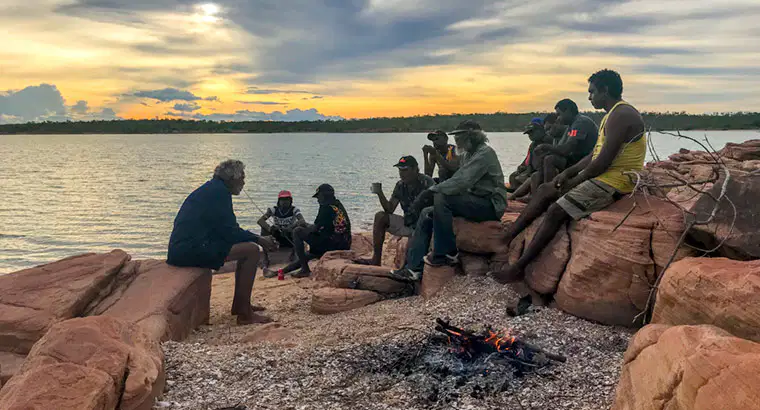
What is Traditional Ecological Knowledge (TEK)?

Aboriginal (a) emphasize a deep (b) for the (c) , viewing it as a (d) that must be cared for.
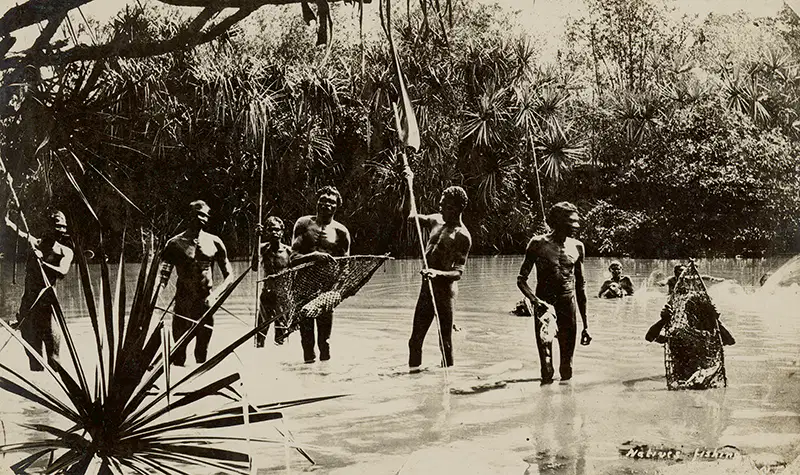
Which of the following is a traditional Aboriginal fishing practice?

What role do controlled burning practices play in Aboriginal land management?
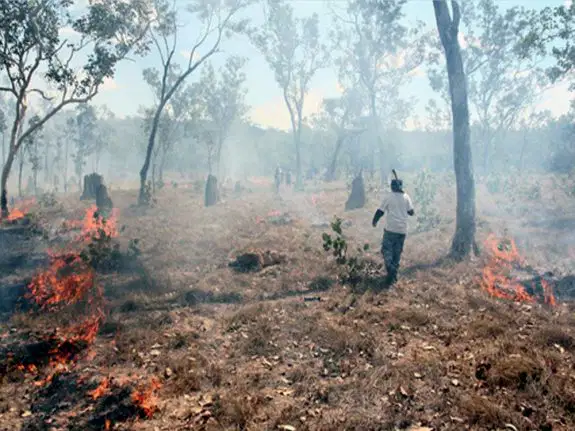
This method involves controlled burning of vegetation to manage the landscape.
Yam Farming
Tucker Farming
Bush Farmingfir
Firestick Farming
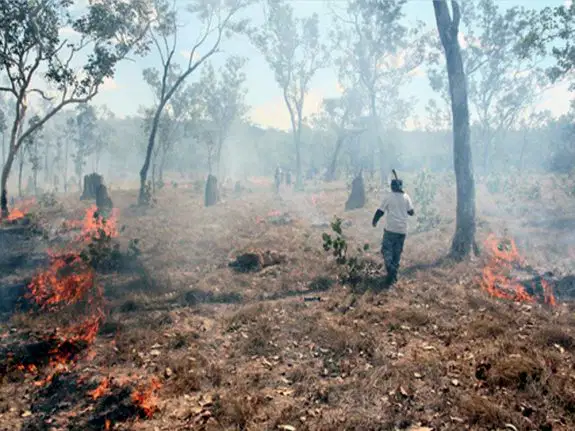
(a) (Fire...) farming controlled burning of vegetation to manage the landscape.
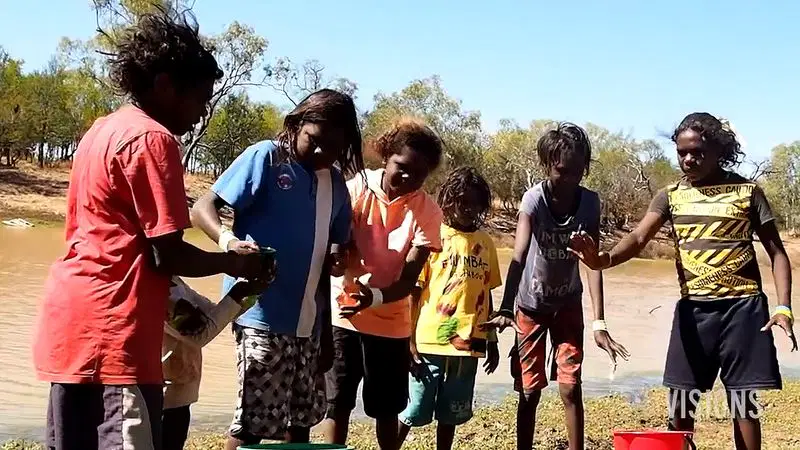
Aboriginal communities often (a) a variety of crops together, which (b) soil fertility and reduces the (c) and diseases.
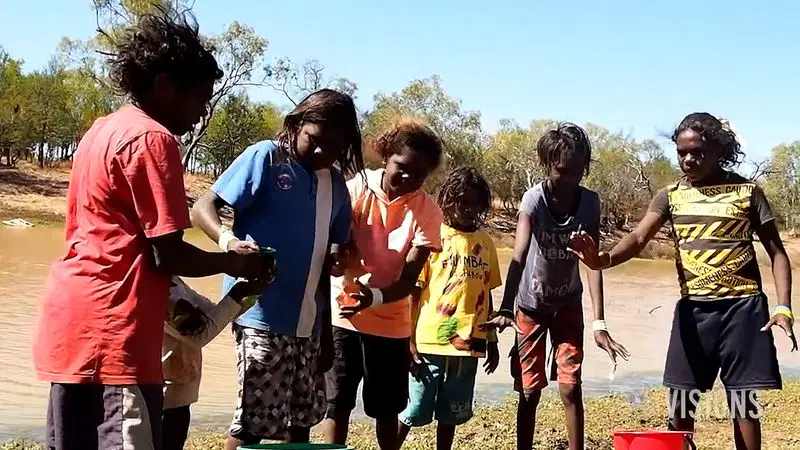
Aboriginal communities often grow a variety of crops together, which helps maintain soil fertility and reduces the risk of (a) (pes...) and diseases.

The (a) method (b) planting corn, beans, and (c)
Which farming method helps maintain soil fertility and reduces the risk of pests and diseases?
Rotational Farming
Mulching
Diverse Crops
Wildlife Managementdive

The (a) of (b) and construction (c) to catch fish and eels is (d)

(a) management (b) endangered (c) and maintains ecological balance.

The cultivation of (a) that are used for food, (b) , and tools is called (c) Gardening

The cultivation of native plants that are used for food, medicine, and tools.
Bush Tucker Gardening
Yam Farming
Food Management
Wildlife Management

This method involves controlled burning of vegetation to manage the landscape.
Back burning
Bush Tucker Gardening
Yam Farming
Firestick Farming
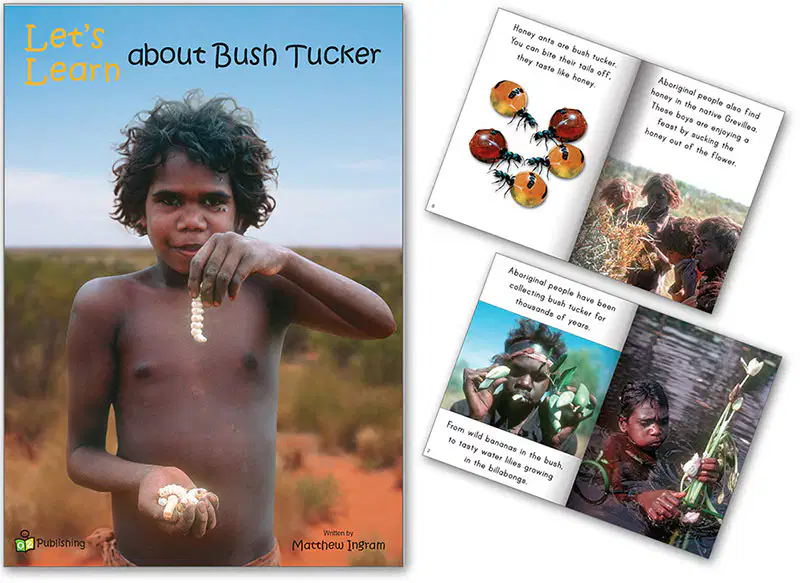
The cultivation of native plants that are used for food, medicine, and tools is called
(a) (Bus... Tuc....) Gardening
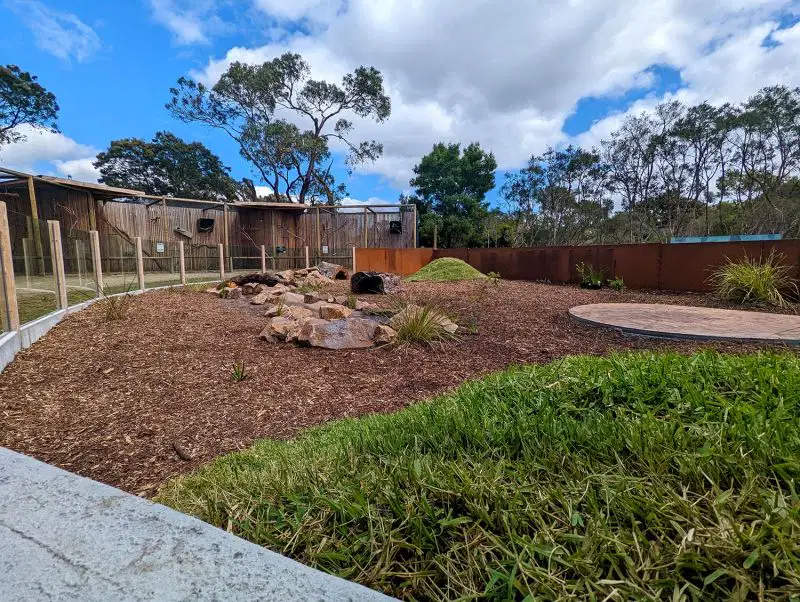
Mulching and (a) refer to (b) of natural materials like leaves and bark to (c)

What is the primary benefit of Aboriginal aquaculture practices?
Sustainable food production
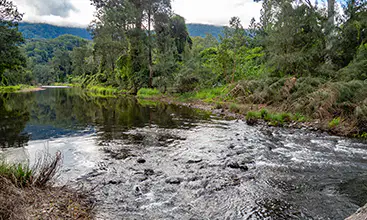
(a) Management (b) water (c) for plants and animals.

Australian (a) methods are a (b) to their deep knowledge of and (c) the land.

(a) peoples have (b) various (c) over thousands of years that are closely tied to their environment.

(a) (Abori...) peoples have developed various technologies over thousands of years that are closely tied to their environment.

(a) peoples have (b) sophisticated (c) for managing (d) resources.

Aboriginal cultures emphasize a deep (a) (res....) for the land, viewing it as a living entity that must be cared for

(a) perspectives on technology and s (b) are deeply rooted in a (c) for the (d)

(a) perspectives on (b) agriculture and sustainability are based on a deep (c) of the land and (d)
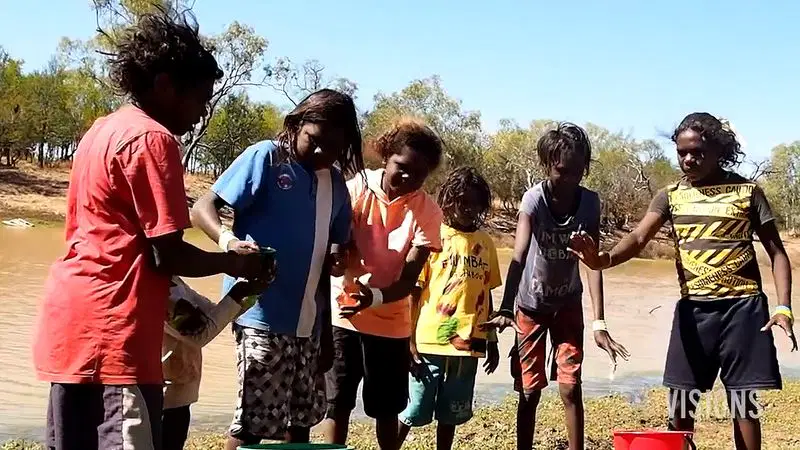
Aboriginal communities often grow a variety of crops (a) (toge......), which helps maintain soil fertility.

The (a) (la...) is seen as a living entity that must be treated with respect.

What is Indigenous knowledge?
Modern scientific knowledge
Knowledge from the internet
Local knowledge unique to a culture or society
Knowledge from books
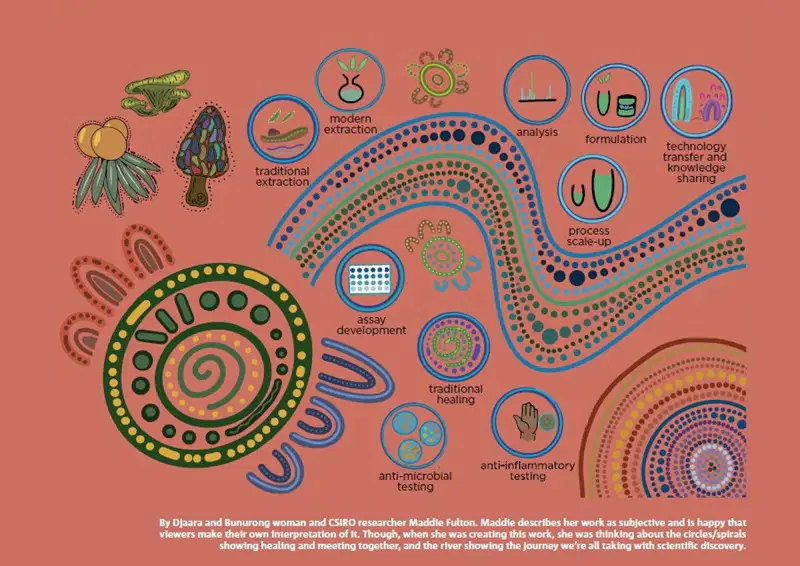
How is Indigenous knowledge usually passed down?
Through books
By word of mouth and culture rituals
Via television
Through online courses

Aboriginal and (a) Islander Peoples have been the (b) custodians of the continent for an (c) 60,000 to 120,000 years.

(a) and Torres Strait (b) Peoples are one of the (c) continuous cultures in the (d)

Indigenous knowledge is the local knowledge that is unique to a (a) (cul...) or society.
Organise these options into the correct Aboriginal Sustainability pracices
-used controlled fire to burn selected areas of land.
-manage the land, supported new plant growth, reduced weeds, and attracted animals for food
-putting part of a harvested plant back into the soil so it can grow again.
-this helped ensure a continuous supply of food and protected natural plant cycles.
Growing plants that are already naturally found in the local environment, such as bush tomatoes
These plants didn’t need extra water or fertiliser, which meant less damage to the environment.
Understanding the natural seasons and cycles of weather, plants, and animals.
-to know the best times to hunt, gather, and burn, helping protect and preserve the land.

