
 Worksheets
ENG MANG1
Total questions: 81
Worksheet time: 1hrs 21mins
is the application of technical and administration Skills in the completion of engineering projects.
(a)
It is the practical application of science in the design and construction of structures, systems, and processes to solve problems.
(a)
It is a person who is trained to apply scientific methodologies in solving technical problems.
(a)
It is the organization, allocation, and control of resources to achieve organizational goals.
(a)
It is a group of people structured to efficiently and effectively utilize resources in the pursuit of a collective goal.
(a)
THE MAJOR FUNCTIONAL AREAS OF BUSINESS
Five Functional Groups
(a)
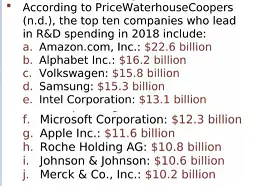
According to PriceWaterhouseCoopers (n.d.), the top ten companies who lead in R&D spending in 2018 include:
(a)
The _ group has to sell the business’ products or services.
(a)
Bradley, J. (2019) enumerates the seven functions of marketing which include_
(a)
The _group takes charge of functions relating to management of cash and credit to carry out organizational activities.
(a)
Shawal, M. (n.d.) enumerated the six major activities covered by the finance team:
(a)
The _team is tasked to transform inputs into finished goods or services.
(a)
The duties of the production team include the
(a)
The team is responsible for planning and staffing, performance management, compensation and benefits and employee relations.
(a)
is the art of getting work done through others.
(a)
A _is a person who coordinates and supervises the work and progress of a group of people towards the achievement of organizational goals.
(a)
_are vested with authorities to use organizational resources and make decisions.
(a)
The managerial levels specify the chain of command and authority and are categorized into three:
(a)
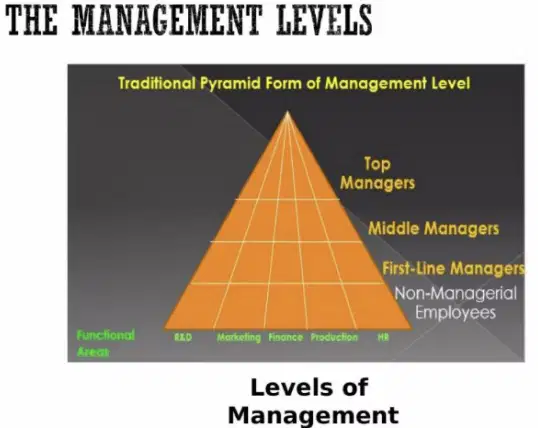
Levels of Management
(a)
make organization-wide decisions.
(a)
They are the goal-setters and they provide the direction on how the goals are achieved.
(a)
They hold such titles as Chief Executive Officer (CEO), Chief Operating Officer (COO), President, Vice-President, and Corporate Head, among others.
(a)
make sure that the goals set by top management are carried out by setting goals for their departments and other business units.
(a)
They are involved in the everyday activities of the organization.
(a)
They oversee the work of first-line managers to ascertain that organizational goals are achieved.
(a)
They also provide top management with feedbacks and suggestions.
(a)
They hold such titles as General Manager, Regional Manager, Project Manager, and Division Manager, among others.
(a)
supervises the work of non-managerial employees who are typically involved in the actual production of finished goods or in the provision of services offered by the organization.
(a)
They are often called Supervisors, Office Managers, Department Heads, and Shift Managers, among others.
(a)
_ are two important concepts related to business growth.
(a)
These two concepts, however, are often used interchangeably to mean the same thing which is wrong.
(a)
_ can be efficient but ineffective, or they can be effective yet inefficient.
(a)
The distinction between the two concepts lies in the perspective on which we look things at.
(a)
_is “doing things right” and is concerned on the input and output relationship.
(a)
It looks at the means by which things are get done, at the cost-effective use of resources.
(a)
_ is getting the most output from the least amount of inputs.
(a)
_is “doing the right things” and is concerned with the end result.
(a)
is measured by the accomplishment of tasks that help attain organizational goals.
(a)
Efficiency is for_ while effectiveness is for _.
(a)
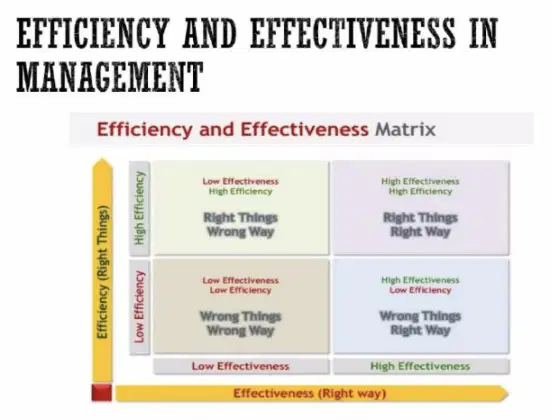
The Efficiency and Effectiveness Matrix
(a)
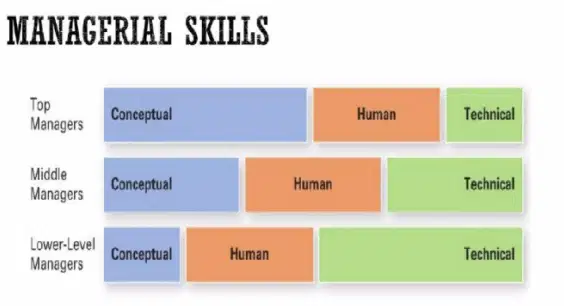
The Relationships of Managerial Skills to the Levels of Management
(a)
A _is an ability born out of training and practice.
(a)
_are the competencies required of a manager to accomplish organizational goals.
(a)
_ are not made overnight and they were not technically tailored to be one.
(a)
To achieve a certain level of proficiency in management, engineers have to be subjected to trainings to acquire new skills and to enhance existing ones.
(a)
Different levels of management require different skill sets and these skills are categorized into three:
(a)
These skills are job-specific knowledge and techniques required to perform complex tasks.
(a)
Examples of technical skills:
(a)
These skills have to do with abstract thinking, seeing things as a whole while at the same time made up of different interdependent parts.
(a)
Examples of conceptual skills:
(a)
These skills are useful in getting things done through other people.
(a)
They have to do with how managers interact and relate to people effectively.
(a)
Examples of good interpersonal Skills:
(a)
_, as it is, already requires highly technical competencies to carry out complex tasks.
(a)
When engineers become managers at the same time, the task does not just become as simple as “_”.
(a)
For engineers to become effective managers, they have to perform other roles, and these roles may switch with changing tasks, expectations, and circumstances.
(a)
_, a management expert, observed that managers portray ten specific roles.
(a)
He then categorized those roles into three:
(a)
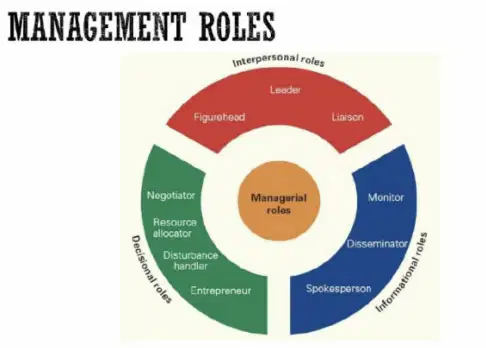
Henry Mintzberg’s Managerial Roles
(a)
These roles arise from formal authority and have to do with dealing with people, both within the organization and outside of the organization, and other duties that are symbolic in nature.
(a)
Interaction is central to management as managers need to involve people in order to attain organizational targets.
(a)
Interpersonal Roles
(a)
AS a manager, you are the authority, with which comes ceremonial duties like welcoming company visitors, speaking at the opening of a new facility, and representing the company in formal gatherings.
(a)
You are being looked up to being the face of the company.
(a)
Organizations need alliances to succeed.
(a)
Managers need to communicate with people outside of their units to effectively network for the organization.
(a)
Managers must be leaders.
(a)
provides inspiration and coaching to motivate team members to be highly productive.
(a)
These roles include collection, processing, and information dissemination.
(a)
The importance of _in organizations cannot be discounted in that from it business insights are gained.
(a)
Managers need to be updated with changes in the internal and external business environment so that relevant actions can be taken when issues arise.
(a)
Communicating important information gained from being monitors to pertinent individuals within the organization is one important role of a manager.
(a)
Being the organization's representative, managers are responsible of providing organizational information to people outside of the firm.
(a)
Management is about making decisions and ensuring that those decisions are put into action.
(a)
are those associated with decision making.
(a)
Management involves taking risks.
(a)
Managers as _need to adapt to changes and they are forefront in innovation initiatives.
(a)
Managers need to take action in the face of difficulties. Managers are also tasked to resolve conflicts.
(a)
With limited organizational resources, managers have to ensure their optimum use, and to set priorities whenever necessary.
(a)
Something can possibly go wrong somewhere.
(a)
Itis the role of the manager to _schedules, resources, projects, goals and outcomes in order to accomplish organizational targets.
(a)

