
 Worksheets
year 7 topic test classification
Total questions: 59
Worksheet time: 35mins
The correct order of classification from the BROADEST group to the most narrow is:
Species, Genus, Family, Order, Class, Phylum, Kingdom
Kingdom, Phylum, Class, Family, Order, Genus, Species
Domain, Kingdom, Family, Order, Phylum, Class, Genus, Species
Domain, Kingdom, Phylum, Class, Order, Family, Genus, Species
The study of how things are classified is known as:
Binomial nomenclature
Taxonomy
A dichotomous key
The 2-part naming system developed by Linneus is known as:
Dichotomous key
Binomial nomenclature
Taxonomy
Classification
Which Domain do humans exist in?
Bacteria
Eukarya
Archaea
A scientist finds an organism that cannot move. It has many cells, produces spores, and gets food from its environment. Which kingdom does it likely belong to?
Animalia
Plantae
Fungi
Protista
What are the two parts of a scientific name?
Domain and Genus
Domain and Kingdom
Phylum and Class
Genus and Species

The sun is
biotic
abiotic

Bacteria are organisms with only one cell.
Bacteria are
multicellular
omnicellular
homocellular
unicellular
All living things _____ and get bigger.
energy
grow
reproduce
move
What is the acronym used to remember the 7 characteristics of living things?
MRS BROWN
MRS GREN
MR FAB
MISS GREEN

Invertebrate are animals
Without a backbone
Have a spine
Has a backbone made of cartilage
That look like plants

Sponges
Are plants
Are plankton
Are found in cold waters
Are filter feeders
Invertebrate are animals
Without a backbone
Have a spine
Has a backbone made of cartilage
That look like plants
Sponges
Are plants
Are plankton
Are found in cold waters
Are filter feeders

Which of these animals is not a crustacean?
lobster
crayfish
crabs
clam

A squid is a member of what family that have soft bodies.
Sponges
Crustaceans
Molluscs
Coelenterates

Common characteristics of Echinoderms are
Tubed feet, no shell
spiky skin, have an exoskeloton
symmetrical body usually 5 sided, are plants
tubed feet, symmetrical body usually 5 sided

Jellyfish, sea anemone, coral, are part of what invertebrate group
Molluscs
Coelenterates
Sponges
Stingers

Animals and plants differ because
Animals are found on land and the water while plants are only on land.
Plants only need water to survive.
Animals can survive without the sun and water
Animals give off CO2 and plants need to make food by photosynthesis.

Which group are all the same classification?
lobster, coral, hermit crab
Shrimp, jellyfish , bluebottle
mussel, octopus, scallop
Sea cucumbers, starfish, pipi

What percent of animals in the sea do invertebrates make up?
5%
90%
97%
75%

What animal would have an exoskeleton?
sponge
crab
bluebottle
shark

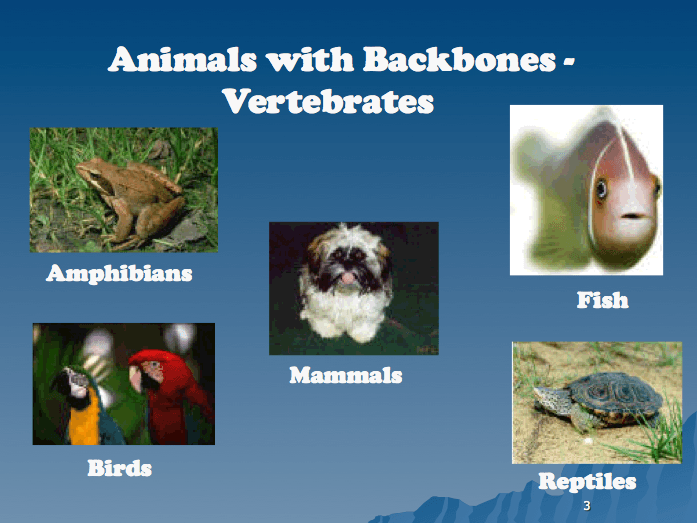
There are five categories of vertebrates. Which one is not a vertebrate?
Mammals
Birds
Insects
Reptiles
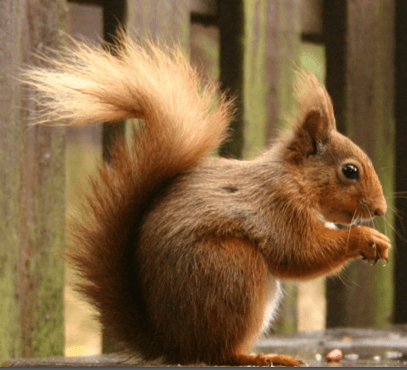
I have fur, I breathe with lungs, and I am warm blooded. What am I?
Mammal
Amphibian
Bird
Reptile
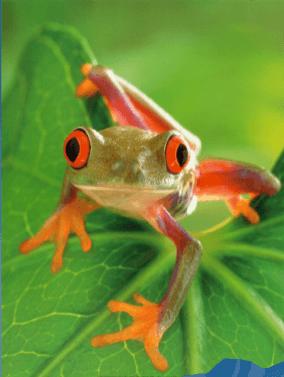

My body is warm and covered in feathers. I lay eggs which hatch into chickens. What am I?
Reptile
Amphibian
Mammal
Bird
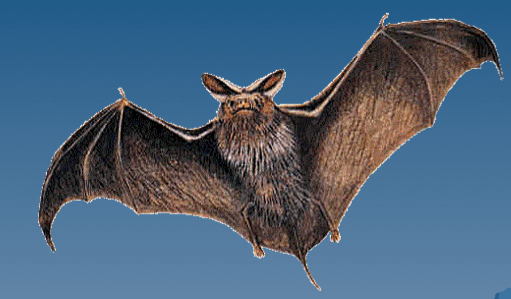
I have fur and I can fly. I feed my young on milk, and have live births. What am I?
Reptile
Bird
Mammal
Fish
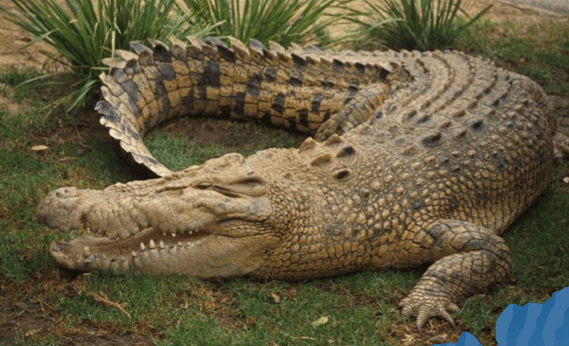
Mammals are covered with...
scales
a hard shell
smooth, moist skin
None of the above
Animals that begin their life in the water and later live on land are called...
Birds
Amphibians
Mammals
Reptiles
Select all the ways birds and mammals are alike?
mothers take care of their babies
both are warm blooded
both have hollow bones to fly
both are vertebrates
How are amphibians and reptiles alike
both are cold blooded
both have scaly skin
both lay eggs
both have backbones
What word means body temperature changes when the outside temperature changes?
piokilothermic
homeothermic
classify
vertebrate
What word means body temperature stays the same no matter what the outside temperature is?
poikilothermic
homeothermic
classify
vertebrate

In a dichotomous key, organisms should be classified based on their
diet
habitat
observable features
sounds they make
How many options should every branch in a dichotomous key have?
1
2
3
4
Why do scientists use dichotomous keys?
To arrange organisms based on habitat
To determine evolutionary history
To identify different organisms
To analyse feeding habits

Which of the following is a centipede?


Identify leaf F
Cydonia
Magnolia
Aesculus
Fraxinus
Ilex

What feature does this dichotomous key use to identify organisms?
Number of legs
Body colour and pattern
Presence of wings
Surface features

If you were to make a dichotomous key to identify this organism, which option would NOT be used?
Presence of webbed feet
Presence of tail
Fur on the body
Ability to swim
Absence of wings

Which of the following organisms is M. erminea?
A
B
C
D
E

Based on the dichotomous key, which bird is Certhidea? (Slender = thin; stout= round)
Bird W
Bird X
Bird Y
Bird Z

Identify the plant shown
A
B
C
D

A
B
C
D

What class of vertebrates does organism T belong to?
Amphibians
Birds
Fish
Mammals

A
B
C
D

A
B
C
D

A
B
C
D

A
B
C
D

A
B
C
D

