
Font size
 Worksheets
Biochemistry Review
Total questions: 45
Worksheet time: 34mins
fatty acids and glycerol


Which macromolecule is shown?
lipid
protein
nucleic acid
carbohydrate
Sugar belongs to which class of macromolecules?
proteins
lipids
nucleic acids
carbohydrates
DNA belongs to which class of macromolecules?
proteins
nucleic acids
carbohydrates
lipids
Enzymes belong to which class of macromolecules?
lipids
carbohydrates
proteins
nucleic acids
What elements (monomers) make up a protein?
C, H, O
C, H, O, N, (S)
C, H, O, N, P
How how carbohydrates and lipids similar?
both contain C, H, O, N, P and store energy
both contain C, H, O, N and give energy
both contain C, H, O, N, S and store energy
both contain C, H, O and give energy
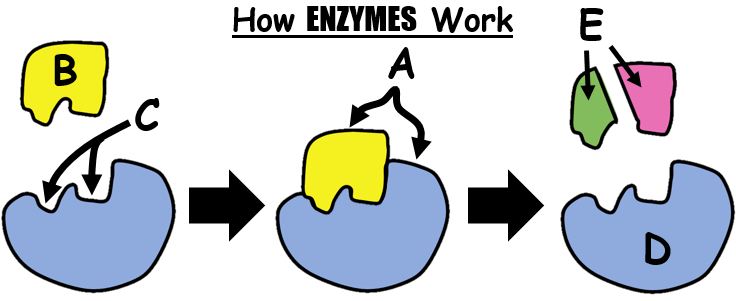
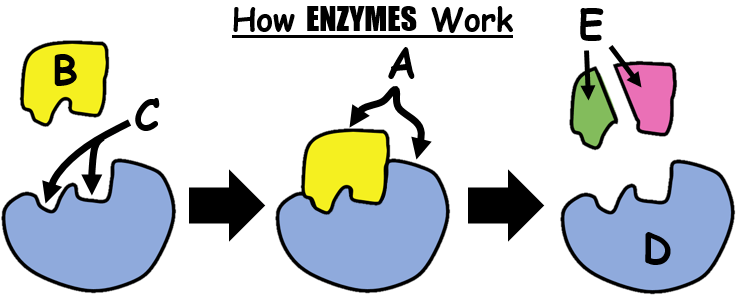
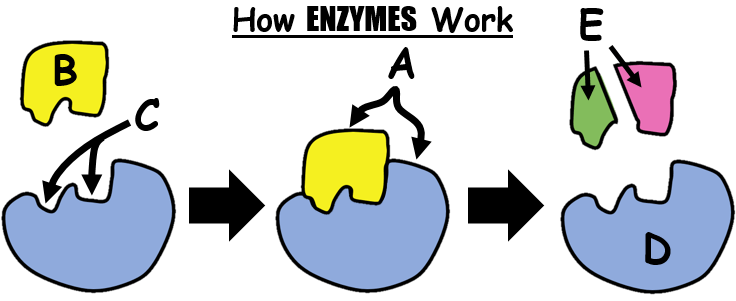
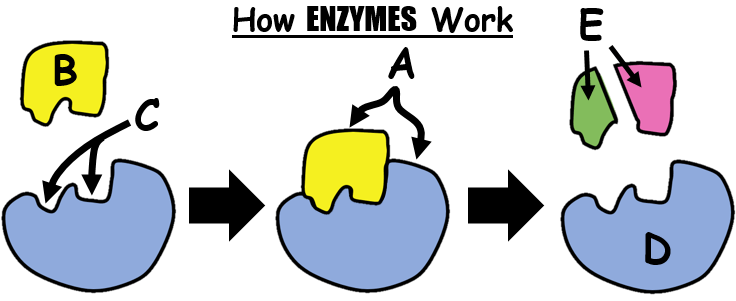
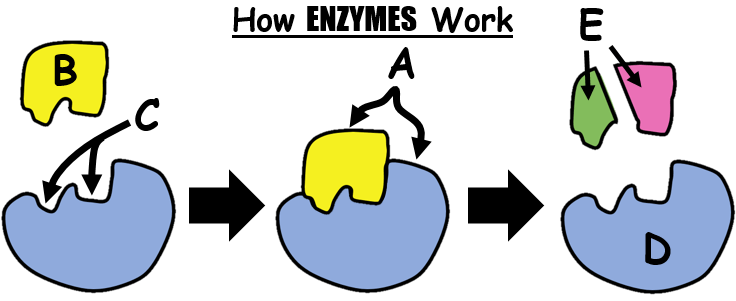
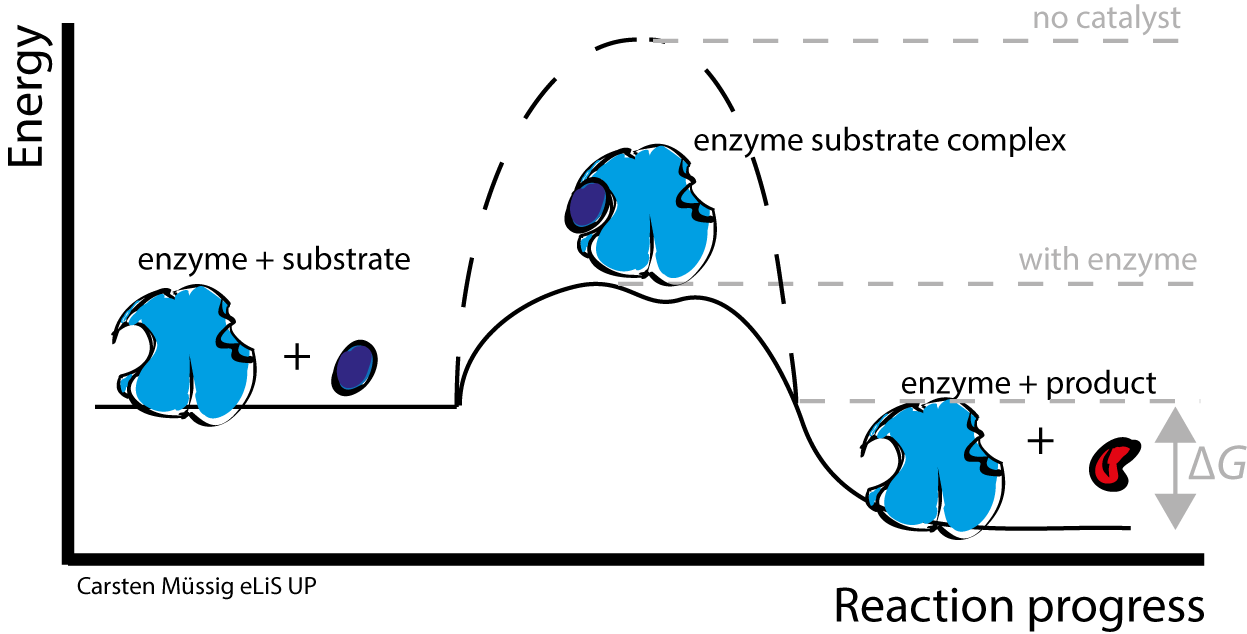
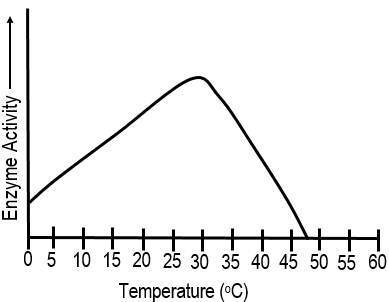
What happens when enzymes are heated to a high temperature?
The enzymes die.
The shape of the enzyme are changed and it denatures
The enzymes' amino acid sequence changes.
The enzymes remain the same
Where does the chemical reaction take place between a substrate and enzyme?


James is conducting an experiment on an enzyme commonly found in the human stomach. At a pH of 4, what could happen to this enzyme?
It would catalyze the digestion of proteins at a faster rate.
It would have no effect on its activity.
It would function at its optimum activity level.
It would possibly denature and lose function.
An enzyme and substrate can be compared to
lock and key
a faucet
a door hinge
light switch


One type of organic molecule is a MACROMOLECULE. What are the 4 types of macromolecules?
Carbohydrates
Lipids
Proteins
Sulfates
Nucleic acids
What is the smallest unit of a macromolecule?
polymer
monomer
dimer
trimer

