
 Worksheets
European Colonies in America
Total questions: 50
Worksheet time: 25mins
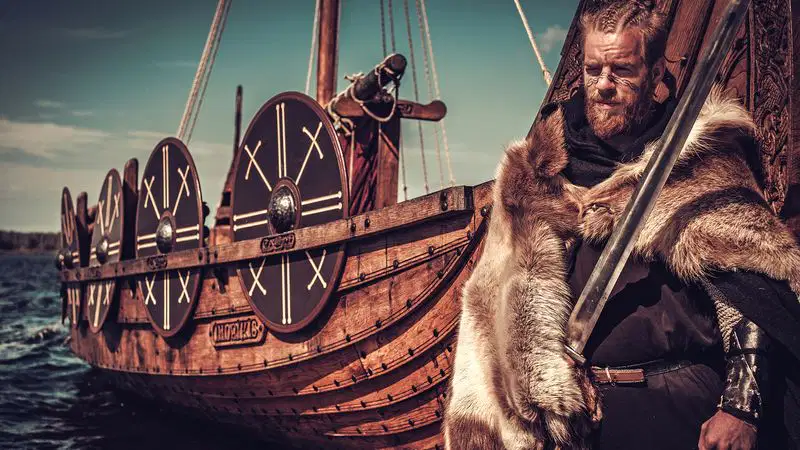
Who were the Vikings?
Native Americans who lived on the island where Columbus first landed
Sea raiders from Scandinavia who attacked the coasts of western Europe
Explorers who landed in the Americas in 1492
People who established colonies in the Americas

Who was Leif Eriksson?
An explorer whose landings in the Americas led to colonization
A Viking who probably landed on the coast of Canada in about 1000
A Native American who lived on the island where Columbus first landed
A person who started the process of colonization

What did Christopher Columbus believe he could achieve by sailing west?
He thought he could get to India
He thought he could find new colonies
He thought he could reach Africa
He thought he could find the Vikings
Who were the Tainos?
Sea raiders from Scandinavia
Native Americans who lived on the island where Columbus first landed
Explorers who landed in the Americas in 1492
People who established colonies in the Americas
Why did Columbus call the Tainos 'Indians'?
Because he believed he was in the Indies
Because they were from India
Because they were friendly
Because they lived in thatched houses
What was the impact of Columbus's trips on Native Americans?
They formed alliances with Europeans.
They were enslaved and forced to work in mines.
They were given new lands to settle.
They were unaffected by the Europeans.
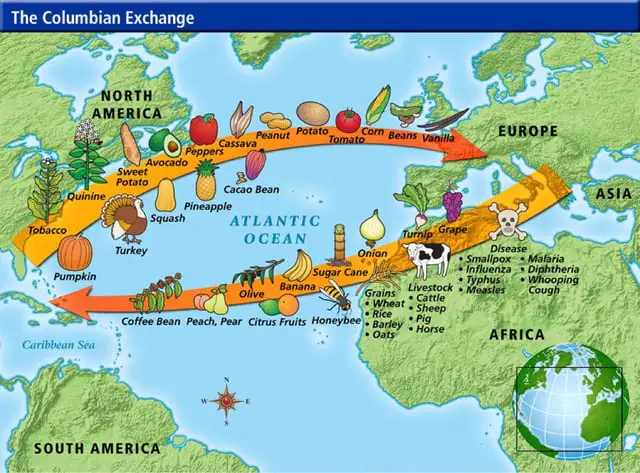
What was the Columbian Exchange?
A trade route between Europe and Asia.
A series of battles between Europeans and Native Americans.
An exchange of goods, animals, and diseases between Europe and the Americas.
A treaty signed by Columbus and Native American leaders.
Which of the following was NOT brought to Europe from the Americas during the Columbian Exchange?
Corn
Squash
Horses
Peanuts
What diseases did Europeans spread among Native Americans?
Malaria and tuberculosis
Smallpox and measles
Influenza and cholera
Typhoid and yellow fever
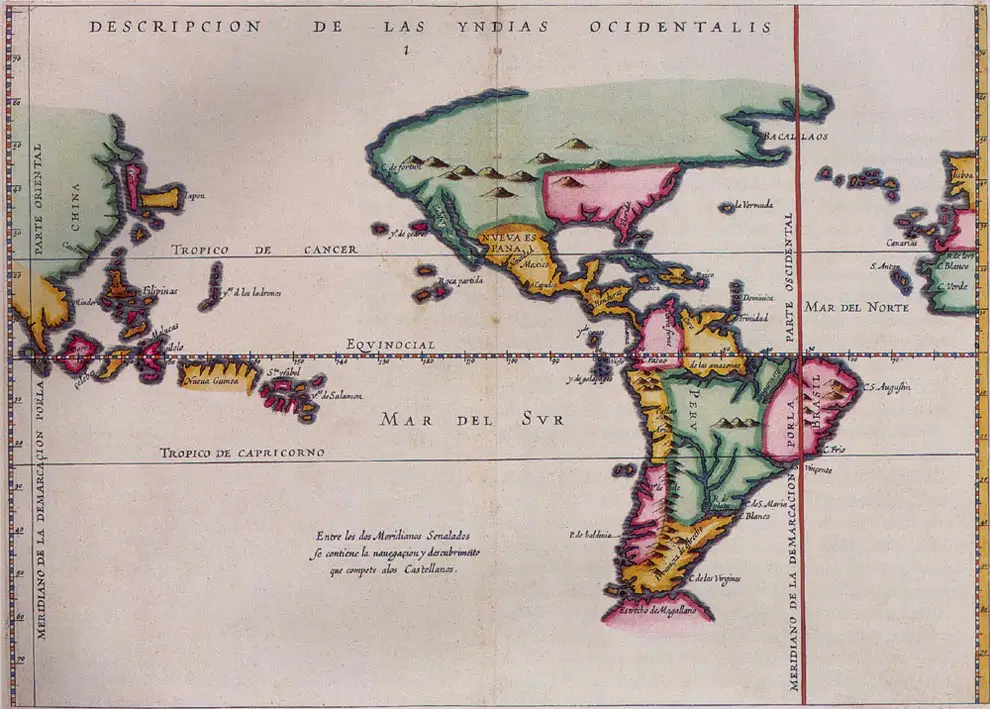
What was the Treaty of Tordesillas?
An agreement dividing the New World between Spain and Portugal
A treaty between England and France
A peace agreement between Spain and the Aztecs
A trade agreement between Spain and Holland
Which countries did not accept the Treaty of Tordesillas?
Spain, Portugal, and France
England, France, and Holland
Spain, England, and Holland
Portugal, France, and Holland
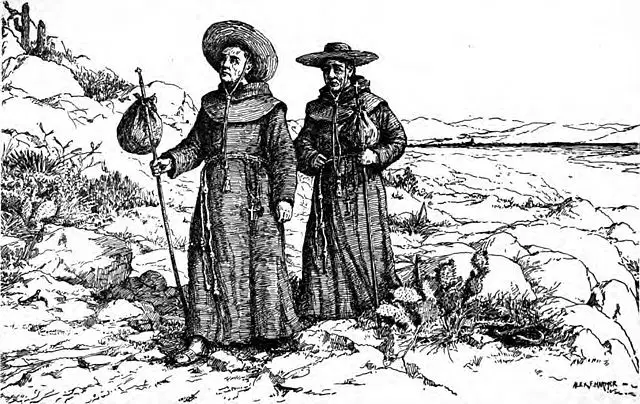
Who were the church members sent by Spain to teach and convert others to Christianity?
Missionaries
Explorers
Soldiers
Merchants
Which groups did the Spanish colonists first use as workers on the land?
Native Americans and Africans
Europeans and Asians
Australians and Europeans
Africans and Asians
What did the French find rich in the area they explored in the New World?
Furs and fish
Gold and silver
Spices and silk
Diamonds and pearls

Who was the leader of the Jamestown colony?
John Smith
John Rolfe
Powhatan
Pocahontas
What was a joint-stock company?
A company owned by a single person
A business in which people pool their money hoping to make a profit
A company that only trades stocks
A business that only operates in Virginia

Who was the Native American leader in whose territory Jamestown was settled?
John Smith
John Rolfe
Powhatan
Pocahontas

Who was the first tobacco grower in Virginia and married Pocahontas?
John Smith
John Rolfe
Powhatan
An indentured servant
What was the House of Burgesses?
A type of joint-stock company
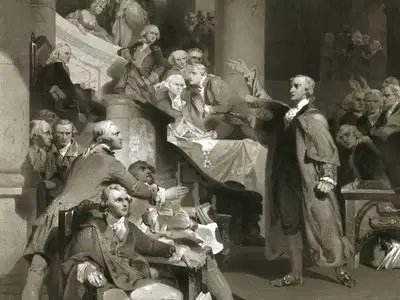
A Virginia assembly that was America’s first legislature
A group of Native American leaders
A rebellion against the English settlers

What was Bacon’s Rebellion?
A revolt that resulted from differing views on westward expansion into land reserved for Native Americans
A peaceful negotiation between settlers and Native Americans
A celebration of the first tobacco harvest
A meeting of the House of Burgesses
Where was England’s first colony in North America?
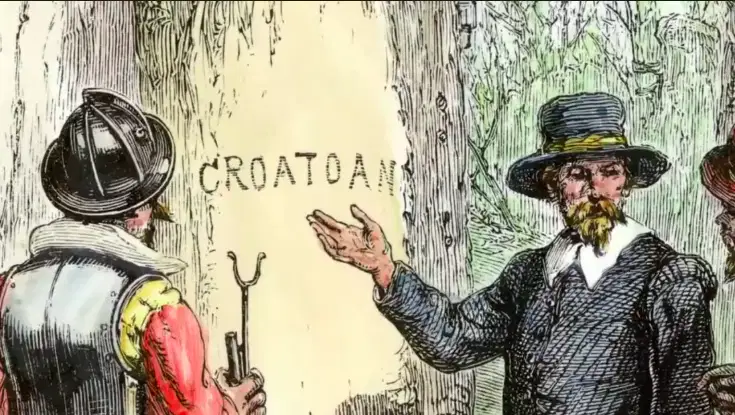
Roanoke
Jamestown
Plymouth
Virginia

What was the main issue with the site of the Jamestown colony?
It was low and swampy
It was too far from the coast
It had no access to fresh water
It was in the middle of a desert
Who helped trade for food with the Native Americans and was captured by the Powhatans?
John Rolfe
John Smith
Nathaniel Bacon
Pocahontas
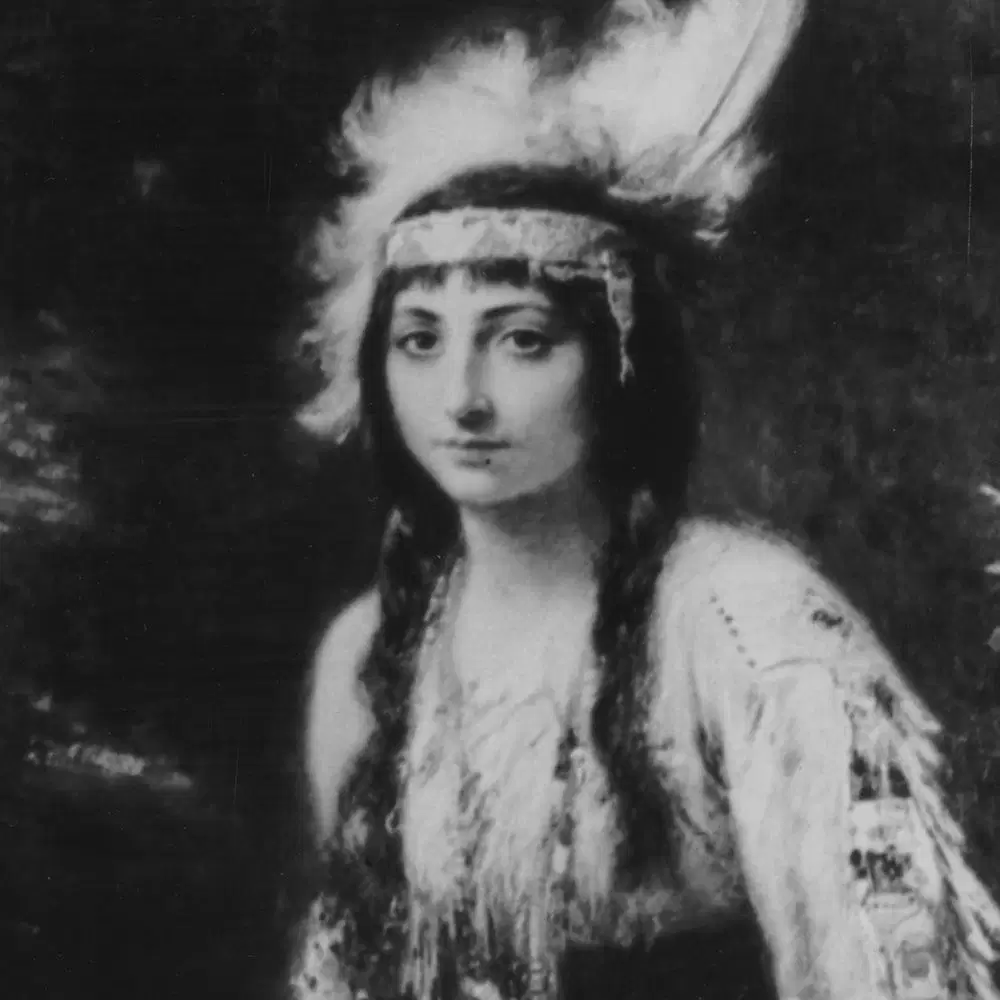
Who begged her father to save John Smith?
Pocahontas
Virginia
Headright
Indentured servant
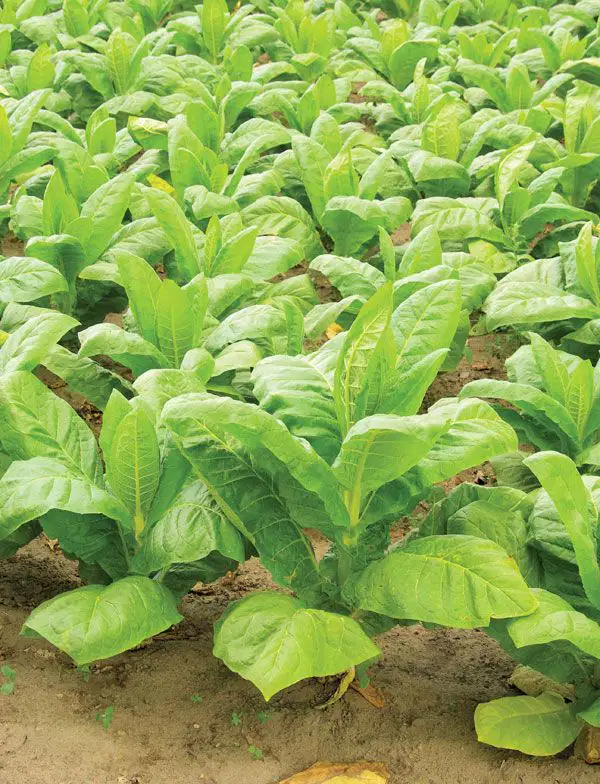
What was the first crop to make money for the Virginia colony?
Corn
Wheat
Tobacco
Cotton
What term was used for people who had to work for four to seven years in return for food, shelter, and their voyage to America?
Slaves
Indentured servants
Artisans
Headrights
In what year were the first enslaved Africans brought to the Virginia colony?
1609
1610
1619
1620

Who started Bacon's Rebellion?
John Smith
John Rolfe
Nathaniel Bacon
Powhatan

Who were the people that wanted to "purify" or reform the Church of England?
Pilgrims
Puritans
Quakers
Catholics

Who was the leader of the Pilgrims who sailed on the Mayflower?
John Winthrop
Roger Williams
William Bradford
Anne Hutchinson
What was the Mayflower Compact?
A treaty with Native Americans
A set of rules the Pilgrims wrote to keep order in the new settlement
A map of the New World
A list of supplies for the journey
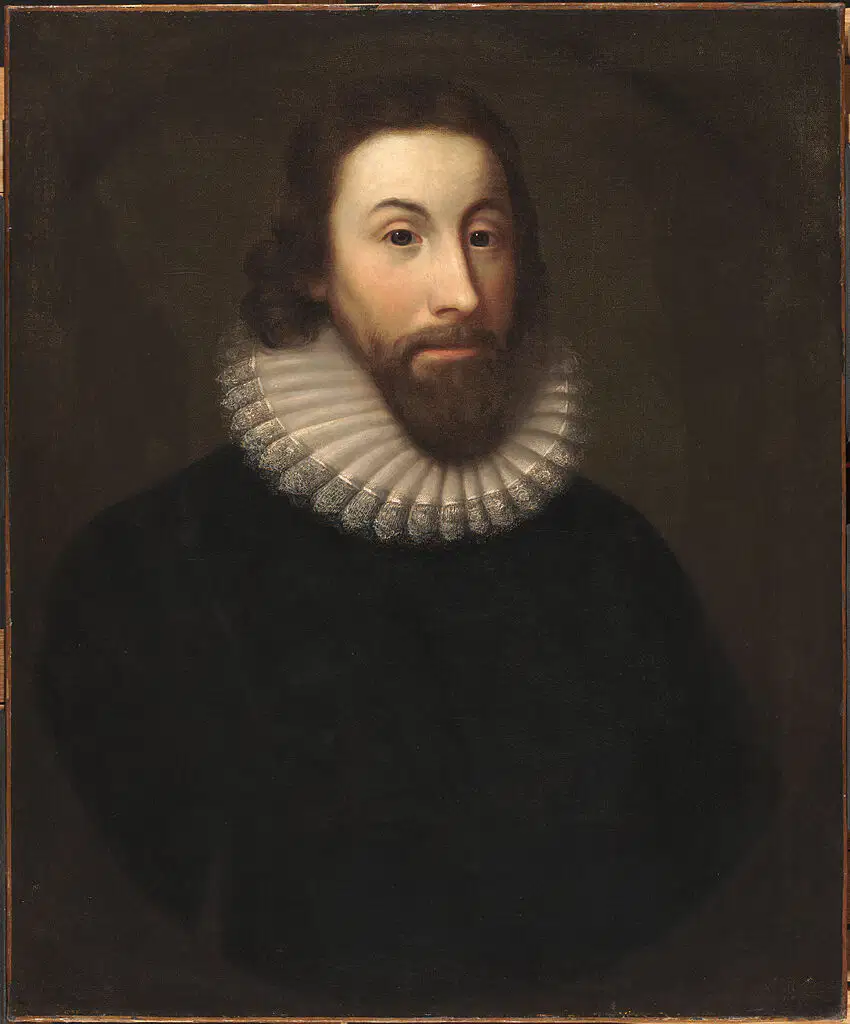
Who was the leader of the Massachusetts Bay Colony?
William Bradford
John Winthrop
Roger Williams
King Philip
What was the Great Migration?
The movement of 20,000 English people to New England between 1620 and 1643
The journey of the Pilgrims on the Mayflower
The conflict between Native Americans and settlers
The establishment of the Plymouth Colony

Who started the settlement of Providence?
William Bradford
John Winthrop
Roger Williams
Anne Hutchinson

Who was thrown out of Massachusetts for saying people could be spiritual without the help of ministers?
William Bradford
John Winthrop
Roger Williams
Anne Hutchinson
What was the Pequot War?
A conflict over land and trade in the Connecticut River Valley in 1637
A conflict between Native Americans and settlers in 1675
The journey of the Pilgrims on the Mayflower
The establishment of the Plymouth Colony
What was King Philip's War?
A conflict over land and trade in the Connecticut River Valley in 1637
A conflict between Native Americans and settlers in 1675
The journey of the Pilgrims on the Mayflower
The establishment of the Plymouth Colony
What did Roger Williams believe about the relationship between church and state?
A) Church and state should be united.
B) Church and state should be separate.
C) The state should control the church.
D) The church should control the state.
What were the colonies under the direct control of the king known as in the late 1600s?
A) Independent colonies
B) Charter colonies
C) Royal colonies
D) Proprietary colonies

What was the outcome of the Pequot War?
A) The Pequot people won and took control of the land.
B) The Pequot people were massacred.
C) The Pequot people formed an alliance with the settlers.
D) The Pequot people were relocated peacefully.

What was the result of King Philip's War for the Native Americans in southern New England?
A) They formed a strong alliance with the settlers.
B) They were able to keep their land.
C) Most of them were killed, and the area was left open to white settlers.
D) They were given new land by the settlers.
What was the period called when Charles II was invited to be king of England in 1660?
The Enlightenment
The Restoration
The Reformation
The Renaissance
What were proprietary colonies?
Colonies owned by the king
Colonies ruled by the church
Colonies granted to loyal friends of the king
Colonies that were independent

Which religious group believed in equality of men and women and direct, personal communication with God?
Catholics
Puritans
Quakers
Anglicans

Who started the colony of Pennsylvania?
James Oglethorpe
William Penn
Lord Baltimore
Charles II
What law passed by the Maryland colonial assembly gave all Christians the right to practice their religion?
The Restoration Act
The Proprietary Act
The Toleration Act
The Freedom Act
What was the southern part of Carolina known for?
Mining
Large plantations and important crops like rice and indigo
Shipbuilding
Fishing
Who established the colony of Georgia?
William Penn
Lord Baltimore
James Oglethorpe
Duke of York
What was the main reason for establishing the colony of Georgia?
To create a buffer between Spanish Florida and the Carolinas
To provide a place for English Catholics
To establish a representative assembly
To promote the equality of all men and women
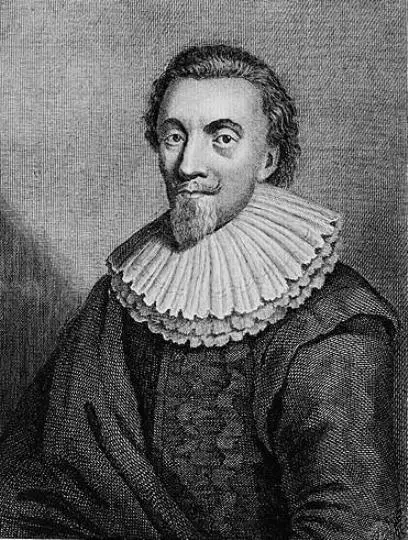
Who asked for a grant for land in the Chesapeake Bay area and named the colony Maryland?
James Oglethorpe
William Penn
Lord Baltimore
Duke of York

