
 Worksheets
Knife Safety and Kitchen Practices Quiz
Total questions: 51
Worksheet time: 33mins
What should you avoid doing with a knife after chopping?
Leaving it in the sink
Cleaning it immediately
Drying it thoroughly
Putting it away
How should you treat your knives to keep them in good condition?
Leave them dirty
Clean and put them away immediately after use
Use them without cleaning
Store them wet
What is the recommended way to walk with a knife in a busy kitchen?
Pointed toward the floor
Pointed toward fellow cooks
Held above your head
Held behind your back
What is cross-contamination?
Mixing different types of food
Transfer of bacteria from two different raw foods
Cooking food at high temperatures
Using the same cutting board for all foods
How can you minimize the risk of cross-contamination?
Use the same cutting board for all foods
Wash and dry your cutting board and knife with soap and water between cutting different foods
Leave your cutting board dirty
Use only one knife for all foods
Why is it important to keep the edges of the plate clean and add colorful garnishes?
It makes the dish look nice
It makes the food taste better
It helps in cooking faster
It keeps the food warm
What should you do immediately after using a knife to keep it in tiptop condition?
Leave it on the counter
Clean it with soap and a washcloth or sponge
Store it without cleaning
Use it again without washing
What should you do if you walk behind someone with a knife in a busy kitchen?
Stay silent
Tell them you have a knife
Point the knife toward them
Walk faster
What is one of the dangers of leaving a knife in the sink or on the cutting board?
It could get lost
It could cut someone
It could get dirty
It could get wet
What should you do to your cutting board and knife to avoid cross-contamination?
Leave them dirty
Wash and dry them with soap and water
Use them for all types of food without cleaning
Store them together
Which one IS NOT a step to washing your hands?
Wet your hands
Apply soap
Touch the door knob with your hands
Rinse your hands
Dry your hands with a paper towel
How long should the entire process for washing hands take ?
60 seconds
30 seconds
10 seconds
20 seconds
When should you wash your hands with soap and water ?
When they are visibly dirty
After using the toilet
Before and after eating
All of the above
Why do we wash our hands ?
to give them exercise
to make them smell nice
to get rid of the germs
to get dirty
What are the 3 things you need to properly wash your hands ?
a sink, your apron, paper towel
dirty towel, soap, water
soap, warm water, and a single-use towel
water, a sink, germs


You should wash your hands before going in the kitchen.
true
false
Which of the following ways is NOT a safe way to defrost raw meat?
in the microwave
on the counter top
in the sink with cold water
in the refrigerator

The transfer of harmful bacteria from one food to another is called _____________ ______________________.
cross contamination
foodborne illness
contaminated food
yuck, gross!
What does the A in the PASS method of fire extinguisher use stand for?
Aim at the base of the fire
Ask for Help
Aim at the top of the fire
Ask for permission to use the extinguisher
What does the P in the PASS method of fire extinguisher use stand for?
Pull Off of Wall
Point at Fire
Pull the Pin
Pray
What does the A in the PASS method of fire extinguisher use stand for?
Aim at the base of the fire
Ask for Help
Aim at the top of the fire
Ask for permission to use the extinguisher
What does the first S in the PASS method of fire extinguisher use stand for?
Shout for help
Sweep across the width of the fire
Stand Back
Squeeze the Handle
What does the second S in the PASS method of fire extinguisher use stand for?
Shout for Help
Sweep across the width of the fire
Stand Back
Squeeze the handle
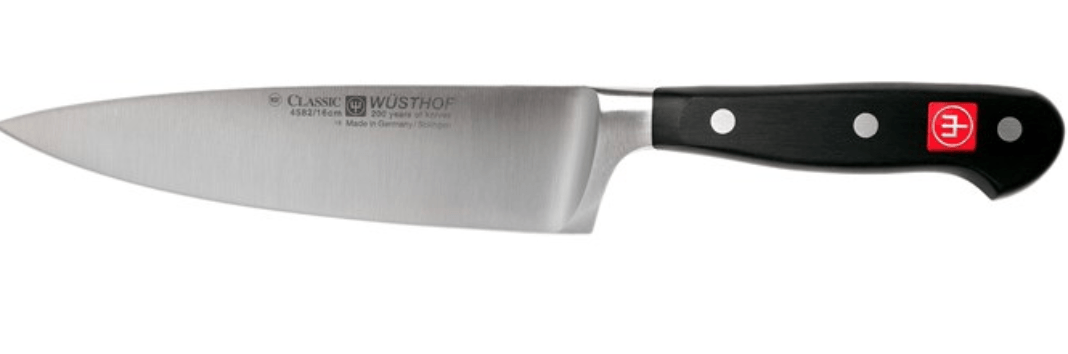
Chef's Knives are mostly used for..
slicing tomatoes and soft foods
Chopping, Dicing, and mincing
Small items like fruits and vegetables
removing bones from fish
A _____ knife is a safe knife.
Dull
Small
Large
Sharp
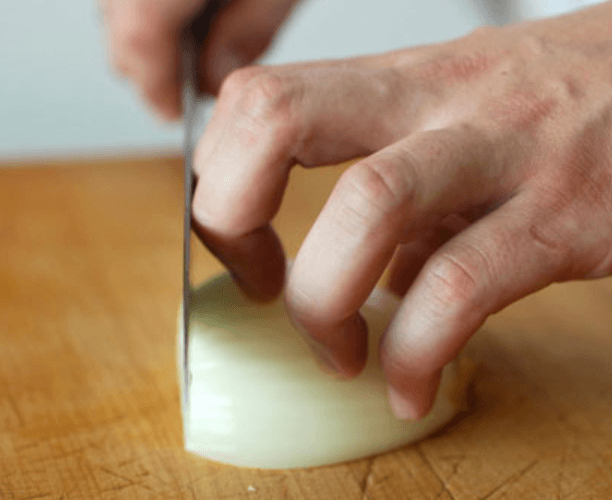
use the _________ technique to protect fingers while cutting foods.
Claw grip
flat fingers
Nuckle grip
Palm grip
What should be placed underneath a cutting board to prevent it from slipping?
Damp towel
Dry paper towel
tape
Dry cloth towel
When using a knife, cut ______ from yourself.
Away
Toward
You should wash your hands before going in the kitchen.
true
false
The proper way to open an oven is...
To stand in the front of it and open the door
To stand to the side and open the door
It makes no difference where you stand
When cooking on the stove top...
Always stay in the kitchen
It is OK to set a timer and come back when the timer tells you the food is done
What should you do when a frying pan of food catches on fire?
Pour water onto the flames
Grab the pan and run outside with it
Throw it on the floor and stomp out the flames
Carefully cover the pan with a lid and turn off the burner
The best place for pan handles is sticking out over the front of the stove where you can easily reach them.
False
True
Is it a good idea to leave drawers and doors to the kitchen cabinets open while you are cooking so it is easy and fast to find things?
No
Yes
Is it a good idea to plug in appliances with wet hands?
Yes
No
When you suffer a slight burn, you should...
Run it under cold water
Run it under warm water
Put ice on it
Put butter on it
To avoid being scalded by steam, make sure to lift the lid...
away from you
toward you
When removing hot foods from the oven...
Make sure to have a cooling rack, hot pad or cool stove top near you to avoid bumping into others
Use oven mitts or pot holders
Never reach into the oven, instead pull out the rack first
All of these answers
Do you touch ready-to-eat food with your bare hands?
Yes
No
Maybe
Do you reuse gloves?
Yes
No
Maybe
What do you do before putting on your gloves?
Complete the food prep.
Use hand sanitizer
Put your gloves in your hand
Wash your hands
What is true about single use glove?
Use the correct size glove
Blow into your glove when putting them on
Wash your gloves when they become dirty
Change your gloves when they become dirty or torn
Change your gloves after handling raw meat and before handling ready-to -eat - food
After which activity must food handlers wash their hands?
Clearing tables
Putting on gloves
Serving customers
Applying hand antiseptic
What is the minimum time your should scrub with soap?
5 seconds
10 seconds
20 seconds
40 seconds

