
 Worksheets
science 1 Stidham
Total questions: 40
Worksheet time: 24mins

A mixture that has visually distinguishable components
homogenous mixture
elemental mixture
heterogeneous mixture
compound mixture

A mixture that appears uniform throughout
homogenous mixture
heterogenous mixture
elemental mixture
compound mixture
What 2 types of matter are pure substances?
elements and compounds
elements and mixtures
mixtures and compounds
atoms and elements

Which form of matter is represented by single argon atoms?
Element
Compound
Mixture
Colloid

Which state of matter is represented by the double oxygen atoms?
Element
Compound
Mixture
Solution

Which form of matter is represented in the image?
element
compound
mixture
solution

Which form of matter is represented by the joined carbon and oxygen atoms?
element
compound
mixture
colloid

The atoms of different elements can join together to form
elements
compounds
mixtures

A substance made from one type of atom. It cannot be changed into anything simpler
element
compound
mixture

consists of 2 or more of the same atoms joined together
elements
compounds
mixtures
molecule

A combination of elements and compounds
elements
compounds
mixture
molecules

This substance represents....
an atom
an element
a compound
a mixture

This substance represents....
an atom
a compound
a mixture
a molecule

This substance represents
a mixture of elements
elements
a mixture of molecules
compounds

This substance represents
a mixture of elements
a mixture of compounds
a mixture of molecules

This substance represents
a mixture of molecules and elements
a mixture of particles and compounds
a mixture of elements and compounds
a mixture of gasses and liquids

Which type of mixture is represented in this image?
(Think: Are the particles spread out evenly throughout, or are the particles chunked together?)
Compound mixture
Heterogeneous mixture
Homogeneous mixture
Elemental mixture

Which type of mixture is represented in this image?
(Think: Are the particles spread out evenly throughout, or are the particles chunked together?)
Homogeneous mixture
Elemental mixture
Heterogeneous mixture
Compound mixture
Which is an example of a heterogenous mixture?
Lucky Charms cereal
cranberry juice
brass metal
salt dissolved in water
Which is an example of a homogenous mixture?
Lucky Charms cereal
salt dissolved in water
orange juice with LOTS of pulp
trail mix
Attraction between water molecules is known as (a) .
Surface tension is the property of water in which...
water molecules at the surface tend to stick together.
water spills easily.
water tends to be see-through.
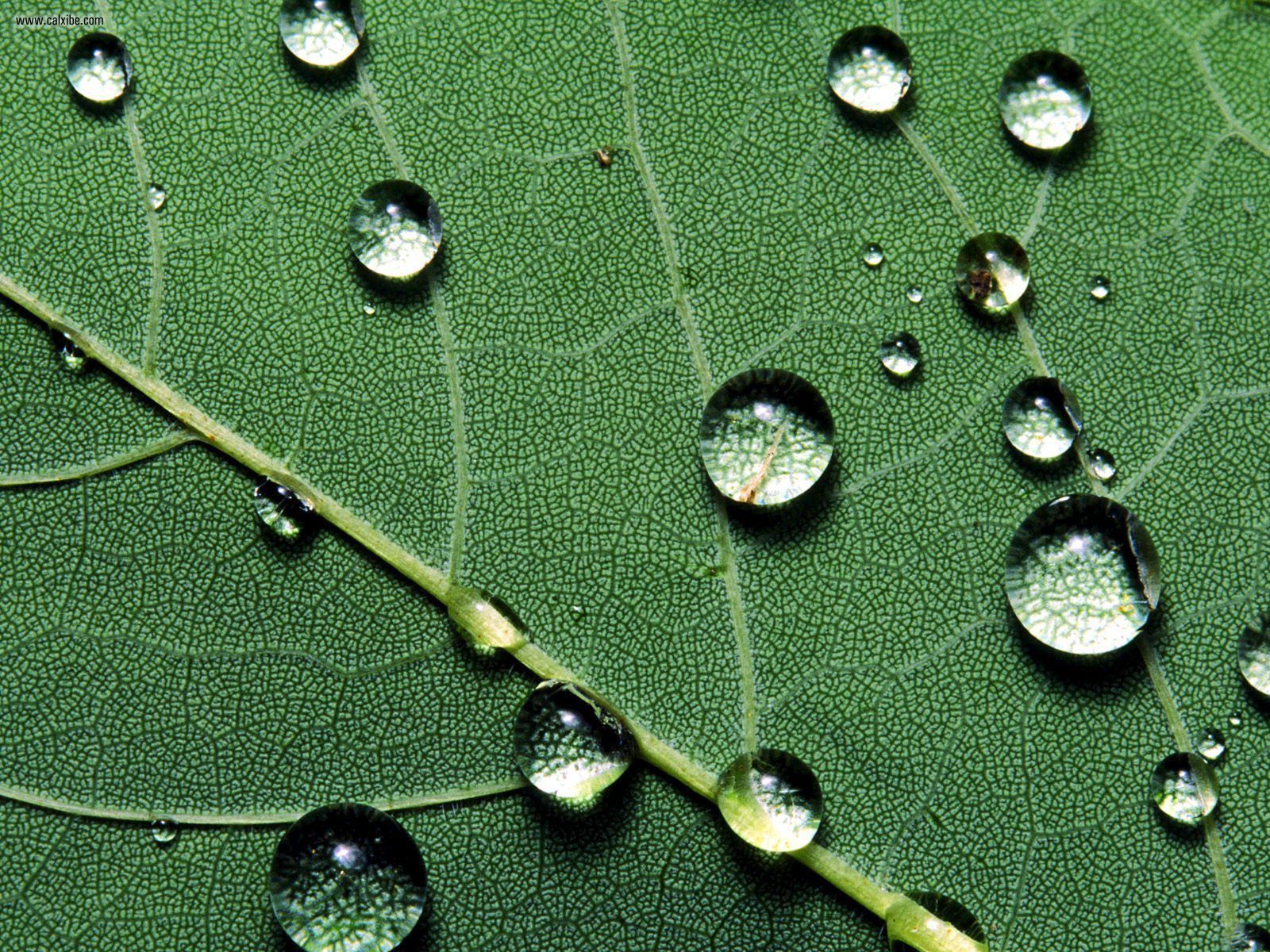
Refer to the picture of water sticking to a leaf; this is occurring because of:
Adhesion
Cohesion
Compound
Surface Tension
Describe COHESION.
Water molecules attracted to other substances.
Water molecules climbing upwards against the force of gravity.
Water molecules dissolving many substances because of its polarity.
Water molecules attracted to other water molecules.


Water's ability to stick to glass is
adhesion
cohesion
surface tention
capillary action
Which of the following is an example of COHESION?
water sticking to water
water sticking to glass
oil sticking to plastic
hydrogen sticking to oxygen
What is the correct chemical formula for water?
H2O
HO2
H2O2
2H1O
Water sticks well to many materials. What term relates to this property of water?
cohesion
adhesion
density
surface tension

A water strider can skate along the top of a pond because:
covalent bonds result in water adhesion (surface tension)
cohesion allows strong hydrogen bonds in water to form below the surface (surface tension)
water striders have adapted to take advantage of water cohesion
water striders are afraid of water and avoid it
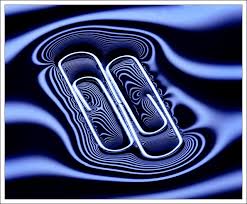
Water sticking to the paper clips is called -
cohesion
(a) is water droplets sticking to each other. (b) is water droplets sticking to other surfaces.
Water has good __________ which can be seen when insects and leaves are able to sit on top of water.
synergistic effects
balance
surface tension
photosynthesis
Surface tension is only found in
solids
liquids
gases
plastics
What types of objects are supported by surface tension in water?
small objects
large objects
fast objects
no objects will be supported

