
 Worksheets
Astro 150 F 24 Trivia 1
Total questions: 18
Worksheet time: 12mins

What does an Astronomical Unit (a.u.) measure?
The distance light travels in a year
The mean distance between Earth and Moon
The mean distance between Earth and Sun
About 10,000 Kilometers

From smallest to largest size, which is the correct order?
Solar System, Galaxy, Local Group, Universe
Solar System, Local Group, Galaxy, Universe
Local Group, Solar System, Galaxy, Universe
Universe, Solar System, Galaxy, Local Group
What is a light-year?
The amount of time relative to the speed of light
The distance light travels in one year
The amount of time light takes to travel from the sun to the earth
A popular character from the Toy Story movies
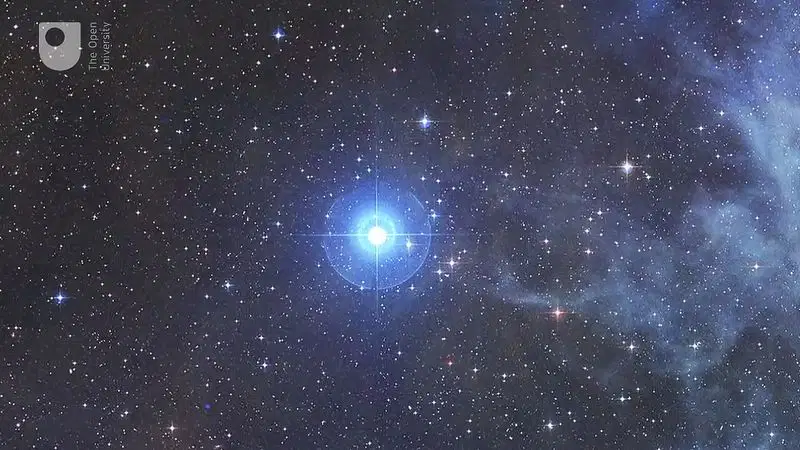
Approximately how far away is the closest star to the sun, Proxima Centauri?
5 light-years
50 light-years
500 light-years
5000 light-years

Approximately how far away is the nearest galaxy, Andromeda?
2.5 light-years
250 light-years
25,000 light-years
2.5 million light-years
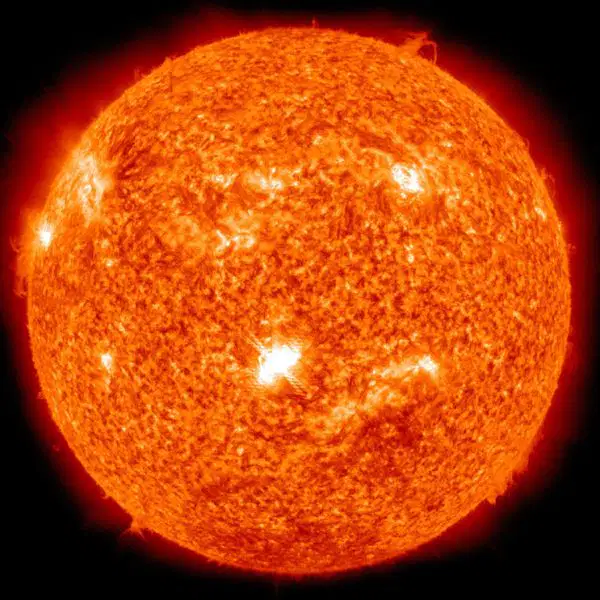
Approximately how many times larger is the Sun's diameter compared to the Earth's diameter?
100 times larger
10000 times larger
A million times larger
10 million times larger

An alien 10 billion light-years away looks in a telescope pointed towards the earth. What would the alien see?
Humans and cities
Dinosaurs
The beginning of life on earth
The alien cannot see the earth yet

Which of the following is FALSE?
The speed of light is the fastest speed in the universe
There are more stars in the universe than all the grains of sand on earth
We are very close to the center of our galaxy
The only stars we see at night are from our Milkyway galaxy

THE SUN JUST EXPLODED! What happens on earth immediately after?
The earth becomes pitch black
Nothing until 8.3 minutes
The sky lights up from the explosion
The earth is launched out of orbit

Results from a scientific experiment should be...
Free of errors
Reproducible
Found with the latest equipment
Validated by experts before publication
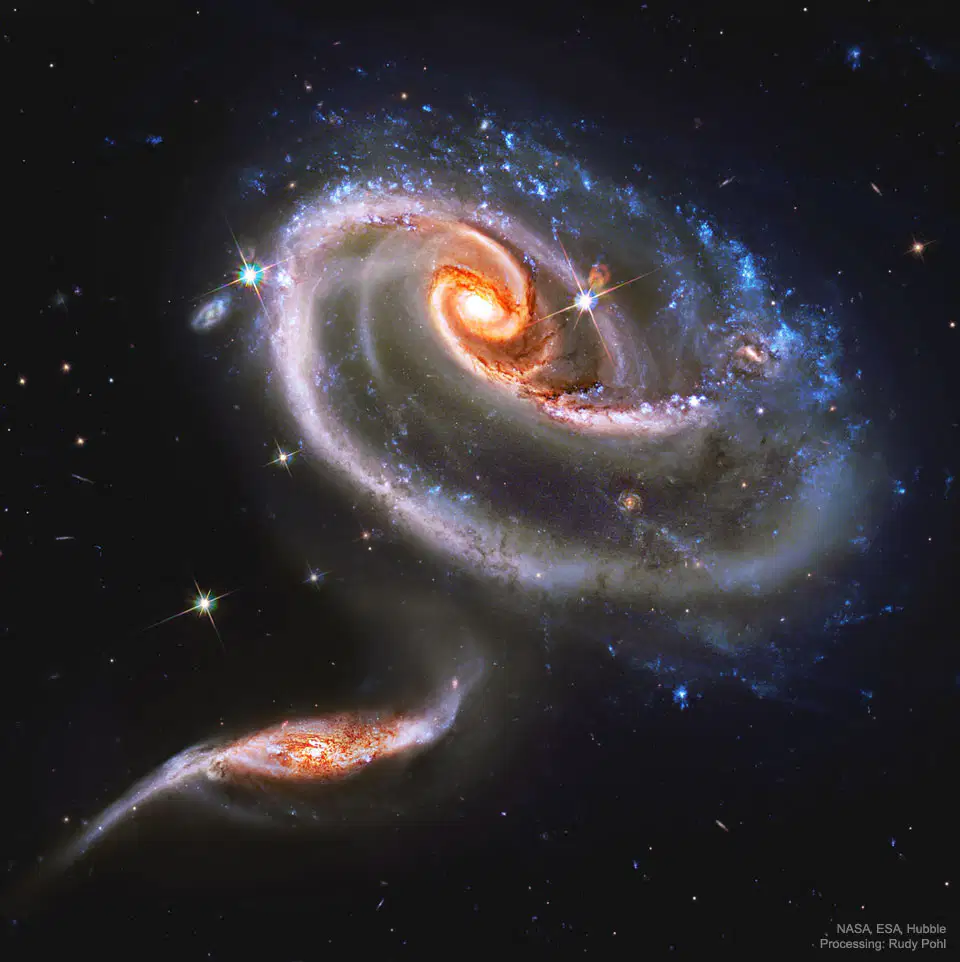
Modern science says our understanding of the Universe is driven by...
Empirical evidence
Philosophical thought
Mathematical rigor
What answer "feels right"
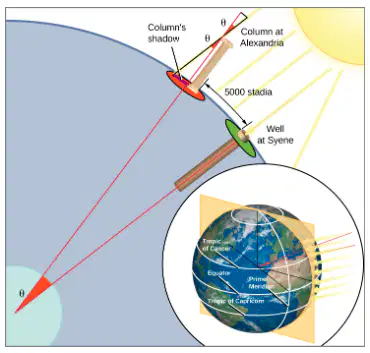
What do ancient and modern science most frequently have in common?
Use of empirical evidence
Rigorous experimentation
Experiments were only done by the well-educated
Investigating and theorizing about the natural world
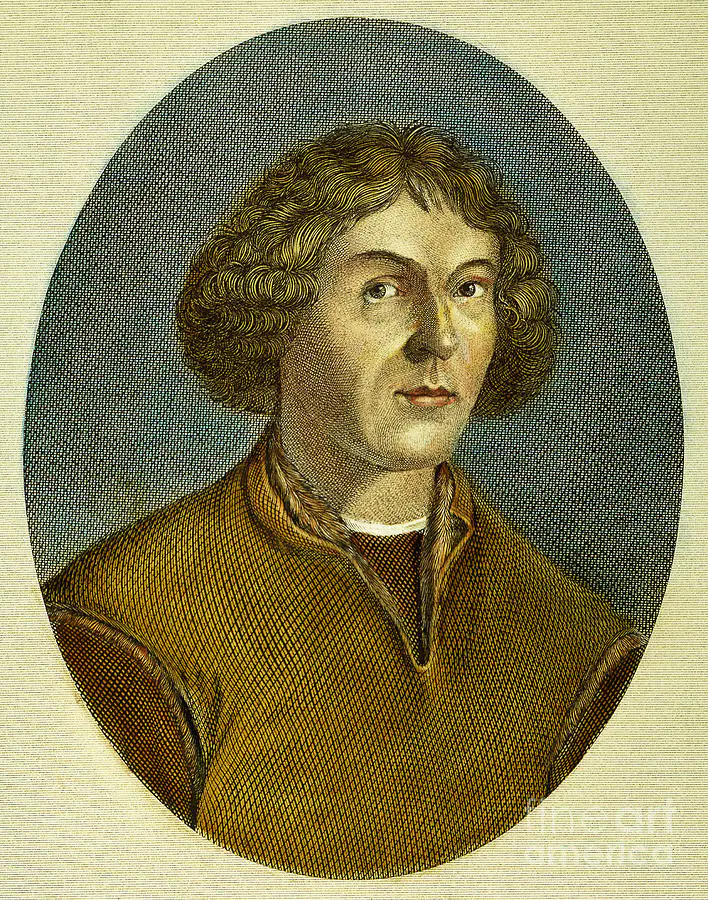
What was the Copernican Revolution?
The change in finding truth through philosophical thought to empirical evidence
A failed attempt by Copernicus to overthrow the Polish government
The change of using a geocentric solar system model to heliocentric one
A proposed change in the name of the year upon adopting a heliocentric model

What is Occam's Razor?
A favorite shaving implement of philosophers
A statement that the most rigorously determined explanation is most likely
A statement that all scientific fact must be vetted by experts
A statement that the simplest explanation is the most likely
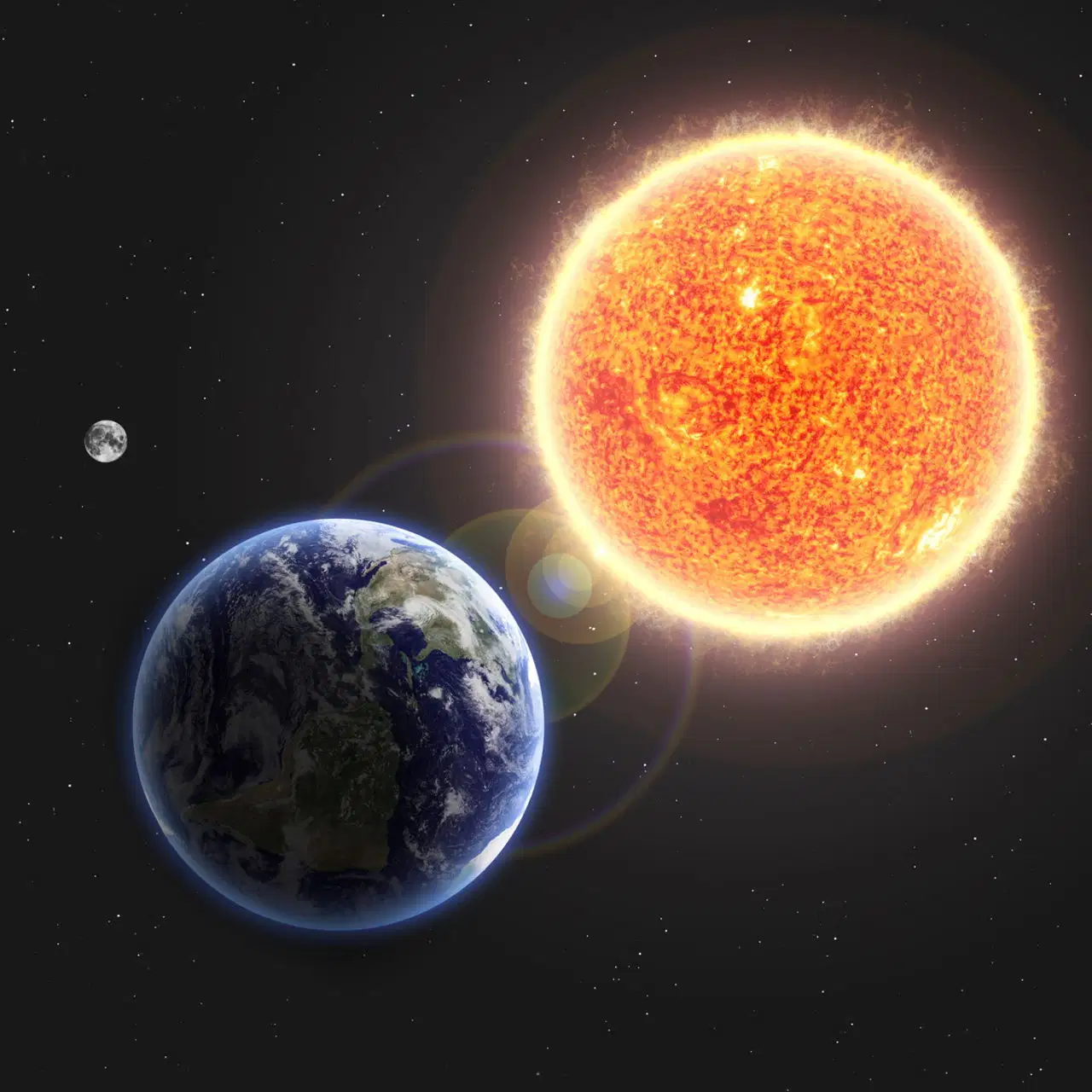
What did the Ptolemaic and Copernican solar system models have in common?
The Earth was at the center
The Sun was at the center
They both had epicycles
They both had circular orbits
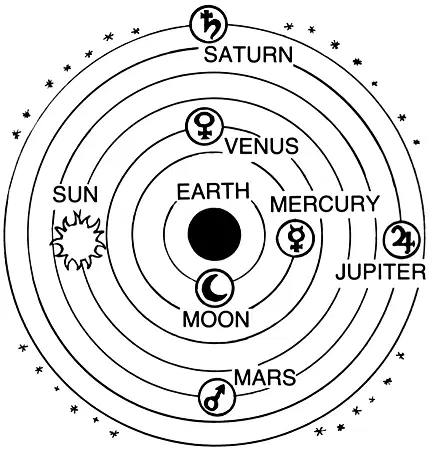
What were epicycles and why did the Ptolemaic model have them?
Occasional reverse-motion orbits; to explain retrograde loops
Occasional reverse-motion orbits; to explain why eclipses happen
Orbits upon other orbits; to explain retrograde loops
Orbits upon other orbits; to explain why eclipses happen
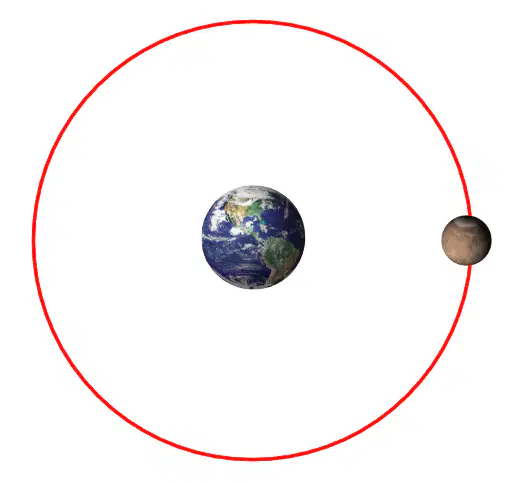
What are retrograde loops?
Orbits going the opposite direction of the rest of the solar systems' orbits
Occasional reverse-motion paths of the planets as seen on the sky
When stars look like they move in a loop rather than a line
An orbit superimposed on another orbit

A hammer and a feather dropped at the same time from the same height on the moon hit the ground at the same time, but the hammer lands first when this experiment is repeated on Earth. Why?
Gravity is stronger on Earth
The feather the astronaut used on the moon was heavy enough to fall fast
There's no air resistance on the moon
The hammer the astronaut used on the moon was light enough to fall slowly

