
 Worksheets
Honors Chemistry - Chapter 2 Matter
Total questions: 57
Worksheet time: 20mins

This diagram represents...
An element
A molecule
A compound
A mixture of elements and compounds


sharpening a pencil
physical change
chemical change
flammability of a substance
chemical property
physical property
inflating a tire
physical change
chemical change

drawing copper into a wire
physical change
physical property
chemical change
chemical property
freezing point
physical property
chemical property

corrosion of a bicycle frame (rusting)
physical change
physical property
chemical change
chemical property
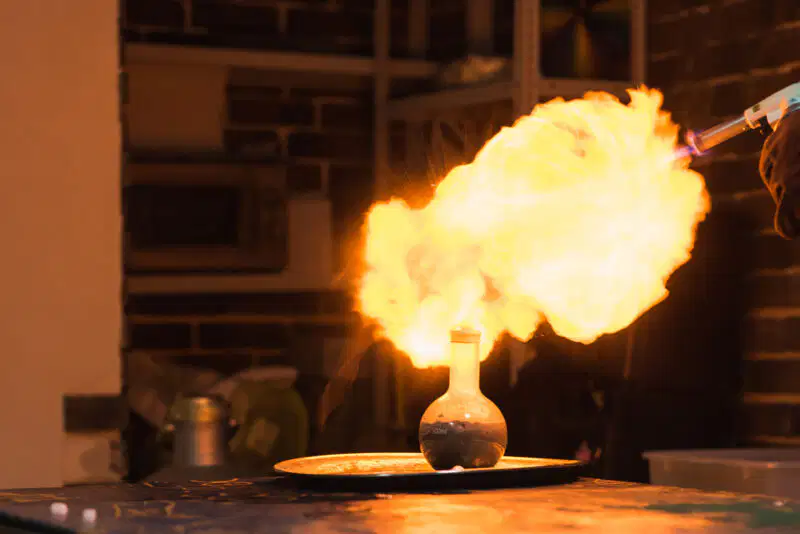
formation of water when hydrogen burns
physical change
physical property
chemical change
chemical property
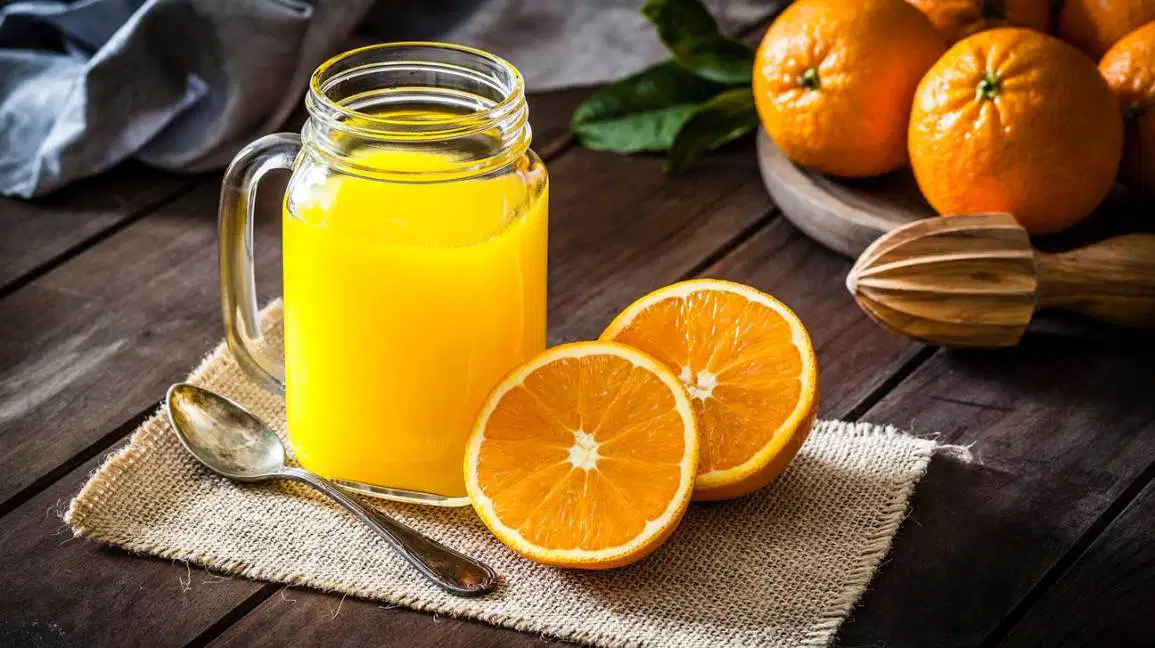
oranges squeezed to make orange juice
physical change
physical property
chemical change
chemical property
intensive property
extensive property

extensive property
intensive property
intensive property
extensive property
Simplest matter that cannot be broken down into any other kind of substance?

A property determined without changing the identity of the substance is a...
chemical property
physical property
A substance made of two or more DIFFERENT elements that cannot be separated by physical means is called a:
compound.
homogeneous mixture.
heterogeneous mixture.
multi-element.
Which of the following is true of a heterogeneous mixture?
It is not possible to separate the various parts of the mixture.
Taking one sample will enable you to determine what it is made of.
Different samples may not be exactly alike.
The density is the same throughout the entire mixture.
All of the following states of matter may flow EXCEPT:
plasma.
solid.
liquid.
gas.
Which one of the following is a TRUE statement?
In the gas state, molecules move around freely.
Liquids do not change shape easily.
Gas molecules move more slowly as they are heated.
Plasma is the most common state of matter found on Earth.

This picture shows an example of
gas
plasma
liquid
solid

The picture shows an example of
gas
plasma
liquid
solid
You reacted HCl with Magnesium and you saw bubbles and it got warm. The magnesium "disappeared". What happened?
The magnesium was destroyed
The elements that reacted were rearranged into new molecules
You broke the law of conservation of mass
You created new atoms
Which state of matter has a fixed shape and volume and it's molecules only vibrate in place?
The colour of plant leaves is due to a mixture of pigments.
Which method is used to separate these pigments?
filtration
evaporation
distillation
chromatography

Which method(s) below is suitable to obtain salt from a salt solution? (assume we don't want the water)
use chromatography
dissolving the salt in more water
filter the salt out
evaporate the water and crystalize the salt

Muddy water is filtered using filter paper and filter funnel. The mud stays on the filter paper.
Why does the mud stay on the filter paper?
The mud reacts with the filter paper.
The particles of mud are too large to pass through the holes in the filter paper.
The particles of the water stop the mud going through.
The particles of water make the filter paper wet.
Which of these is a true statement about mixtures?
Mixtures have fixed melting points.
Components in a mixture lose their original properties.
Mixtures can be separated by physical methods.
Mixtures are substances with uniform composition.
Each component in a mixture forms new chemical bonds.


A molecule of table sugar (sucrose) may be represented as C12H22O11. What elements are present in table sugar?
Carbon, Hydrogen, Nitrogen
Carbon, Hydrogen, Oxygen
Carbon, Hydrogen, Iodine
Carbon, Hydrogen, Sulfur
How many atoms are in the compound ammonia, NH3?
(a)
What is being described in this statement, a mixture or a compound?
''The elements in it are always present in the same fixed proportion''
Mixture
Compound
Which process would be the fastest way to separate soil from water?
Filtration
Centrifugation
Magnetism
Chromatography
Separating salt from ocean water to obtain pure drinking water would best be accomplished through which process?
Evaporation
Centrifugation
Chromatography
Distillation
Which separation technique would be most effective to see what different pigments make up a black marker?
Centrifugation
Distillation
Chromatography
Magnetism

Trail mix would be an example of a
Homogeneous Mixture
Heterogeneous Mixture

Brass would be an example of a
Homogeneous Mixture
Heterogeneous Mixture

What are the products of the chemical reaction pictured?
CH4 and CO2
CH4 and O2
CO2 and H2O
O2 and H2O

A mixture that consists of multiple PHASES
solution
homogenous mixture
heterogenous mixture
compound
Homogenous mixtures are also called:
compounds
solutions
alloys
molecules
Gas differs from a vapor because:
They are the same thing
vapor is a gaseous version of a substance that is solid or liquid at that temperature
gas moves faster than vapor
Gas only exists at extremely hot temperatures
O2 and H2 are: (choose all that apply)
compounds made of molecules
mixtures
diatomic elements (elements made of 2 atoms)
molecules but not compounds
Fill in the missing number. Hint: Use the law of conservation of matter!
2.4g Mg + (a) gCl2 --> 9.5gMgCl2

