
 Worksheets
Unit 1.2 Review
Total questions: 61
Worksheet time: 31mins
Which statement identifies an important influence of ancient Greece on the founders of the American constitutional republic?
The founders adopted democratic principles
The founders based their laws on ethical ideas of justice
The founders established a representative form of government
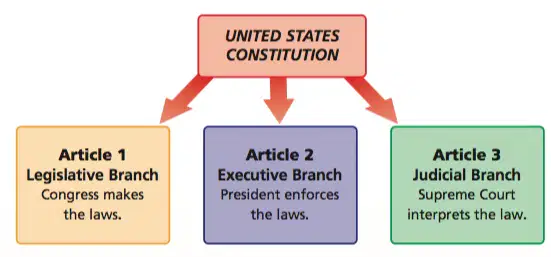
The founders created a government with separation of powers
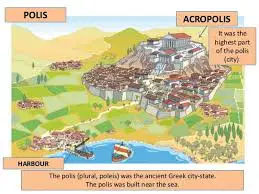
Which institution today is most similar to a polis in ancient Greece?
A federal system of government
A self-governing state
An association of independent nations
A state legislature of elected representatives
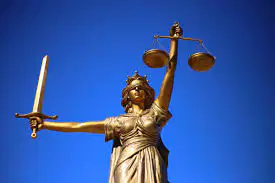
What characteristic was shared by both ancient Rome and the Judeo-Christian tradition?
Government based on majority vote
A separation of powers in government
Legislative bodies
Respect for Rule of Law

Which characteristic did the government of the city-state in Athens in ancient Greece share with the government of ancient Rome?
Republicanism
Rule of Law
Civic Participation
Representative Government

The passage below comes from the Judeo-Christian tradition. "Do not withhold good from those who deserve it, when it is in your power to act." Which ethical idea is being described?
Individual Worth
Justice
Rule of Law
Personal Responsibility

In Ancient Rome, there were two consuls, an Assembly, and judges who oversee courts. In the modern United States, there is an executive branch, a legislative branch, and a judicial branch. Which major influence does this show from Ancient Rome?
Separation of Powers
Rule of Law
Republicanism
Natural Rights
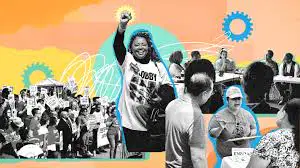
Which of the following influences from both Ancient Greece and Ancient Rome involves people being involved in their government through voting, participating in town meetings, and staying informed on issues?
Written Constitution
Separation of Powers
Civic Participation
Voting Rights
Which of the following influences from Ancient Greece involves the government having written rules that explains what it can and cannot do?
Voting Rights
Written Constitution
Polis
Rule of Law
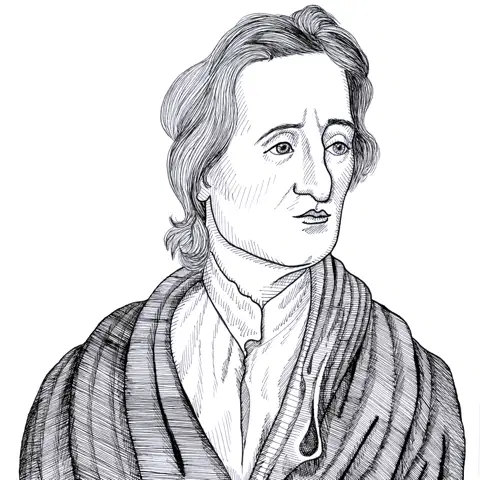
Which of the following best matches Enlightenment thinker John Locke’s concept of “natural rights?”
Freedom of religion and freedom of the press
Freedom of speech and the right to protest
Life, Liberty, and Property
Trial by jury and fair punishment
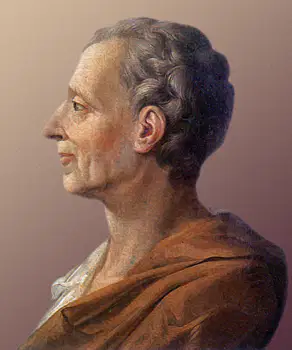
Which example best demonstrates
Montesquieu’s concept of “separation of powers”?
Natural rights are protected in the governing document
The government consists of a judicial, legislative, and executive branch
Social contract permits overthrowing an unjust government
Suffrage extends to allpersons born or naturalized in the U.S.

According to John Locke, which of the following is the main role of government?
To divide the powers of government into three separate branches
To protect the life, liberty and property (natural rights) of all citizens
To create ways the the different branches of government can check each other
To create a balanced system

Based on the following quote, which conclusion can be drawn about how Enlightenment ideas are reflected in the American government? "The state of nature has a law of nature to govern it, which obliges everyone: and reason, which is that law, teaches all mankind, who will but consult it, that being all equal and independent, no one ought to harm another in his life, health, liberty, or possessions."
the separation of government into three distinct branches
the people’s agreement to governmental authority
general protection of natural rights
the equal application of laws to all American citizens
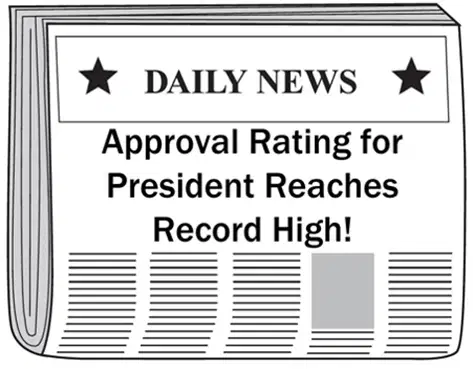
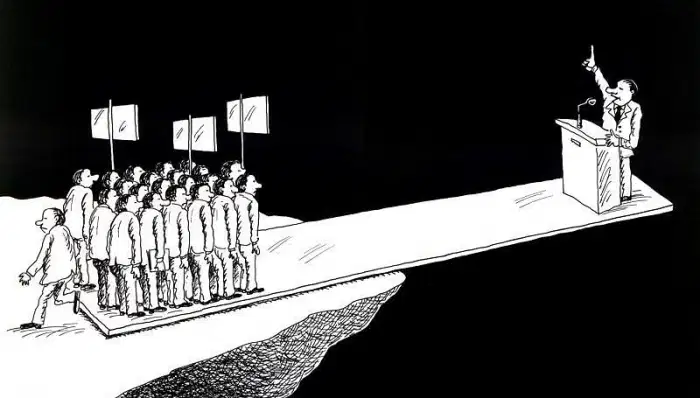
What Enlightenment idea is represented by the headline represented in the picture?
Checks and Balances
Natural Rights
Separation of Powers
Social Contract
Which example best demonstrates Montesquieu’s concept of “separation of powers?”
Natural rights are protected in the governing document
Social contract permits overthrowing an unjust government
Suffrage extends to all citizens, natural born or naturalized
The government consists of a judicial, legislative, and executive branch
Which statement from the Declaration of Independence reflects the Enlightenment ideas of natural law as expressed by Locke?
“All men… are endowed by their Creator with certain unalienable Rights, that among these are Life, Liberty and the pursuit of Happiness…”
“He has… obstruct[ed] the Laws for Naturalization of Foreigners; refusing to pass others to encourage their migrations hither…
“Mankind are more disposed to suffer, while evils are sufferable, than to right themselves by abolishing the forms to which they are accustomed.”
“The history of the present King of Great Britain is a history… having in direct object the establishment of an absolute Tyranny over these States.”
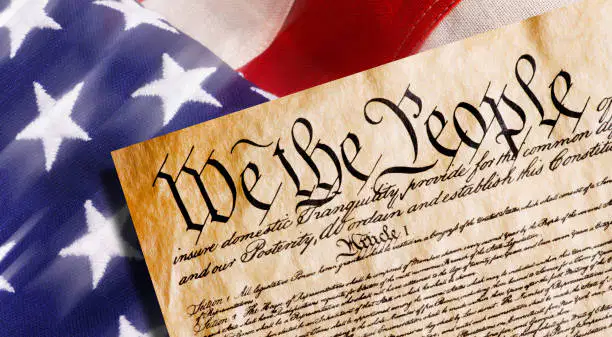
“We the People of the United States…do ordain and establish this Constitution for the United States of America.”
Natural Rights
Social Contract
Natural Law
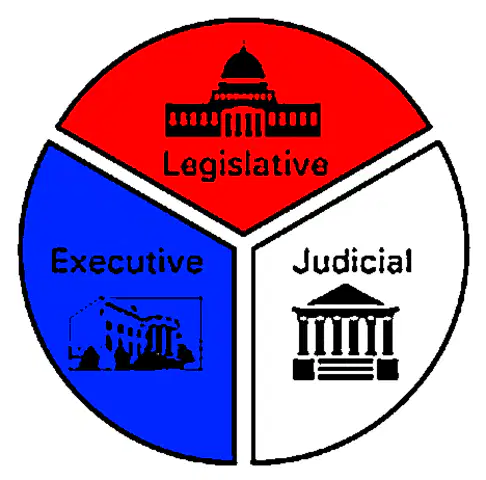
“That the legislative, executive, and judicial department shall be separate and distinct…”
Natural Rights
Separation of Powers
Natural Law
Social Contract

“We hold these truths to be self-evident, that all men are created equal, that they are endowed…with certain unalienable right that among these are Life, Liberty and the pursuit of Happiness.”
Social Contract
Natural Rights
Checks and Balances
Separation of Powers
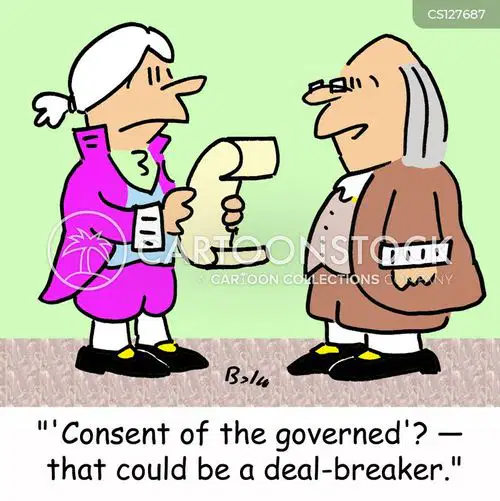
“That to secure these Rights, Governments are instituted among men, deriving their powers from the Consent of the Governed…”
Separation of Powers
Social Contract
Natural Rights
Checks and Balances
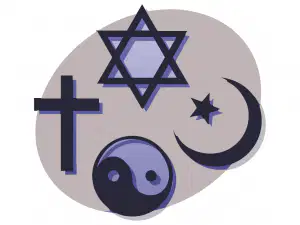
Which of the founding principles found below is based on he idea that people must be guaranteed the freedom to practice any religion.
Equality of Mankind
Due Process of Law
Religious liberty
Limited government
Which of the founding principles listed below is based on the idea that government must follow the correct legal procedures when someone is accused of a crime?
Religious liberty
Due process of law
Rule of Law
Equality of mankind
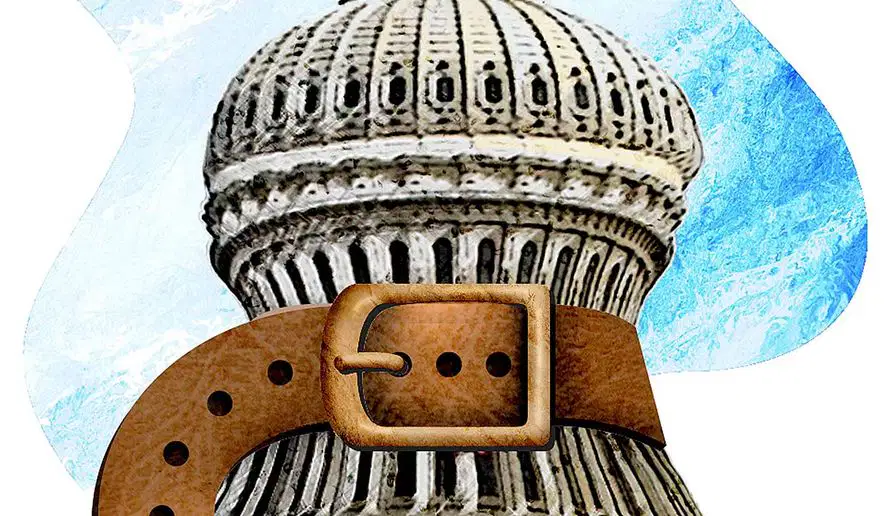
Which of the founding principles listed below is based on the idea that government should be structured in such a way that it cannot become too powerful.
Equality of mankind
Rule of Law
Limited government
Due process of law

Which two ancient cultures influenced the ideal of civic participation in the United States systems of government?
Greece and Judeo-Christian tradition
Rome and Judeo-Christian tradition
Greece and Rome
None of the abovecivic
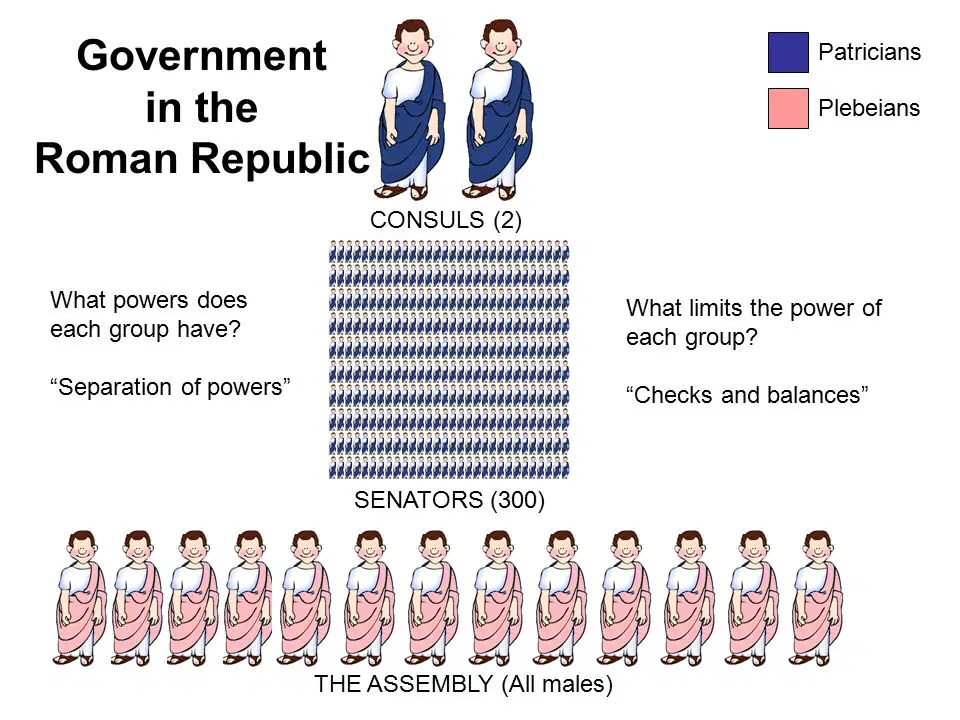
In Ancient Rome, there were two consuls, an Assembly, and judges who oversee courts. In the modern United States, there is an executive branch, a legislative branch, and a judicial branch. Which major influence does this show from Ancient Rome?
Rule of law
Civic participation
Separation of powers
Natural rights
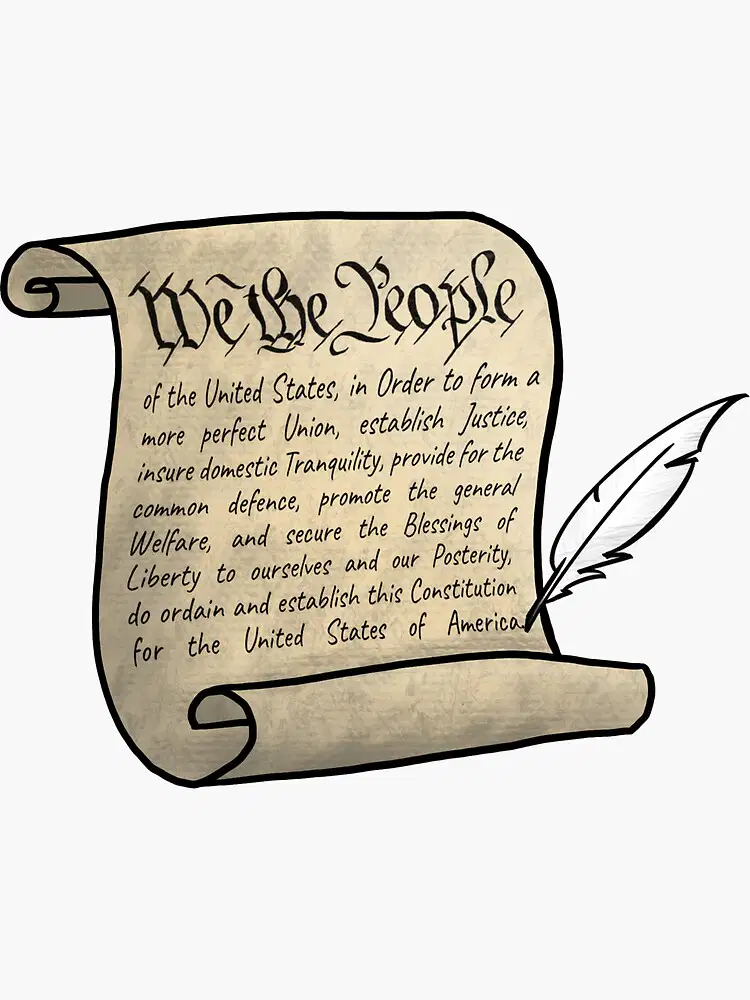
Which of the following influences from Ancient Greece involves the government having written rules that explains what it can and cannot do?
Voting rights
Representative government
Written constitution
Civic participation

Which of the following levels of government best shows the influence of the Greek polis?
The Presidency (executive branch)
US Senate and House of Representatives
US Supreme Court
State governments
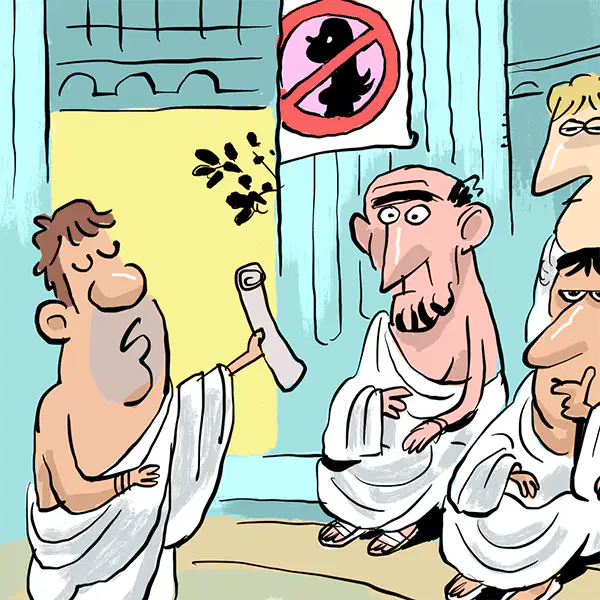
Which of the following influences from Ancient Rome involves electing representatives to make decisions and laws on your behalf?
Separation of powers
Republicanism
Civic participation
Rule of law
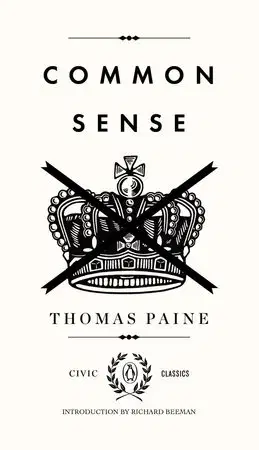
What did many American colonists use Thomas Paine's Common Sense to justify?
Acts of sabotage against British merchants
Declaring independence from Britain
Creating a federal system of government
Supporting the British monarchy
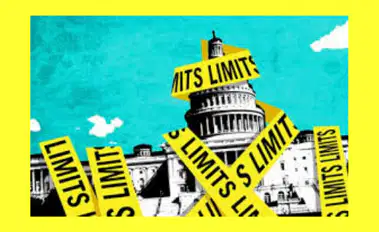
Which historical document may have inspired the principle being represented in the image?
Magna Carta
Mayflower Compact
English Bill of Rights
Common Sense

Which phrase best complete picture diagram?
Due process
Self-government
Limited government
Individual Rights
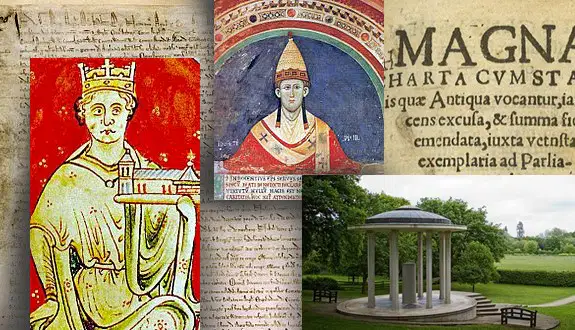
Which of the following combinations are most similar to each other?
The Mayflower Compact and Social Contract Theory
The English Bill of Rights and Common Sense
The Magna Carta and Separation of Powers
The Mayflower Compact and Separation of Powers
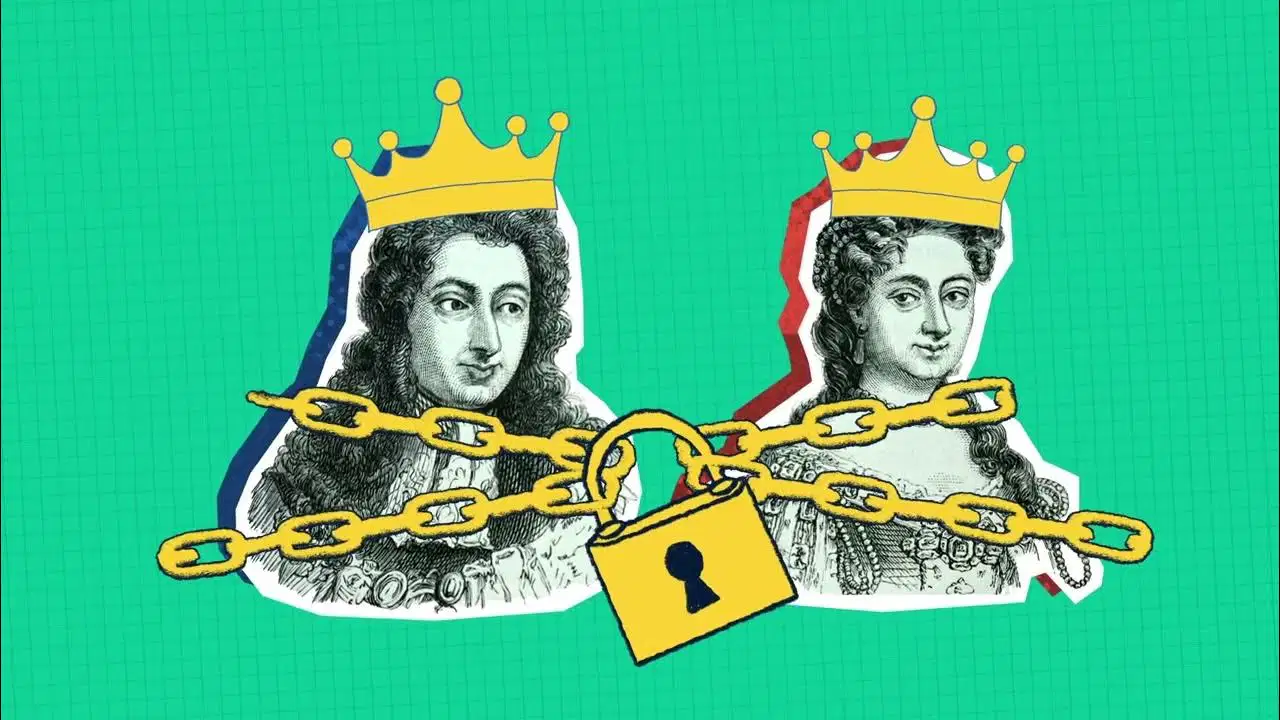
The English Bill of Rights influenced which of the following principles found in the U.S. Constitution?
Individual Rights
Separation of Powers
Self-Government
Checks and Balances
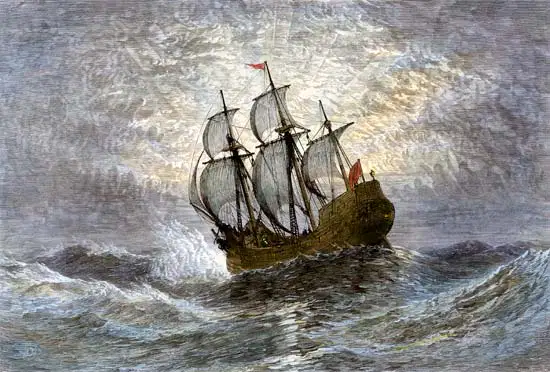
The Mayflower Compact influenced which of the following ideas?
Limited-government
Self-government
Rule of Law
Separation of Powers
Which of the choices limit the power of government by holding officials accountable?
Polis
Rule of law
Confederation
Taxes
Enlightenment thinker and philosopher Montesquieu believed in...
A. Separation of Powers
B. Life, Liberty, Property
C. Checks & Balances
Both A & C
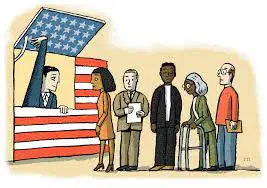
What is the ideology of governing a nation as a republic with an emphasis on having elected officials represent the needs of the citizens?
Democracy
Monarchy
Republicanism
Oligarchy
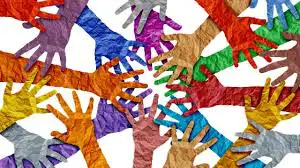
The ways in which a person becomes involved in their government at the national, state and local levels. Examples of this could be participating in volunteer work, voting in elections, attending a protest or civic meeting and running for office
Civic Participation
Separation of Powers
Limited Government
Republicanism
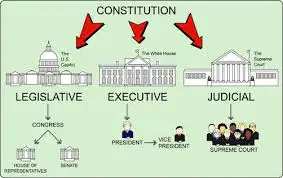
What is a feature of U.S. government that divides government into three separate branches (departments) each with their own specific powers and responsibilities?
Federalism
Bicameralism
Checks and Balances
Separation of Powers
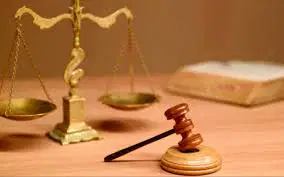
What is a founding principle of the United States that says no one is above the law, not even the president?
Rule of Law
Judicial Review
Executive Privilege
Habeas Corpus
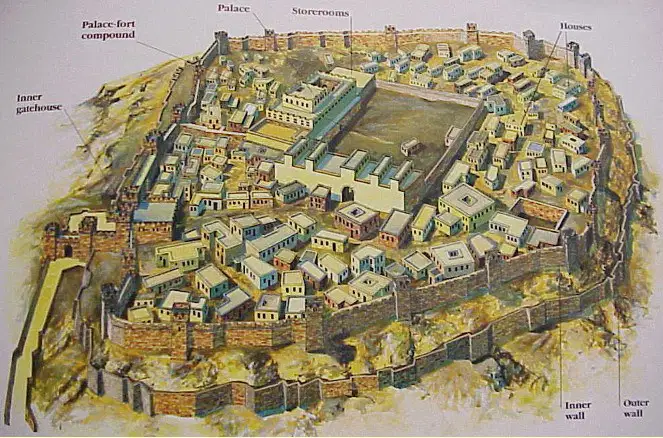
A city-state in ancient Greece that was ruled by the people and where the government collected taxes to provide services for the people?
Polis
Civic Participation
Republicanism
Rule of Law
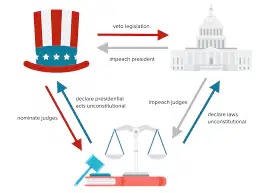
A system that allows each branch of government to check the actions of a different branch so no one branch becomes too powerful.
Federalism
Checks and Balances
Democracy
Republic
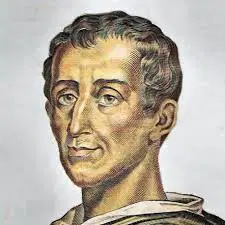
Enlightenment thinker that gave us the ideas of separation of powers and checks and balances.
John Locke
Thomas Hobbes
Rousseau
Montesquieu
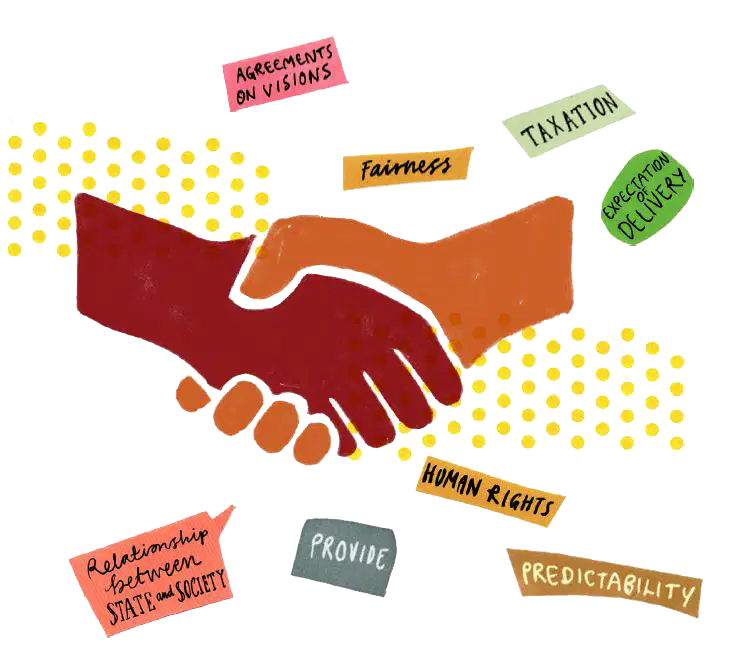
An unspoken agreement between citizens and the government where citizens agree to give up some freedom in exchange for the security and order that government provides.
Magna Carta
Bill of Rights
Constitution
Social Contract
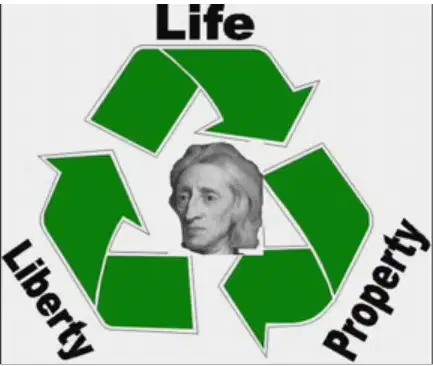
According to John Locke, these are basic rights assigned at birth that include the right to life, liberty, and property. Every citizen is entitled to these rights and they are to be protected.
Legal Rights
Human Rights
Natural Rights
Civil Rights
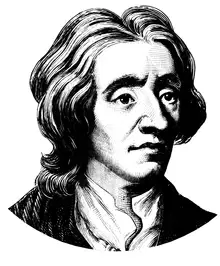
Enlightenment thinker that gave us the ideas of natural law, natural rights, and the social contract theory.
Voltaire
Montesquieu
John Locke
Thomas Hobbes

“We the People of the United States…do ordain and establish this Constitution for the United States of America.”
Social Contract
Natural Rights
Separation of Powers
Checks and Balances
“That the legislative, executive, and judicial department shall be separate and distinct…”
Natural rights
Social contract
Separation of powers
Checks and balances
“We hold these truths to be self-evident, that all men are created equal, that they are endowed…with certain unalienable right that among these are Life, Liberty and the pursuit of Happiness.” The Declaration of Independence
Separation of Powers
Checks and Balances
Natural Rights
Social Contract
“That to secure these Rights, Governments are instituted among men, deriving their powers from the Consent of the Governed…”
Natural Law
Checks and Balances
Natural Rights
Social Contract
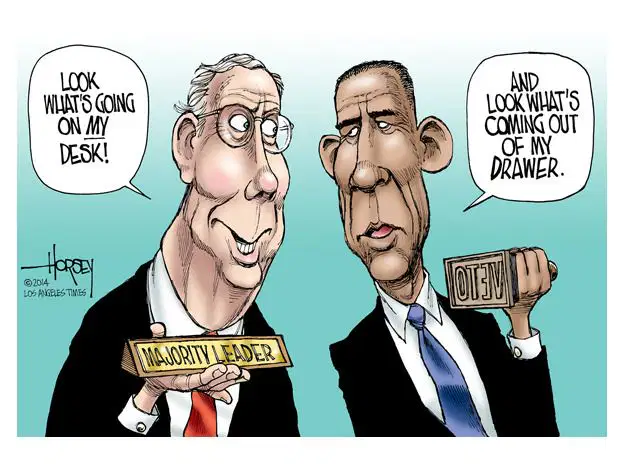
The U.S. President (executive branch) vetoes a law made by Congress (Legislative Branch.)
Separation of Powers
Checks and Balances
Natural Rights
Social Contract
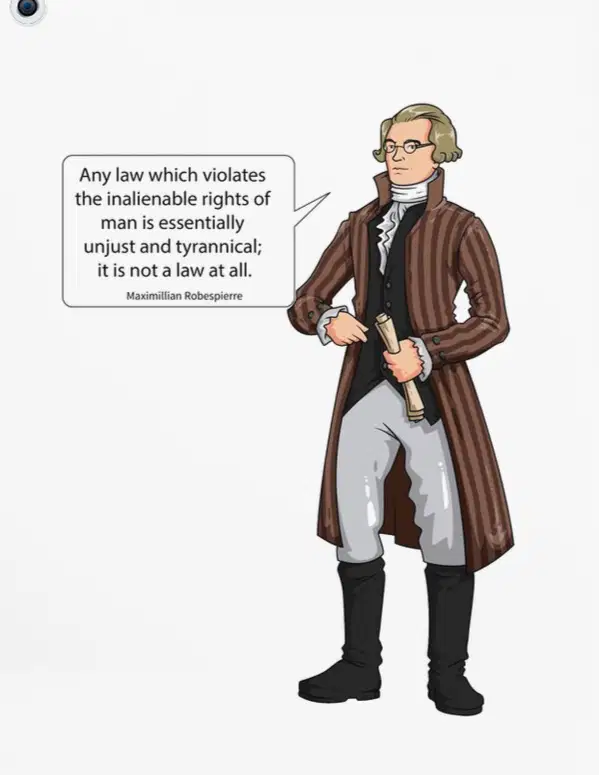
Inalienable Rights
Rights that cannot be taken away
Rights that the government can deny
Rights that are guaranteed in all governments
Rights given to all people throughout human history

Cruel and oppressive government or rule.
Democracy
Tyrrany
Oligarchy
Freedom
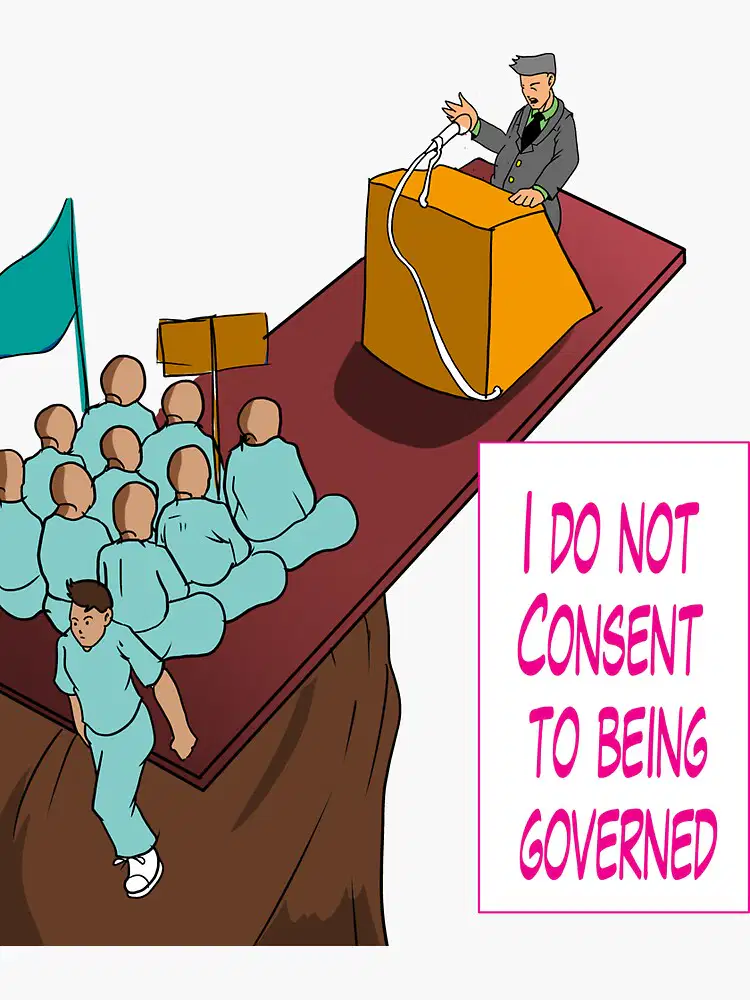
Consent of the governed
Permission of the people
Permission of the government
Permission from your principal
Permission from your parents
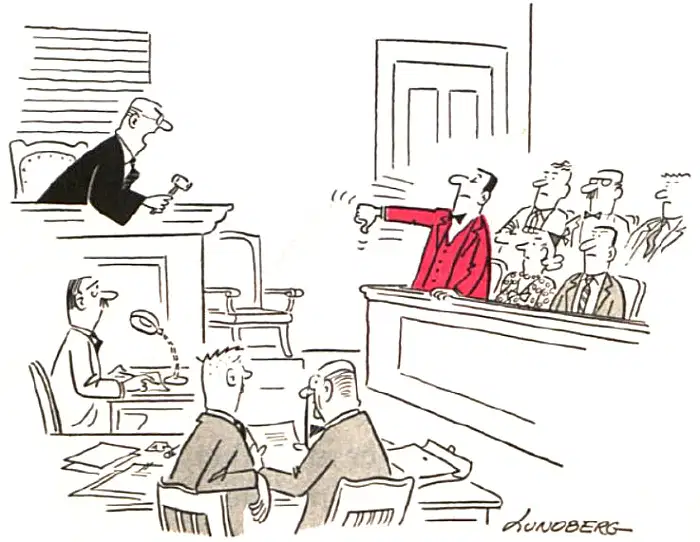
Which right did the Magna Carta (1215) guarantee in the
following excerpt? “No freeman shall be taken or imprisoned or disseised or outlawed or exiled or any way destroyed, nor will we go upon him nor send upon him, except by
the lawful judgment of his peers or by the law of the land.”
Trial by jury
Freedom of religion
Social Contract
No taxation without representation
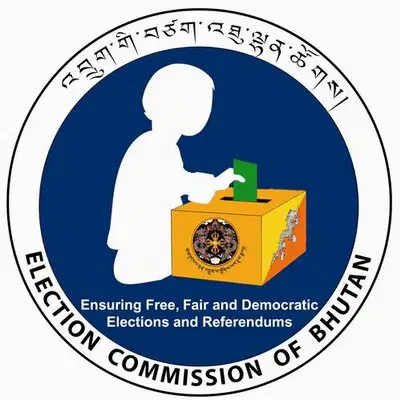
Based on the statement from the U.S. Department of State, how does the nation of
Bhutan uphold the principles expressed in the English Bill of Rights?
“The king of Bhutan...is the head of state, with executive power vested in the cabinet, headed by ...Prime Minister...In July 2013 the country held its second general elections, in which the former
opposition People’s Democratic Party gained a majority of the seats in the National Assembly,
resulting in the country’s first democratic transfer of power to the opposition. International
election observers reported the elections were generally free and fair.”
By allowing freedom of speech
By holding general elections
By limiting the power of the monarch
By sharing election results with voters

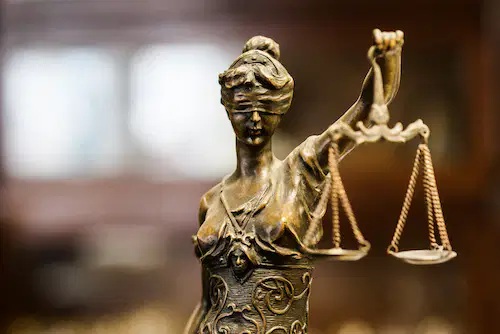
Which principle is illustrated by the symbolic representation of the blindfold?
Inconsistent Application of the law
Decisions based on law
Equality under the law
Enforcement of the law
Which of the following terms is best described by the following...
We are “due” a fair process if we risk losing our freedom or our property in a court or government proceeding.
Natural law
Rule of law
Due process
Separation of powers
An agreement between the ruled and their rulers, defining the rights and duties of each.
Democracy
Rule of Law
Natural Rights
Social Contract
How does rule of law affect U.S. government officials and institutions?
It holds government officials and institutions accountable to the laws.
It requires government officials and institutions to create new laws.
It prevents government officials and institutions from making their work public.
It ensures government officials and institutions are exempt from the laws.
What is a benefit of the rule of law?
Bureautic government procedures are reduced.
Government decisions are based on the will of the majority.
Citizens are protected from oppressive uses of government power.
Government officials can act on their own instincts in emergency situations.
Which of the following is most closely associated with the English Bill of Rights?
Rule of law
Individual rights
Self-government
Declaring independence

