
 Worksheets
Unit 2A
Total questions: 52
Worksheet time: 7hrs 37mins
Which organic molecule would a long-distance runner most likely choose to eat two hours before a race?
A protein, because it builds muscle mass.
A lipid because it provides long term energy storage.
A carbohydrate because it releases energy quickly.
A protein, because it transports oxygen into the blood stream.
Which biomolecules provide quick energy for the cell and also provide materials to build the cell membrane/wall?
Carbohydrates
Proteins
Lipids
Nucleic Acids
Which biomolecules contains your genetic information?
Proteins
Lipids
Carbohydrates
Nucleic Acids
Which biomolecules act as energy storage for the cell and also cushions and insulates organs?
Carbohyrdates
Lipids
Proteins
Nucleic Acids
Which of the following contains the most lipid?


Enzyme is a/an...
carbohydrate
lipid
protein
nucleic acid
What biomolecule serves as structural materials in hair, nails and connective tissues?
protein
lipid
carbohydrate
nucleic acid
Just under an orca's skin lies a thick layer of blubber. Blubber helps insulate a whale from heat loss. Based on this information, which biomolecule is blubber primarily made of?
Lipids
Nucleic Acids
Proteins
Carbohydrates
What is the function of proteins?
Perform cell's functions/tasks
Fast energy
Energy storage
Alter other biomolecules
Store information for cells
What do enzymes do?
Build things up or break them down
Help filter waste from the body
Create environments where food can be eaten
Add and remove water
Which category of macromolecules do enzymes belong to?
Carbohydrates
Proteins
Fats/Lipids
What does an enzyme need in order to work properly?
The right amount of oxygen & CO2
The right temperature & amount of water
The right temperature & pH
The right temperature & pressure
Enzymes are specific. This means that an enzyme only works with molecules that are....
the right size and shape
broken down already
present in water
too big for the body to handle

What is indicated by letter B?
enzyme
product
substrate
active site
The substance that binds to an enzyme is called a?
Polypeptide
Co-enzyme
Vitamin
Substrate
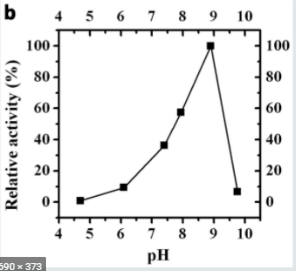
What is the optimal pH for this enzyme?
6
10
9
7
The ____________________ mechanism describes how each substrate must fit into the enzyme.
lock and key
hammer and nail
jigsaw puzzle
seesaw
Enzymes are _______________ that _____________________ chemical reactions by ____________ the amount of activation energy required to start the reaction.
carbohydrates, slow down, lowering
proteins, speed up, increasing
lipids, speed up, lowering
proteins, speed up, lowering

What is the optimal temperature of this enzyme?
60
40
70
30

Which letter represents the product?
A
B
C
D
What happens when different species try to occupy the same niche?
The species compete with each other
The species cooperate with each other
The species coexist with each other
All of the above
What is biodiversity?
The different ways species reproduce
The degree of variation of life on Earth
A way to describe similarities between different species
The process of creating new species

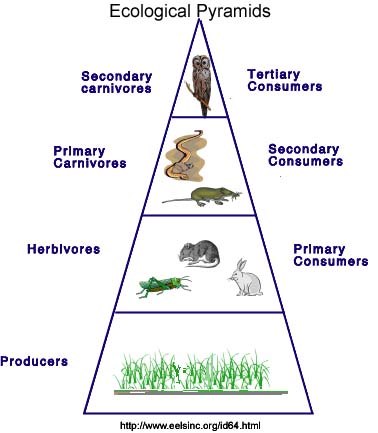
This takes place as chemicals transfer from lower trophic levels to higher trophic levels within a food web, resulting in a higher concentration in apex predators.
Bioaccumulation
Biomagnification
Biodegrade
All of the above

Which organism in the food web shown to the right would
contain the lowest concentration of chemical pollutants?
producers
primary consumers
secondary consumers
tertiary consumers
Consider the following food chain:
Algae > Mayfly > Minnow > Trout
In a polluted ecosystem, which organism would likely have the HIGHEST level of toxic chemicals in its body?
Algae
Mayfly
Minnow
Trout
When DDT toxin builds up in the body of an organism, this is called BIOMAGNIFICATION.
TRUE
FALSE
In biomagnification, the amount of toxin
decreases in concentration along the food chain
remains the same along the food chain
increases along the food chain
How does pollution affect biodiversity?
Pollution can enhance habitats and promote species diversity.
Pollution can degrade habitats, harm species, and reduce biodiversity by creating unsuitable living conditions.
Pollution has no significant impact on biodiversity.
Pollution only affects terrestrial species, not aquatic ones.
What is an invasive species?
A species that is native to a specific habitat.
A non-native species that spreads widely in a new habitat, often causing harm to native species and ecosystems.
A species that is endangered and protected by law.
A species that has been introduced for agricultural purposes.
How does deforestation affect ecosystems?
It increases the number of species in the ecosystem
It has no significant impact on ecosystems
It leads to a loss of habitat and decreases biodiversity and increase in CO2 levels
It enhances water cycles within the ecosystem

Cattle egrets forage (feed) in fields among cattle. The egret gets easy access to flying insects stirred up by the cattle, and the cattle don't care if they are there or not.
mutualism
commensalism
competition
predation
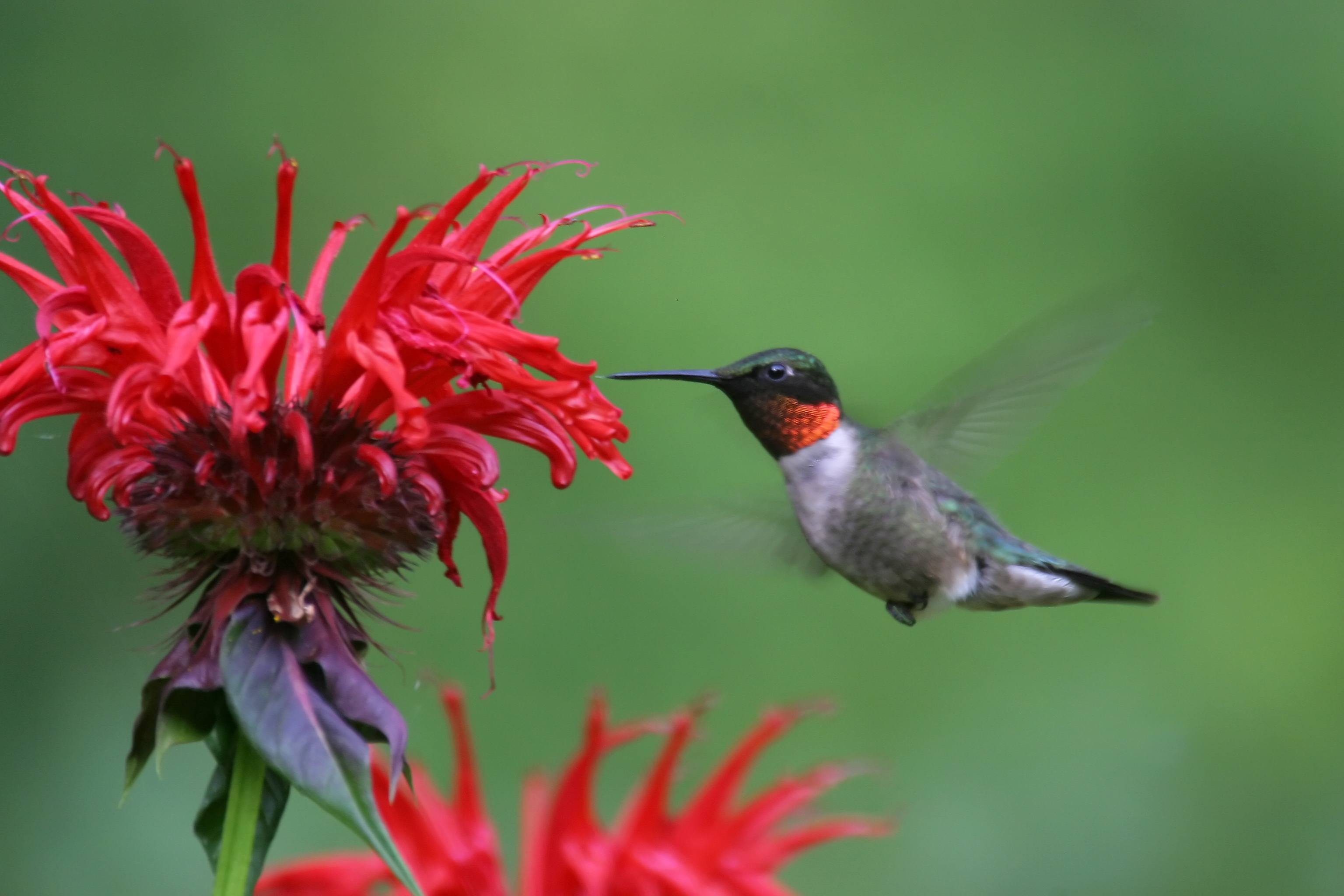
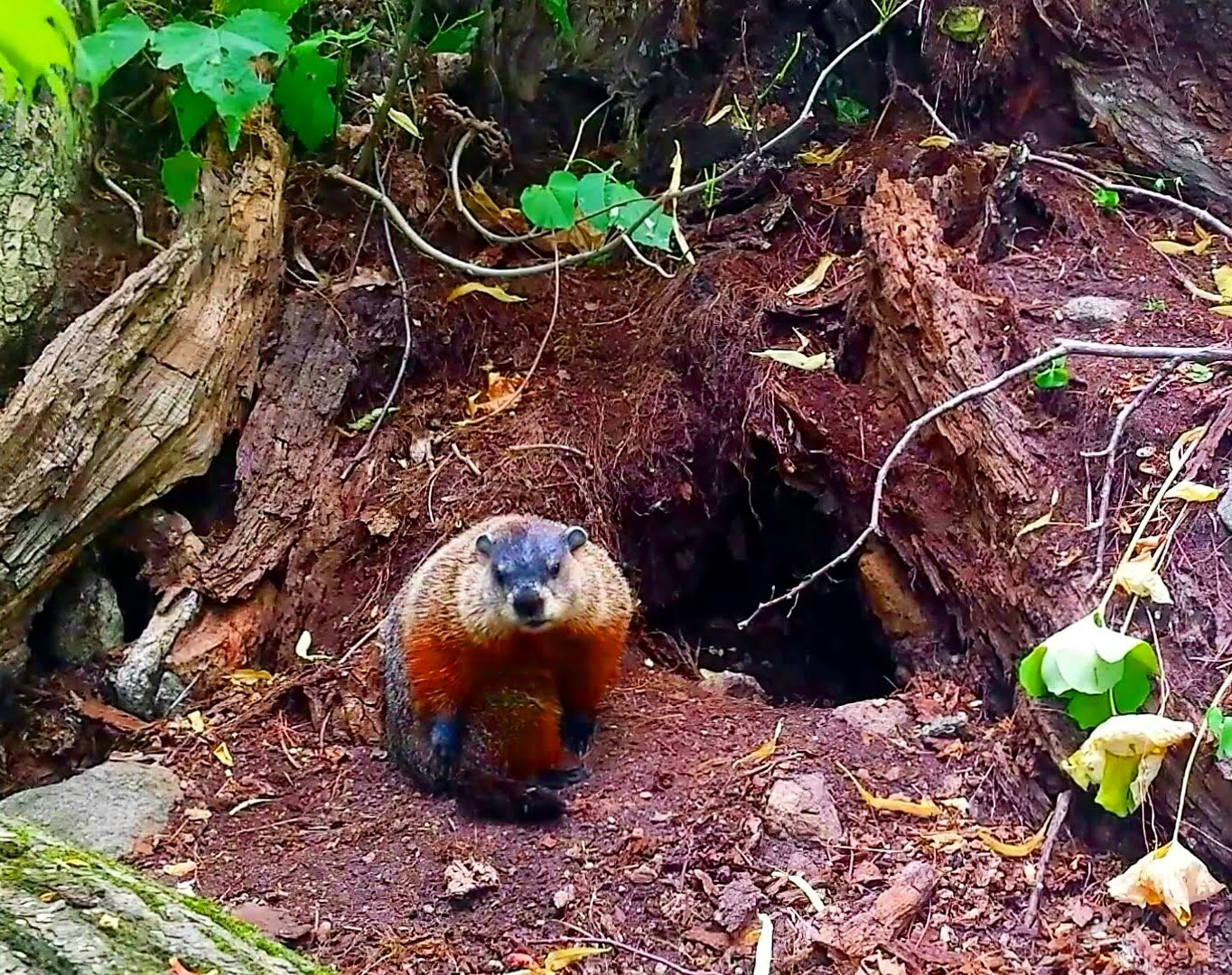

An owl hunting a mouse is an example of...
Mutualism
Competition
Commensalism
Predation
A seal and a shark eating the same kind of fish is best known as...
Mutualism
Competition
Predation
Commensalism
Two birds wanting to establish a nest in the same tree is known as...
Competition
Mutualism
Commensalism
Predation
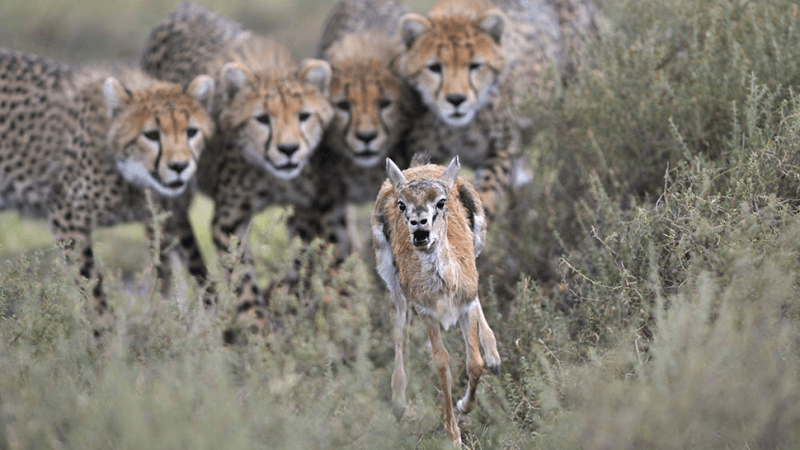
Hawks and owls eat the same type of food and struggle with one another to get their food. What is this an example of?
Competition
Biotic factor
Symbiosis
Population

A student makes a Venn diagram to compare the functions of carbohydrates and lipids.
Which function of carbohydrates and lipids should be placed in the shared section of the Venn diagram?
Hormone production
Structural support of cell walls
Energy storage
Catalyst for chemical reactions

