
Font size
 Worksheets
Resp system
Total questions: 29
Worksheet time: 17mins
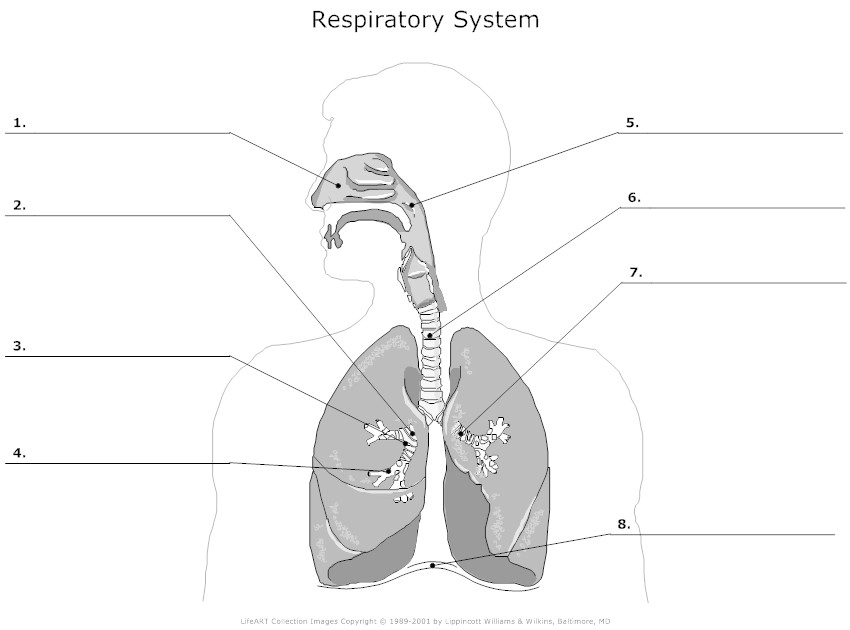
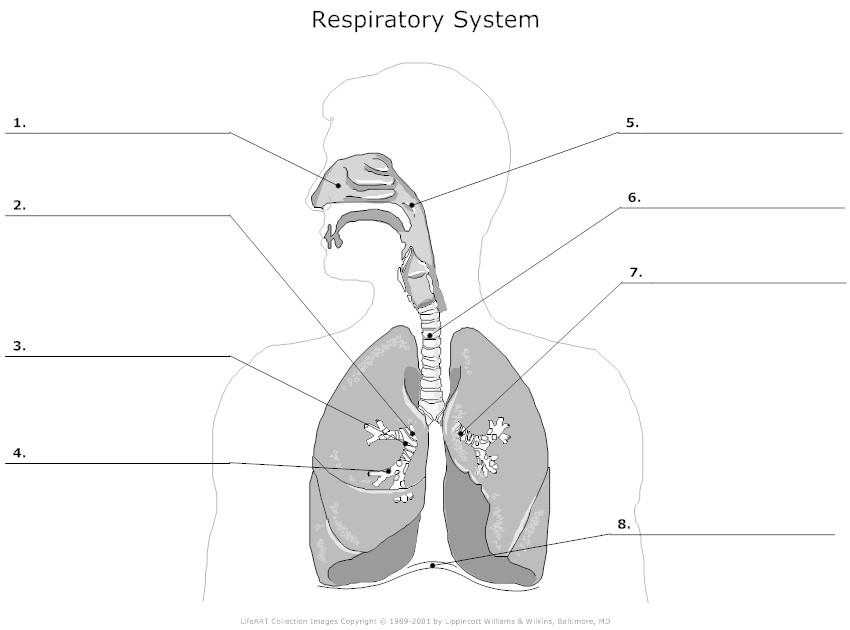
1. larynx
2. nasal cavity
3. pharynx
4. trachea
Which of the following is the correct order that air would flow during inhalation.

What keeps your bronchi and bronchiole tubes open?
cartilage rings
ligament squares
ciliated cells
muscle
Which structures filter and moisten air as it passes through the human respiratory system?
cilia and mucous membranes
alveoli and cartilage rings
diaphragm and bronchioles
epiglottis and bronchi
An increase in breathing rate can be triggered by an increase in the
carbon dioxide content of the blood
oxygen content of the atmosphere
number of platelets in the blood
number of red blood cells


Gases move from an are of low concentration to high concentration.
True
False
The upper respiratory system is composed of these divisions:
Nasal cavity
Larynx
Pharynx
Bronchioles
Which answer is true?
Increase in volume= increase in pressure
decrease in volume= increase in pressure
decrease in volume= decrease in pressure
Increase in volume= decrease in pressure
the U-shaped cartilage rings of the trachea are open on one side to allow movement of the
larynx
lungs
esophagus
diaphragm
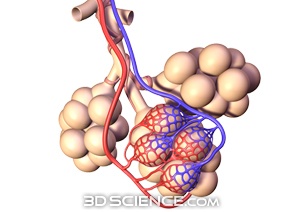
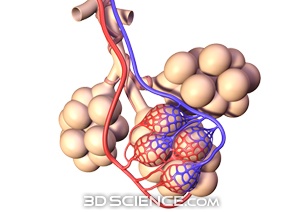
With an increase of surface area to volume ratio, what happens to rate of gas exchange?
the rate of gas exchange increases
gas exchange decreases
fish breathe faster
diffusion of oxygen decreases
Which gas exchange method is most efficient?
Parallel flow
Counter-current flow
What is meant by a counter-current system?
A short distance for gases to diffuse
When water flows in an opposite direction to blood flow
having a higher concentration inside the lungs than outside

Name the respiratory structure in fish.
Lungs
Gills
Moist outer skin
Trachea

Name the respiratory structure in insects.
Lungs
Gills
Moist outer skin
Trachea

Gills are made up of two rows of fine filaments that have many thin and flat 'plates' known as .........................
trachea
lamellae
spiracles
valves
Gill filaments are supported by the .....................
gill arch
operculum
lamellae
density of blood

The number of filaments and lamellae in fish produce a large surface area to facilitate .......................
water diffusion
blood circulation
energetic activities
gaseous exchange

Name one respiratory structure of an amphibians which can adapt for gaseous exchange while they are on land.
Lungs
Gills
Moist outer skin
Trachea

What is structure X ?
Valves
Tracheoles
Spiracles
Air sacs

