
 Worksheets
Culture, Culture, Culture!
Total questions: 60
Worksheet time: 38mins

government, education, religious institutions, & economies
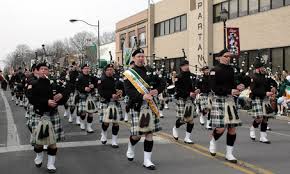

cultures exchanging traits
globalization/ cultural diffusion
culture region


Cultural diffusion refers to a group
forcing others to conform to their culture.
not letting other cultures influence theirs.
spreading its culture to other groups.
migrating to a new place.
Which of these is an example of cultural diffusion?
In New Zealand, explorers in the 19th century brought their system of money to the indigenous Maori tribes.
Zimbabweans have been playing small handheld instruments called mbiras or thumb pianos for over 1000 years.
Some tribes of indigenous people live in the Amazon rainforest and have never met anyone from another culture.
A tea called mate is very popular in Argentina, and there are special rules about how you should drink mate with a group of people.
Which element of culture is best seen through the politics and laws of a community?
government
language
religion
arts
How is culture spread?
only through cultural diffusion
only through books and movies
through the arts, migration, and from one generation to the next
only by older generations passing on traditions to younger generations
Which of these best describes an economic element of culture?
In Colorado, many people hike in the beautiful Rocky Mountains.
In medieval England, only a few people had money and power, and most other people did not.
In Canada, one-dollar coins are called "loonies" because they have a picture of a loon on them.
In Ancient China, Confucianism was a philosophy which taught that you should value family over material things.
Which of the following could be a part of American culture?
singing the national anthem at events
voting in presidential elections
celebrating the 4th of July
all of the above
What is culture?
the system of government in a country
a way of life shared by a group of people
only the religion of a specific community
only the art and music a group produces
_______ is how people in a region live, behave, and think.
Religion
Government
Culture
Economy
A ___________ is an organized system of beliefs and practices.
Government
Culture
Religion
Economics
An _________ is a system in which people produce, sell, and buy things.
Government
Religion
Culture
Economy
A _________________ is an organization that keeps order, sets rules, and provides services for a society.
religion
government
culture
economy

Which cultural trait matches the picture?
Food
Technology
Arts

Which cultural trait matches the picture?
Role
Belief System
Language

Which cultural trait matches the picture?
Arts
Traditions
Food

Which cultural trait matches the picture?
Role
Language
Tradition

Which cultural trait matches the picture?
Arts
Role
Technology

Which cultural trait matches the picture?
Technology
Clothing
Food
Which best describes traditions as a cultural trait?
The types of food you eat and where you get it.
Tools that make life easier.
Customs, holidays, celebrations, or activities your family does every year.

Which best describes food as a cultural trait?
Things you eat, when and how you eat, or where/how you get your food.
Customs, holidays, and celebrations.
The ways that people communicate with each other and with their culture.

Which best describes technology as a cultural trait?
Music, dance, movies, or any types of creative self-expression.
Scientific discoveries or any tools that make life easier.
Things you eat and where you get your food.

Which best describes clothing as a cultural trait?
How people dress, including hairstyles and accessories.
Your creativity and self-expression.
Tools that make life easier.

What is culture?
A way of life
People moving from one place to another
Eating a certain food

This image is an example of
multicuturalism
elements of culture
cultural diffusion
human migration

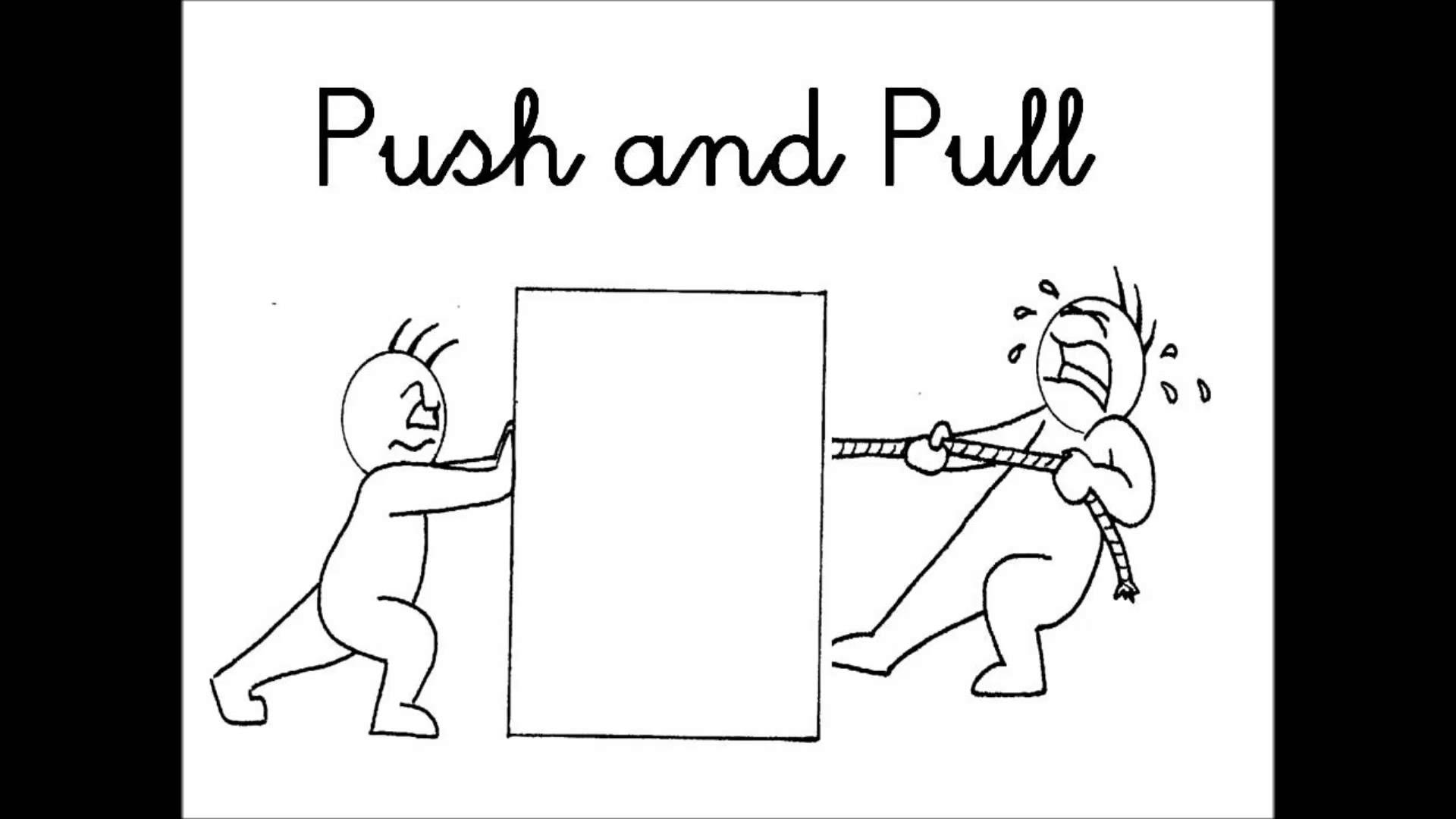
wealth



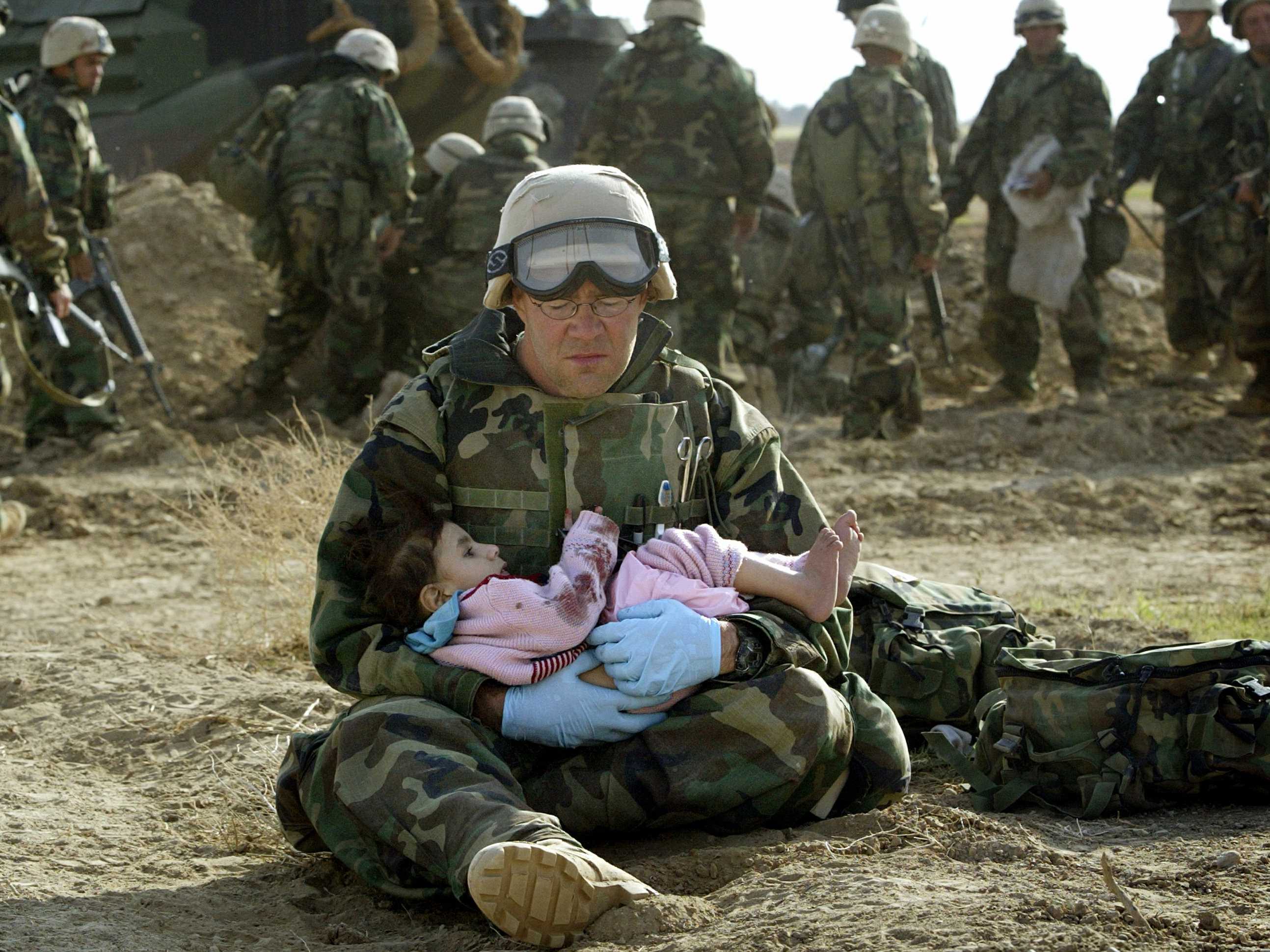
War is a .....
pull factor
push factor

Immigration is
returning to your home after an extended vacation
leaving your home for an extended vacation
permanently moving to another country
belief that native-born Americans are superior to others
Hope for a new life and new opportunities
Push
Pull
In 1846 the Potato Famine left many people in Ireland without food.
Push
Pull
Many Jewish people left Russia in 1882 because of hatred toward them.
Push
Pull
To escape poverty and disease
Push
Pull
“We must flee our country because of the fighting and persecution.”
Push
Pull
Freedom of Religion
Push
Pull
______________________ is a factor that causes a population to move INTO a certain area.
Push
Common
Pull
Extraordinary
____________________ is a factor that causes a population to LEAVE a certain area.
Pull
Push
Common
Extraordinary
the spread of culture traits from one place to another place
conquest
cultural diffusion
barriers
technology
the exchange of goods and services
trade
conquest
immigration
cultural diffusion
to move to another country
technology
conquest
trade
immigration
to take control of an area by force
conquest
trade
culture
technology
Which is a good result of globalization?
helps eliminate old traditions
prevents sharing of technology
hinders communication
encourages trade
What did trade on the Silk Road show about globalization?
Globalization has been around for centuries.
Globalization has just been invented.
Modern technology is needed for globalization.
Globalization requires that people speak the same language.
Which of the following is NOT a part of culture?
History
Weather
Language
What statement is an example of cultural diffusion?
Venezuela has large reserves of oil
students in China learn Chinese in school
young people dance to American rock music in Japan
How has technology impacted cultural diffusion today?
Trading is more challenging with the different languages and cultures.
Innovations such as the airplane and engine have allowed for trade to increase.
There are not any impacts from technology.
Language, religion, government, and entertainment are
elements of culture
characteristics of globalization
what makes up an ethnic group
elements that make a society level
Culture is spread by
movement of people
TV and the internet
war and conquest
all are correct
trade
When a culture becomes highly complex it becomes a
civilization
domestication
village
democracy

