
NEW
Font size
 Worksheets
Water properties
Total questions: 25
Worksheet time: 15mins
What type of bond is found BETWEEN water molecules?
Hydrogen bonds
Ionic bonds
Nonpolar covalent bonds
Polar covalent bonds
Surface tension of water is the cohesive force between water molecules and other molecules.
True
False
What word describes when water is attracted to other substances?
Cohesion
Adhesion
Capillary action
Surface tension
When water molecules stick easily to other water molecules, this is called what?
Cohesion
Adhesion
Solution
Polar molecule
Water beads up on the surface of a penny because of what property?
Erosion
High surface tension
Universal solvent
Changes in density
Which statement explains why water molecules stick together?
Both sides are negative
One side has a positive charge and the other side has a negative charge
One side has a negative charge and the other side has a neutral charge
Both sides are positive
Large bodies of water help to keep nearby climates from being too hot or too cold because they
Absorb heat in the spring and slowly release that heat in the fall
Absorb heat in the fall and slowly release that heat in the spring
Absorb heat in the summer and slowly release that heat in the winter
Absorb heat in the winter and slowly release that heat in the summer
Even though 75% of Earth's surface is covered in water only 1% of that water is usable:
Salt Water
Freshwater
Groundwater
Saline
As oceans absorb carbon dioxide and other pollutants from the air, the oceans are becoming more _______ causing the pH to decrease.
Acidic
Basic
the same
warm
What type of compound will dissolve in water
Nonpolar molecule
Metal
Polar molecule
Nothing will dissolve in water
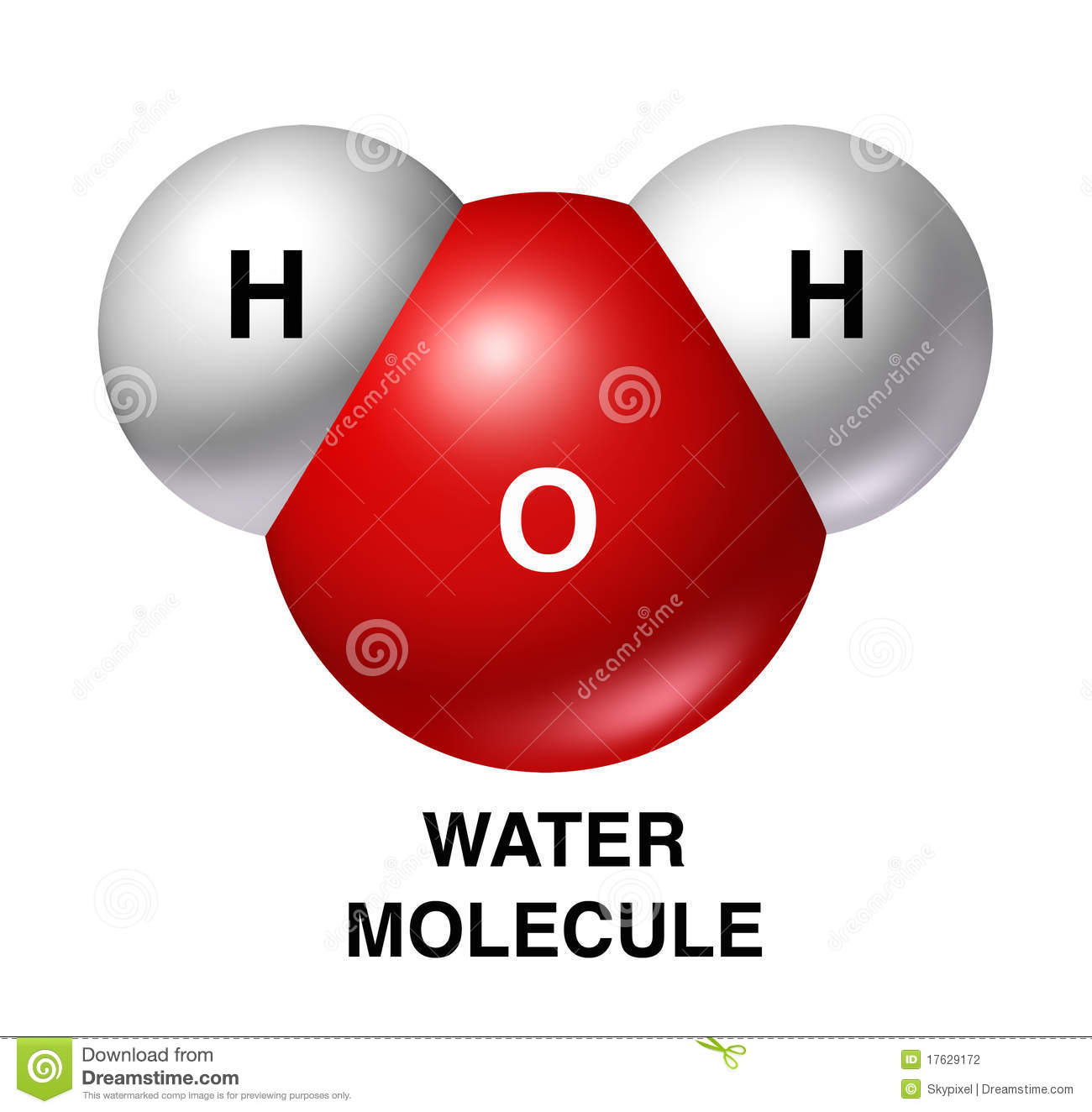
Which part of a water molecule has a Positive Charge?
The Hydrogen
The Oxygen
The Top
The Bottom
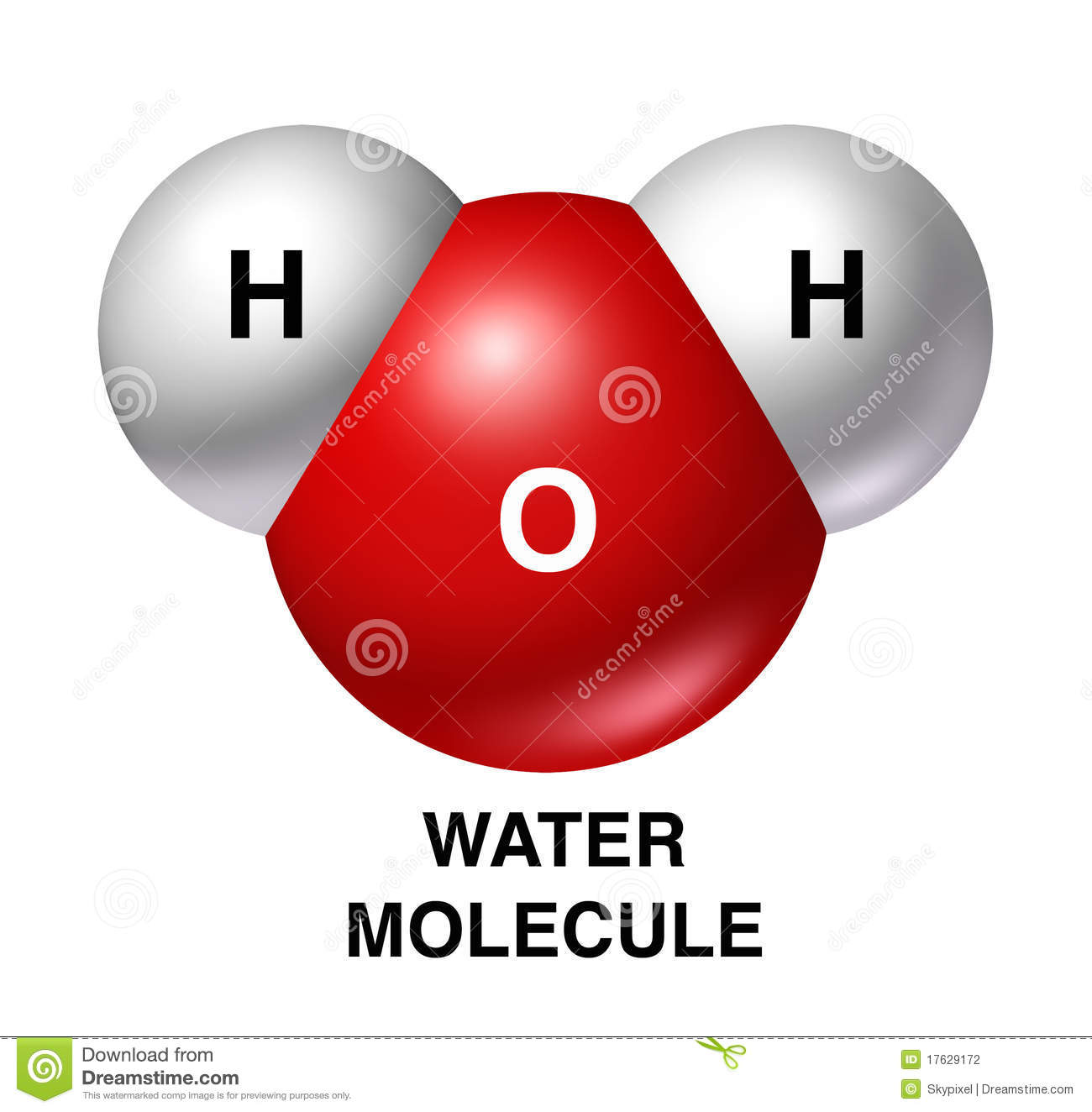
Which part of a water molecule has a Negative Charge?
The Hydrogen
The Oxygen
The Left
The Right
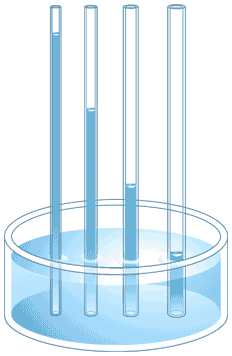
What is the term for water's ability to defy gravity and climb up a tube?
Capillary Action
Specific Heat
Universal Solvent
Magic
At what temperature does water Freeze?
0o C
100o C
32o C
-273o C

A water strider can skate along the top of a pond because:
covalent bonds result in water cohesion (surface tension)
hydrogen bonds result in water cohesion (surface tension)
water striders have adapted to take advantage of water cohesion
water striders are afraid of water and avoid it
At what temperature does water Boil?
0o C
100o C
32o C
212o C
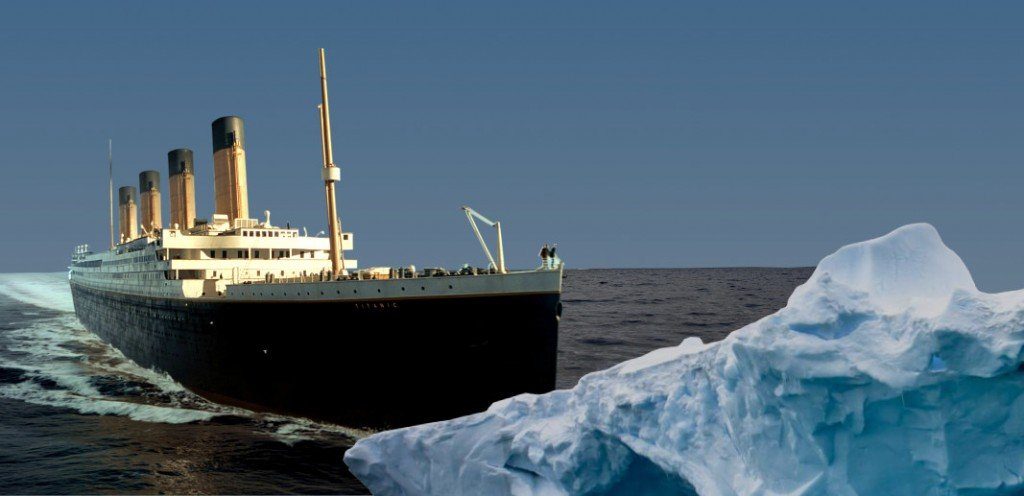
Why does ice float?
water expands when it freezes, making ice less dense than water
water compacts when it freezes, making ice more dense than water
hydrogen bonds in water push the ice to the surface
ice is afraid of water, and avoids it
Capillary action is the result of waters properties of cohesion and adhesion working together to allow water to...
Absorb water through the roots of plants
Stick to other things
Stick to itself
Flow upward against the force of gravity
Capillary Action is key for
Water moving from roots to leaves in plants
Air moving from mouth to lungs
Ice floating on water
Water moving to lower areas

