
 Worksheets
U2 Biological Systems Review
Total questions: 36
Worksheet time: 26mins
The digestive and respiratory systems pair together to ...
bring carbon dioxide and wastes to cells for diffusion.
bring oxygen and wastes to cells for diffusion.
bring oxygen and nutrients to cells for cellular respiration.
bring carbon dioxide and nutrients to cells for cellular respiration.
The digestive and respiratory rely on the ___ systems to transport needed materials to the cells.
circlatory and excretory
circulatory and muscular
nervous and digestive
nervous and skeletal
The immune system fights diseases. The circulatory system pairs with the immune system because ___.
blood is made in the bones.
plasma carries nutrients.
red blood cells carry oxygen.
white blood cells fight infection.
What tissue type carries information from your brain to the heart telling it to pump blood.
nerve tissue
epithelial tissue
muscle tissue
connective tissue
Why are the lungs, the major organ of the respiratory system, also considered an excretory organ?
They get rid of carbon dioxide, a cellular waste
They get rid of oxygen, a cellular waste
They get rid of urea, a cellular waste
They get rid of salt, a cellular waste
All organ systems have this at its most basic unit.
Cells
Neurons
Tissues
Organs
What body system transports nutrients & oxygen to and carbon dioxide and waste from the cells?
Circulatory System
Nervous System
Digestive System
Respiratory System
What body system takes oxygen into the body and gives off carbon dioxide?
Circulatory System
Digestive System
Respiratory System
Nervous System
The digestive system is made up of which of the following organs?
Brain, nerves and spinal cord
Lungs, trachea and mouth
Esophagus, stomach, small intestine and large intestine
Mouth, brain, cells and large intestine
What is a major role of the endocrine system?
release hormones to control many body functions
digest and absorb food
transport nutrients through the blood
first line of defense from infection
Which system interacts with all the other systems by controlling them?
Digestive system
Nervous system
Skeletal system
Muscular system
Which body systems work together for nutrient absorption?
Circulatory & immune
Digestive & skeletal
Muscular & excretory
Digestive & circulatory
Insulin: a hormone made by the pancreas. It allows your body to use glucose from food. Insulin controls glucose levels.
Circulatory and lymphatic
Integumentary and muscular
Endocrine and circulatory
Digestive and skeletal
What is the main purpose of transpiration in plants?
To absorb sunlight
To release oxygen
To lose water vapor
To produce glucose
In order for fertilization to occur, pollen must first land on the __________
leaves
Stigma
Filament
Petal
What is the significance of brightly colored flowers in some plants?
To absorb more sunlight
To repel herbivores
To attract pollinators
To reduce water loss
What is the main function of stomata in plant leaves?
To capture insects
To exchange gases
To absorb sunlight
To store nutrients
Why do some plants produce fruits?
To store extra nutrients
To attract herbivores
To protect the seed
To aid in seed dispersal
Responses in plants that result in movement away from or toward a stimulus are called -
tropisms
differentiation
adaptations
yield
Oxygen & Water vapor (H2O) are released through stomata which are located where?
Underside of a leaf
Stem
Petal
Root
What is taken into a plant through the stomata?
Oxygen
Carbon dioxide
glucose
Chlorophyll
What are xylem?
series of tubes that carry water from roots to the leaves
series of tubes that carry water from leaves to the atmosphere
series of tubes called roots
series of tubes call leaves
On a leaf surface, guard cells that open and close in response to the amount of water available to keep everything balanced is an example of what?
phototropism
homeostasis
respiration
constructive feedback
What stimulus causes the roots and stems to grow in opposite directions?
Water
Temperature
Gravity
Light
In a germinating seed, the downward growth of roots and the upward growth of leaves and stems are the plant's response to what?
water
osmosis
sunlight
gravity
Leaves and stems growing towards the sunlight exhibits what kind of tropism?
geotropism
phototropism
gravitropism
autotropism
What does xylem transport?
Water and minerals
Water only
Sugar
Food
Water and minerals move in which direction within the plant
Upward
Down
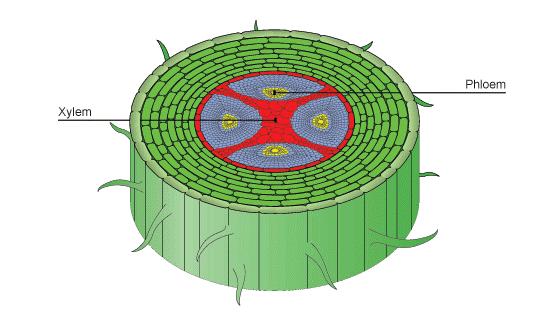
Xylem and Phloem are both __.
Transpiration
Absorption
Photosynthesis
Vascular tissue
What is the stomata in plants?
Large pores in the leaves
The green pigment
The chloroplast
Tiny pores in the leaves
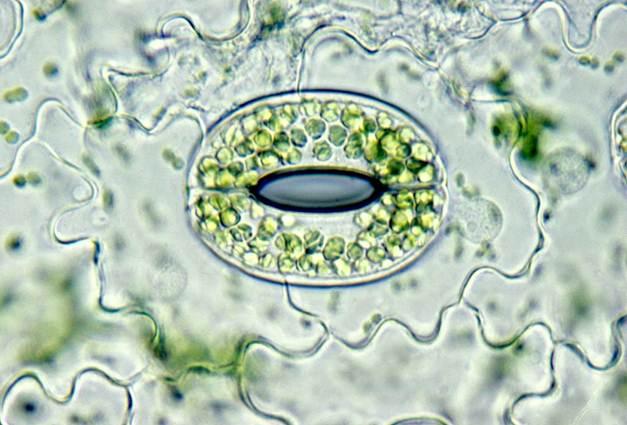
What do the guard cells do?
Control active transport
Control nutrients moving into the cell
Controls the rate of transpiration (loss of water through the leaf)
Plants absorb water through the _________.
stem
roots
leaves
all of the above
The shoot system is the part of the plant that is ________________________________.
below the ground
above the ground
in the water
In the tree
Which of the following describes homeostasis?
keeps variables exactly at the set point
organism's ability to maintain steady(stable) internal conditions
acts to keep values outside of a desired range
operates through positive feedback
Negative feedback loops ...
are one way an organism can maintain homeostasis.
are rarely found in healthy individuals
respond by making deviations from normal even larger
cannot be counteracted with medicine

