
 Worksheets
Plankton and ecosystem dynamics
Total questions: 53
Worksheet time: 27mins
What is the main source of energy for primary producers?
Heat
Light energy
Chemical energy
Mechanical energy
Which level in the energy pyramid has the least amount of energy?
Primary producers
Primary consumers
Tertiary consumers
Quaternary consumers
What do herbivores primarily eat?
Meat
Plants
Fungi
Bacteria
What happens to energy as it moves up the trophic levels?
It increases
It remains constant
It decreases
It doubles
Which organisms are at the base of the trophic pyramid?
Top carnivores
Primary producers
3rd level consumers
Decomposers

What do secondary consumers primarily feed on?
Plants
Herbivores
Decomposers
Other carnivores
What type of matter do detritivores consume?
Inorganic matter
Organic matter
Plastic waste
Metal waste
What is the role of decomposers in the ecosystem?
Produce oxygen
Breakdown tissue of dead plants and animals
Pollinate flowers
Absorb sunlight

Which of the following is a characteristic of detritivores?
They produce their own food
They feed on dead organic material
They hunt live prey
They photosynthesize
Which animal is known for being a keystone predator in marine environments?
Dolphin
Sea Otter
Whale
Penguin
What is the primary function of a keystone predator in an ecosystem?
To provide food for other animals
To control the population of other species
To migrate long distances
To be the most visible species
What is the effect of keystone predators on biodiversity?
They decrease biodiversity
They have no effect on biodiversity
They increase biodiversity
They make biodiversity unpredictable
Which of the following is NOT an example of mutualism?
Clownfish and anemone
Bee and flower
Lion and zebra
Ant and acacia tree
What is the relationship called where one organism benefits and the other is neither helped nor harmed?
Parasitism
Mutualism
Commensalism
Predation
In commensalism, which of the following is an example?
Tapeworms in marine mammals
Remora fish and sharks
Bees and flowers
Lions and zebras
All phytoplankton are ...
autotrophic
heterotrophic
meroplankton
macroplankton
Red tides are caused by .. .
Krill
Jellyfish
Man "O" War
Dinoflagellates
When a population of plankton explodes, the event is called...
Bump
Balloon
Bomb
Bloom
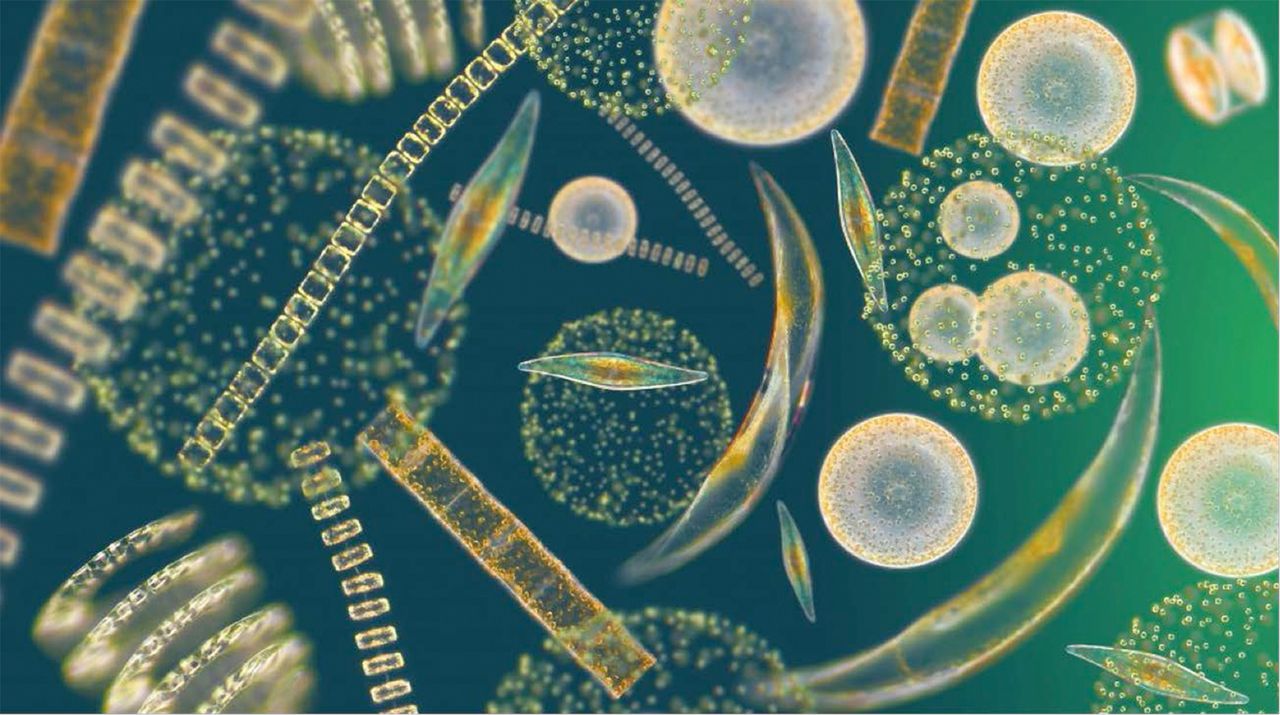
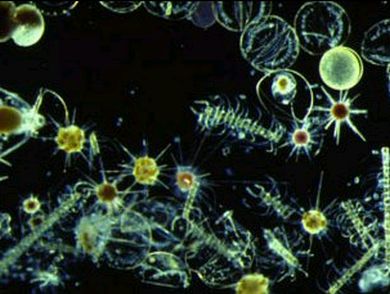
Animal members of the plankton community.
Phytoplankton
Meroplankton
Holoplankton
Zooplankton
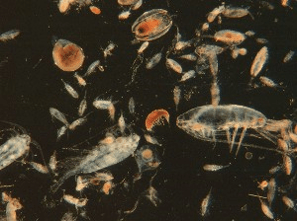
What organism(s) are pictured here?
Diatoms
Dinoflagellates
Zooplankton
Nekton
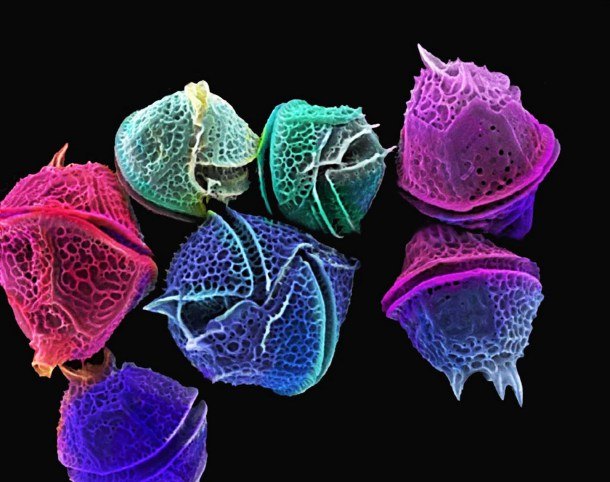
Oxygen is produced through the exhalations of marine animals.
Oxygen is produced through precipitation falling on the ocean.
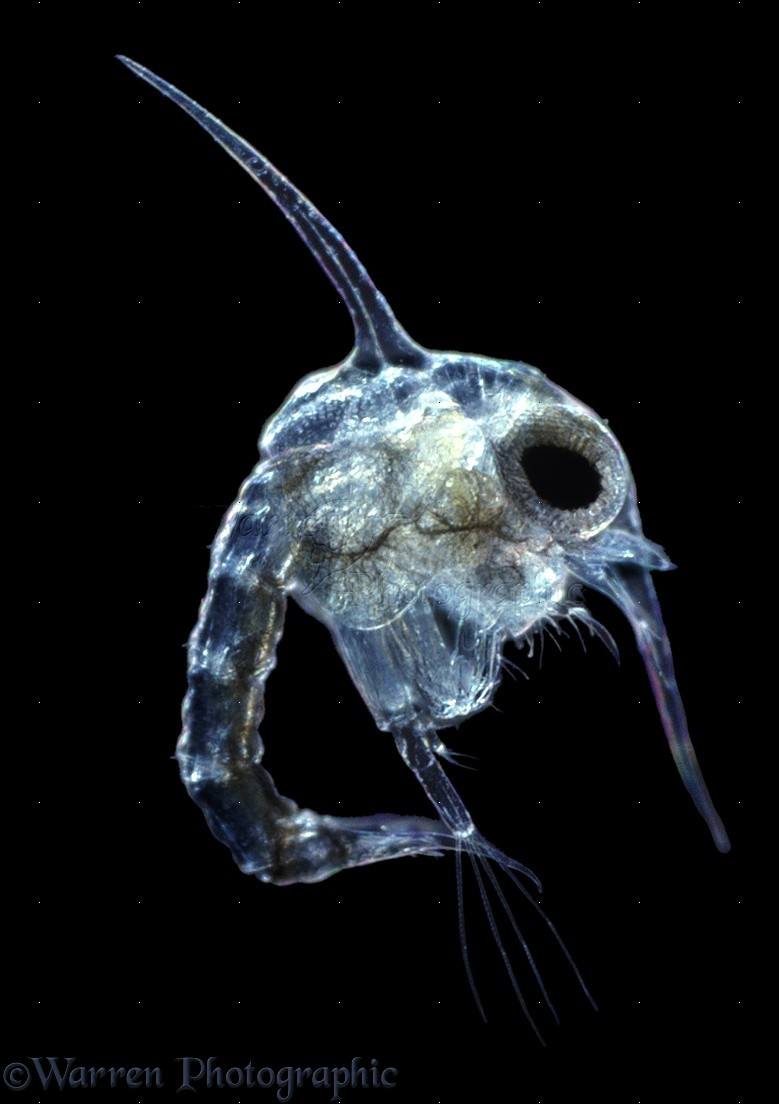
The larvae of crabs and krill belong to which group of plankton?
Phytoplankton
Zooplankton
Holoplankton
None of the above
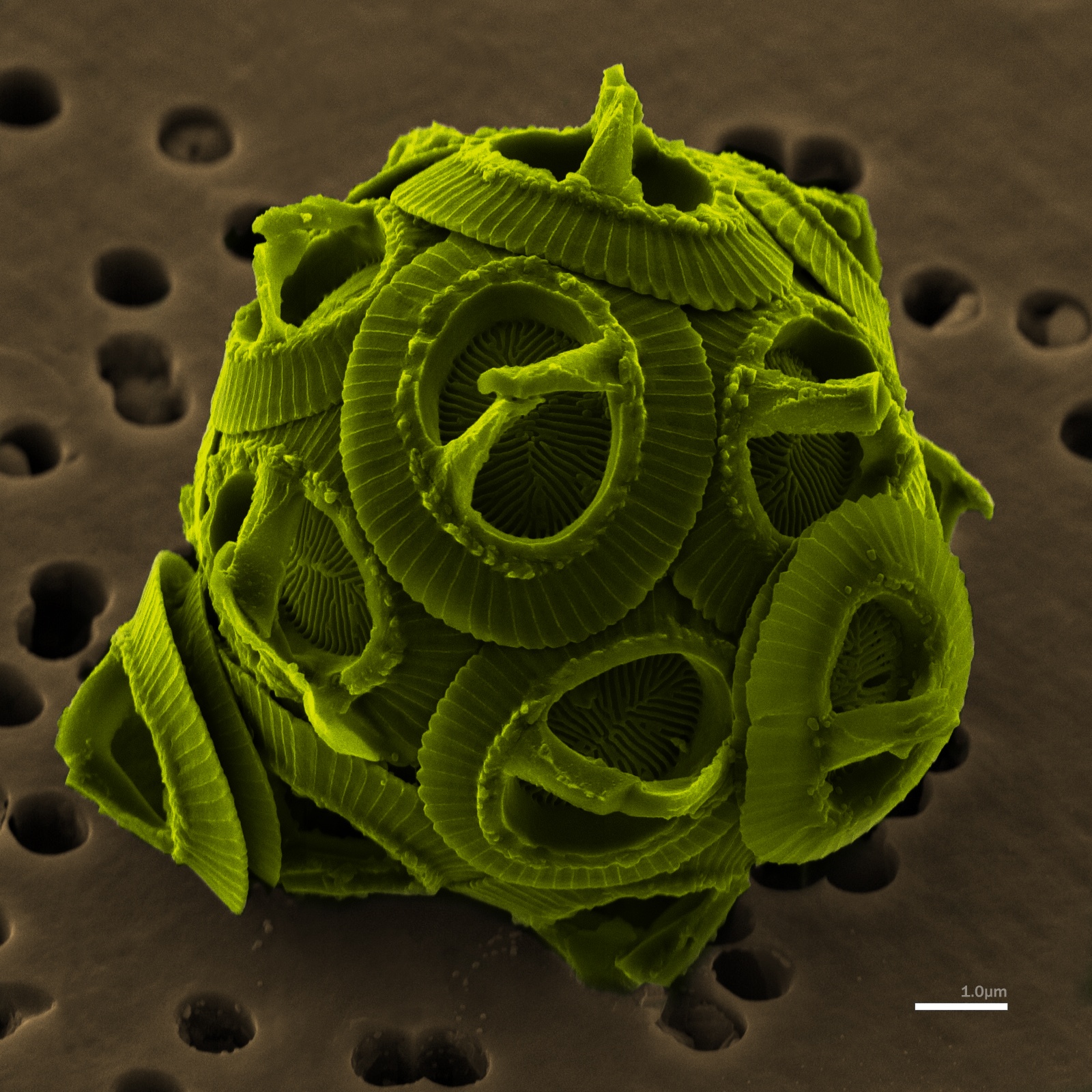
Based on the Greek work for "wanderer"
Plankton
Dinoflagellate
Coccolithophore
Diatom
The larval stages of crabs and fish are
holoplankton
meroplankton
both
neither

Which plankton is bioluminescent?
dinoflagellates
diatoms
jellyfish
meroplankton
An example of an animal with meroplankton stages is the
crab
whale
arrow worm
diatom

These horseshoe crab larvae are termed_________ since they are not plankton their whole life and grow into entirely different adult forms.
ultraplankton
meroplankton
holoplankton
macroplankton

Organisms that drift in the ocean and are unable to swim against the currents are called
benthos
plankton
nekton
epifauna
Plankton composed of organisms that spend their whole lives floating, drifting, or swimming weakly in the water.
meroplankton
zooplankton
holoplankton
phytoplankton
What does chlorophyta mean?
green plant
brown plant
red plant
Flowering plants have
true leaves
transport tissue (xylem and phloem)
roots
all answers are correct
Seagrasses are important because:
they provide habitat for many animals
they can protect coral reefs from sediment
they are nurseries for juvenile fish
all answers are correct
What do seaweeds such as giant kelp provide beyond being a food source (primary producer)?
they protect coral reefs
they take salt out of the water
they create a habitat for many organisms
How are seaweed classified or sorted in to groups?
By their pigment
By their length
By the water they are found in
By their toxins
Which type of algae has red pigment?
Chlorophyta
Phaeophyta
Rhodophyta
Merophyta
Whyich type of algae has brown/yellow pigments?
Chlorophyta
Phaeophyta
Rhodophyta
Merophyta
Why is seaweed NOT considered a true plant?
Does photosynthesis
No Veins in the Leaves or Stems
Forms the base of many food chains
Has roots
Salt marsh plants have these that help with the excess salt
Roots
Flowers
Salt glands
Holdfast
Mangroves can only be found in ___________ regions
Polar
Temperate
desert
tropical
Estuaries are very productive ecosystems because they receive fresh nutrients from
lakes and ponds
rivers and oceans
marshes and swamps
streams and springs
Which of the following is not one of the 3 main groups of seaweed?
Yellow
Brown
Red
Green
Area located between high and low tide boundaries:
Strandline
Intertidal zone
Supratidal zone
Subtidal zone
Area located below intertidal zone, remaining underwater:
Strandline
Intertidal zone
Supratidal zone
Subtidal zone
Zone that is made up of the entire ocean floor
Neritic
Photic
Aphotic
Benthic
Which ocean lifestyles lives on the bottom?
nekton
plankton
benthos

