
 Worksheets
Ch. 3 Practice Quiz
Total questions: 26
Worksheet time: 19mins
One of the following is NOT a kingdom.
Virus
Animals
Plants
Archaea
What are the 6 kingdoms?
phylum, class, Order, Family, Genus, Species
Humans, Plants, Protists, Archaea, Fungi, Bacteria
Trees, Animals, Protists, Archaea bacteria, Fungi, Eubacteria
Plants, Animals, Protists, Archaea bacteria, Fungi, Eubacteria

An example of an unicellular organism would be:
monkey
bacteria
spider
human

What is the correct order of taxonomy?
Kingdom, pylum, class, species, genus, family, class
Species, genus, family, order, class, phylum, kingdom
Kingdom, phylum, class, order, family, genus, species
species, phylum, order, class, kingdom, family, genus
What do you use to see cells?
microphone
microscope
telescope
binoculars
Who created the 2 name system?
Carolus Linnaeus
Thomas Edison
Charles Darwin
Albert Einstein
What two levels make up a scientific name?
genus and order
genus and species
domain and kingdom
family and genus
What is the study of classification?
taxonomy
biology
botany
microbiology

Tigers, Jellyfish, Gorillas and Snails are all part of kingdom _______.
Which is the best reason scientists use the scientific names of organisms instead of their common names?
Scientists were worried about the Latin language dying out so they decided to use it for naming organisms
Scientists who speak different languages will still know exactly which organism it is
So people will think the scientists are smart, because it sounds impressive

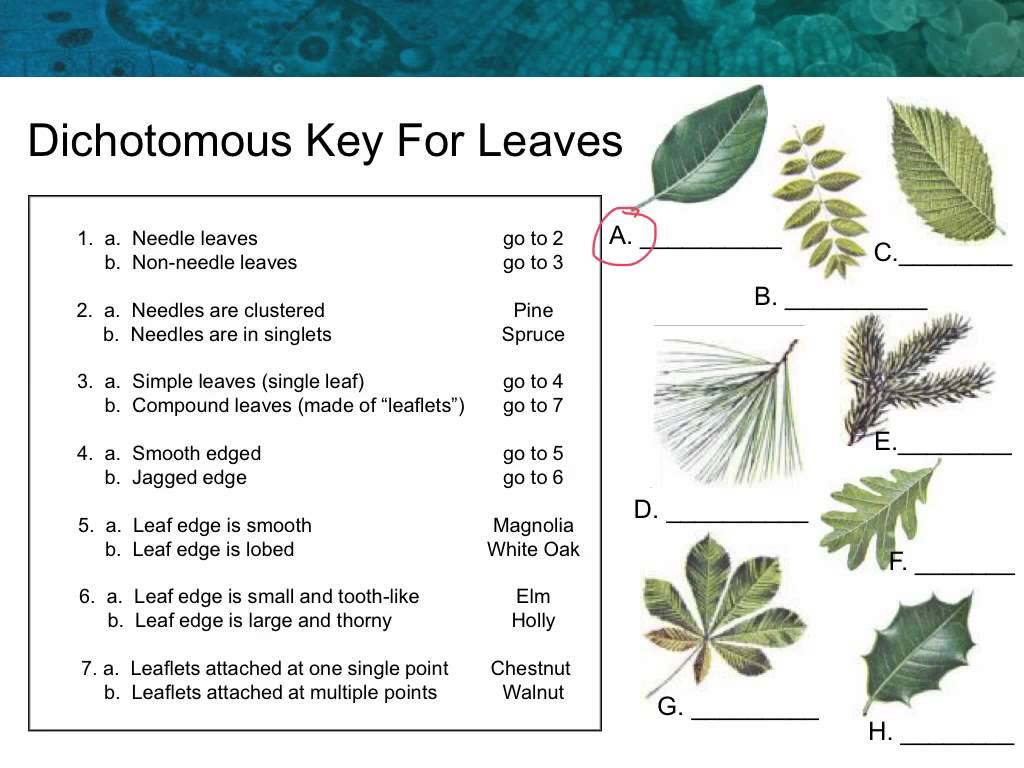
Hikers found a tree that has large brown cones and single sharp needles. What species of tree is it?
Juniper
Pine
Spruce
Fir
In a dichotomous key, each question contains ______ choices.
1
2
3
4
What TOOL do scientists use to classify organism based on their characteristics?
scientific name
branching chain
binomial key
dichotomous key
Cells that have a nucleus are called?
archaea
bacteria
eukaryotes
fungi
Which language is the primary language used to classify living things?
Greek
English
Roman
Latin
During photosynthesis -
chemical energy is transferred into potential energy
radiant energy is changed into potential energy
light energy is converted into chemical energy in plant cells
solar energy is exchanged for kinetic energy

