
 Worksheets
Earth and Space Science Test Quiz
Total questions: 103
Worksheet time: 3hrs 40mins

What does the Earth use to rotate?
an axis
a pole
a stick

What is bigger? The Earth, the sun or the moon?
Earth
Sun
Moon

How long does it take for Earth to make a full rotation?
365 days
60 seconds
24 hours
365 seconds

How long does it take for the Earth to orbit the sun? (Make a full revolution)
365 days
365 seconds
24 hours
60 seconds

What orbits Earth?
Moon
Sun
Mars
Neptune

What is another word for a full orbit?
revolution
rotation
orbation
orbiting

What is the difference between orbiting and rotating?
Rotating and orbiting are the same thing
Orbiting turns around another object and rotating spins on something
Orbiting moves up and down around something and rotating spins on something

Order these from smallest to largest
moon, earth, sun
sun, moon, earth
moon,earth, sun
sun, earth, moon
Rotation
the action of one object moving completely around another in an orbital path
an imaginary line that runs through both poles of a planet
turning or spinning on an axis
the path an object, such as a planet, takes as it revolves around another object
moon phases
the shape of the lit part of the moon as seen from Earth
a large hole in the ground caused by an asteroid
the air that surround the Earth
an object that orbits another object in space
What is the tilt of the Earth's axis?
17.5 degrees
23.5 degrees
25.5 degrees
35.5 degrees
A leap year occurs every
year
2 years
3 years
4 years
Identify what is formed when waters vapour condenses in the atmospere
oceans
rivers
steam
clouds

What causes day and night?
The Earth’s rotation on its axis
The Earth’s revolving around the Sun
Shadows
The Moon and the stars
When the Earth blocks sunlight from reaching the Earth
Lunar Eclipse
Neap tide
Solar Eclipse
Spring tide

Which moon phase would you see from earth?
full moon
crescent moon
third quarter moon
first quarter moon
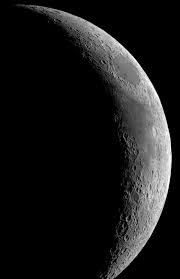
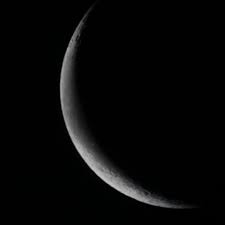
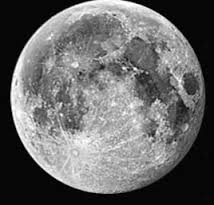
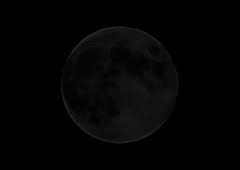


Other Planet
It takes the moon ABOUT how long to go through its phases
a year
a day
a month
a week

Moon Phase That Is Less Than Half Full.
Crescent
Lunar Cycle
Gibbous
Moon

More Than Half But Less Than Fully Illuminated.
Moon
Lunar Cycle
Gibbous
Full Moon

A Moon That Is Completely Dark Because It's Unlit Side Is Facing Earth.
Phases
Full Moon
New Moon
Lunar Cycle
What moon phase comes after the new moon?
waxing gibbous
waning gibbous
waning crescent
waxing crescent
What phase comes after the waxing crescent?
new moon
full moon
first quarter
What phase comes after the full moon?
waxing gibbous
waning gibbous
waxing crescent
waning crescent
What makes it possible to see the moon from Earth?
The surface emits its own light
It reflects light from Earth.
It reflects light from the sun.
True or False- The Earth is smaller than the moon.
True
False


What season is the northern hemisphere in at position D
winter
spring
summer
fall

In what position would the northern hemisphere need to be at to be in winter?
D
V
W
X
How can it be summer & winter at the same time on the same planet?
one hemisphere is closer to the sun
one hemisphere is receiving the direct rays of the sun while the other is receiving indirect rays
one hemisphere has a path of warm winds from the north
the southern hemisphere balances out the temperatures for earth

What type of eclipse is this an example of?
Lunar Eclipse
Solar Eclipse

What type of eclipse is this an example of?
Lunar Eclipse
Solar Eclipse

What type of eclipse is this an example of?
Lunar Eclipse
Solar Eclipse

What type of eclipse is this an example of?
Lunar Eclipse
Solar Eclipse
The order for a solar eclipse is Sun, Moon, Earth.
True
False

Is this alignment for a solar or lunar eclipse?
Solar
Lunar

Is this alignment for a solar or a lunar eclipse?
Solar
Lunar
You are less likely to see a total solar eclipse than a lunar eclipse because
The Moon's shadow covers all of Earth during a solar eclipse.
The Moon's umbra only covers a small area on Earth's surface.
Only people on the daytime side of Earth can see a solar eclipse.
A total solar eclipse is visible from
all over the Earth.
only within the moon's penumbra.
only within the moon's umbra.
only the dark side of the Earth.
During a total lunar eclipse the moon is in Earth's
penumbra
orbit
corona
umbra
When the moon does not completely cover the sun it is known as a
Partial lunar eclipse
Partial solar eclipse
Total solar eclipse
Penumbral lunar eclipse

Which statement correctly describes the type of eclipse that was occurring and the position on Earth where this eclipse was observed?
A lunar eclipse was observed from position A.
A lunar eclipse was observed from position B.
A solar eclipse was observed from position A.
A solar eclipse was observed from position B.

Number one in the diagram, is pointing to what part of the Earth's Shadow?
umbra
penumbra
Number two in the diagram, is pointing to what part of the Earth's Shadow?
umbra
penumbra

When does a solar eclipse take place?
when the sun moves into the Earth's shadow
when Earth moves into the sun's shadow
when Earth moves into the moon's shadow
when the moon moves into the Earth's shadow

Which statement explains how a lunar eclipse happens?
when the sun moves into the Earth's shadow
when Earth moves into the sun's shadow
when Earth moves into the moon's shadow
when the moon moves into the Earth's shadow

Check all that apply for a Solar Eclipse.
Moon is in the middle of the Sun and Earth (SME)
Earth is in the middle of the Sun & Moon
Happens during the day
Happens at night
Can't look directly at Solar Eclipse

Check all that apply for a Lunar Eclipse.
Moon is in the middle of the Sun and Earth (SME)
Earth is in the middle of the Sun & Moon (SEM)
Happens during the day
Happens at night
You can look directly at Lunar Eclipse
The process by which water changes from a liquid to a gas.
evaporation
condensation
sublimation
precipitation
The process in which water vapor in the air is changed into liquid water is called:
evaporation
transpiration
sublimation
condensation
What effect does the sun have on surface water?
It causes it to boil
It causes it to rain
It causes it to sink
It causes it to evaporate

what goes first in the water cycle
evaporation
condensation
surface runoff
precipitation
What is the energy source for the water cycle?
sun
wind
rain
oceans
Which of the following is an example of precipitation?
sleet
hail
snow
all of the above
Precipitation means...
water vapor cooling to form clouds
water running downhill
water falling from the sky
water heating up and rising as gas
What is precipitation?
Sweat from our bodies on hot days
Warm rain but not cold snow or sleet
Gas that we use in furnaces or ovens
Any form of water that falls from the sky
The process when plants release water vapor from their leaves is called _____________.
precipitation
evaporation
transpiration
condensation

What are formed when water vapor condenses and come together?
Clouds
Mountains
Transpiration
Valleys

An underground area of sediment and rock that is filled with groundwater is a?
watershed
reservoir
geyser
aquifer

All of the water on Earth makes up this?
water table
atmosphere
hydrosphere
none of these

When plants lose water through pores in their leaves?
evaporation
transpiration
runoff
percolation

The process in which water vapor is released into the atmosphere through plants.
evaporation
transpiration
condensation
precipitation
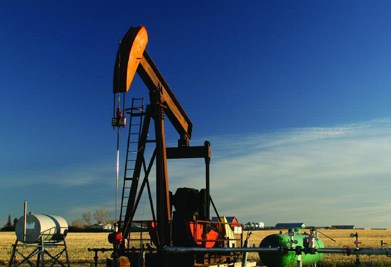
__________ is an energy resource that WILL run out in the next several hundred years.
Renewable Energy Resource
Nonrenewable Energy Resource
natural resources
pollution
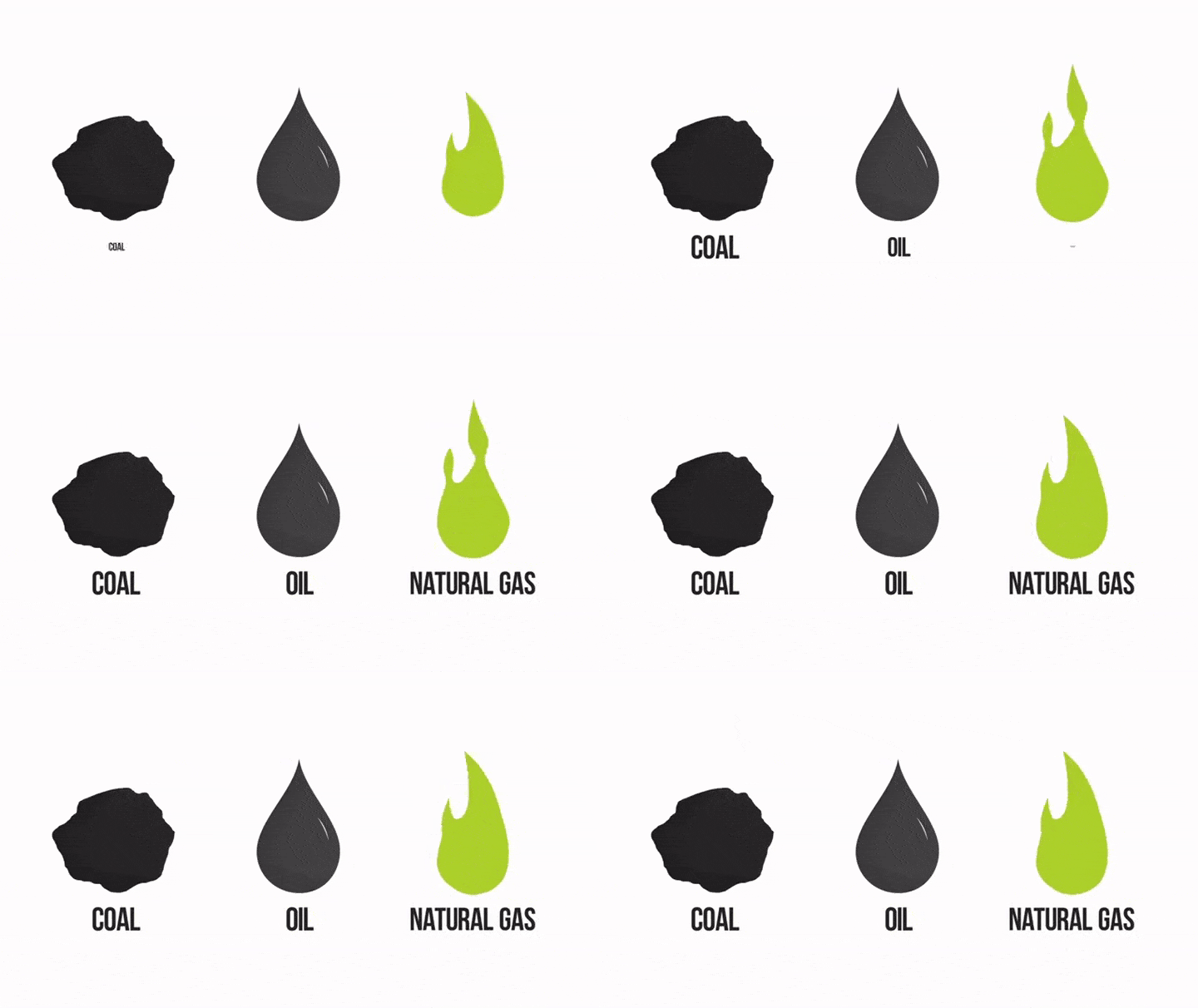
A group of non-renewable resources, called ______________, include coal, oil, and natural gas.
Fossils
Energy
Resources
Fossil fuels
Which of the following are fossil fuels? (Select all that apply.)
Coal
Oil
Natural Gas
Nuclear Energy
What can you infer about fossil fuels from their name?
They emit harmful gases when burned.
They've been buried in the earth's crust for millions of years.
They're the most abundant energy source on the planet.
They're used to make gasoline.
Which of these is an advantage of fossil fuels?
You can extract them without complicated machinery.
They are relatively inexpensive to produce.
Burning them does not have any negative side effects.
There is an unlimited supply of them.
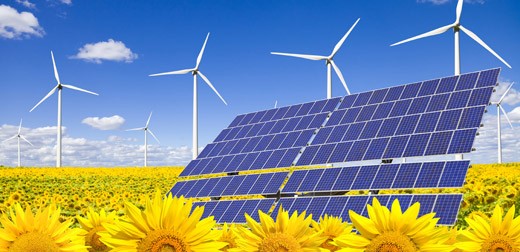
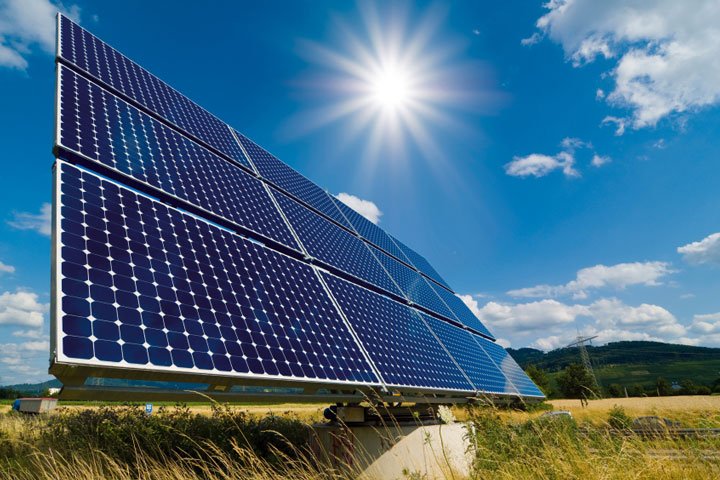
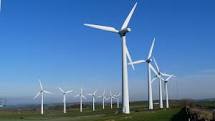

What type of energy converts the sun's rays into electricity? Is it renewable or nonrenewable?
nonrenewable
biomass
renewable

What type of renewable energy turns water into steam which escapes through cracks in the Earth, forming geysers and hot springs? Is it renewable or nonrenewable?
renewable
nonrenewable
Which of the following are nonrenewable resources?
coal, oil, and natural gas
nuclear power
hydroelectricity, solar power, wind power, geothermal energy
biomass: wood, scraps, corn stalks, animal waste, etc.
What type of renewable energy turns water into steam which escapes through cracks in the Earth, forming geysers and hot springs? Is it renewable or nonrenewable?
renewable
nonrenewable

Energy that can be replenished at the same rate as it is used
Natural Gas
Alternative Energy
Renewable Energy
Nonrenewable Energy
Energy that cannot be replaced in our lifetime
Nonrenewable Energy
Renewable Energy
Geothermal
Alternative Energy
Fuels such as coal, oil, and natural gas that were formed over millions of years from decayed plants and animals. This process requires time, pressure, and heat.
Fossil Fuels
Renewable Resources
Replenish
Geothermal

