
NEW
Font size
 Worksheets
Metals and Ores Quiz
Total questions: 55
Worksheet time: 28mins
What are metal-bearing rocks called?
Minerals
Ores
Crystals
Sediments
What process is used to obtain metals from raw ores?
Refining
Smelting
Distillation
Fermentation
What is mixed with raw ore in the smelting process?
Water
Charcoal
Sand
Oil
What is the temperature required to extract copper from its ore?
900°C
1100°C
1500°C
650°C
Which metal requires a temperature of 1500°C for extraction?
Copper
Aluminium
Iron
Gold
How is aluminium extracted from its ore?
Smelting
Electrolysis
Distillation
Filtration

What is the name of the aluminium ore shown in the image?
Hematite
Bauxite
Galena
Chalcopyrite
Which of the following metals can be mined from the earth as pure metals?
Iron
Gold
Aluminum
Nickel

What are ferrous metals primarily composed of?
Iron and aluminum
Iron and carbon
Iron and copper
Iron and zinc
What is a characteristic of cast iron?
It is flexible and soft
It is hard and brittle
It is lightweight and ductile
It is malleable and strong
What is the carbon content of cast iron?
2%
4%
6%
8%
Which of the following is NOT a common use for cast iron?
Car brake drums
Railings
Manhole covers
Electrical wiring

What is High Carbon Steel often referred to as?
Stainless steel
Tool steel
Mild steel
Alloy steel
What is the carbon content range in High Carbon Steel?
0.1 - 0.5%
0.6 - 1.5%
1.6 - 2.0%
2.1 - 3.0%
What are some tools made from High Carbon Steel?
Plastic containers
Metalwork files and saw blades
Wooden furniture
Glass bottles
What is a key property of mild steel?
It is brittle and breaks easily.
It is very tough and can resist strong impacts.
It is lightweight and floats on water.
It is highly magnetic.
What is the carbon content range in mild steel?
0.05 – 0.15%
0.15 – 0.35%
0.35 – 0.55%
0.55 – 0.75%
Which of the following is NOT a common use for mild steel?
Washing machines
Construction girders
Jewelry
Nuts and bolts
What is the minimum percentage of chromium in stainless steel?
5%
11%
15%
20%
Which of the following metals is mainly contained in stainless steel?
Copper
Chromium
Zinc
Aluminum
What is one of the uses of stainless steel due to its resistance to scratching and biofouling?
Jewelry
Medical instruments
Electrical wiring
Textile manufacturing
Which metal is often included in stainless steel along with chromium and nickel?
Iron
Manganese
Silver
Gold
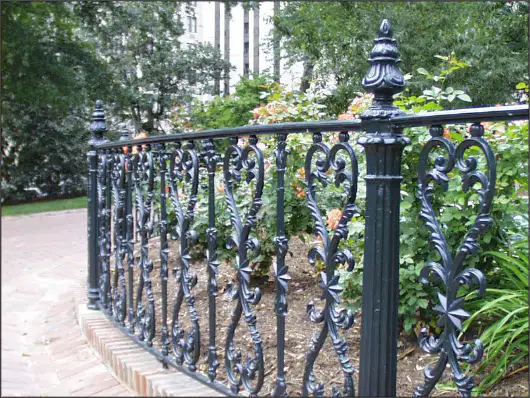
What is the primary characteristic of wrought iron that makes it suitable for forge work?
High carbon content
Toughness
Lightweight
High melting point
What is the carbon content of wrought iron?
Less than 0.1%
1%
2%
5%
For which of the following applications is wrought iron commonly used?
Car engines
Gates and railings
Electrical wiring
Plastic containers
What are non-ferrous metals?
Metals that contain iron
Metals that do not contain iron
Metals that are magnetic
Metals that are brittle
Which of the following is a property of copper?
Brittle and non-conductive
Weak and easily corroded
Strong and resists wear and shock
Poor conductor of electricity
Why is copper considered an excellent conductor?
It is brittle
It is expensive
It is ductile and malleable
It resists biofouling
What is a characteristic of pure aluminium?
High tensile strength
Low tensile strength
High density
Poor conductor of electricity
Why is aluminium often alloyed with copper or magnesium?
To increase its weight
To improve its color
To improve its strength
To reduce its cost
What is one reason aluminium is used extensively outdoors?
It is very heavy
It resists corrosion
It is expensive
It is a poor conductor of heat
What is the density of aluminium compared to copper and steel?
Twice that of copper and steel
The same as copper and steel
1/3 that of copper and steel
Half that of copper and steel
What is one of the current uses of lead?
Plumbing
Roof flashing
Car batteries
Electrical wiring
Which material has replaced lead in many applications?
Steel
Copper
Wood
Glass
What is a characteristic of lead?
Hard and brittle
Soft and malleable
Transparent and light
Elastic and flexible
Why is lead considered dangerous?
It is flammable
It is an accumulative poison
It is radioactive
It is explosive
What are the two most useful properties of titanium in its metal form?
High density and brittleness
Corrosion resistance and high strength-to-weight ratio
Low melting point and high conductivity
Magnetic properties and ductility
Which of the following elements can be alloyed with titanium to produce strong lightweight alloys?
Iron, aluminum, vanadium, molybdenum
Gold, silver, platinum, copper
Carbon, hydrogen, nitrogen, oxygen
Zinc, lead, mercury, tin
In its unalloyed condition, how does titanium compare to steel?
As strong as some steels, but 45% lighter
Twice as strong as steel, but heavier
Weaker than steel, but more flexible
As strong as steel, but 20% heavier
What is the primary modern use of tin in alloys?
To make brass
To increase strength and resistance to corrosion
To create decorative items
To produce electrical wires
What is tinplate primarily composed of?
Pure tin
Steel with a thin protective layer of tin
Copper and tin
Lead and tin
Which of the following is an alloy of tin used to join electrical components?
Brass
Pewter
Soft solder
Tinplate
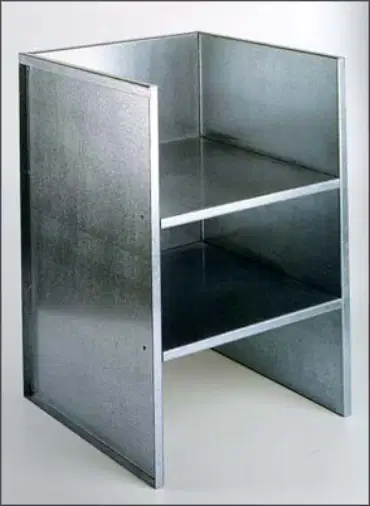
What is zinc commonly used for in relation to steel?
To increase its weight
To improve its color
To coat it for corrosion resistance
To make it more flexible
What is the term used for steel that is coated with zinc?
Anodized
Galvanized
Oxidized
Tempered
What is an alloy?
A pure metal
A mixture of metals or a metal and a non-metal
A non-metal
A type of plastic
What are the components of brass?
Copper and tin
Copper and zinc
Zinc and iron
Iron and tin
Which property is NOT associated with copper?
Malleable
Resists corrosion
Good conductor of electricity
Hard but brittle
What is brass commonly used for?
Jewelry
Musical instruments, valves, and electrical plugs
Building construction
Cooking utensils
What is one of the main environmental impacts of mining or quarrying metal ores?
It increases air pollution.
It requires a lot of energy, much of which is lost as heat.
It causes water pollution.
It leads to deforestation.
Why is recycling becoming more important in the metal industry?
It is cheaper than mining new ores.
It reduces the need for energy-intensive extraction.
It creates more jobs.
It is easier than mining.
What role does the scrap metal industry play today?
It provides raw materials for construction.
It has a vital role in the provision of metals for the future.
It is the main source of employment in mining areas.
It primarily focuses on producing new metal alloys.
What is the current process for recycling metal parts from cars?
They are melted down immediately.
They are collected, sorted, and shredded.
They are exported to other countries.
They are reused without processing.
How much less energy does it take to recycle aluminium cans compared to producing new cans from aluminium ore?
50%
70%
95%
30%
What percentage of recycled material can stainless steel be made from?
50%
70%
90%
30%
What is a characteristic of recycled copper?
It cannot be refined to be pure.
It has a low scrap value.
It can be refined to be as pure as new.
It is difficult to recycle.

