wayground logo

Free Printable Worksheets

NEW

Font size

S
M
L
XL
Worksheets

Weathering Erosion Deposition

Total questions: 43

Worksheet time: 1hrs 10mins
Name
Class
Date
1.
Weathering involves the movement of rocks and minerals by agents such as water, wind and gravity.
a)
True
b)
False
2.
The process of carrying away weathered bits of rocks is called
a)
weathering
b)
erosion
c)
deposition
3.
The process of moving weathered rock and depositing it in another location is called?
a)
weathering
b)
erosion
c)
deposition
4.
A small stream or other source of flowing water cannot form a canyon?
a)
True
b)
False
5.
The process of slowly breaking rocks into smaller pieces is called
a)
weathering
b)
erosion
c)
deposition
6.
Deposited material at the end of a river is called?
a)
landform
b)
delta
c)
canyon
7.
Glaciers shape and carve away the land beneath them and can drastically reshape the landscape over hundreds or even thousands of years.
a)
True
b)
False
8.
Weathering and erosion are the same thing.
a)
True
b)
False
9.
Wind blowing sand from one location to another is called
a)
Weathering
b)
Erosion
c)
Deposition
10.
Water getting into cracks, freezing, and breaking the rocks or pavement apart is called?
a)
Weathering
b)
Erosion
c)
Deposition
11.
Waves dropping sand on the beach is called?
a)
Weathering
b)
Erosion
c)
Deposition
12.
A mudslide flowing down a steep hill is called?
a)
Weathering
b)
Erosion
c)
Deposition
13.
Rocks at the top of a mountain are smoother than rocks at the bottom of a mountain.
a)
True
b)
False
14.
How does freezing water cause the weathering of rocks?  The freezing water—
a)
keeps the rocks in place.
b)
makes the rocks last longer.
c)
expands cracks and breaks rocks.
d)
causes rocks to fall in landslides.
15.
The process that breaks down rocks and other materials on Earth's surface is called
a)
Weathering
b)
Erosion
c)
Deposition
d)
Decomposition
16.
Over long periods of time, deposition may change the Earth’s surface by _____.
a)
forming new land features.
b)
breaking down large rocks into smaller ones.
c)
washing away beaches.
d)
moving topsoil.
17.
A cliff formed near the ocean.  Which statement best describes how this cliff formed?
a)
Warm air melted the rock.
b)
Sun rays evaporated the rock.
c)
Ocean waves washed away rock.
d)
Plant roots pushed away the rock.
18.
What is the process that picks up and moves weathered rocks?
a)
Deposition
b)
Landslide
c)
Weathering
d)
Erosion
19.
Deposition changes the Earth’s surface because bits of broken rock and soil _____.
a)
stop rivers from flowing.
b)
make rich farmlands.
c)
are dropped in new places.
d)
move very slowly.
20.
What causes the greatest erosion effect on our beaches?
a)
Waves
b)
Gravity
c)
Glaciers
d)
Wind
21.
Layers of sediment forming at the bottom of the ocean floor is an example of
a)
Weathering
b)
Erosion
c)
Deposition
d)
Awesome Science
22.
Muddy water being carried away by a fast-moving river is an example of
a)
Weathering
b)
Erosion
c)
Deposition 
d)
A nice place to swim
23.
What is an enormous mass of ice moving over land, causing weathering of rock and soil?
a)
A glacier
b)
An iceberg
c)
An ice wedge
d)
A sand dune
24.
How do plants weather rocks?
a)
During photosynthesis
b)
When roots grow into cracks of rocks and expand the rock breaks.
c)
When the plant moves water from the roots to the leaves, the rock breaks.
d)
Plants don't weather rocks.
25.
What is the wearing away or breaking down of rocks called?
a)
Deposition
b)
Erosion
c)
Glaciers
d)
Weathering
26.
Wind blows sand onto rocks and slowly breaks down the rock
a)
Mechanical Weathering
b)
Chemical Weathering
c)
Erosion
d)
Deposition
27.
Acid rain melts the features of a statue
a)
Mechanical Weathering
b)
Chemical Weathering
c)
Erosion
d)
Deposition
28.
Breaking a rock down into smaller pieces (sediment) by physical force
a)
Mechanical Weathering
b)
Chemical Weathering
c)
Erosion
d)
Deposition
29.
The small peices of rock that break off of a larger rock during weathering are called...
a)
Sediment
b)
Salt
c)
Erosion
d)
Deposition
30.
Flood water pounding against a canyon wall and wearing it down
a)
Weathering
b)
Erosion
c)
Deposition
31.
Rain washing away soil from a hillside
a)
Weathering
b)
Erosion
c)
Deposition
32.
Waves dropping sand on the beach
a)
Weathering 
b)
Erosion
c)
Deposition
33.
Water getting into cracks, freezing, and breaking the rocks or pavement apart
a)
Weathering
b)
Erosion
c)
Deposition
34.

What is erosion?

a)

fragments of weathered rock

b)

is the process by which wind, water, ice, or gravity transport weathered materials from one location to another

c)

occurs when eroded materials are dropped, or laid down

d)

is the main force behind sudden rock falls and landslides that can change the shape of a mountain.

35.

The process of sediment being dropped off in a new place is called

a)

Abrasion

b)

Erosion

c)

Deposition

d)

Weathering

36.

A delta is an example of

a)

Erosion

b)

Weathering

c)

Sediment

d)

Deposition

37.
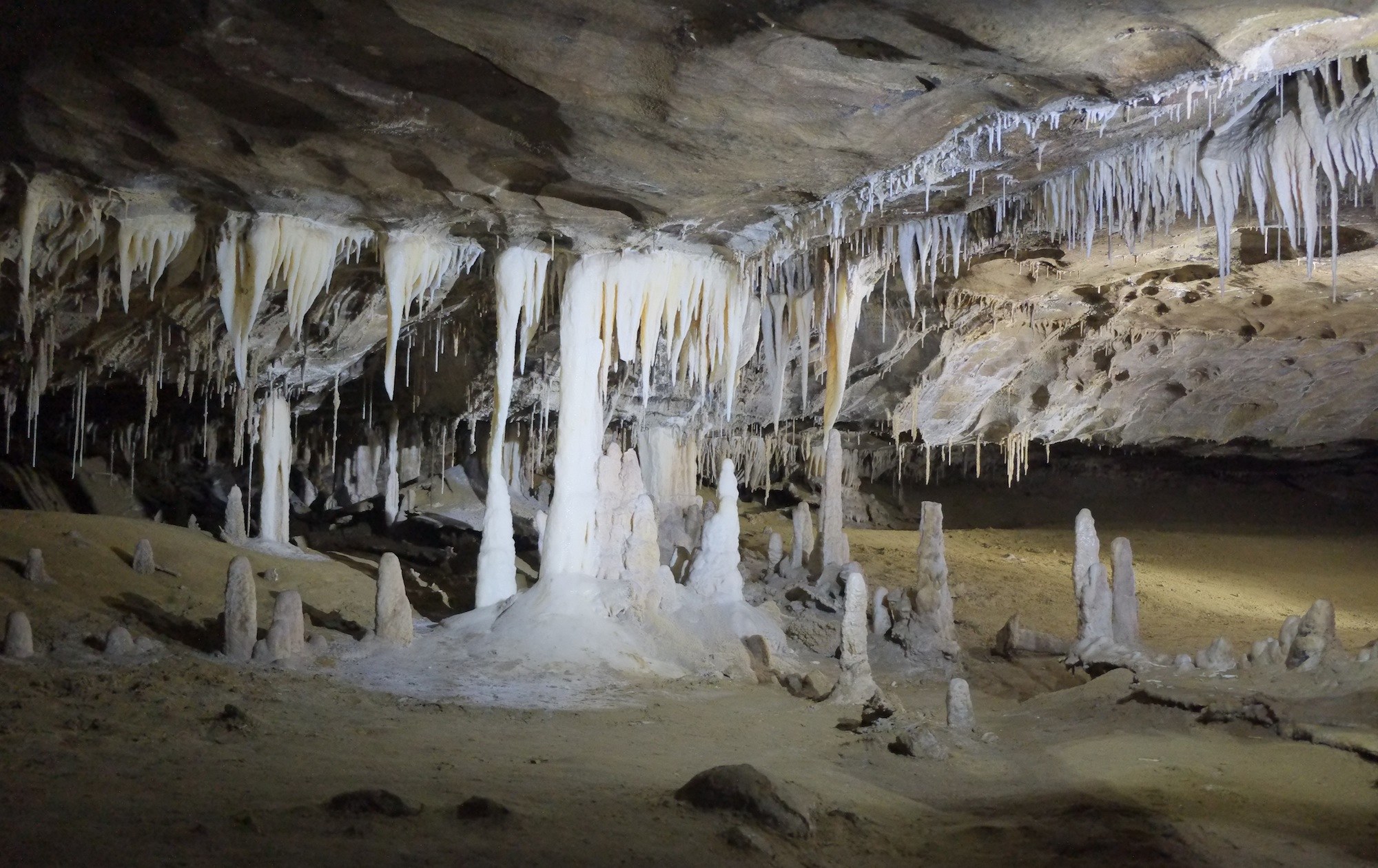
acid normally involved in the formation of limestone caves :
a)
hydrochloric acid
b)
nitric acid
c)
carbonic acid
d)
sulfuric acid
38.
RUST is chemical weathering by
a)
water dissolving minerals
b)
carbonic acid in groundwater
c)
acid rain
d)
oxidation
39.

The softening of minerals in rocks by water that causes the rocks to break

a)

hydrolysis

b)

carbonation

c)

oxidation

d)

weathering

40.

Carbon dioxide in rainwater creates carbonic acid this is _____________

a)

oxidation

b)

carbonation

c)

hydrolysis

d)

none of the above

41.

This happens by rapidly moving water, glaciers or wind _______

a)

abrasion

b)

ice wedging

c)

burrowing

d)

temperature change

42.

Which one is not away that erosion happens?

a)

gravity

b)

water

c)

ice

d)

burrowing

43.

What is weathering?

a)

The moving of sediment

b)

The breaking down of rocks into smaller pieces

c)

Wind moving rocks around

d)

Water and gravity moving rocks