
 Worksheets
1202
Total questions: 69
Worksheet time: 1hrs 9mins
These are devices and systems installed in an aircraft to provide essential information to the pilot about the status and performance of the aircraft while in flight.
(a)
The pressure exerted by the atmosphere We feel this all the time
(a)
Instruments that contribute information used by the pilot to guide the aircraft along a definite course.
(a)
These are designed to measure the operating parameters of the aircraft’s engine(s).
(a)
Caused by movement through the air.
(a)
The instruments used in controlling the aircraft’s flight attitude, altitude, speed, and direction
(a)
True or False.
As the speed increases so does the total pressure
(a)
True or False.
As the speed increases so does the dynamic pressure
(a)
Static Pressure + Dynamic Pressure = (a)
It is open and faces into the airstream to receive the full force of the impact air pressure as the aircraft moves forward.
(a)
Usually beneath a wing. In free-stream airflow. Often heated to avoid the entrance being blocked by ice
(a)
Usually on the side of the fuselage. Out of airflow. Some aircraft have 2 to average out reading and reduce errors
(a)
It is designed to protect the system from moisture and dirt entering the tube, air passes through it
(a)
It can be found at the back of the chamber and allows the moisture to escape
(a)
It is vented through small holes to the free undisturbed air on the side(s) of the aircraft.
(a)
It is provided in some aircraft to provide static pressure should the primary static source become blocked.
(a)
What instrument system?
(a)
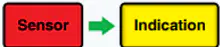
What instrument system?
(a)
Pitot Static system provides data for which instruments
(a)
Pitot-Static System errors in pressure measurement due to maneuvers or changes in aircraft configuration.
(a)
Indicates the speed of an aircraft in relation to the air.
(a)
It must receive dynamic pressure information in order to give a speed reading.
(a)
It is fed into the expandable diaphragm
(a)
The ASI measures the (a) between static pressure from the static port, and total pressure from the pitot tube.
It is fed into the case of the instrument
(a)
This is the speed indicated on the instrument. It does not include any corrections. this speed can be expressed in Knots (KTS) or Meter Per Hour (MPH)
(a)
Small manufacturing imperfections and gear wear of the instrument.
(a)
The dynamic pressure depends not only on the airspeed, but also on the density of the air.
(a)
It is the airspeed corrected for density error (temperature and pressure).
(a)
It is the actual aircraft speed in relation to the ground.
(a)
When there is a (a) , the speed in relation to the ground is greater than the speed in relation to the air.
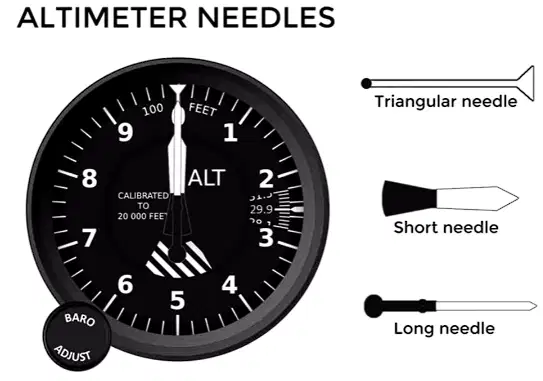
Triangle Needle
(a)
When there is a (a) , the speed in relation to the ground is less than the speed in relation to the air.
When there is a headwind, the speed in relation to the ground is less than the speed in relation to the air. When there is a tailwind, the speed in relation to the ground is greater than the speed in relation to the air.
(a)
An instrument that measures the vertical distance of an aircraft above a given pressure level
(a)
Uses input data from a static port because it utilizes static pressure to determine the vertical distance between the aircraft and a reference level.
(a)
The only instrument that is capable of indicating how high the aircraft is.
(a)
Determine altitude by measuring air pressure. As altitude increases, air
pressure decreases.
(a)
Determine altitude by measuring radio waves. These altimeters send a radio or laser signal toward the surface and measure the time it takes for the signal to bounce back.
(a)
Instrument used to measure the vertical distance between the aircraft and a reference level.
(a)
Vertical Distance unit of measure
(a)
The vertical distance between mean sea level and a point in the air
(a)
Vertical distance between a point on the ground a point in the air.
(a)
Vertical distance between mean sea level and a point on the ground.
(a)
The concept of (a) also corresponds to a certain vertical distance.
It uses atmospheric (static) pressure in order to give the altitude reading.
High Static Pressure = Low Altitude
Low Static Pressure =High Altitude
(a)
Interpret changes in pressure as changes in altitude.
(a)
It is a sealed wafer that is evacuated to an internal pressure of 29.92 inches of mercury ("Hg).
(a)
An aneroid wafer is a sealed wafer that is evacuated to an internal pressure of (a) inches of mercury ("Hg).
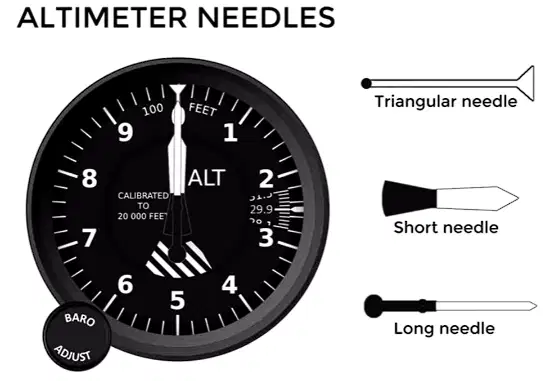
Short needle
(a)
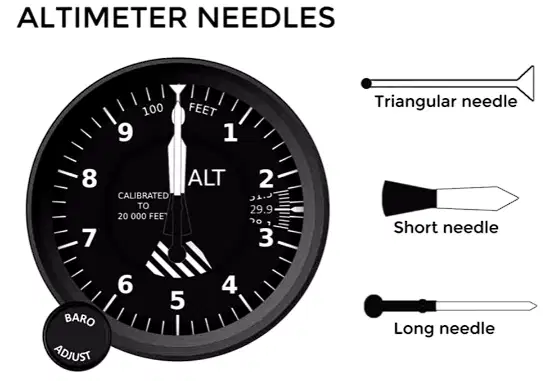
Long needle
(a)
This feature helps pilots quickly distinguish between altitudes in thousands and hundreds of feet.
(a)

(a) 10,000ft

(a) 10,000ft
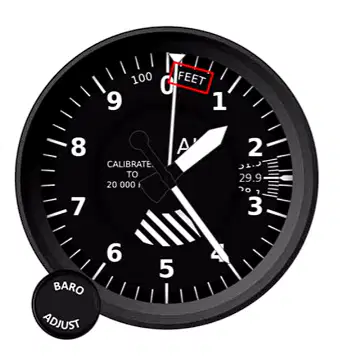
(a) feet
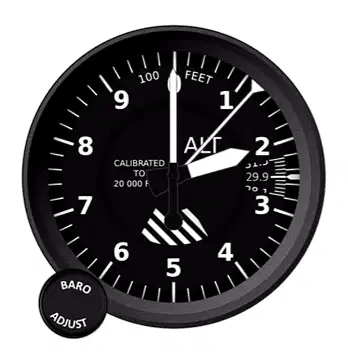
(a) feet
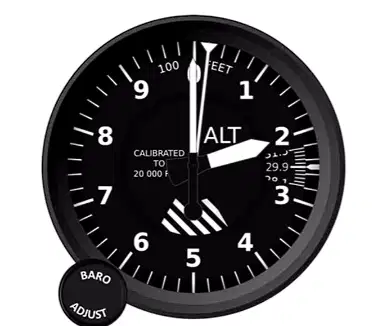
(a) feet
Indicates the rate at which the aircraft climbs or descends. It is the instrument that measures changes in altitude.
(a)
VSI is also known as
(a)
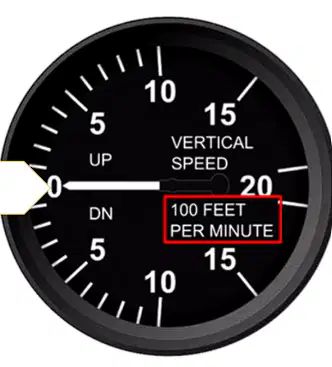
(a) ft/min
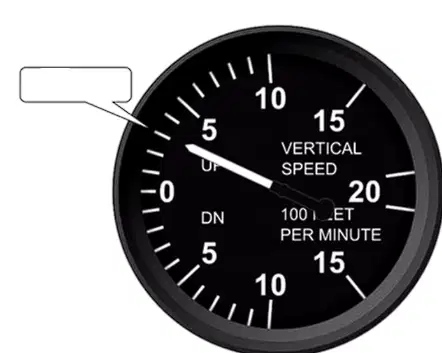
(a) ft/min
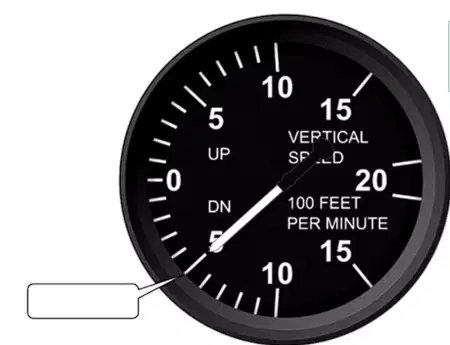
(a) ft/min
Although the VSI operates solely from static pressure, it is a (a) instrument.
The (a) of the diaphragm is connected directly to the static line of the pitot-static system.
restricted hole
(a)
Minor flaws in the installation and gears of the instrument.
(a)
Pitot-static system errors in pressure measurement due to maneuvers or changes in aircraft configuration.
(a)
Delay in the instrument indication due to rapid changes in climb/ descent rate.
(a)
The delay in seconds
(a)

